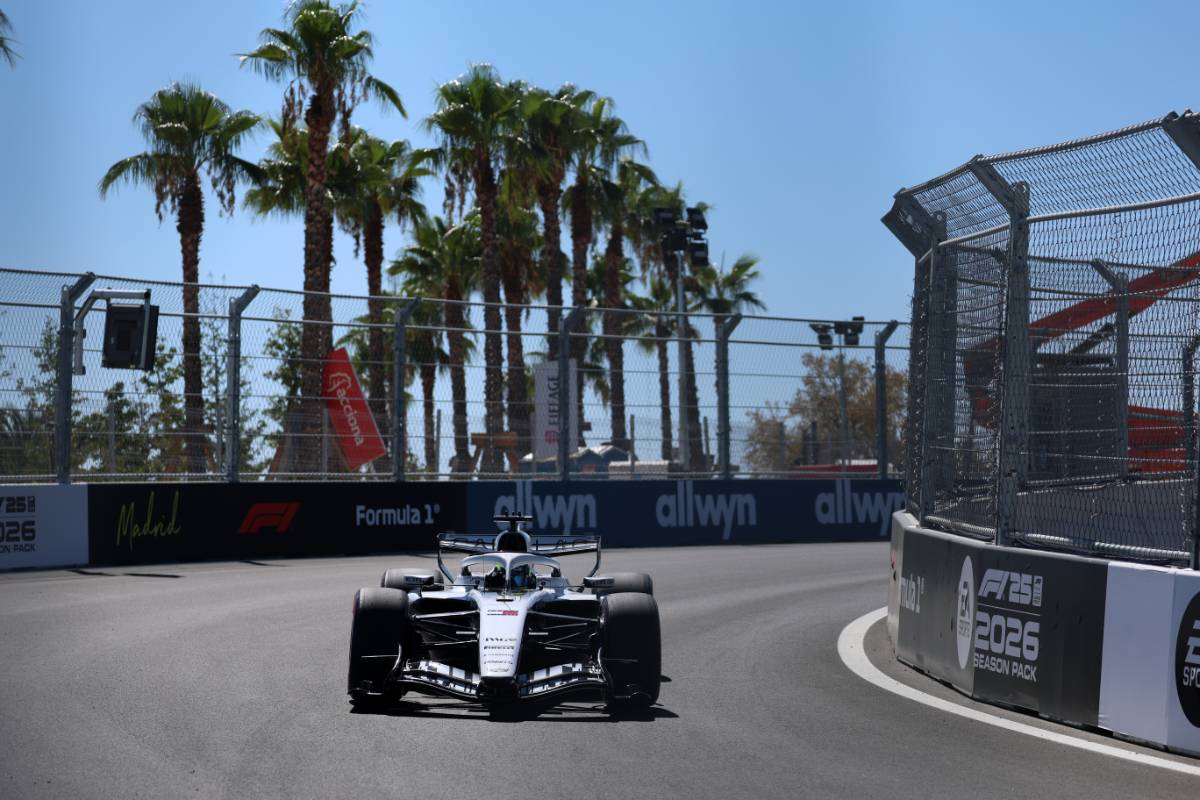
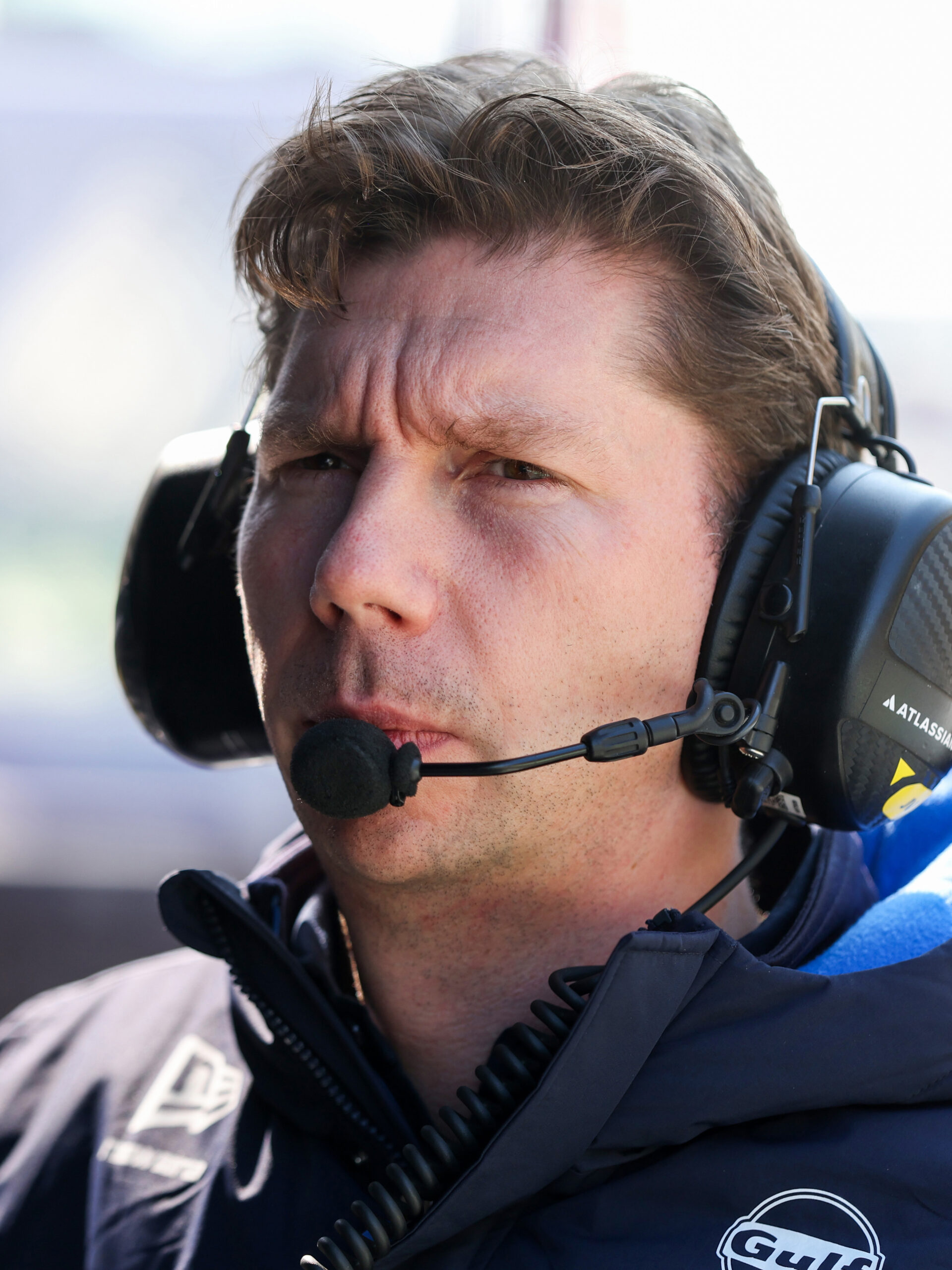
Williams F1 team principal James Vowles addressed the team’s performance at the Chinese GP 2026 after a weekend that delivered points but also exposed the team’s current limitations under the new regulations. Williams left Shanghai with a P9 finish for Carlos Sainz, securing the team’s first points of the 2026 season.
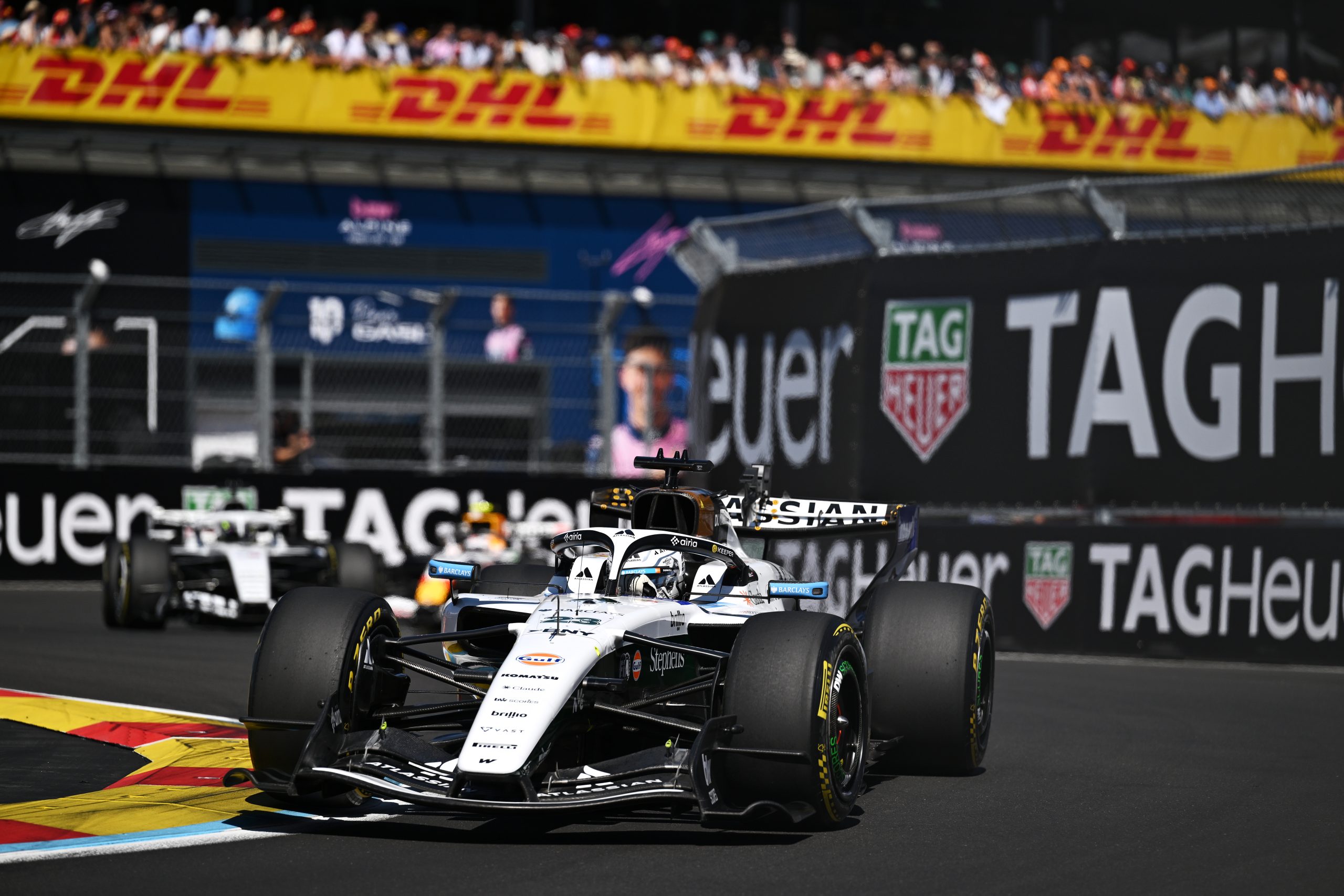
The Grove outfit had a nightmare Saturday, where both the cars were knocked out in Q1. Sainz qualified in 17th and his teammate, Alex Albon in 18th. Starting from P17 on the grid, produced a strong opening lap to climb to tenth by lap one’s end. The Spaniard executed a clean one-stop race, switching from medium to hard tyres early, and held off sustained pressure late in the race to finish ninth.
Albon, meanwhile, had a “painful” F1 Chinese GP where he never turned a wheel. A hydraulic failure discovered on the grid left his car withdrawn before the start, compounding what Vowles later described as a weekend of “split fortunes.”
The pit stop call under the Safety Car
Sainz was called into the pits on lap 10, just a lap before the Safety Car and essentially missed out on a cheaper pitstop. That was pointed out to Vowles, asking whether waiting for the safety car would have delivered a higher finishing position.
Speaking in the team’s post-race debrief after the 2026 F1 Chinese GP, Vowles addressed this question offering clarity on the team’s decision.
“What I can definitely confirm is that had we waited just one lap, that’s how short it was, we would have pitted ahead of Lawson on track. However, from everything we can see at the moment, based on where we are performance-wise, that wouldn’t have resulted in a different finish position, perhaps a slightly easier race but the same finish position, which is P9.”
He added that the team had factored in the likelihood of a Safety Car given the reliability patterns seen under the 2026 regulations, but the graining on the medium compound ultimately forced the call.
“Their focus was on the amount of graining we had on the medium tyre and effectively getting off that tyre because we were starting to lose a lot of performance.”
Sainz was already dropping behind and was passed by 3 of his rivals and by the end of lap 8, he was already in thirteenth place.
Vowles answers on what changed between Melbourne and Shanghai
Vowles also spoke about the incremental gains Williams made at the 2026 F1 Chinese GP. They had a dismal race in Melbourne and while it was still not an excellent showing, Shanghai was a clear step up.
When asked on what changed from Melbourne to China, Vowles pointed to progress in how the team extracted performance from what they had.
“In Shanghai, different circuit obviously but it’s a lot more energy rich than it was in Melbourne but equally I would say we, as Williams, did a much better job of extracting the performance from the power unit and that improved as the race went on which is part of the reason for that gain.”
He elaborated on the granular nature of those gains:
“There’s small little details that add up to it, it’s tiny amounts of apex cornering speed or what gear you use or how you exit or how you use the throttle pedal or where effectively you’re managing the entry across the lap. Tiny, tiny details, about 10, 20 of them across the lap but they add up to performance and that was definitely better on our side.”
The Briton acknowledged that Williams made a step forward in managing the tyres at Shanghai.
“We were much better on tyres in Shanghai, much better extracting both qualifying in Melbourne, I don’t think we did the right run plan but also in terms of the degradation in the race, again that was a step better in that regard.”
Reliability remains a structural problem in 2026 for Vowles after Williams DNS at F1 Chinese GP
Despite the progress, Vowles did not sidestep the reliability picture. Albon’s DNS was the headline failure, but Vowles framed it as part of a wider issue that no team has fully solved under the new regulations.
“I think net neutral was reliability, there is clearly no teams but definitely not us at this point in time able to get two cars on track in exactly the right specification and the right ways of working and that’s basic, that’s something we absolutely have to get right because with the amount of learning we’re doing lap on lap, we are throwing away performance and for Alex, a very difficult weekend for him just unable to start that race.”
Two races in, Williams still sit as the ninth-quickest package in the field under the 2026 ruleset, adrift from the midfield on raw pace. Sainz described P9 as a “mini victory” given the circumstances, a result built on a strong launch, tyre conservation, and clean execution rather than outright speed.
He emphasised that the car is not yet capable of scoring points on pace alone, and that these two points will serve as a motivation to the team to do better. Williams’ FW48 is still a heavy beast to drive and the team are actively trying to cut the weight down. They partly benefited from the non-starting McLarens and the retirements of drivers ahead.
Suzuka will be the next race in a week’s time and Williams will be hoping their upgrades will yield them the necessary performance there.