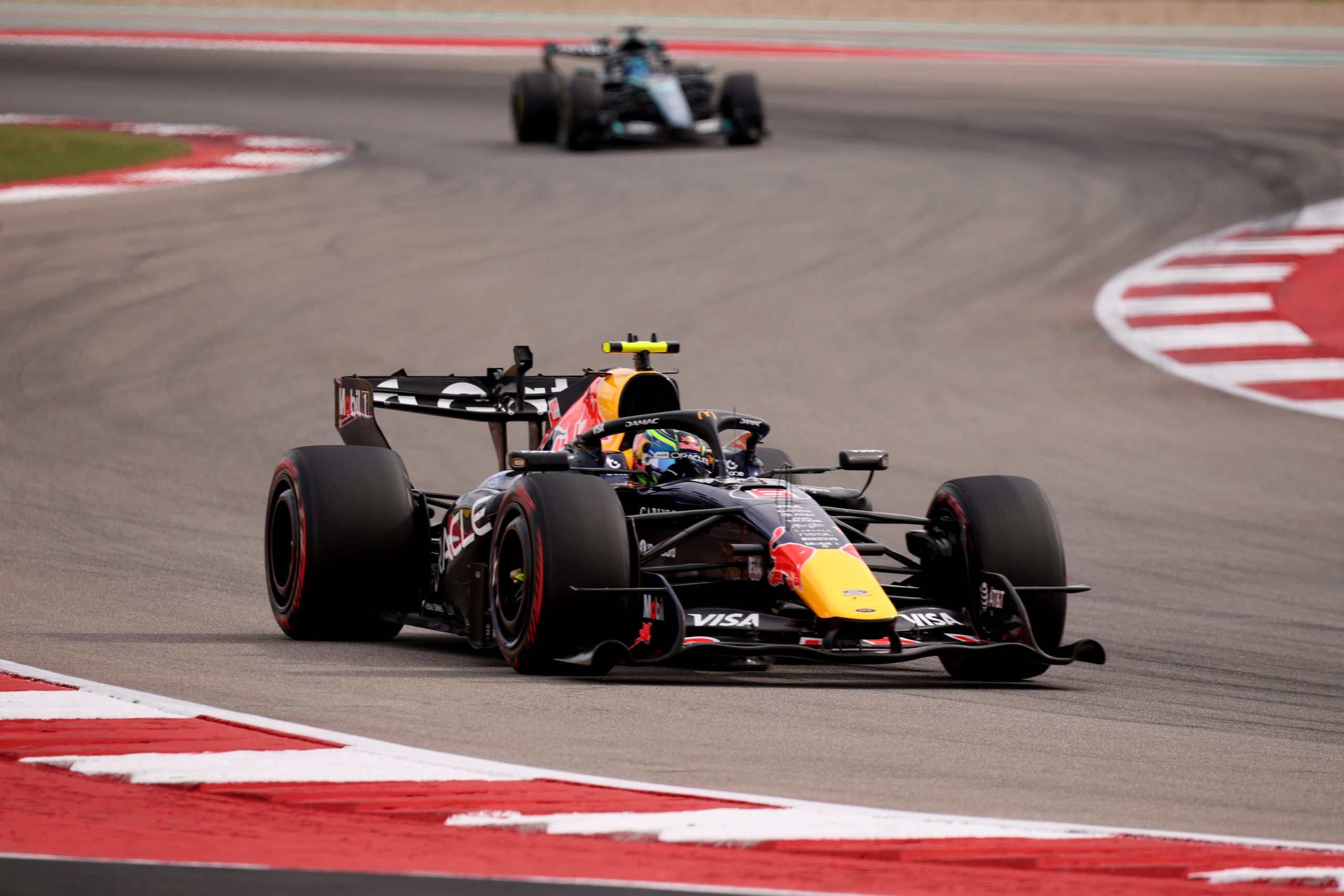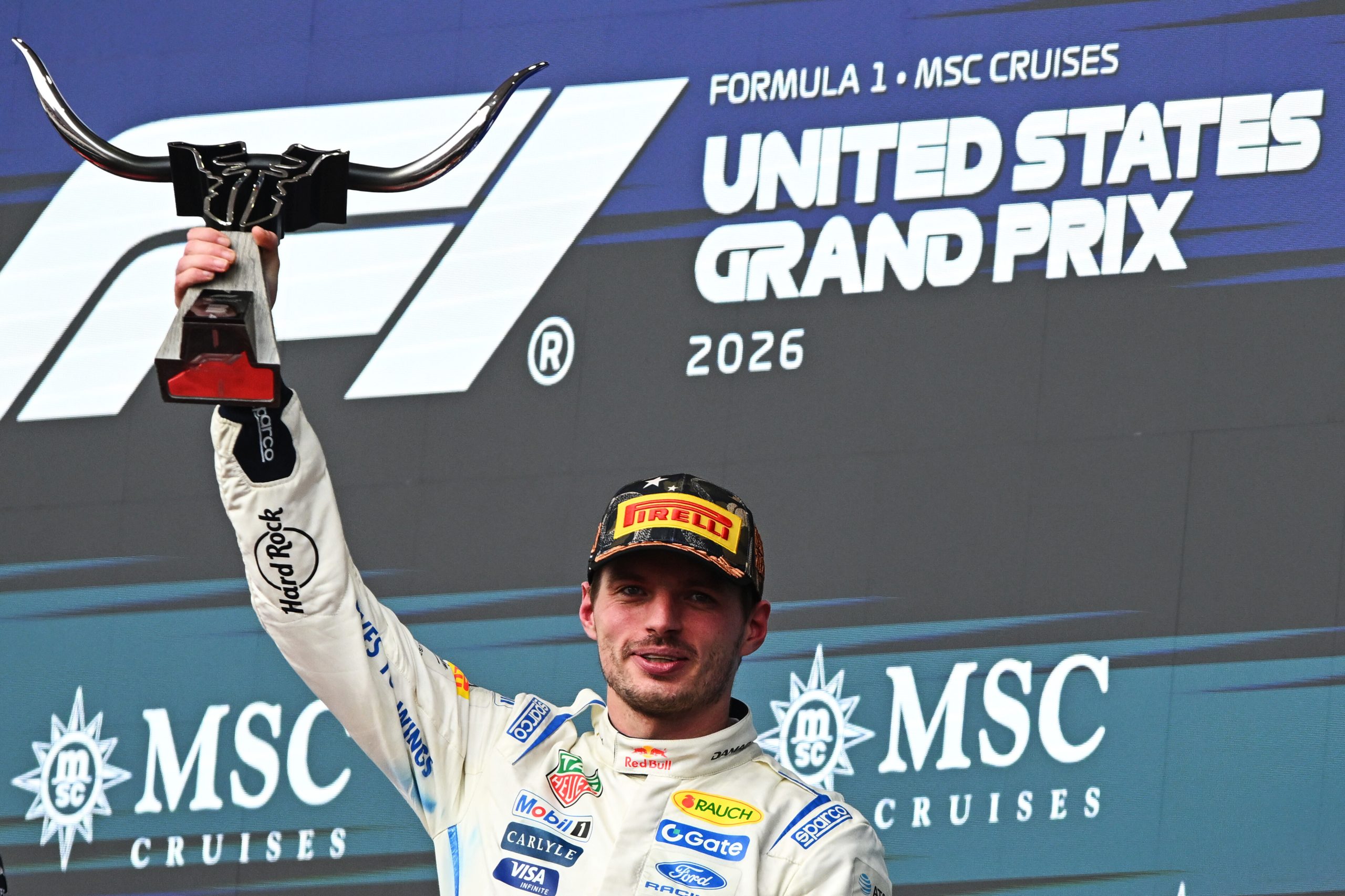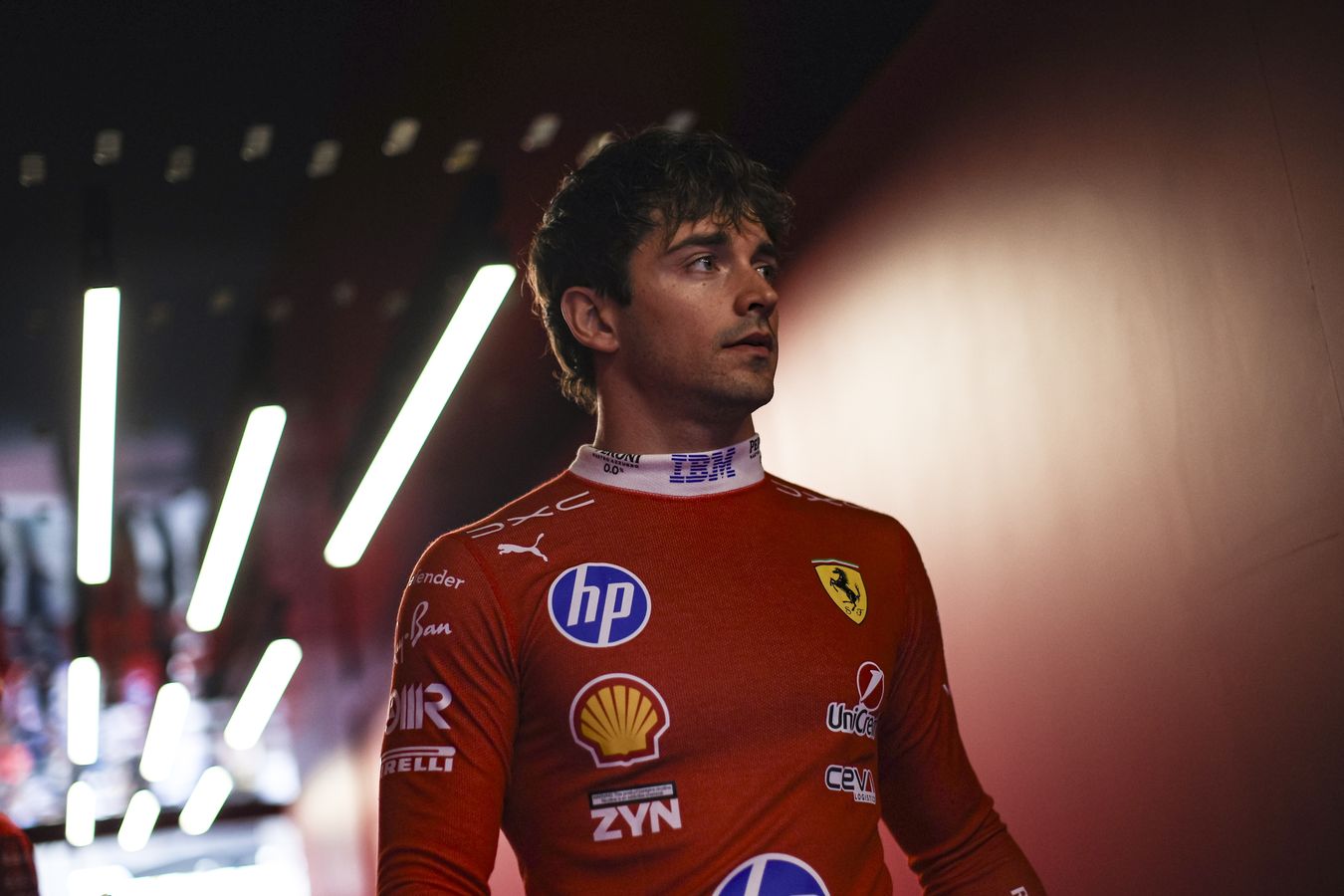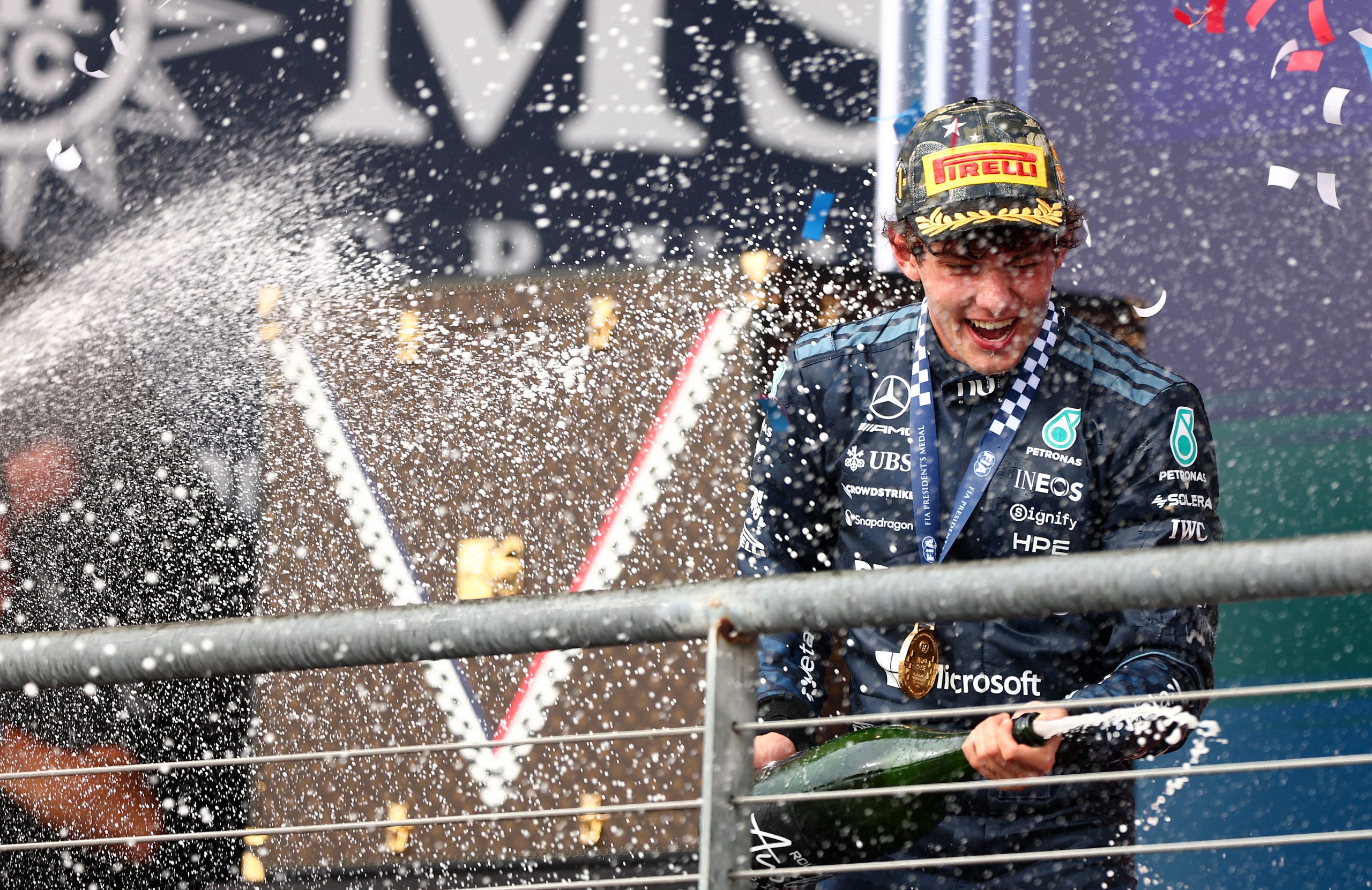
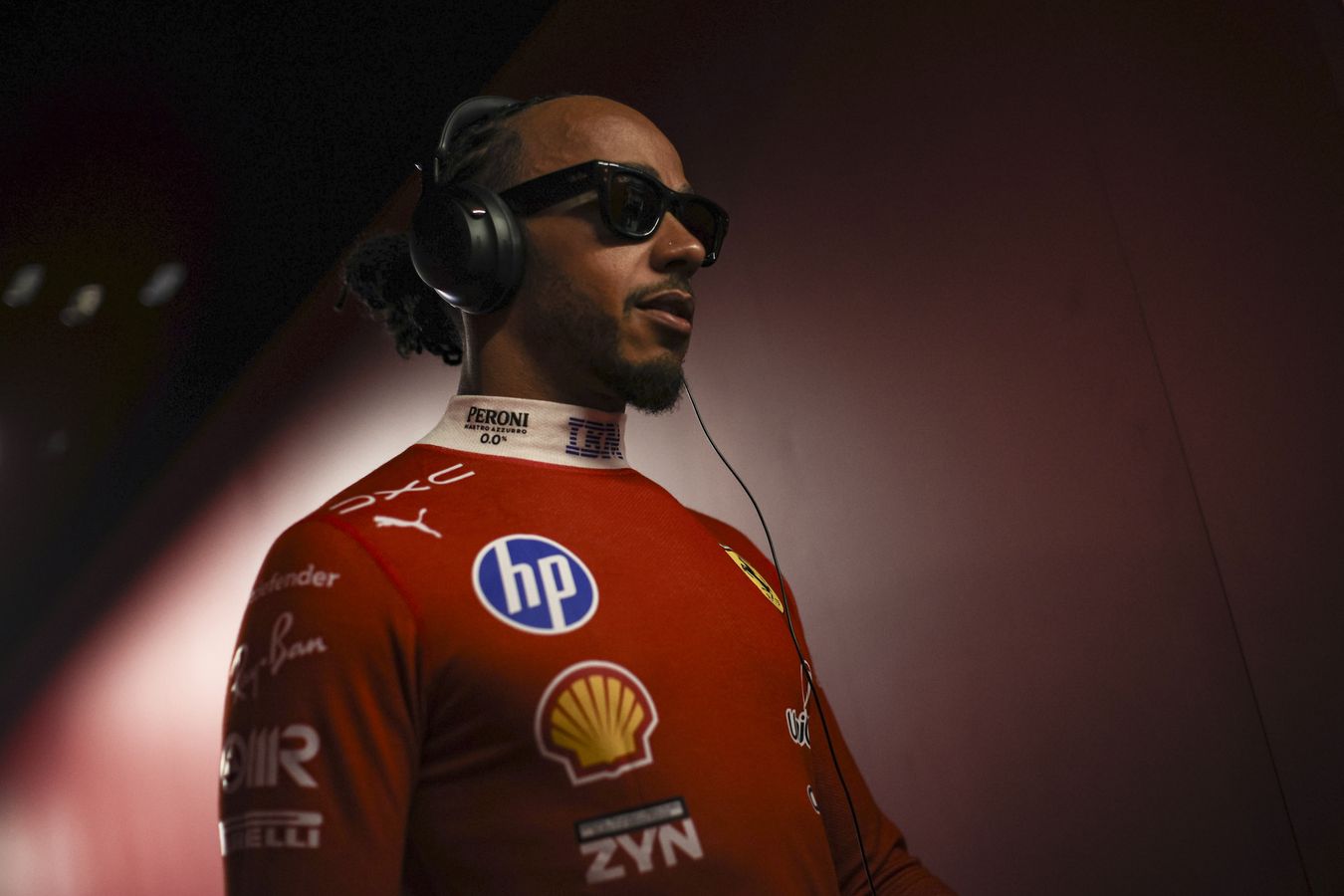
Lewis Hamilton believes Ferrari’s persistent understeer and incorrect setup choices cost him a potential podium finish at the 2026 F1 United States GP, despite recovering to fourth at the Circuit of the Americas (COTA). The seven-time World Champion struggled to match the pace of the leading drivers throughout the opening two stints before demonstrating significantly improved performance on the hard tyres during the closing stages.
Starting fifth, Hamilton briefly challenged for third on the opening lap but struggled with the SF-26’s balance as the race progressed. Although Ferrari made adjustments during both pit stops, the British driver admitted that he only achieved a competitive balance during the final stint, allowing him to overtake Lando Norris for fourth.
However, a late Virtual Safety Car (VSC) interrupted his pursuit of Max Verstappen, denying Hamilton a potential battle for the final podium position. While teammate Charles Leclerc recovered to finish second behind race winner Kimi Antonelli, Hamilton identified Ferrari’s setup decisions as the primary reason he could not challenge the leading trio throughout the race.
Hamilton traces Ferrari’s understeer problems to Friday’s setup decisions at the 2026F1 United States GP
Ferrari entered Sunday’s race having demonstrated strong pace throughout the United States GP weekend. Leclerc topped both FP1 and FP2, while Hamilton led Saturday’s FP3 session, suggesting that the Italian outfit could challenge for victory.
However, Hamilton struggled to maintain that competitiveness during Sunday’s race. The British driver experienced significant understeer throughout his opening two stints, losing valuable time to Leclerc and the other leading contenders.
Reflecting on his difficulties, Hamilton traced the problems to Ferrari’s setup decisions during Friday’s practice sessions.
“I think it’s just I was lacking pace in the first two stints, basically. I just couldn’t turn the car, and I think ultimately it all kind of started on Friday. Wrong setup really for P1, then went the wrong direction in P2, reverted back and got to a better place for P3.
“But there’s a subtle difference between Charles and I and [our] cars, basically, just in the race, and it’s just to do mostly with flap, how much wing you put in. And I think we’ve just been under hitting it, continuously under hit it for some reason.
“When you do the laps of the grid, it feels like the car is good, and then as soon as the race starts, massive washout and understeering. I couldn’t do anything about it, so they just pulled away. I lost those eight seconds, and that’s really why I didn’t get that position.”
Repeated front-wing adjustments help Hamilton recover performance
Hamilton’s difficulties continued throughout the opening half of the Grand Prix, with the SF-26’s front-end limitations preventing him from matching Leclerc’s pace. Although Ferrari had demonstrated competitive performance during Free Practice and Qualifying, Hamilton struggled to achieve the balance he needed over longer runs.
Consequently, he requested additional front-wing adjustments during his pit stops, gradually increasing the flap angle to improve the car’s responsiveness. However, even after making eight clicks of adjustment across both stops, Hamilton believed he still needed considerably more front wing.
“Because through the pit stops I added four clicks, the next pit stop I added another four clicks, and even then I’m still another four clicks too short. And it’s crazy, like, to be 12 clicks down. We really need to look at how we get to that point. But I think it would have been a bit different if we had started with it.
“I think in FP2, where you did the long run, that’s where Charles got the experience on that setup, and I didn’t get the long run on it. So, as I said, put a bit of a back foot.
“But lots of positives to take, and the team did a really great job with pit stops and strategy. And we obviously had a decent pace today, particularly in the last stint. If I had that in the first two, we would have for sure been on the podium.”
Hamilton questions Ferrari’s tyre allocation after hard compound proves strongest at 2026 F1 United States GP
Beyond the handling difficulties, Hamilton also reflected on Ferrari’s tyre allocation after the hard compound emerged as the strongest option during Sunday’s race. The British driver had elected to retain two sets of medium tyres, anticipating that the harder compound would offer fewer advantages.
However, the race unfolded differently, with the hard tyres delivering greater consistency and durability than Ferrari had expected. Hamilton also began the Grand Prix on a used set of soft tyres, which he believed compromised his performance relative to drivers using fresh sets.
“I chose to have two medium tyres because they didn’t think the hard tyre was going to be any good. In hindsight, two hard tyres would have been the better one, but the hard tyre was the best tyre. And then I started on a used soft, which is, from used to new, is two seconds of race time, and it affects the start as well compared to others that are on new.
“But I had a really good start, nearly got to third place or whatever it was, but Charles was on the outside and I didn’t get to capture that.
“But yeah, as I said, there’s lots of positives to take from it, I think. Lots of learnings. I think for the next races, if I can really get on top of this balance issue that I have, I think we can get much better results.
“I think if I had the balance that I need, even if I just had the balancing of the last stint, I would have been right in the fight all the way to the end. But I think even then, another step there, I think we could have probably qualified better. So some good points.”
Ferrari’s contrasting tyre strategies highlight Austin’s challenges
Ferrari’s tyre allocation and strategy choices also reflected the uncertainty surrounding tyre performance at COTA. Friday’s longer runs had suggested that drivers would encounter substantial degradation, encouraging teams to consider strategies that prioritised fresher compounds.
Hamilton began on used soft tyres before switching to mediums during his first stop on Lap 15. However, the handling problems continued to compromise his performance, preventing him from making significant progress against the leading drivers.
Meanwhile, Leclerc pursued a different tyre sequence and demonstrated stronger pace throughout the race. The Monegasque eventually capitalised on the hard compound’s durability to overtake Verstappen and secure second, confirming Ferrari’s competitiveness over a race distance.
Although Hamilton had previously identified Ferrari’s straight-line speed deficit following Qualifying, his post-race comments placed greater emphasis on the car’s balance and front-wing configuration.
The seven-time World Champion believed that Ferrari could have achieved a stronger result had he started the race with the balance he eventually discovered during the final stint.
Hamilton demonstrates stronger pace after switching to hard tyres
Hamilton’s race improved considerably following his final pit stop, when Ferrari switched him to the hard compound with 18 laps remaining. The adjustments to his front wing helped the SF-26 respond more effectively through the corners, allowing him to establish a more competitive rhythm.
As the United States GP entered its closing stages, Hamilton began reducing his deficit to the drivers ahead. Meanwhile, Norris struggled to maintain his earlier pace, allowing the Ferrari driver to move into contention for fourth.
Hamilton eventually overtook the McLaren driver with five laps remaining, securing fourth place and bringing himself closer to Verstappen, who had lost second to Leclerc.
The improvement contrasted sharply with Hamilton’s experience during his opening two stints. Although he could not recover all the time he had lost, his late pace reinforced his belief that Ferrari had possessed sufficient performance to challenge for a podium.
Nevertheless, Hamilton still faced a considerable deficit to Verstappen, leaving him with limited opportunities to mount a challenge before the chequered flag.
Late Virtual Safety Car denies Hamilton potential battle with Verstappen
Hamilton’s pursuit of Verstappen encountered another obstacle when Race Control deployed a late Virtual Safety Car following Valtteri Bottas’ retirement. The Cadillac driver stopped on track, prompting marshals to recover his car and temporarily neutralising the race.
The interruption limited Hamilton’s opportunity to challenge Verstappen during the final laps. Although he believed a battle for third might have developed without the VSC, Hamilton acknowledged that his earlier difficulties had created the substantial deficit he needed to overcome.
“I think probably I would have had to have a little bit of a battle with Max, maybe the last couple of laps. Yeah, that would have been awesome. But as I said, I think it was all a result of the first two stints, where I just lost so much ground, and can’t be giving up that time in the future.
“I really feel like I’m happy with how I drove. It just took two whole stints to try and get this car to turn, and then once it started to turn in the third stint, I was back on pace with the guys ahead. But it’s a big gap to close. It’s eight to nine seconds or whatever it was to car ahead, and those guys were obviously very quick. So I just got to work on not losing that certain force.”
Hamilton ultimately crossed the line fourth, while Verstappen secured the final podium position behind Antonelli and Leclerc.
Hamilton takes positives from Ferrari’s performance despite missing podium at 2026 F1 United States GP
Despite his disappointment, Hamilton identified several positives from Ferrari’s performance in Austin. The team’s competitive pace throughout Free Practice demonstrated the SF-26’s potential, while Leclerc’s second-place finish confirmed that Ferrari could challenge the leading contenders over a race distance.
Furthermore, Hamilton praised Ferrari’s pit stops and strategic execution, recognising that the team had supported his recovery despite the handling difficulties. His stronger final stint also provided a clearer indication of the balance he needs to extract competitive performance from the car.
However, the contrast between his opening two stints and the final run highlighted the importance of improving Ferrari’s setup process. Hamilton believes the team must understand why his car required such extensive front-wing adjustments, particularly after he had already encountered similar limitations during practice.
The seven-time World Champion also sees opportunities to improve his Qualifying performance, having started fifth in Austin, immediately behind Leclerc. A more suitable balance could allow him to challenge for stronger grid positions and avoid losing valuable time during the opening stages of future races.
With Formula 1 heading to Mexico City, Hamilton will aim to apply the lessons from Austin and maintain Ferrari’s improving competitiveness. Although his fourth-place finish fell short of his podium ambitions, the pace he demonstrated during the closing stages provided encouragement ahead of the remaining rounds of the 2026 season.