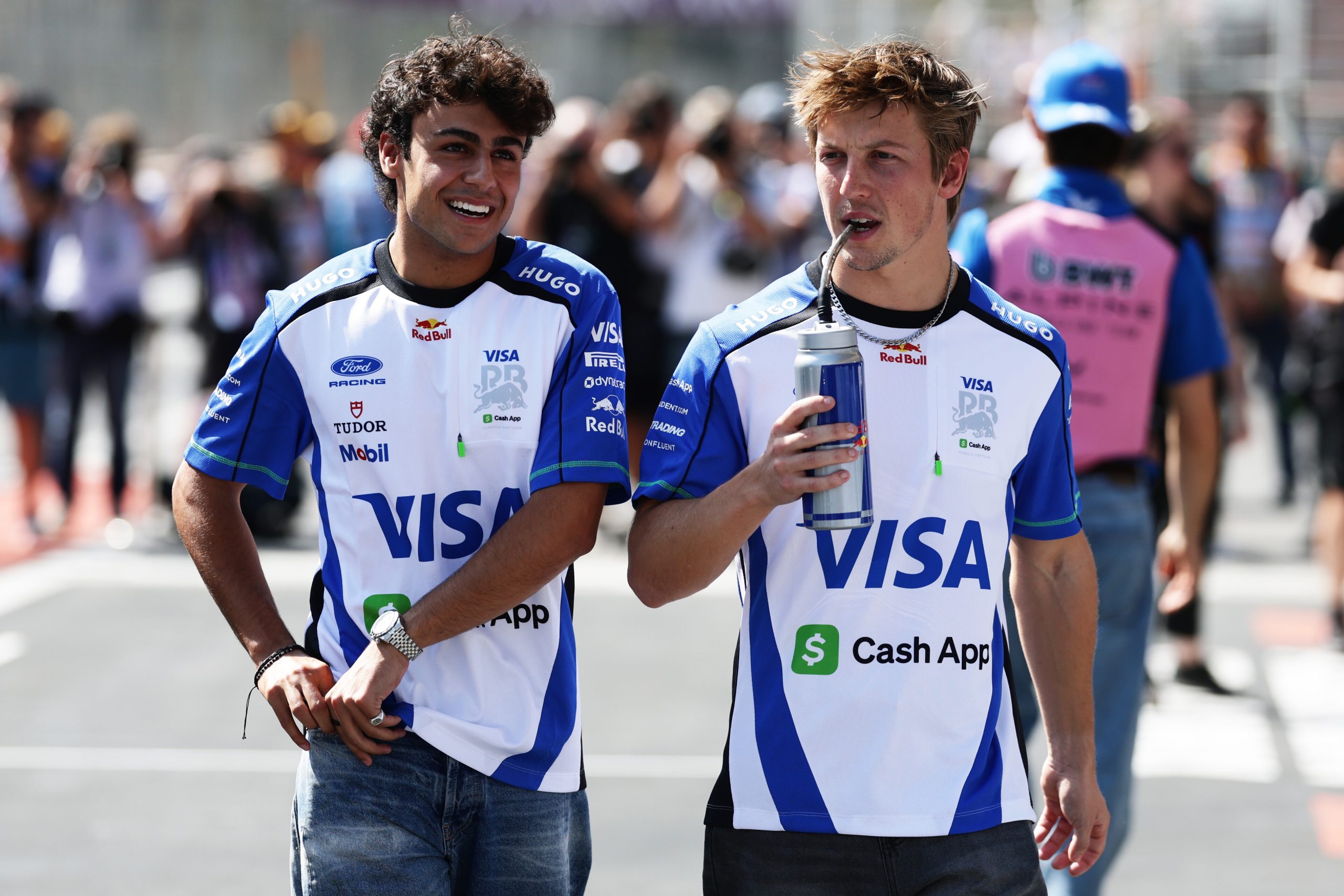
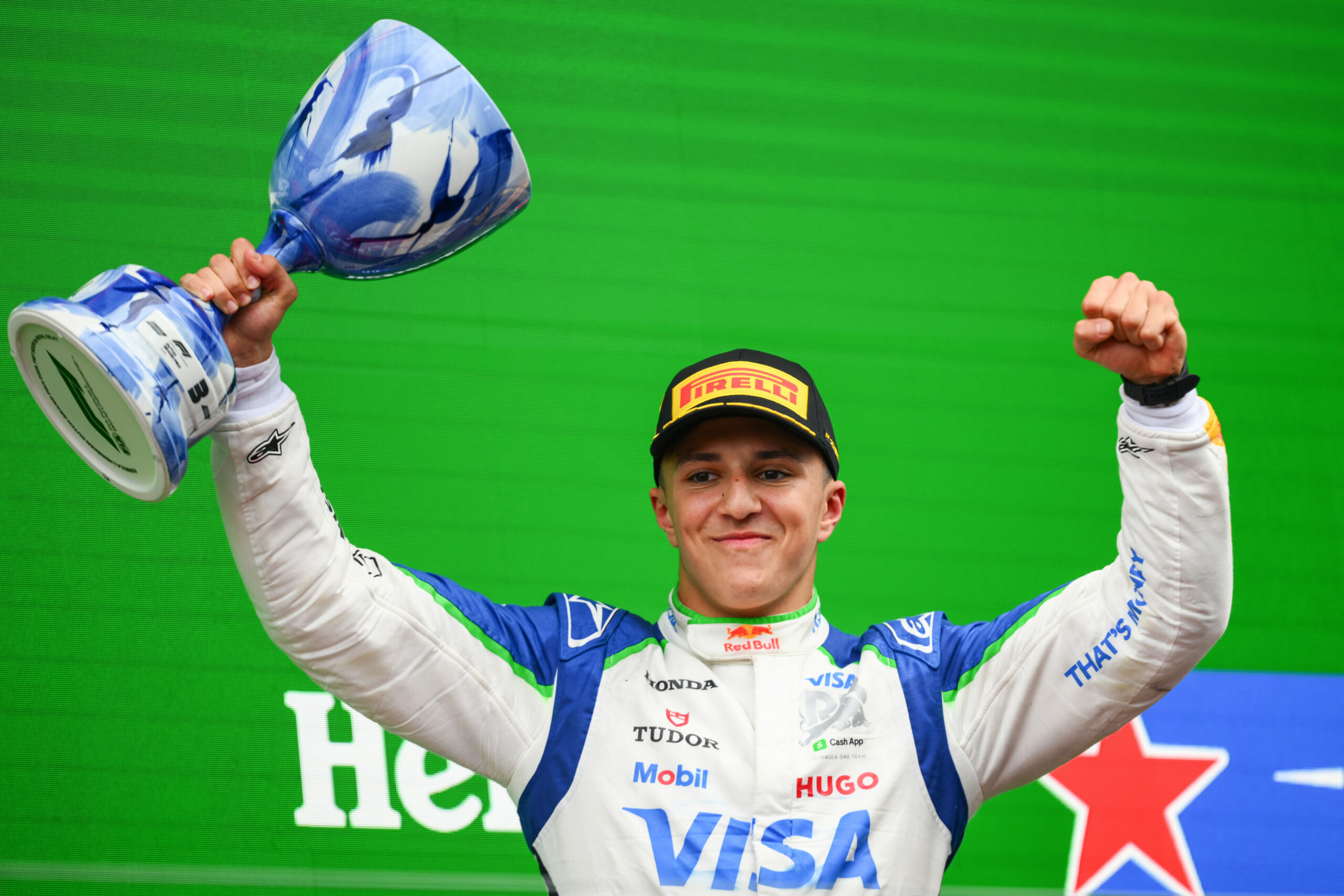
Isack Hadjar has finished just outside the top five in Pit Debrief’s 2025 Formula 1 (F1) Driver Rankings, capping off a rookie season that showcased both high peaks and a steep development curve. The Frenchman stepped up to Formula 1 with Racing Bulls following a strong Formula 2 campaign in 2024, beginning the year alongside Yuki Tsunoda before later partnering Liam Lawson.
Early setbacks, rapid adaptation
Hadjar’s Formula 1 debut could hardly have started in more difficult fashion. In damp conditions at the Australian Grand Prix, he crashed on the formation lap and failed to take the start of his first F1 race. The incident immediately raised questions over his readiness for the category.
However, Hadjar responded decisively. Just two rounds later at the Japanese Grand Prix, he scored his first Formula 1 points. After reaching Q3 for the first time, he converted his starting position into a controlled P8 finish. From that point onward, his qualifying pace became a defining strength, often standing out even against more experienced competitors.
His performance in Monaco was particularly impressive. A P6 finish on a circuit that punishes even the smallest errors highlighted his precision, confidence and growing maturity in high-pressure conditions.
The Zandvoort high
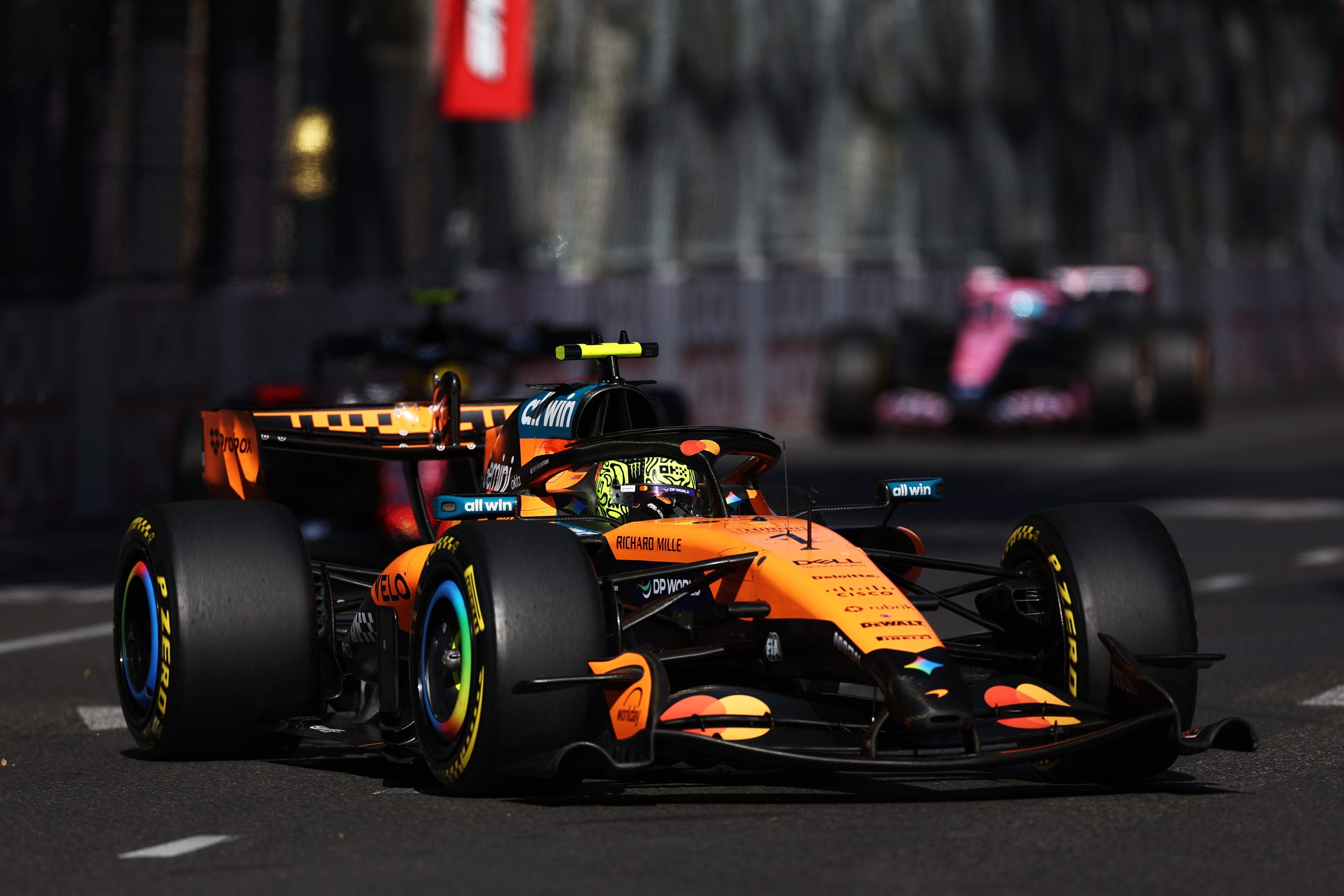
The peak of his season was the Dutch Grand Prix. Capitalising on a chaotic end to the race thanks to Lando Norris’ DNF, Hadjar displayed aggressive race craft and excellent tyre management to claim P3, marking his first F1 podium and Racing Bulls’ first podium finish in five years.
While tyre management and strategic execution required refinement early in the season, both areas showed clear improvement during the second half of the year. Inconsistency still appeared at times, but by the final rounds Hadjar had transitioned from a learning phase into a reliable points contender. That progression only strengthened his position within Red Bull’s long-term plans.
Hadjar vs Lawson
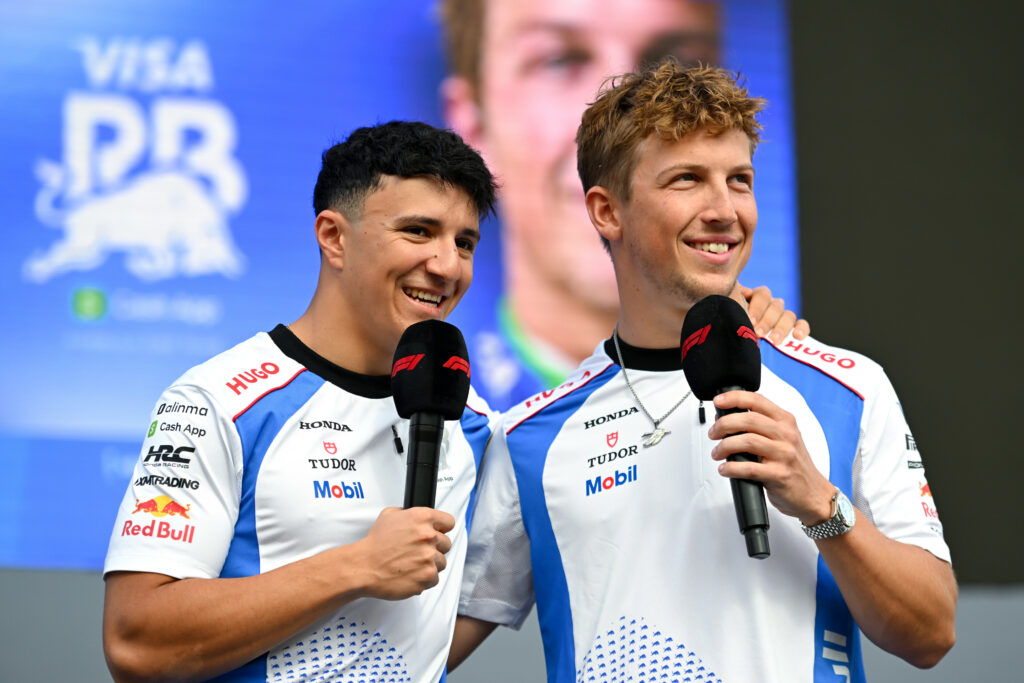
Although Yuki Tsunoda partnered Hadjar for the opening two rounds before moving to Red Bull, the primary comparison across the season came against Liam Lawson. Hadjar finished the year 12th in the Drivers’ Championship with 51 points, while Lawson ended the season 14th on 38 points.
In qualifying, Hadjar held the advantage. He frequently matched or exceeded Lawson over a single lap, showcasing a sharper peak pace. On average, Hadjar held an advantage of approximately 0.15 seconds in qualifying, while Lawson’s baseline was more consistent but often lacked the final edge required to progress to Q3.
Race execution told a more nuanced story. Hadjar produced flashes of high-level race craft but remained vulnerable to strategic swings and tyre degradation at certain circuits. Lawson, by contrast, appeared more controlled and methodical, particularly in damage-limitation scenarios and mixed conditions, which occasionally gave him the upper hand on Sundays.
In terms of points conversion, Hadjar’s ceiling proved higher, highlighted by his podium finish, though his results fluctuated more across the season. Lawson delivered greater consistency, often maximising realistic points opportunities. Ultimately, Hadjar’s raw speed, higher performance ceiling and rate of development carried greater long-term strategic value for Red Bull.
This was also reflective in Pit Debrief’s 2025 F1 Driver Rankings, where Hadjar finished P6, compared to Lawson in P17.
What’s next: Red Bull Racing promotion
Hadjar has been confirmed to race alongside Max Verstappen for the 2026 Formula 1 season, completing one of the most rapid progressions from junior categories to a front-running F1 seat in recent years. His qualifying speed, adaptability and ability to deliver on high-pressure weekends align closely with Red Bull’s preference for aggressive, high-ceiling drivers.
Expectations will be immediate and unavoidable, particularly alongside three-time World Champion Verstappen. However, with Formula 1 entering a new regulatory era in 2026, the competitive order remains uncertain, leaving open the question of how the pairing will ultimately fare.