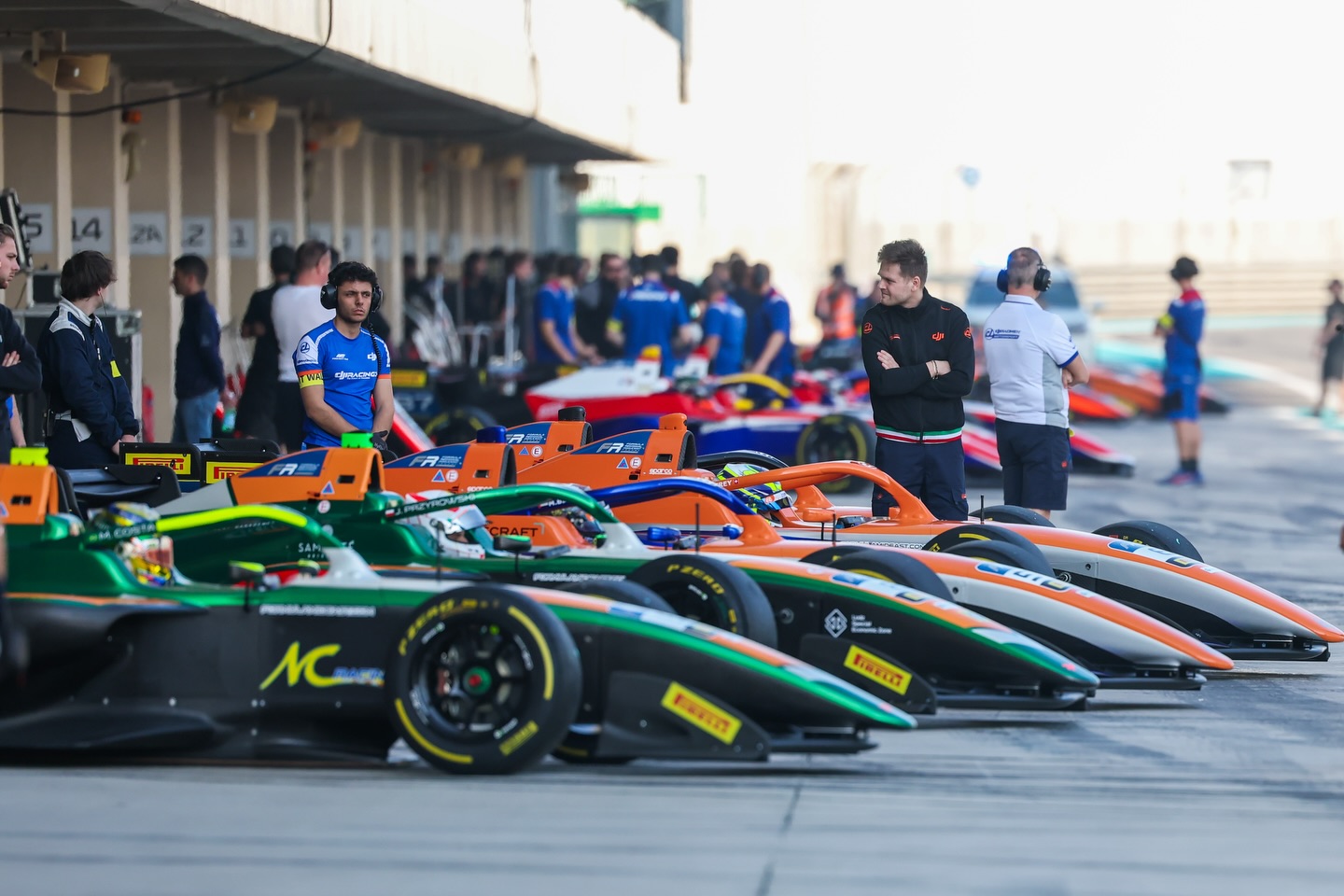
Formula Regional Middle East (FRME) enters a decisive new phase in 2026 as it adopts the Formula Regional Middle East Trophy (FRMET) identity. The change follows the FIA’s introduction of its Regional Trophy framework and marks a shift towards a shorter, more concentrated winter championship designed to balance sporting relevance with logistical flexibility.
This guide outlines everything you need to know about FRME in 2026, from the new car and calendar to the revised sporting regulations and competitive landscape.
A full grid for a new era of FRME
Since its relaunch in 2023, FRME has cemented its reputation as one of the cornerstones of off-season single-seater racing. The series has already crowned several standout champions, including current Mercedes Formula 1 driver Andrea Kimi Antonelli and Ferrari junior Tuukka Taponen. Last season’s title went to Evan Giltaire, who now turns his attention to Super Formula Lights, underlining the championship’s growing influence within the global FIA ladder.
Under the new framework, FRME condenses its calendar into a shorter, tightly-controlled winter window, in line with FIA regulations. The new Trophy format limits the calendar to a maximum of four rounds, all held within a two-month window of the same calendar year. For teams and drivers, the revised structure delivers a more intense campaign without diluting the competitive value of the championship.
A full grid of 32 drivers will contest the 2026 season, competing across 12 races staged at three circuits in the Middle East. The condensed schedule ensures relentless on-track action while preserving the series’ role as a key proving ground ahead of the European Formula Regional season.
A changing competitive landscape
The move to the Trophy format coincides with a significant reshuffle of the entry list. Only four teams return from last season, but the newcomers bring extensive Formula Regional experience, making the 2026 grid one of the strongest yet.
Following ART Grand Prix’s example in 2025, the majority of teams set to compete in Formula Regional Europe later this year will contest the Middle Eastern championship. Alongside Van Amersfoort Racing, MP Motorsport, and Trident, teams such as G4 Racing, RPM, and CL Motorsport will race outside Europe for the first time. Rodin Motorsport will use the series as preparation for its maiden FR Europe campaign.
With all 10 FR Europe outfits represented, Formula Regional Middle East further strengthens its status as the premier winter training ground for the European championship. Pinnacle Motorsport remains the only team without an FR Europe programme, while Mumbai Falcons Racing Limited continues to operate as Prema Racing’s affiliate in the region.
Several established teams step away in 2026. PHM Racing and Saintéloc Racing headline the absentees, alongside Evans GP, Origine Motorsport, and the PHM-aligned Akcel GP squad.
2026 FRME Trophy – Entry list
Rodin Motorsport
- #2 Alex Ninovic
- #4 Reza Seewooruthun
- #18 Maxim Rehm (R)
Trident
- #3 Maksimilian Popov (R)
- #47 Andrija Kostić (R)
- #87 Kai Daryanani
RPM
- #5 Miguel Costa (R)
- #8 Jan Przyrowski (R)
- #99 Giovanni Maschio
CL Motorsport
- #6 Enea Frey (R)
- #28 Zhenrui Chi
- #57 Michael Belov
Van Amersfoort Racing
- #11 Francisco Macedo
- #55 Dion Gowda
- #68 Fu Yuhao (R)
R-ace GP
- #12 Yuki Sano
- #71 Rashid Al Dhaheri
- #73 Gerrard Xie (rounds 1–2)
- TBA Emanuele Olivieri (rounds 3–4)
G4 Racing
- #14 Artem Severiukhin (R)
- #24 Jules Roussel (R)
- #67 Andrea Dupé (R)
MP Motorsport
- #15 Alexander Abkhazava
- #16 Christian Ho (rounds 1–2)
- #17 Alceu Feldmann Neto
ART Grand Prix
- #19 Kabir Anurag (R)
- #27 Matteo Giaccardi (R)
- #89 Taito Kato (rounds 1–3)
- TBA Tasanapol Inthraphuvasak (round 4)
Pinnacle Motorsport
- #29 August Raber (R)
- #41 Alex Powell (R)
Mumbai Falcons Racing Limited
- #51 Kean Nakamura-Berta (R)
- #88 Salim Hanna (R)
- #98 Sebastian Wheldon (R)
A new car for a tight 2026 FRME calendar
The 2026 season represents FRME’s first year as a Trophy series and its fourth overall campaign. The championship begins at the Yas Marina Circuit in Abu Dhabi on 16–18 January, which will also host round two on 23–25 January. Round three takes place at the Dubai Autodrome, before the season concludes at the Lusail International Circuit in Qatar from 11–13 February.
Ahead of the opening round, teams will take part in pre-season testing at Yas Marina, where eight 55-minute sessions across two days will allow drivers to familiarise themselves with the championship’s most significant technical change.
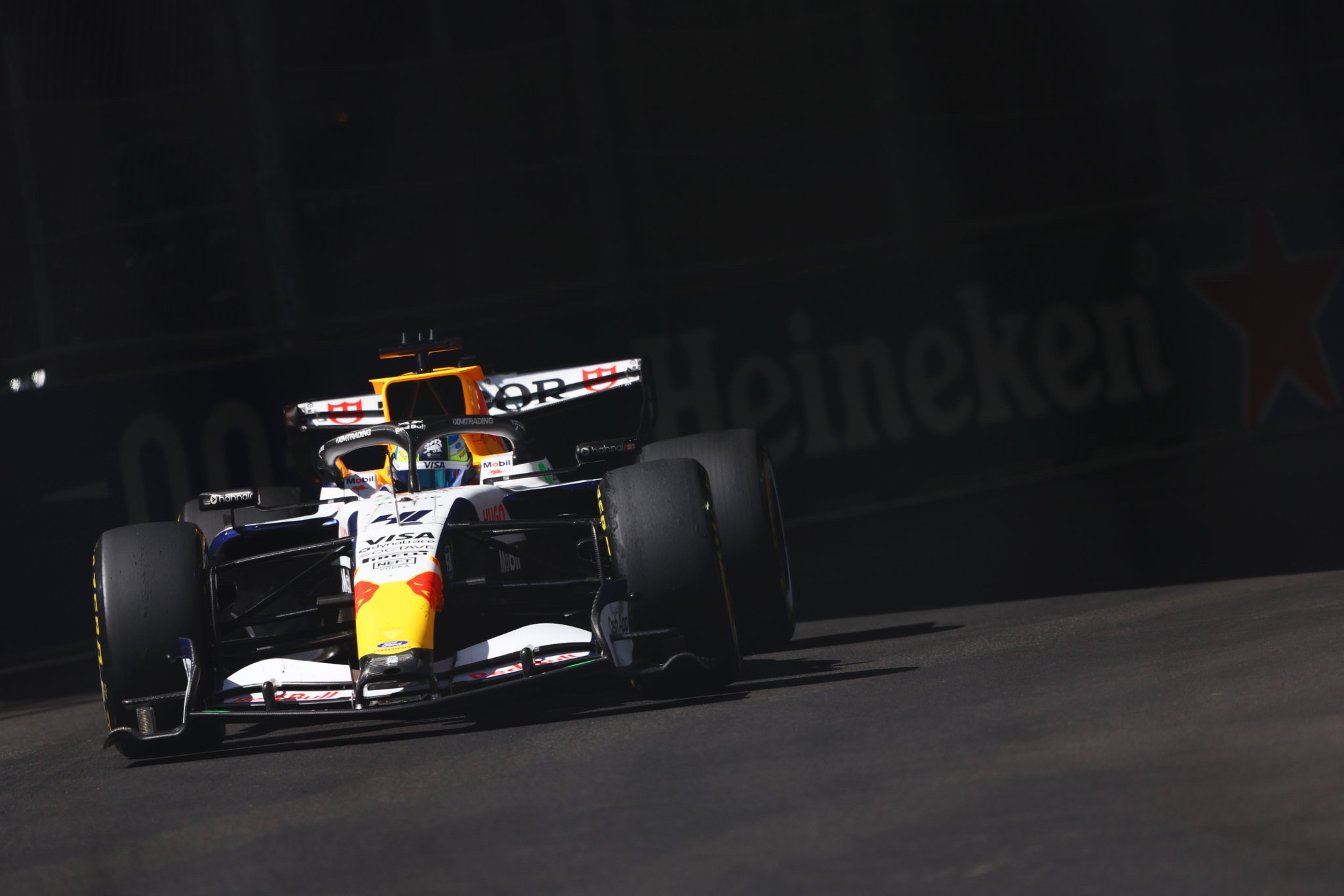
FRME will host the worldwide racing debut of the Tatuus T-326, the first second-generation Formula Regional chassis. Designed as a clear evolution of the T-318, the new car features revised aerodynamics aimed at reducing dirty air and improving overtaking opportunities. Engineers have also strengthened the chassis and refined the suspension to deliver sharper handling and improved consistency over a race distance.
The T-326 will run on Pirelli tyres and use a 1.6-litre, three-cylinder Toyota engine prepared by Autotecnica, ensuring full compliance with the latest FIA safety and performance regulations.
How a 2026 FRME weekend will unfold
While the calendar changes, the sporting format remains familiar. Each round begins with a 60-minute free practice session, followed by two 15-minute qualifying sessions.
Every event features three races, each lasting 28 minutes plus one lap. Qualifying 1 sets the grid for Race 1, while Qualifying 2 determines the starting order for Race 3. The grid for Race 2 is based on the classification of Race 1, with the top 10 finishers reversed.
Round one uses a compressed schedule, with practice, qualifying, and all three races taking place across Thursday and Friday to accommodate additional testing earlier in the week. Rounds two and three follow a Friday-to-Sunday format, while the Lusail finale runs from Wednesday to Friday, mirroring last season’s schedule.
Points and penalties
After experimenting with an expanded points structure in 2025, FRME will return to a more traditional system in 2026. Only the top 10 finishers in each race will score points, and the series will no longer award bonus points for pole position.
The points allocation mirrors Formula 1’s current structure:
- 25 points
- 18 points
- 15 points
- 12 points
- 10 points
- 8 points
- 6 points
- 4 points
- 2 points
- 1 point
With three races per round, a driver can score a maximum of 75 points at each event.
The championship will once again feature a rookie classification, open to drivers born after 2005 who have limited experience in higher-powered single-seaters. Teams must nominate two drivers per round to score points in the teams’ standings, with the same scoring system applied across all championships.
Success in FRME will also contribute valuable points to a driver’s progress toward Formula 1, with Super Licence points being awarded to the top six finishers as follows:
- 6 points
- 5 points
- 4 points
- 3 points
- 2 points
- 1 point
Furthermore, the behaviour warning points (BWP) system introduced in 2025 will remain in place. Drivers who accumulate six warning points will receive a three-place grid penalty, escalating to five places at 10 points and eight places at 14. At 16 warning points, stewards may impose additional penalties at their discretion.
Where to follow the 2026 FRME action
All races will stream live with English commentary on the championship’s official YouTube channel, with selected qualifying sessions also broadcast. Fans can also watch sessions with German commentary on Motorsport Television Deutschland and Italian commentary on Parc Fermé TV. Although practice and most qualifying sessions will not be broadcast live, full timing and classification data will remain available via RaceResults.
Co-Author: Karishma Persad