From 2026, the FIA will introduce a clearer two-tier structure within Formula Regional racing. Although all series remain part of the official FIA ladder, a sharper distinction now exists between Formula Regional Championships and the newly defined Formula Regional Trophies. This change affects calendars, Super Licence points and, crucially, how drivers plan their careers.
Formula Regional’s two-tier future
For several years, winter Formula Regional series blurred the line between development platforms and full championships. Drivers could combine short off-season campaigns with main championships to rapidly accumulate Super Licence points. As a result, the FIA now formalises two formats to restore balance while preserving accessibility and global participation.
Two formats, one FIA ladder
Formula Regional Championships
The established championships – Formula Regional European Championship (FREC), Formula Regional Japanese Championship, and Formula Regional Americas Championship – continue in a traditional format. They run across extended seasons, feature multiple international rounds and demand consistency over many months.
Importantly, these championships carry the strongest sporting rewards. The champion earns 18 Super Licence points, with points awarded down to ninth place. Consequently, they remain the primary stepping stone towards FIA Formula 3, Formula 2 and Formula 1.
Formula Regional Trophies
By contrast, Formula Regional Trophies follow a condensed, high-intensity structure. Under FIA regulations, a Trophy must run three or four events within two consecutive months and include a minimum of nine races.
From 2026, Formula Regional Oceania, and Formula Regional Middle East adopt this Trophy profile. While these series retain FIA Championship status, they now prioritise flexibility, cost control and calendar compatibility over long-season progression.
Calendar design and competitive rhythm
The difference in calendar philosophy defines the two formats. Championships spread competition across longer periods, allowing drivers to develop racecraft gradually and teams to manage performance over time.
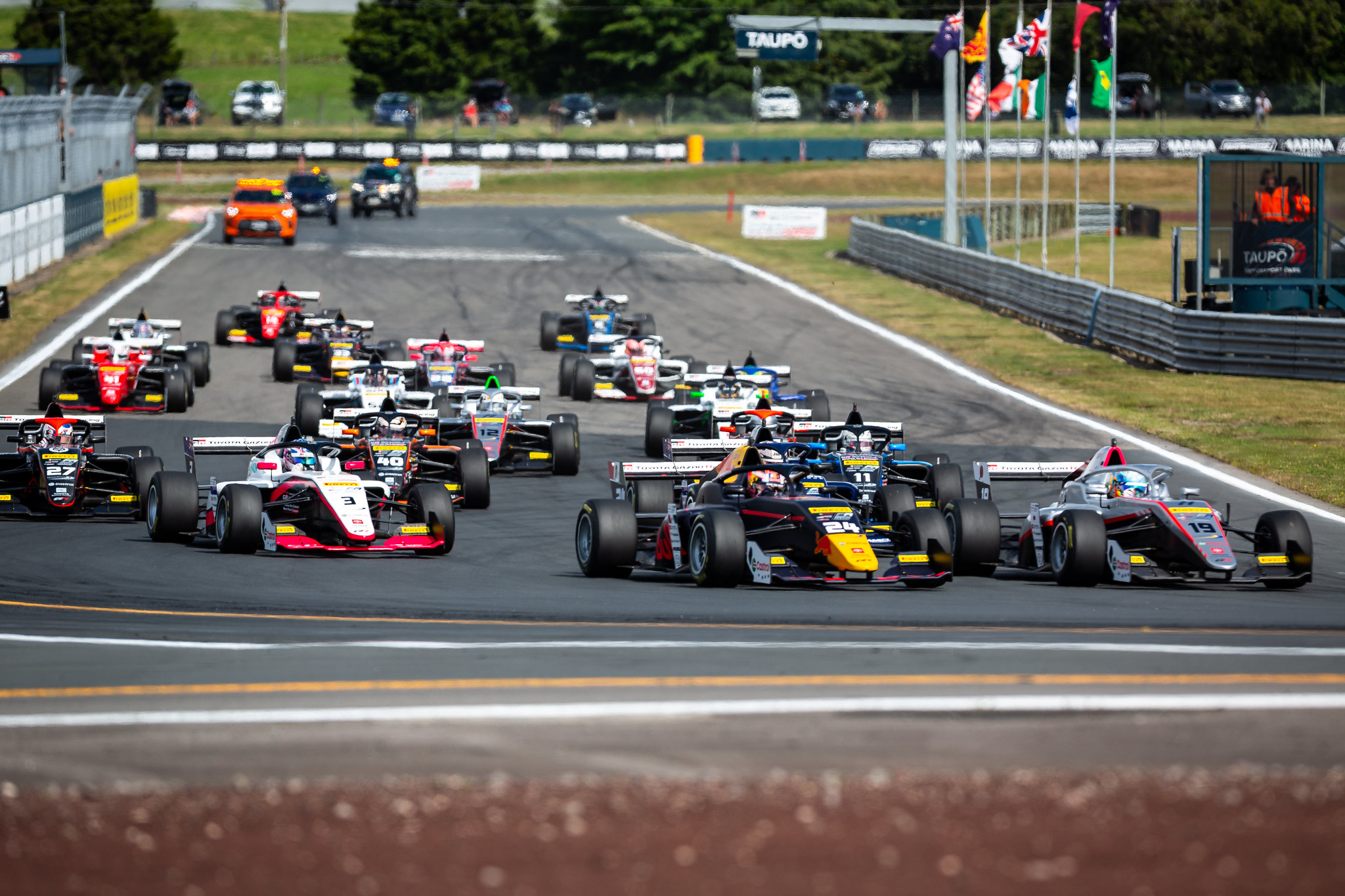
Trophies, however, compress action into intense bursts. The Castrol Toyota Formula Regional Oceania Trophy (CTFROT) exemplifies this shift. Although it retains 15 races, organisers now stage them across four weekends instead of five. This streamlined calendar avoids clashes with European and IndyCar pre-season testing while still delivering more than 2,900 kilometres of racing.
Similarly, the Formula Regional Middle East Trophy (FRMET) condenses its season into 12 races across three circuits between mid-January and mid-February. As a result, teams can integrate the championship seamlessly into their winter preparation programmes.
Super Licence Points: Where the gap widens
Super Licence points now mark the clearest distinction between Championships and Trophies.
- Formula Regional Championships
- Champion: 18 points
- Points awarded down to ninth
- Formula Regional Trophies
- Champion: 6 points
- Points awarded down to sixth
Although reduced, Trophy points still carry value. In recent seasons, winter campaigns helped drivers such as Arvid Lindblad, Freddie Slater, James Wharton, and Tuukka Taponen accelerate their eligibility for higher categories. However, from 2026 onward, the Trophy format rewards success without allowing drivers to bypass the core ladder.
Championships vs Trophies; development versus progression
Ultimately, the two formats serve different purposes. Formula Regional Championships remain the primary progression route. They reward consistency, adaptability and sustained performance across diverse conditions.
Formula Regional Trophies, on the other hand, function as development accelerators. They allow drivers to stay race-sharp, adapt to new machinery and experience high-pressure racing in a short timeframe. For example, FRMET will debut the Tatuus T-326, the second-generation Formula Regional car, giving competitors early exposure ahead of European campaigns.
Accessibility, cost and global reach
The Trophy model also improves accessibility. Shorter calendars reduce travel and logistical costs, making international participation more feasible. In Oceania, the revised format removes long-standing clashes that previously prevented European and American prospects from committing to a full season.
As Toyota GAZOO Racing NZ highlights, value for money, high mileage and professional standards remain central. Therefore, although Super Licence points decrease, sporting and developmental value does not.
A clearer, fairer Formula Regional pathway
In conclusion, Formula Regional Championships and Formula Regional Trophies now play clearly defined, complementary roles. Championships deliver maximum points and long-term progression. Trophies provide intense, globally accessible platforms for preparation and development.
By formalising this split, the FIA strengthens the junior single-seater ladder. From 2026 onward, drivers advance not through calendar opportunism, but through sustained performance, preparation and merit.