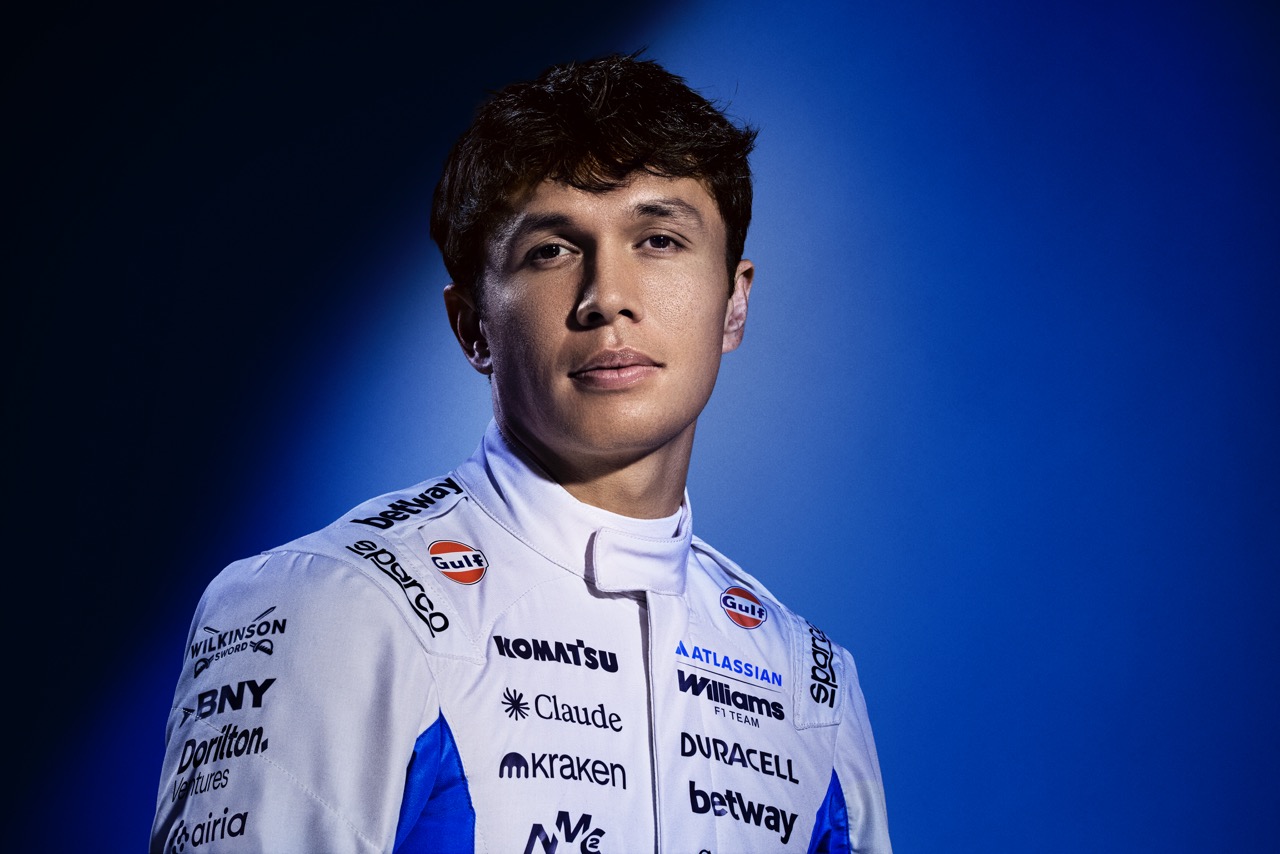
Alex Albon approached the 2026 F1 season carrying a unique position within Williams, acting as both a reference point and a symbol of continuity during a period of major change in the sport. With new technical regulations set to reshape the competitive order, Albon’s experience offered stability to a team that had spent several years rebuilding its foundations. His long-term commitment reflected not only personal belief, but also Williams’ growing confidence in its direction as it aimed to turn progress into sustained competitiveness.
Albon, Williams and F1: A record built on belief
Albon’s status as the most-started driver in Williams’ history marked a significant milestone ahead of the 2026 F1 campaign, highlighting a relationship built on trust and persistence. While the expanding race calendar played a role, longevity alone did not explain the achievement. Albon remained with Williams through some of its most challenging seasons, choosing continuity over short-term opportunity. In the context of modern F1, that decision underlined belief in the project and a willingness to invest in long-term progress rather than immediate reward.
“It does feel strange to be thinking of myself as the longest driver in Williams. Maybe that’s partly down to how many races we do, but still, I think it just shows how much I believe in the team. I think it shows that I’ve been a part of this journey from the very beginning, and I still believe in it, so that’s why I’m here.”
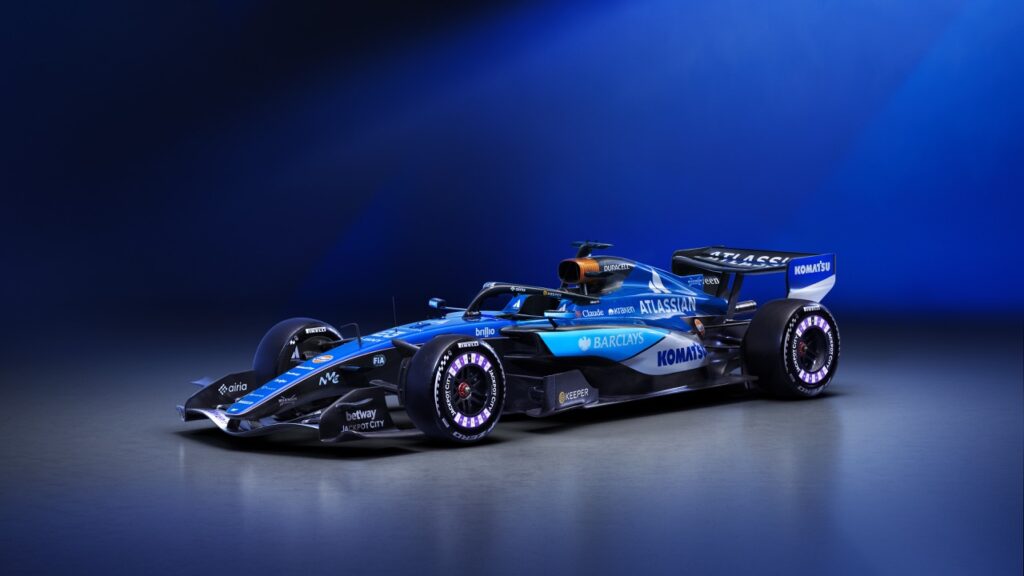
A defining reset for Williams in 2026
The 2025 season represented a clear step forward for Williams, with Albon identifying it as the team’s strongest campaign in recent memory. Performance became more consistent across the calendar, replacing the sporadic peaks that had previously defined the team’s results in F1. Looking ahead to 2026, however, uncertainty returned. A new power unit and an entirely new car placed added pressure on every department, with Albon viewing the regulation reset as a genuine test of how much Williams had evolved behind the scenes.
“Looking back, I feel like 2025 was our strongest year yet, and it’s great to see how every year we’ve just gone from strength to strength. I think that this year it’s no secret it’s going to be a big challenge. I think the test of having a new PU as well as a new car itself is putting a lot of stress on all teams. I’ll be interested to see where we come out. I think it’s going to be less tight than it was last year, but at the same time, I’m interested to see the progress we’ve made as a team.”
Confidence forged at Grove
Much of Albon’s confidence stemmed from developments away from the track. At Grove, Williams implemented structural and cultural changes aimed at supporting long-term competitiveness in F1. Leadership decisions, revised working practices, and clearer strategic direction reshaped daily operations. Albon believed these internal steps mattered as much as performance on track, reinforcing the sense that Williams was moving towards the standards required of a team with championship ambitions.
“I think that the belief that I have is more just from what I see back at Grove. I think the changes that James is making at the factory, the culture in the team and the way that it’s shifting, it’s all going in the right direction and it’s what I believe the team needs to be like to become a championship winning team in the future. We’re still in our growing phase and there’s still many years ahead of us but we’re on the right path.”
Albon and Sainz shaping Williams’ future in F1
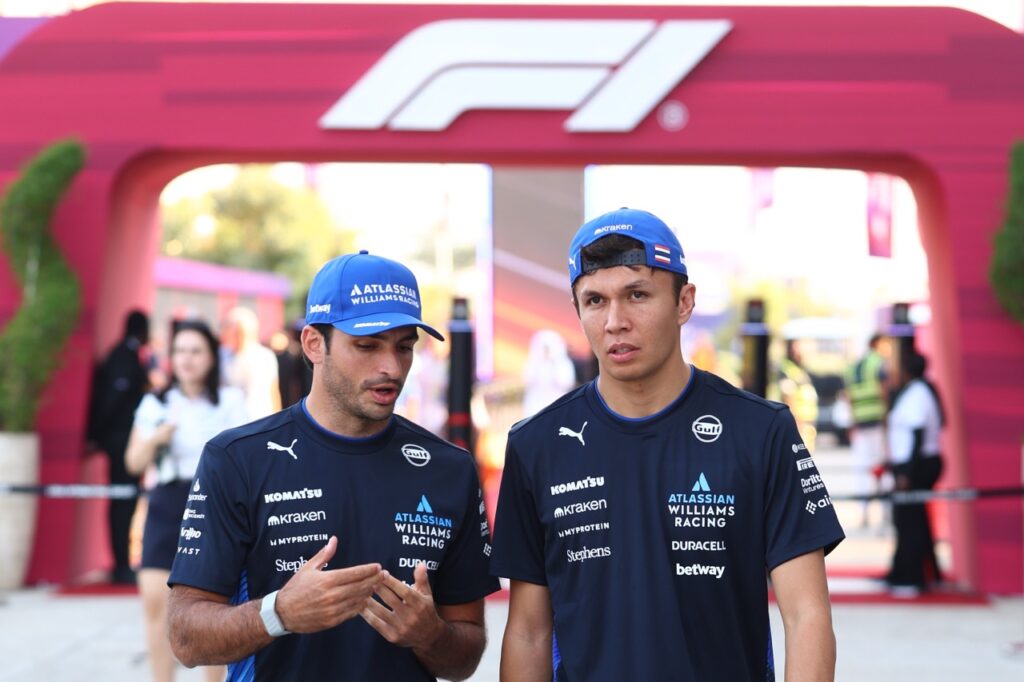
Entering a second season alongside Carlos Sainz, Albon described a partnership strengthened by shared experience. Increased familiarity improved communication and allowed both drivers to provide more aligned technical feedback. In F1, such cohesion between experienced teammates is rare, particularly during a regulatory reset. For Williams, the pairing offered a valuable advantage as the team prepared to define its development direction for the new era.
“Carlos [Sainz] and I, obviously, it’s our second year now and with that comes more experience, more knowledge of each other as well. The communication that we have and the areas, I would say that it’s more that Carlos [Sainz] has an understanding of what areas the team need to grow in, and I think that as we spend more time, we’re more and more aligned on the areas that we want the team to focus on.
“I do think it’s quite rare, the position that we have as a team, we’ve got two drivers that are fairly experienced – one doing the most races for Williams and the other one who’s spent a lot of races in general in Formula 1. I think, as a combination, it allows us to really focus on the development of the car and the team, which I think will be important for the year ahead.”
Why P5 changed the outlook
Williams’ fifth-place finish in the Constructors’ Championship reshaped internal expectations rather than serving as an endpoint. For Albon, the result reflected consistency across an entire F1 season rather than reliance on isolated strong performances. The team delivered points regularly and executed under varied conditions, signalling a growing maturity. That achievement reinforced belief within Williams that the foundations were now in place to build further progress.
“Personally, P5 in the Constructors Championship was great, but I think more than anything it was important for the team to feel it. It felt like a result where clearly a championship is not won over one race – it’s all races combined where you have to be consistent. You have to deliver, when times are tough, when times are going well, and I feel like, as a year, that was a very complete year from the whole team. We’ve seen in previous years we’ve been quite a peaky team, not the most consistent and if anything, the P5 consolidated this feeling to the whole team that we’re here now and we’ve got the right foundations to build on.”
Williams and Albon preparing for a new generation of F1 cars
Preparation for the 2026 regulations began well in advance, with Albon heavily involved in simulator work during the latter stages of 2025. The new generation of F1 cars demanded a different driving approach, placing greater emphasis on adaptability.
Albon stressed the importance of remaining open-minded, recognising that experience gained with previous Williams machinery could not be applied directly. Extensive winter preparation aimed to ensure both drivers and engineers entered the new season as prepared as possible.
“Starting off this year, the preparation has already started, and to be honest with you, midway through last year we’ve been hard in the simulator, figuring out what kind of driving style we need. There’s a huge element of adaptability for the driver and staying open minded. Everything that we’ve learned from previous years, we can’t forget them, but we have to also be in a place mentally where we accept that it could be a totally different ballgame. And so, that’s going to be interesting and there’s a lot of discussions, a lot of meetings going ahead over this winter break to get us in the best place possible.”
Measuring success in 2026
For Albon, success in 2026 would be defined by progress rather than fixed championship positions. Williams entered the new regulations as an established midfield contender in F1, providing a clear baseline for evaluation. The focus lay on development rate, resilience, and the ability to respond to rivals across a long campaign. Albon believed that finishing the season closer to the front than where it began would confirm that Williams remained on an upward trajectory.
“A successful year will be progress, and I think we’ve established a good baseline in 2025. I think that we’ve established ourselves as the top midfield team and what I’m looking for is progress. The year is going to start wherever it starts and it’s about the adaptability and the resilience to fight in what will inevitably be a catch-up game and to develop our rivals as quickly as we can. And if we finish the season closer than where we started, then we should be in good shape for next year.”