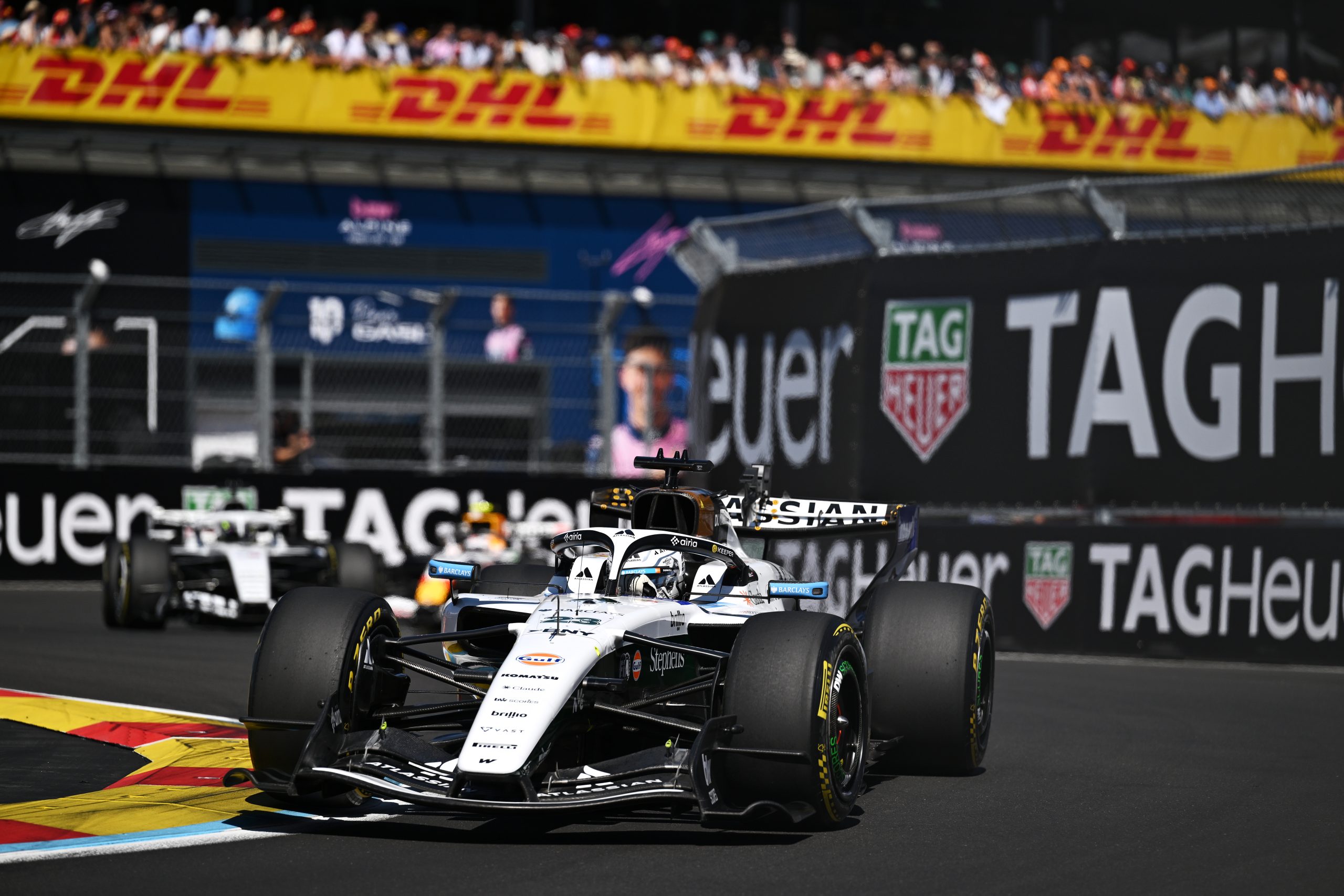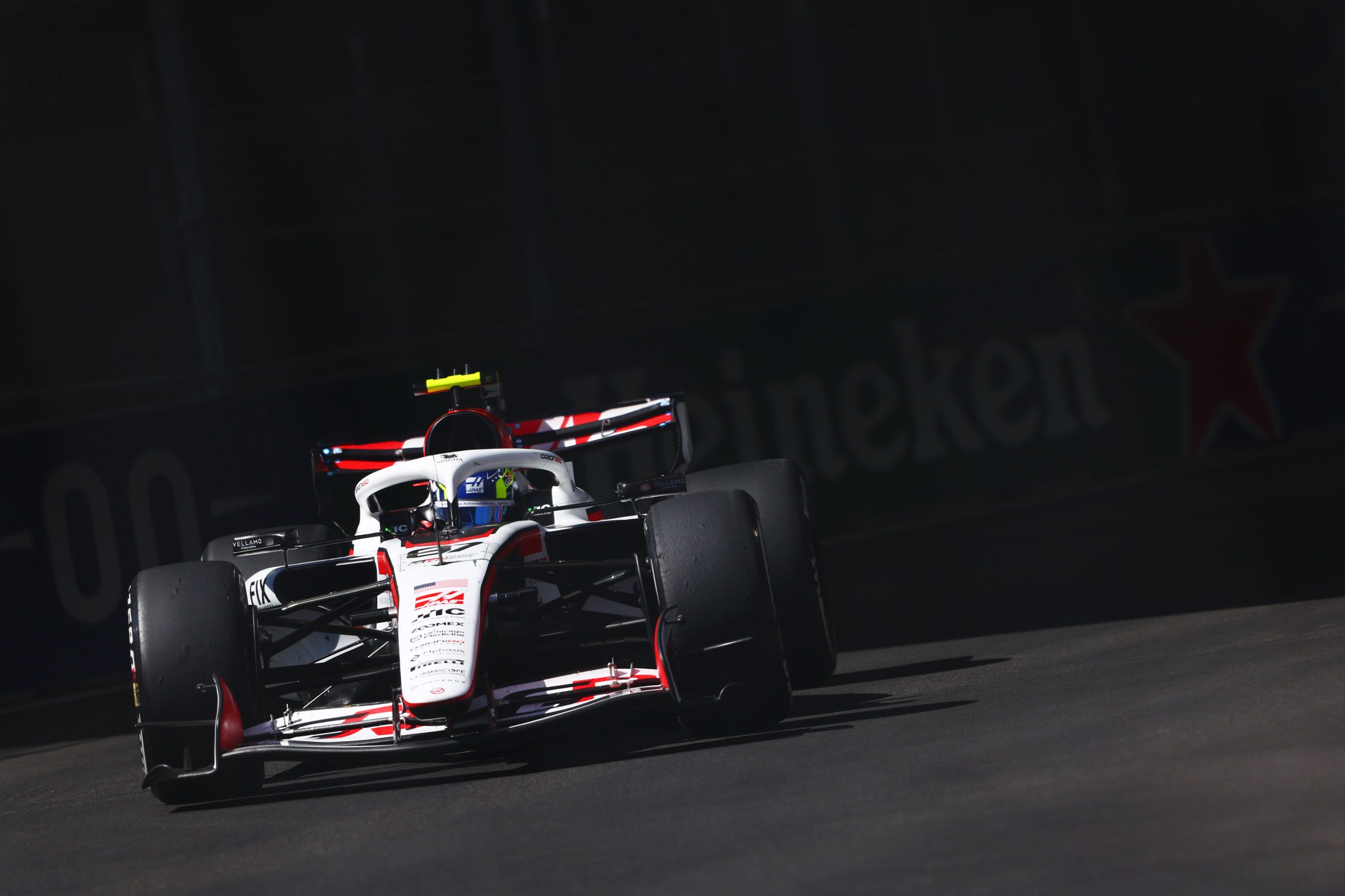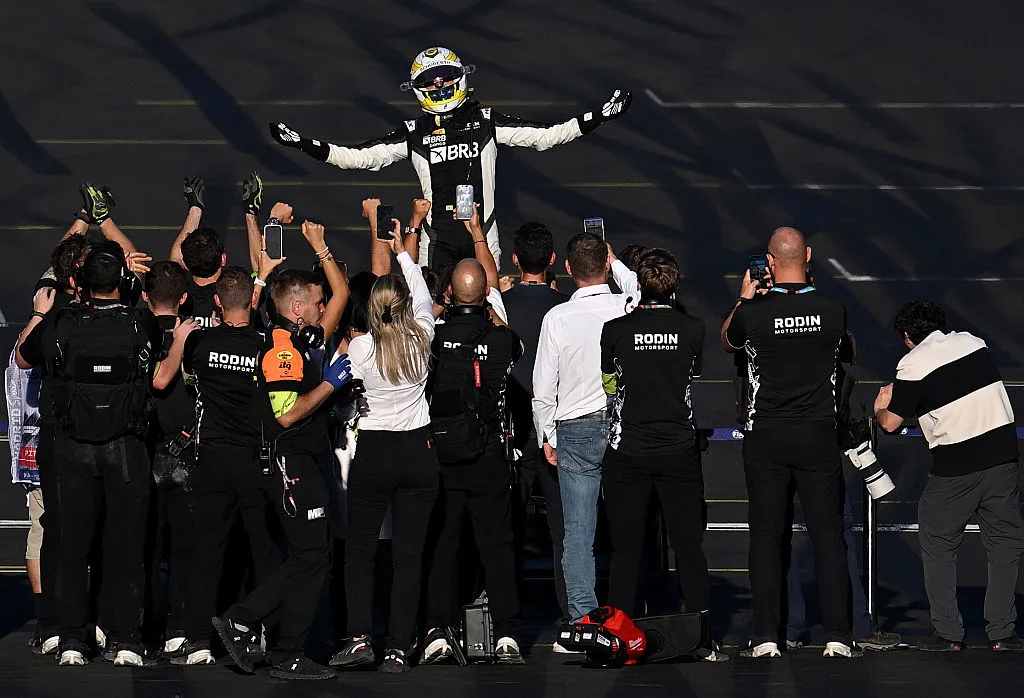

The conclusion of the 2026 F1 Barcelona shakedown marked a huge milestone for Audi. They officially commenced their journey as a full works team and power unit manufacturer. The three days of running served as a stark reminder for the four rings of the technical steepness associated with the 2026 regulation reset.
For Mattia Binotto, Audi’s Chief Operating and Chief Technical Officer, the week was defined by the transition from theory to the harsh reality of the racetrack.
Initial hurdles and emotional milestones
Mattia Binotto acknowledged the gravity of seeing the Audi power unit break cover in an official capacity. However, he was quick to balance the sentiment with a realistic assessment of the team’s early reliability struggles.
“I think emotional because the very first, let me say, official testing for Audi in F1 for us is the beginning of our experience as a team, as a power unit manufacturer,” Binotto stated.
The early phases of the shakedown were far from seamless. The team was forced to troubleshoot several systemic issues that hampered their initial run plan. Bortoleto and Hülkenberg both got hampered by it.
“If you look at the very first day, a lot of problems, stopping us, slowing down the run plan as well on day two,” Binotto admitted.
Despite this staggered start, the team managed to find a rhythm as the event progressed, culminating in a more productive final day.
Reliability and technical learning
The most critical focal point for any new manufacturer remains reliability. Audi’s experience in Barcelona highlighted the “small” but persistent issues that arise when integrating a complex 2026 hybrid power unit with an all-new chassis.
Mattia Binotto characterised the problems as non-dramatic but essential for the learning process.
“The reliability is always very critical, but we had several problems. A small one, not dramatic,” he noted, emphasising that every failure provides valuable data.
The team’s priority was simply to keep the car on track to gather baseline figures on energy management and power unit drivability. Binotto explained the current mindset:
“There is a lot to learn and we are learning a lot […] the more we run, the more we learn and I think we are really at that stage.”
Driver feedback and correlation
The shakedown was particularly vital for Gabriel Bortoleto. The Brazilian driver faced a frustrating start to the week with limited mileage. Getting him comfortable with the intricacies of 2026 energy management was a primary objective for the final morning.
According to Binotto, Bortoleto was “very, let me say, anxious to have some experience on track, to understand the car, the energy management, the power unit, drivability and all those matters.”
Securing laps on the final day allowed both Bortoleto and Nico Hülkenberg to begin the crucial process of simulator correlation.
“For him, that’s very important because now he can be back as well at the simulator with some experience correlating what he has felt here on track compared to the simulator itself,” Binotto added.
This feedback loop is essential for refining the car’s setup before the field moves to the more representative conditions in Bahrain.
Prospective outlook: The road to Bahrain
As Audi transitions from the shakedown to official pre-season testing, the workload back at Neuburg and Hinwil is set to intensify. Binotto described the post-Barcelona checklist as unprecedented in scale.
“It’s a lot of work for the entire team […] fixing all the problems, design, operationals, whatever we have seen. So it’s really for us, no stones unturned,” he warned.
Audi leaves F1’s Barcelona shakedown with a clear understanding of the mountain they have to climb before the season opener. Binotto concluded with a sobering look at the challenge ahead: “We’ve got a very long list, a very, very long list. I’ve never seen such a long list.”
Despite the obstacles, the commitment remains high to ensure the team arrives in Bahrain in a significantly more refined shape.