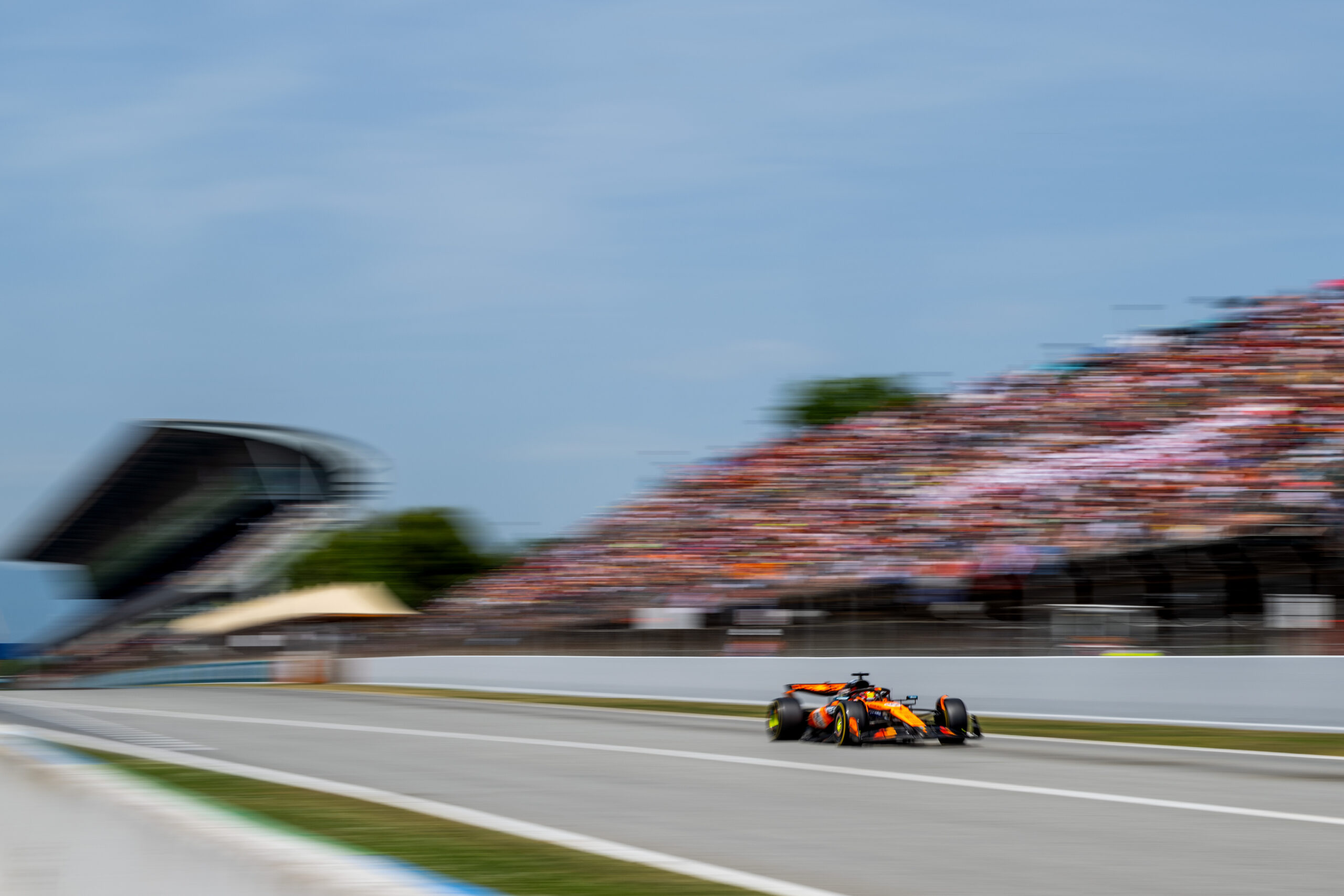
The European heart of the racing calendar remains intact as F1 confirms a significant multi-year agreement with Circuit de Barcelona-Catalunya. This formal announcement of the extension ensures the circuit remains on the schedule through the end of the decade.
This move settles months of speculation regarding the future of the venue, especially after the new circuit in Madrid, known as Madring. Consequently, the sport maintains its presence at one of the most technically demanding facilities in the world. The circuit also hosted a shakedown in January ahead of the new technical regulations in 2026.
Technical stability and geographic roots
Maintaining this venue is a strategic decision for the teams. The circuit serves as the ultimate benchmark for aerodynamic efficiency. Because the layout features a mix of high-speed sweeps and technical sectors, it provides the most accurate data for car development.
By securing the extension of the F1 Barcelona Circuit, the FIA ensures that teams continue to race on a track they know intimately.
The regional government has also pledged significant investment as part of the deal. They aim to modernise the aging infrastructure to meet modern hospitality standards. This financial commitment was a primary driver in finalising the extension of the F1 Barcelona Circuit.
Stefano Domenicali, President and CEO of F1, emphasised the strength of this partnership during the announcement.
“I am delighted that we will continue to race in Barcelona,” he stated. “The promoter and the authorities have shown an incredible commitment to modernise the facilities and the fan experience, and we are excited to continue our journey with this historic venue as we grow the sport globally in the years to come.”
This financial commitment was a primary driver for F1 to finalise the extension with Circuit de Barcelona-Catalunya.
Navigating the global calendar
The sport is currently expanding into new markets like Madrid and the United States. While the calendar features high-profile street races in the US with Miami and Las Vegas, this extension proves that traditional European permanent tracks such as the Barcelona Circuit still holds immense value in F1.
This announcement proves that the sport is willing to balance the neon-lit spectacles with the grit of classical racing roots.
Under the new agreement, Barcelona will host Grands Prix in 2026, 2028, 2030 and 2032 as part of a rotational model. The event will alternate with the Belgium Grand Prix at Circuit de Spa-Francorchamps from 2027, which occupies the intervening years.
This rotational framework mirrors F1’s broader strategy to preserve historic European venues while accommodating an increasingly crowded global calendar.
Transitioning into this new era requires a blend of modern destination cities and established racing facilities. The extension also benefits the local economy, which sees a massive influx of tourism during the F1 Spanish Grand Prix weekend.
Furthermore, the track remains a favourite for engineers who rely on its layout as a technical benchmark for aerodynamic efficiency.
Prospective Outlook
As the 2026 regulations changes approach, having a stable racing venue is vital for data correlation. The extension provides a consistent environment to measure the performance of the next generation of power units. Engineers rely on the “Barcelona baseline” to understand how new aero packages reach to high lateral loads.
Even within a rotational format, Barcelona’s technical significance remains unchanged. Its predictable conditions to provide invaluable data for teams navigating the sport’s next regulatory cycle.
Ultimately, the extension provides clarity for fans and sponsors alike. The sport is moving fast, yet it refuses to leave its foundations behind. Rather than disappearing from the calendar amid expansion, the F1 Barcelona circuit secures its legacy through adaptation rather than permanence with this extension.
With the contract now secured through 2032, the focus shifts back to the track, where the tarmac of Catalunya will continue to test the best drivers in the world.