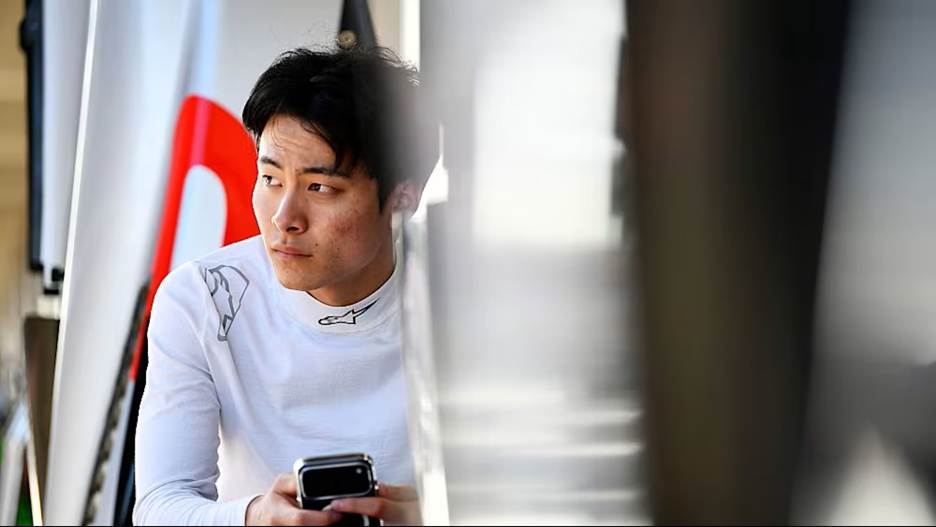
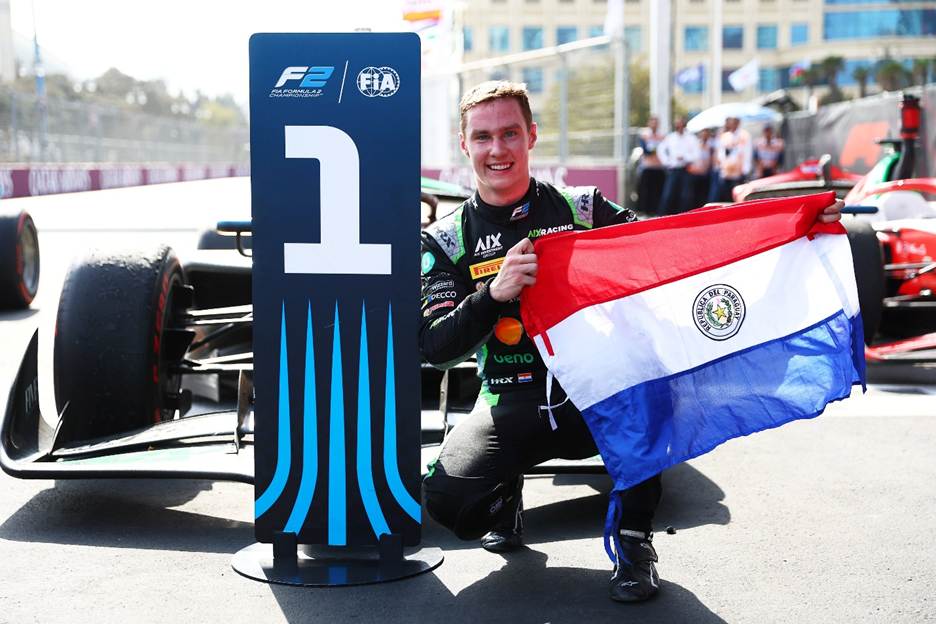
As Paraguay accelerates into a new era of sporting ambition, motorsport, embodied by F2 driver Joshua Dürksen, stands as both a symbol of progress and a reminder of the deep-rooted barriers that still challenge the country’s young athletes. Paraguay is hosting global events, investing in infrastructure—including in motorsport—and building new sporting institutions. However, beneath this momentum lie the structural obstacles that athletes like Dürksen continue to face daily.
In the final part of an exclusive interview with Pit Debrief, Dürksen and his manager, Eduardo Sánchez looked beyond the podiums and celebrations. They addressed the difficulties that frame the single-seater landscape in Paraguay: economic constraints, limited sponsorship potential, an underdeveloped industry, and the challenge of transforming passion into long-term, sustainable growth. Their reflections revealed not only what Paraguay has achieved so far, but what must come next if the nation is to secure a lasting place in international single-seater motorsport.
The economic reality behind the dream
For drivers in established motorsport nations, the journey from karting to Formula 2 is already a steep climb. But for Paraguayan drivers, that path is closer to a vertical ascent. The financial demands of racing abroad shape the careers of young athletes before they even leave their home country, and Dürksen has lived this reality from childhood.
He explained that while most fans know racing is expensive, few understand how much that cost multiplies for those coming from smaller economies.
“The main issue for everybody here in Paraguay is, of course, how expensive motorsport is. We know that even for all the people from Europe or America or from wherever they come it’s still expensive. But what people don’t realise is that it’s actually three times as expensive for us as for the European people.”
Those unfamiliar with the sport often assume that once a driver is talented enough, opportunities open naturally. But for Paraguayans, the first barrier is not performance—it is currency.
Euros, guaraníes and the invisible price of competition
Motorsport operates almost entirely in euros: race entries, mechanics, test days, freight, travel, everything. For a Paraguayan family paying in guaraníes, the difference is dramatic. Dürksen illustrated this gap by comparing the basic cost of living between the two regions, a comparison that mirrors the financial pressures of racing.
“Because of course, the motorsport, usually the currency they use is Euros. We have our own currency and, just for the people to understand, we have made a calculation in everything how much it costs, for example, to live in Paraguay versus Europe. In Europe you easily spend three times as much as in Paraguay.”
Every season abroad becomes a calculation of sacrifices: families pooling resources, companies stepping in at great cost, and drivers constantly seeking partners who understand both the sporting dream and the economic reality behind it.
The triple burden that shapes every racing season
This disparity means that a Paraguayan driver must raise far more money than a European competitor on the same grid. The same programme, the same machinery, the same opportunity—yet vastly different financial requirements.
Dürksen summarised this inequality plainly: “So it’s basically we need the triple amount of budget comparing to the Europeans to be racing. So for sure this is the main issue because, of course, our currency is not as strong as the Euro. It makes us work a lot more to get the budget, to get the funding to be racing.”
This financial pressure is not temporary; it follows drivers through every step of their careers. Yet Dürksen insists it does not define them—it motivates them.

Structural limitations at home — A small market with big ambitions but limited resources
Even beyond currency issues, Paraguay’s demographic landscape creates a second barrier. A nation of seven million simply has fewer companies with the capacity to sponsor motorsport at an international level. The pool of potential partners is smaller, and the financial weight required is heavier, creating a structural imbalance that every aspiring driver must confront.
“And also we are, from land-wise we are a big country, but from population we are not a lot. We are only 7 million and I think this impedes us as well to grow bigger in motorsport. Because of course we have less people, we have maybe less companies than in other countries which can invest in motorsport and on the drivers.”
Paraguay’s passion for racing is undeniable, but passion alone cannot fund international careers.
A country developing faster than its motorsport ecosystem
However, Paraguay’s trajectory is changing rapidly. Economic growth, expanding industries, and increasing global engagement suggest that the country’s motorsport ecosystem could soon catch up with its ambition.
Dürksen emphasised that this transformation is already visible: “So I think it’s for me these two things are the limiting factors, and I think these two things we need to somehow make this work. I should maybe ask the Minister of Economy how we can make this better, but I’m quite sure they are giving their best. Paraguay is a country which is on big developments, is growing very quickly, very rapidly.”
His confidence is rooted in the concrete progress he sees across the country—in sport, infrastructure, and national identity.
Belief, investment and the next generation of Paraguayan drivers
For Dürksen, the future of Paraguayan motorsport hinges on recognition—recognition of talent, of value, and of the importance of investing early. What Paraguay lacks in numbers, it makes up for in potential, and he believes that with proper support, a new generation could follow in his footsteps.
“So there is a big future here, but I think these two things are the main issues right now for the racing drivers especially from Paraguay to go out. And I just think we need to somehow support more the motorsport and just believe in the drivers because we have a lot of talent here and I’m quite sure that a lot of drivers, if you give them the chance, they will really use it and they will shine as well in Europe.”

Building an industry, one audience at a time
While Dürksen charts the financial and structural challenges, Sánchez zooms out to the bigger picture. He views motorsport not simply as competition, but as an emerging national industry—one that Paraguay is only beginning to build.
For him, the first building block is awareness. Audiences must understand the sport, engage with it, and value what it represents. This, he argued, creates the foundation that attracts sponsors, partners, and long-term investment.
“Yeah, like Joshua said, it’s very difficult here, but we are working on creating this industry and, like I said in the press conference from Invicta, the audience is very important and understand that Joshua is an ambassador of the flag here. So we work directly with the Minister of Commerce. The Minister of Commerce helps companies here to sell, to export our products to the world, and usually it’s a platform for communicating that, and that is very important for us.”
Flag, driver, brand: The new formula for Paraguayan motorsport
Sánchez sees every race as more than a sporting event—it is a stage for the Paraguayan flag, a platform for national companies, and a chance to reposition Paraguay globally. Companies exporting abroad increasingly recognise motorsport’s international reach, and Sánchez points to this visibility as a powerful asset.
“For example, Pechugón is a company who exports to 50 countries or something like that, and for them the presence of the flag and the presence of the brand is very important. And the other thing is, for example, the last races in Azerbaijan and Monza, those races were the most watched races in the world — 50 million people in both races — and Joshua was on the podium, and when Joshua is on the podium, the flag is on the podium. So for us it’s very, very important to show everybody and show to the companies here how big this opportunity is for everybody.”
This is where sport becomes strategy—where visibility becomes investment, and where a driver becomes a national symbol.
Creating an industry from the ground up
Paraguay is not simply participating in motorsport; it is attempting to build an entire industry around it. That requires nurturing audiences, educating companies, forming partnerships, and ensuring that every success on track resonates at home.
Sánchez summarised this process as both simple and transformative: “So that is part of the game now: industry and audience. We are creating something new here.”
This process is slow, deliberate, and ambitious—but for the first time, Paraguay is beginning to assemble the building blocks of a competitive single-seater ecosystem.