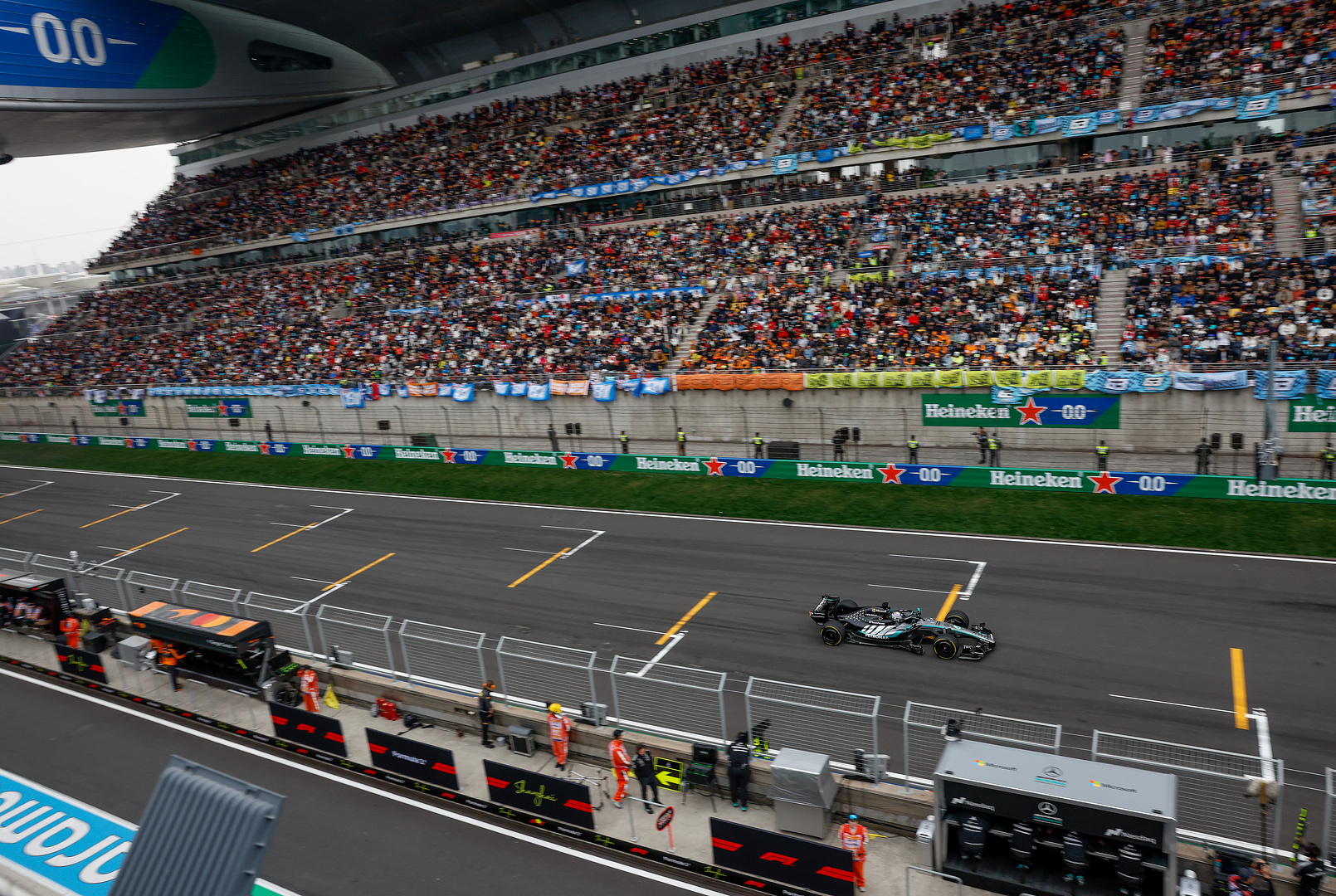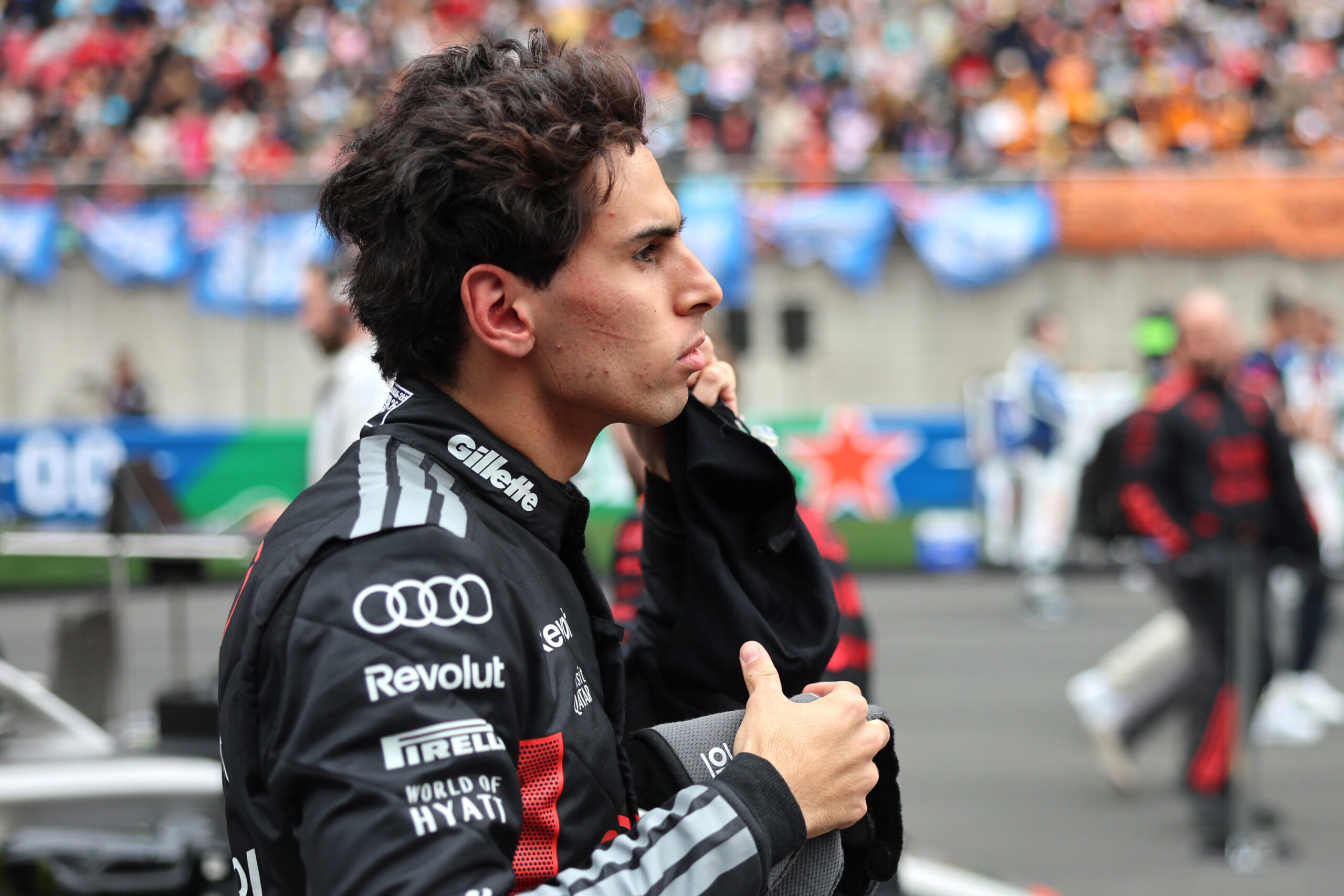
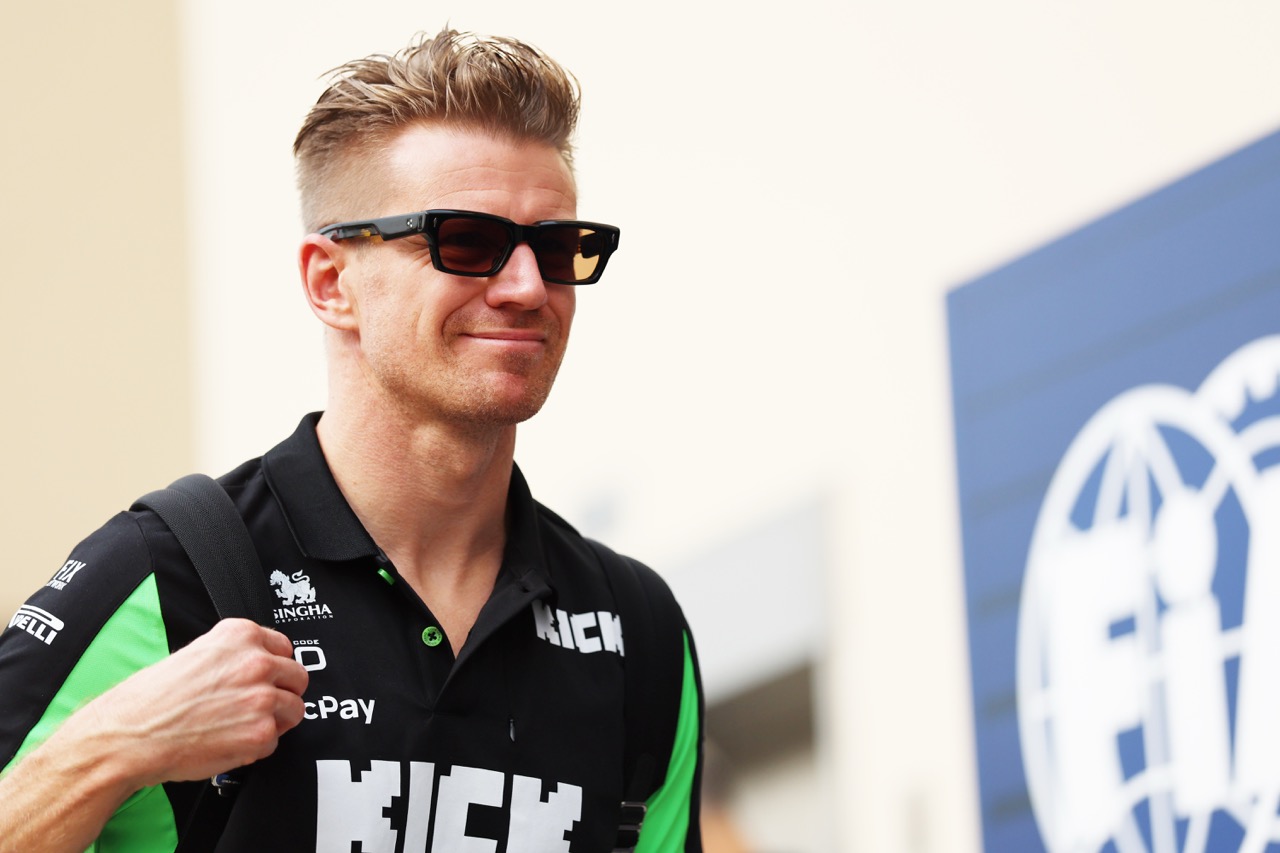
After a season defined by resilience and a long-awaited breakthrough, Nico Hülkenberg secured 12th place in Pit Debrief’s 2025 F1 Driver Rankings, just outside the top ten.
Nico Hülkenberg’s 2025 Formula 1 season unfolded as a complete and carefully managed campaign, shaped by awareness, restraint and timing. He returned to Sauber, next to rookie Gabriel Bortoleto, as the clear reference point in a team already balancing immediate results with long-term ambition, and from the opening races he carried that responsibility with authority. Rather than chasing unrealistic targets, he focused on extracting everything the car could offer, setting the tone for a season built on control rather than chaos.
Establishing the baseline for the 2025 F1 season
The opening phase of the season tested patience more than pace because Sauber rarely offered a clear route into the points. Qualifying often came down to tiny margins, with traffic and timing deciding whether he started in the fight or behind it. That made Sundays feel like long, tactical races, where tyre life and track position carried as much weight as speed. Hülkenberg adapted quickly and stayed sharp without becoming reckless. He judged the first lap well, kept the car clean, and let the race come to him. He managed his stints with care, stayed flexible on strategy, and used clean pit phases to hold position or gain it.
When others forced moves that were not there, he waited and profited. When safety cars reshuffled the order, he stayed calm and made the right calls. Points arrived in bursts rather than a steady stream, yet each finish followed the same pattern. He executed cleanly, wasted little, and kept Sauber in the conversation. It was quiet work, but it steadily lifted his standing in the Hülkenberg F1 driver rankings.
Building momentum through consistency
As the calendar progressed, incremental upgrades gave Hülkenberg a car he could lean on with greater confidence. The balance felt less fragile, so he could commit earlier in qualifying and put cleaner laps together when it mattered. He started closer to the points more often, which changed the shape of his Sundays. Instead of spending the race recovering, he could settle into a rhythm and control the stint lengths. He defended smartly without burning the tyres, and he attacked only when the move made sense.
Sauber still fluctuated from track to track, so some weekends offered little more than damage limitation. Hülkenberg handled those too. He avoided overreaching, kept the car in one piece, and saved the results with calm decisions. When a window opened through strategy, timing or attrition, he stepped through it quickly. That mix of restraint and sharpness became his trademark. It stabilised Sauber’s season and kept his own campaign moving forward.
A milestone at Silverstone
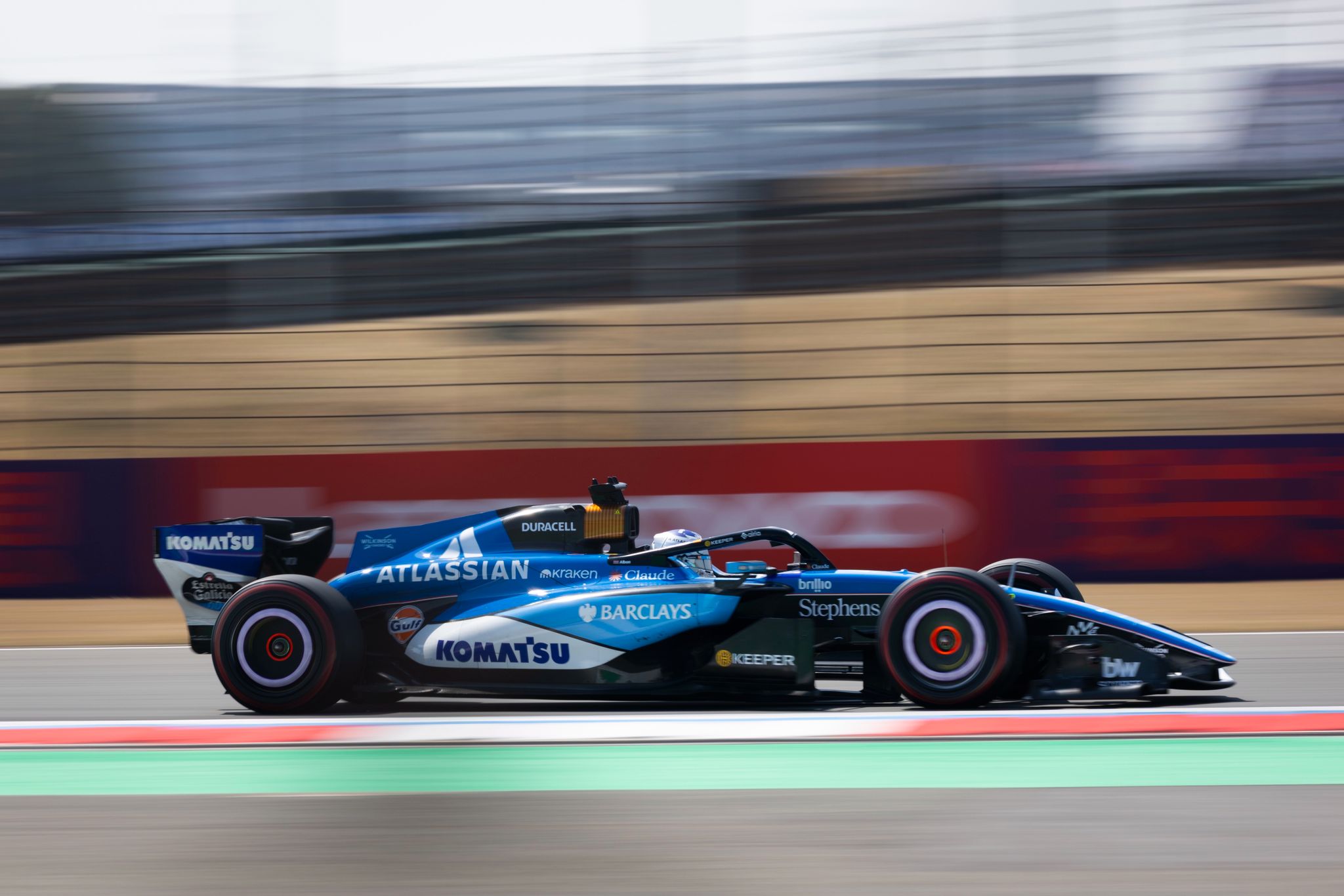
Silverstone became the defining moment, and it arrived with the kind of pressure that usually exposes the smallest doubts. The conditions shifted, the grip moved around, and the race demanded constant judgement rather than simple speed. Hülkenberg stayed composed and kept making the right choices at the right time. He trusted the car on a slippery track, placed it neatly in traffic, and avoided the panic that spread through the midfield. His timing on strategy mattered, but so did his execution because he hit his marks and protected track position when it counted.
While others unravelled with errors and over-commitment, he kept the race under control. The podium that followed was his first ever in Formula 1, and it felt earned rather than gifted. It carried the weight of years, yet it also fitted the logic of his season — he started P19 on the grid. More than a single result, it became the moment that reframed his campaign and reshaped how it landed in the Hülkenberg F1 driver rankings.
Carrying form through the second half
The breakthrough did not change his approach. Hülkenberg returned to the same measured rhythm that had defined his year. Mechanical setbacks and moments of bad luck interrupted momentum, but his baseline remained high. He navigated sprint weekends cleanly, delivered solid races across varied circuits, and continued to extract points whenever Sauber offered a window. Alongside a rookie team-mate, he provided stability and leadership, anchoring the team through a season of transition.
By the end of 2025, Hülkenberg finished just outside the top ten in the standings. On paper, it appeared modest, but context told a different story. He delivered Sauber’s standout result of the season, extracted good performances from a midfield package, and closed a long-running chapter of unfinished business. As a complete body of work, his campaign ranked among his most accomplished, confirming that experience, patience and precision still carried weight at the highest level of Formula 1.
Hülkenberg vs Bortoleto: steadiness as Sauber’s benchmark amid fluctuating pace
A key part of Hülkenberg’s value to Sauber in 2025 becomes clearer when his season is set against Bortoleto’s across the main performance indicators. While the raw pace picture often shifted from weekend to weekend, the broader trend showed Hülkenberg as the steadier reference point in a car that rarely offered clean, repeatable conditions.
Grand Prix qualifying form fluctuated massively on both sides of the garage as they finished at 12-12. Tiny margins, traffic, tyre preparation and rapidly changing balance meant that the internal qualifying battle was rarely a straight fight for outright speed. There were weekends where Hülkenberg’s experience in building a lap paid off, particularly when caution and timing mattered more than aggression, but there were also sessions where Bortoleto’s peak performance landed and reversed the order. Over the full season, any edge Hülkenberg held came less from raw one-lap advantage and more from repeatability when the pressure was highest.
Sundays, damage limitation, and why Hülkenberg stayed the reference point
Sundays painted a clearer picture. Hülkenberg generally converted Sauber’s opportunities more effectively, combining clean first laps with disciplined tyre management and sharper judgement in traffic. When points were realistically on offer, he was more likely to bring them home, whereas Bortoleto’s stronger moments were offset by races where execution or unfolding circumstances blunted the result. In a tightly packed midfield, those small decisions accumulated into a meaningful difference over the year.
Another separator was damage limitation. Even on difficult weekends, Hülkenberg tended to keep his races intact, avoiding unnecessary incidents and preserving the car’s potential when conditions became chaotic. That consistency gave Sauber a reliable benchmark and reduced the number of weekends lost to small but costly errors.
Taken together, the comparison underlined why Hülkenberg emerged as the team’s reference despite the volatile qualifying picture. The numbers were shaped by context rather than dominance, but across race execution, points conversion and overall stability, experience consistently tipped the balance in his favour and reinforced the logic behind his position in Pit Debrief’s 2025 F1 Driver Rankings.