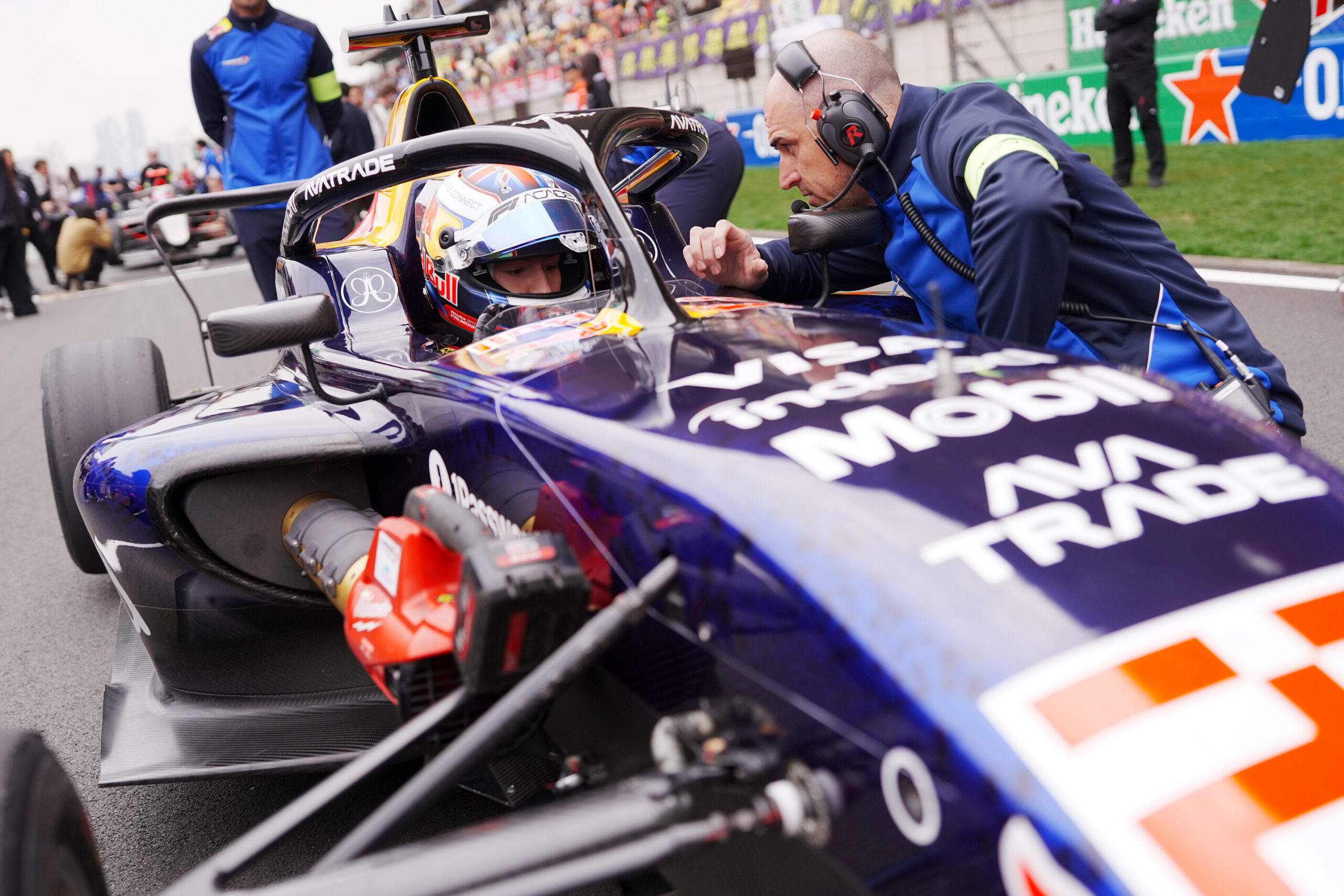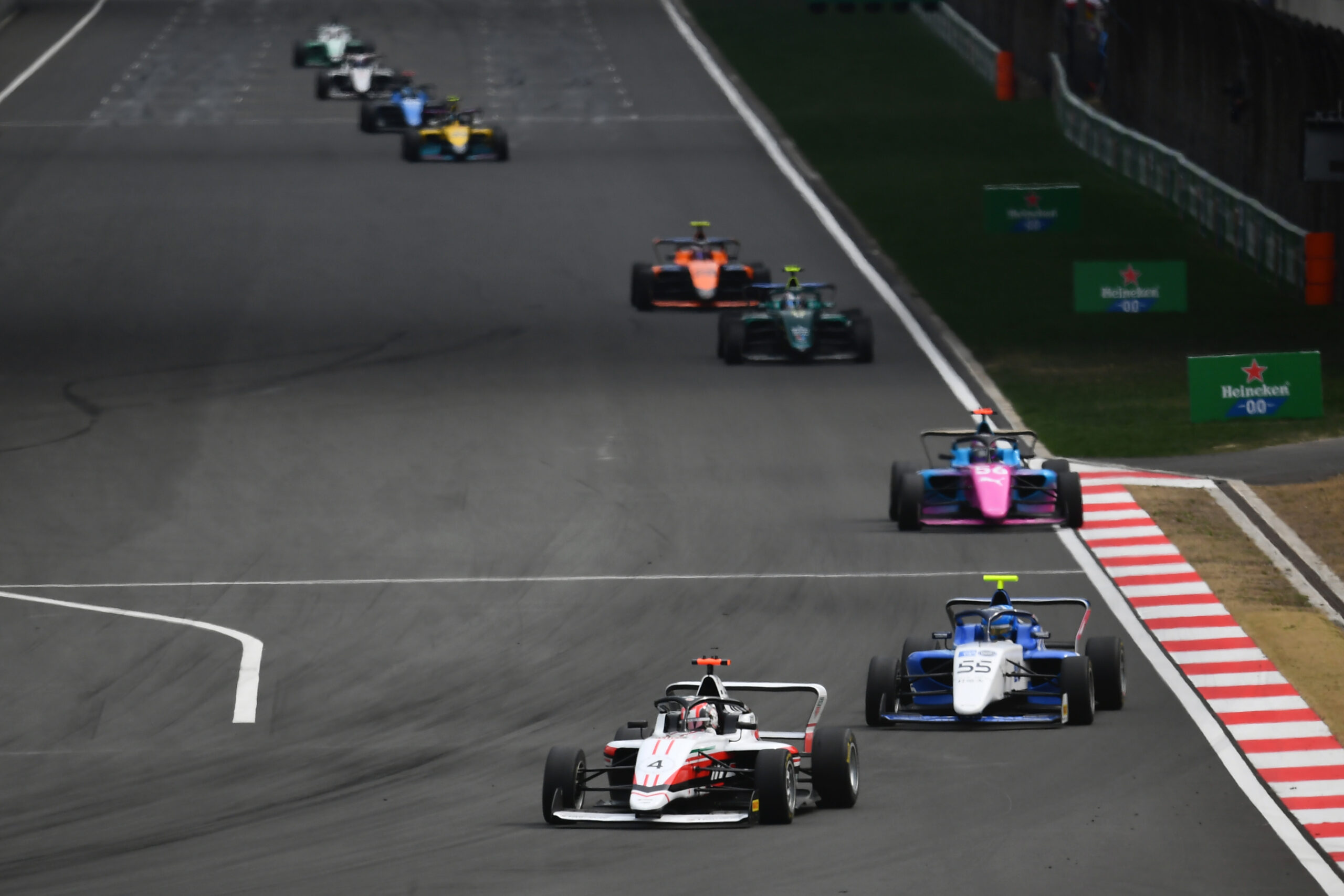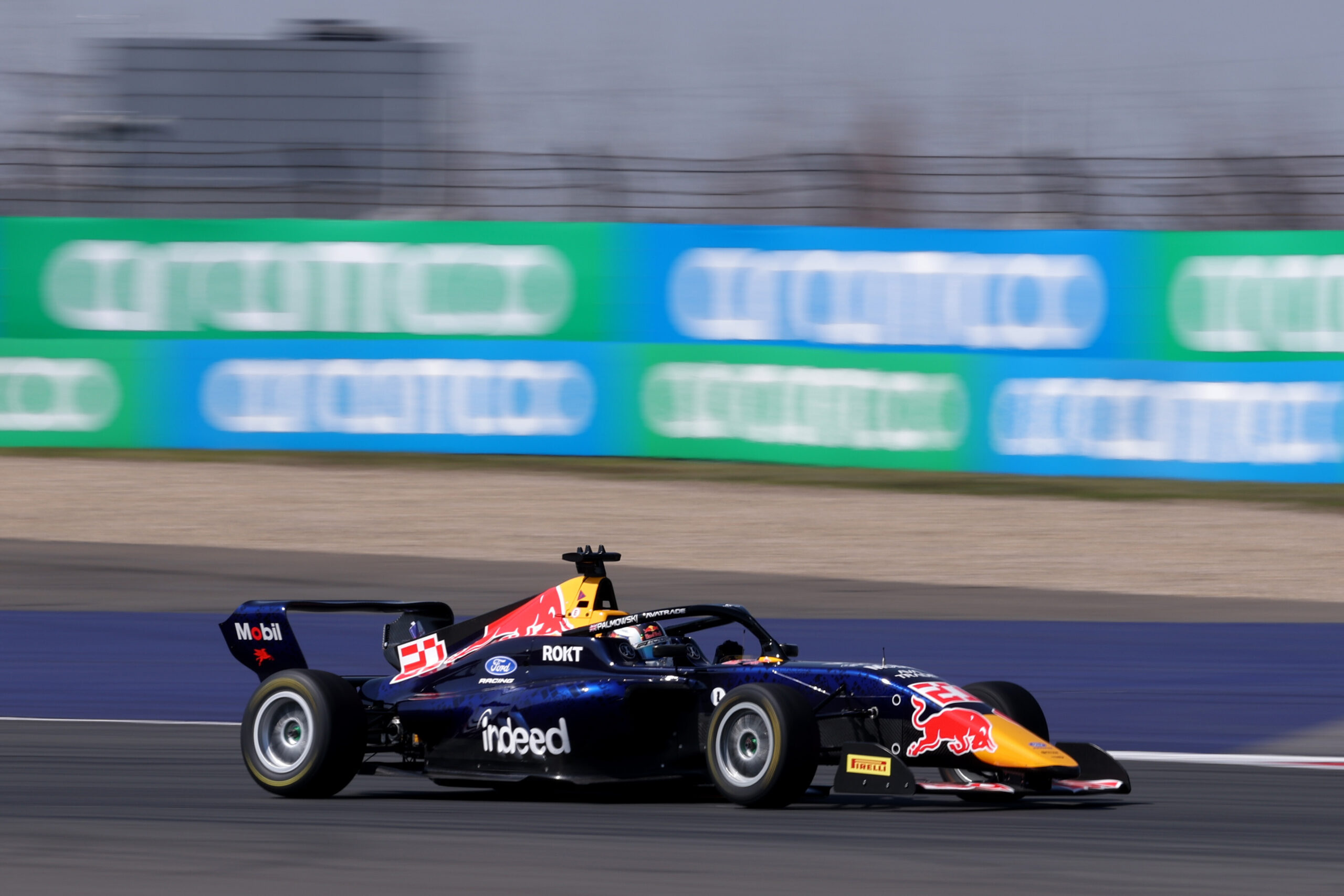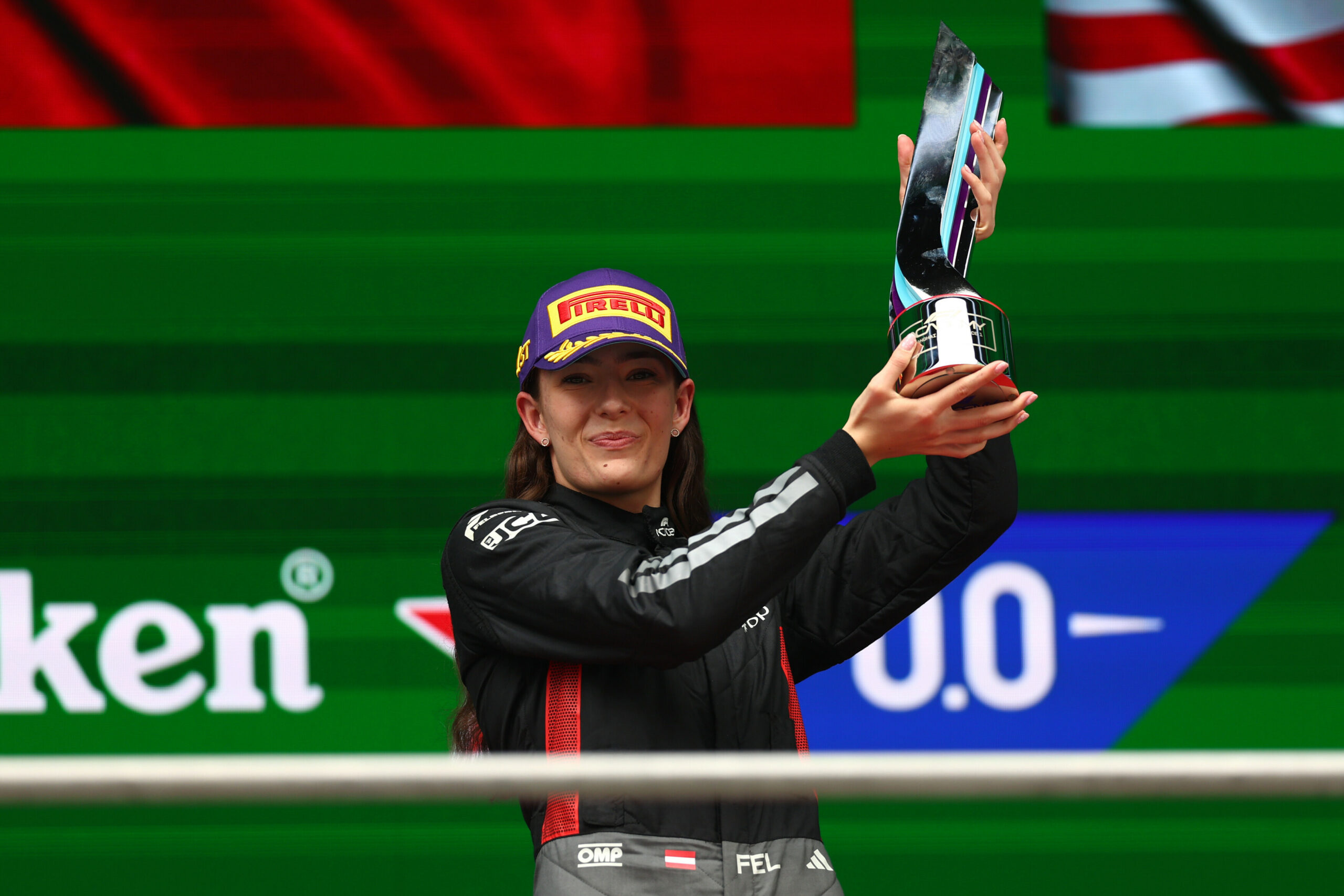
In 2024, it was announced that the F1 Academy champion would receive a fully funded drive with Rodin Motorsport for the 2025 GB3 season. Abbi Pulling secured the title and, with it, this opportunity. Alongside the funded seat, the champion would also receive 20 days of GB3 testing, financed by F1 Academy.
This marked a significant step in creating a pathway out of F1 Academy—but it also highlighted the lack of a clearly defined pathway into it.
Participants who transitioned slowly from Girls on Track
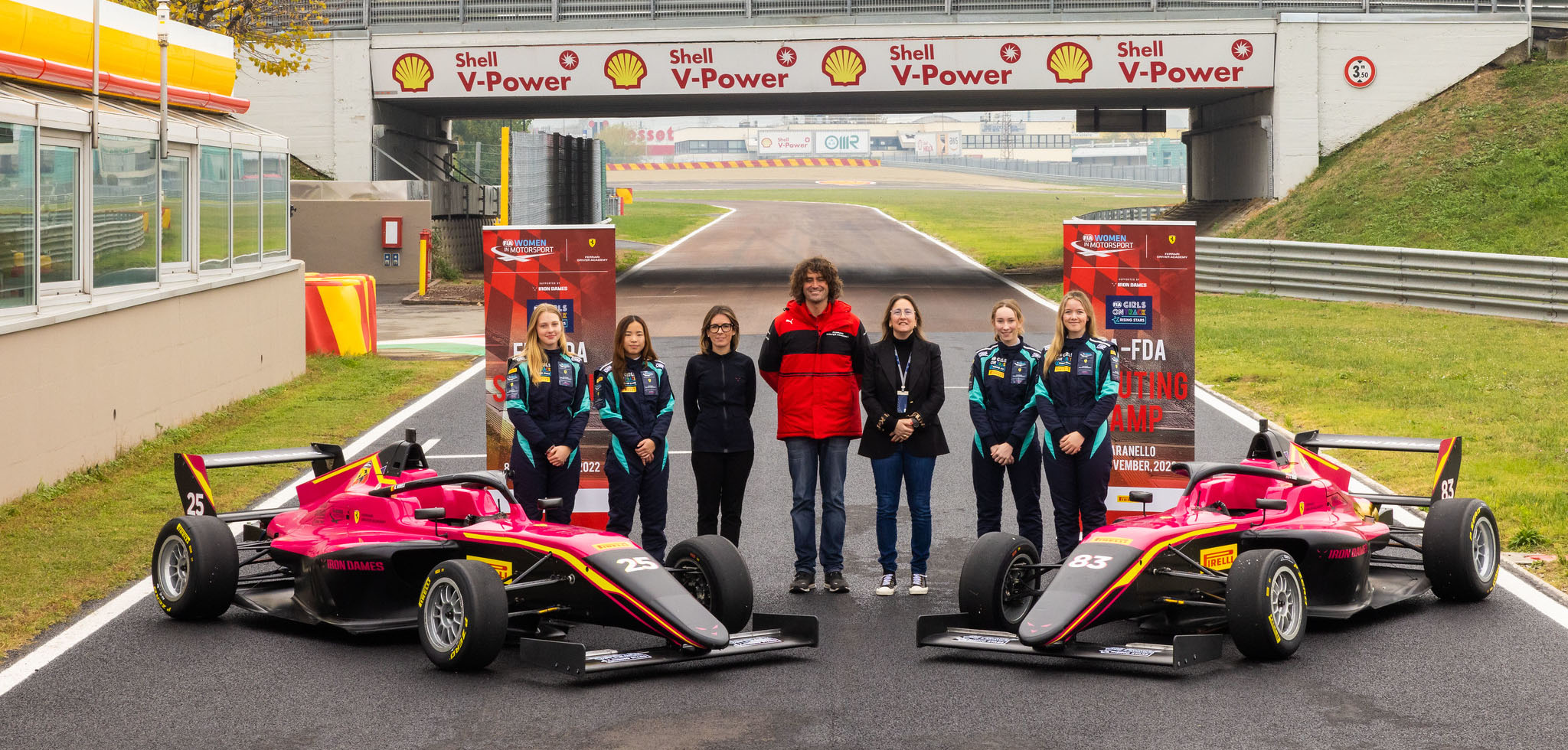
The effectiveness of the Girls On Track Rising Stars programme is evident when examining the current F1 Academy grid. The winner and a top-four finalist from the 2023 programme—Alba Larsen and Joanne Ciconte—are both competing in the series. Larsen, who won the 2023 edition, currently leads the rookie standings and sits fifth overall, having accumulated 28 points in an impressive start to her season.
The trend extends further back. The 2022 winner, Aurelia Nobels, is also on the current grid, alongside 2022 finalists Chloe Chong and Chloe Grant. Looking even further back, 2020 Rising Stars winner Maya Weug now leads the F1 Academy championship.
The pattern is hard to ignore: finalists and winners of the Girls On Track Rising Stars programme consistently prove capable of competing—and thriving—at F1 Academy level.
The case for a clearer entry pathway
Given this evidence, an important question arises: if there is now a defined pathway out of F1 Academy, why is there no equally clear pathway into it? Should the winner of the Girls On Track Rising Stars programme be guaranteed a seat in F1 Academy the following season?
The 2023 edition appears to have been the final instalment of the programme for the foreseeable future. Yet, with the rise and growing visibility of F1 Academy, this feels like the ideal moment to revive it—or introduce an equivalent pathway. Previous winners earned places within the Ferrari Driver Academy; perhaps a modern iteration could offer a funded or partially funded seat in F1 Academy instead.
Looking ahead
There are, of course, logistical and financial considerations. Funding models could vary—whether through driver-backed sponsorship, partial series support, or full funding by F1 Academy itself. With the backing of global sponsors and manufacturers, however, exploration of such a system seems feasible.
If the goal is to improve visibility, accessibility, and opportunity for women in motorsport, then strengthening the route into F1 Academy is just as important as supporting progression beyond it. Right now, there remains a gap—one that programmes like Girls On Track Rising Stars have already shown they are capable of filling.