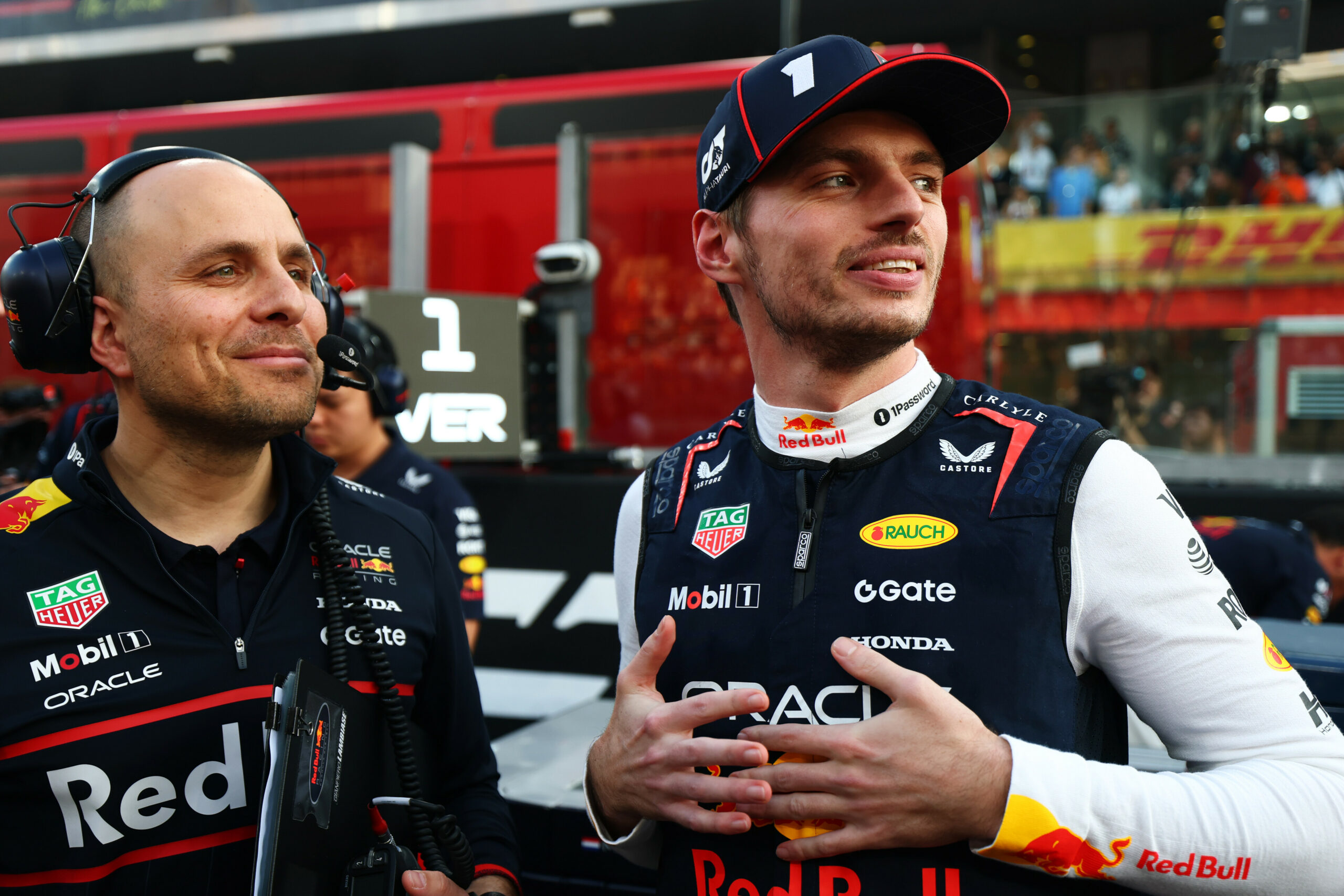

There is a long standing discourse among F1 drivers about how they want a car to behave when they turn it, whether they favour oversteer or understeer, and it was discussed recently by Max Verstappen and Gabriel Bortoleto.
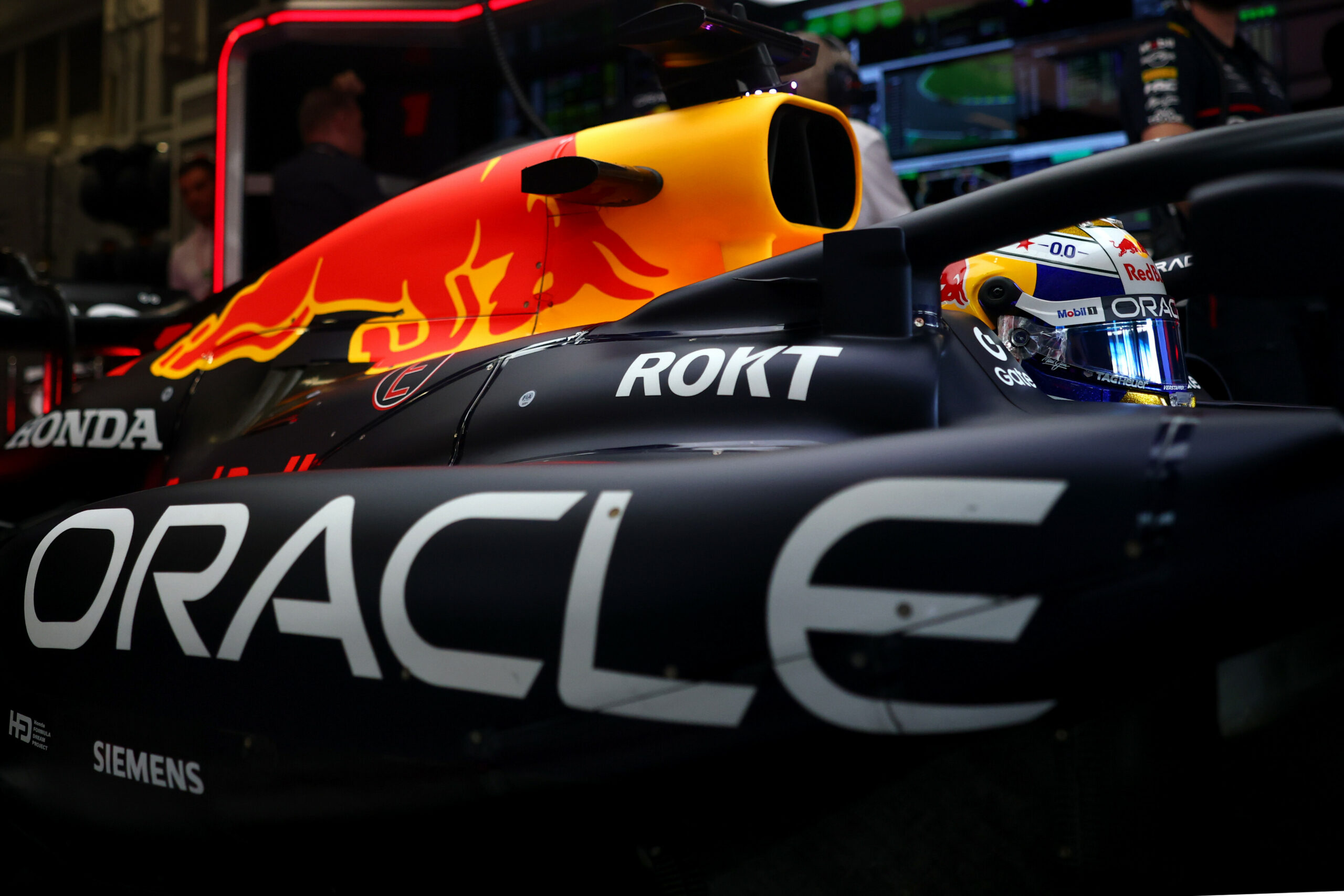
Reigning champion Verstappen has never shied away from declaring his stance, repeatedly emphasising his need for a car that sits firmly on the nose with an oversteer balance.
He recently appeared on the Pelas Pistas Podcast with Brazilian rookie Gabriel Bortoleto and said the same. The Sauber driver shared the same view.
Verstappen’s career has been defined by a pointy front end, a set-up that loads the front axle heavily and gives him a car that rotates instantly. Usually a car with oversteer attitude that most drivers can’t tame but Verstappen thrives in that window. He’s said it many times and never hesitated.
“Understeer is slow. It doesn’t matter. If you like it or not. It’s slow. If you want a fast car, it needs to be on the nose.”
A car that won’t turn scatters lap time across every apex. Understeer pushes the front tyres past their optimal slip angle and the driver has to wind on more lock and bleed speed. Oversteer keeps the front tyres in the peak grip zone and allows earlier rotation and earlier throttle.
This is why Verstappen can run more front wing on the straights than his team mates and still have more top speed. His loose rear end makes up for the drag that would normally slow the car.
Bortoleto prefers controllable oversteer because understeer feels limiting and less adjustable
Bortoleto shared the same opinion as Verstappen about oversteer. When asked about his preference he said:
“Oversteer. I don’t, I mean, I don’t know. I just don’t like so much understeer. It feels like with understeer, you cannot do really much. You can still do something, but you are limited. With oversteer, you can control the car.
“And then you can change your driving. If it’s too much, you know, or too little, you can really provocate a bit more the car if you want. But if it’s understeer, you’re just limited by that.”
Understeer often limits what a driver can influence but oversteer invites technique. Verstappen uses trail braking to load the front tyres, balancing the car as it pivots on entry. Because the car rotates early he can straighten the wheel sooner and go full throttle sooner than his rivals.
“Understeer is fast until you need the final two… It depends a bit on the category, but if you can get, let’s say understeer in Q1 is okay. But if you want to do the best lap you can in Q3, you cannot have it… Because you will be two tenths slower.”
Verstappen draws parallels between F1 and IndyCar
The conversation turned to oval racing, where Mario Andretti famously advocated running cars “on the nose” during qualifying. Verstappen connected this philosophy to his weekly reality.
“I’m not an oval specialist, but when you see the cars going around there, like a car that is set up to just be safe. I mean, safe is slow. It needs to always be on edge.”
Race conditions permit slight backing off from this knife-edge setup due to turbulence and tyre degradation concerns. However, Verstappen acknowledged an exception.
“Unless you have margin, then you can set it up a bit slow. Safe. But it depends on, I mean, what was it like two years ago? I think the Penskes were flying [in Indycar]. They could run it a bit more safe because that looked planted, but that was probably because they had a bit of an edge on everyone else.
“But if it’s tight, you need to squeeze the last little bit out of it. And the only way to do that is to put it on the nose.”