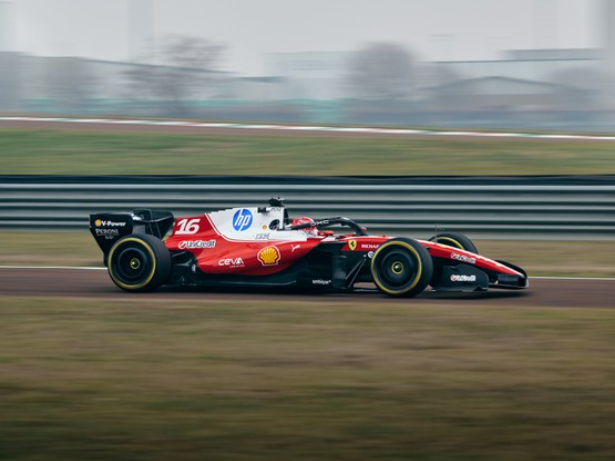
The FIA has indicated that it may revise aspects of the 2026 F1 regulations following concerns raised by drivers.
The sport will enter a new technical era in 2026. The rules introduce a redesigned chassis concept and a new power unit formula. The FIA wants to achiveve lighter cars, greater electrical power and 100% sustainable fuels.
However, several drivers have questioned whether the current targets will deliver the right racing product.
FIA respond to driver concerns over F1 2026 regulations
Teams have focused on two main areas: racing quality and energy deployment. The 2026 cars will rely more heavily on electrical power. The new power unit aims for an even split between electric energy and the internal combustion engine.
Some drivers fear that strict energy limits could affect racing on long straights. They worry that cars could run low on deployable energy during wheel-to-wheel fights.
Others doubt whether teams can meet lower weight targets while adding larger electrical systems.
FIA Single-Seater Director Nikolas Tombazis addressed these concerns. “We are open-minded. If there are things that need to be adjusted, we will look at them.”
His comments suggest that the governing body remains willing to act if necessary.
“We are not stubbornly sticking to something if it’s clear that it is not the right solution,” Tombazis also stressed that discussions with teams will continue.
Balancing sustainability and performance in 2026
The FIA designed the 2026 regulations to attract new manufacturers and improve sustainability. The cars will use fully sustainable fuels. They will also feature active aerodynamic systems. These systems aim to reduce drag and improve overtaking.
Drivers have reported mixed feedback from early simulations. Some have questioned whether the cars will feel fast enough. Others have highlighted how energy management could shape race strategies.
Tombazis acknowledged the complexity of the task:
“It’s a very complicated set of regulations, and we are working through the details with the teams.”
Ongoing dialogues ahead of the 2026 season
Manufacturers have already committed significant resources to the new rules. Stability remains important as development progresses. However, the FIA appears determined to avoid unintended consequences.
The FIA will continue to analyse data and feedback. If clear problems emerge, it may refine specific elements of the regulations. The overall ideology will still remain intact.
For now, the FIA has sent a clear message. The vision for 2026 stands firm, but the door to sensible adjustments remains open.