As the F1 paddock arrives for the 2026 Japanese GP, the focus remains on whether Pierre Gasly from Alpine F1 Team can replicate the technical breakthrough that defined his recent outing in Shanghai.
The team faced a confusing start. Yet, the shift between Australia and China suggests they finally unlocked the car’s potential. This methodical progression is essential as the field prepares for the high-speed challenges of Suzuka, a track that traditionally exposes any lingering balance issues.
Technical extraction and the entire F1 engine package
The primary turnaround in China stemmed from a superior job of extracting performance from the existing power unit. After a weekend in Melbourne where the A524 looked sluggish and disconnected, the team found an immediate rhythm.
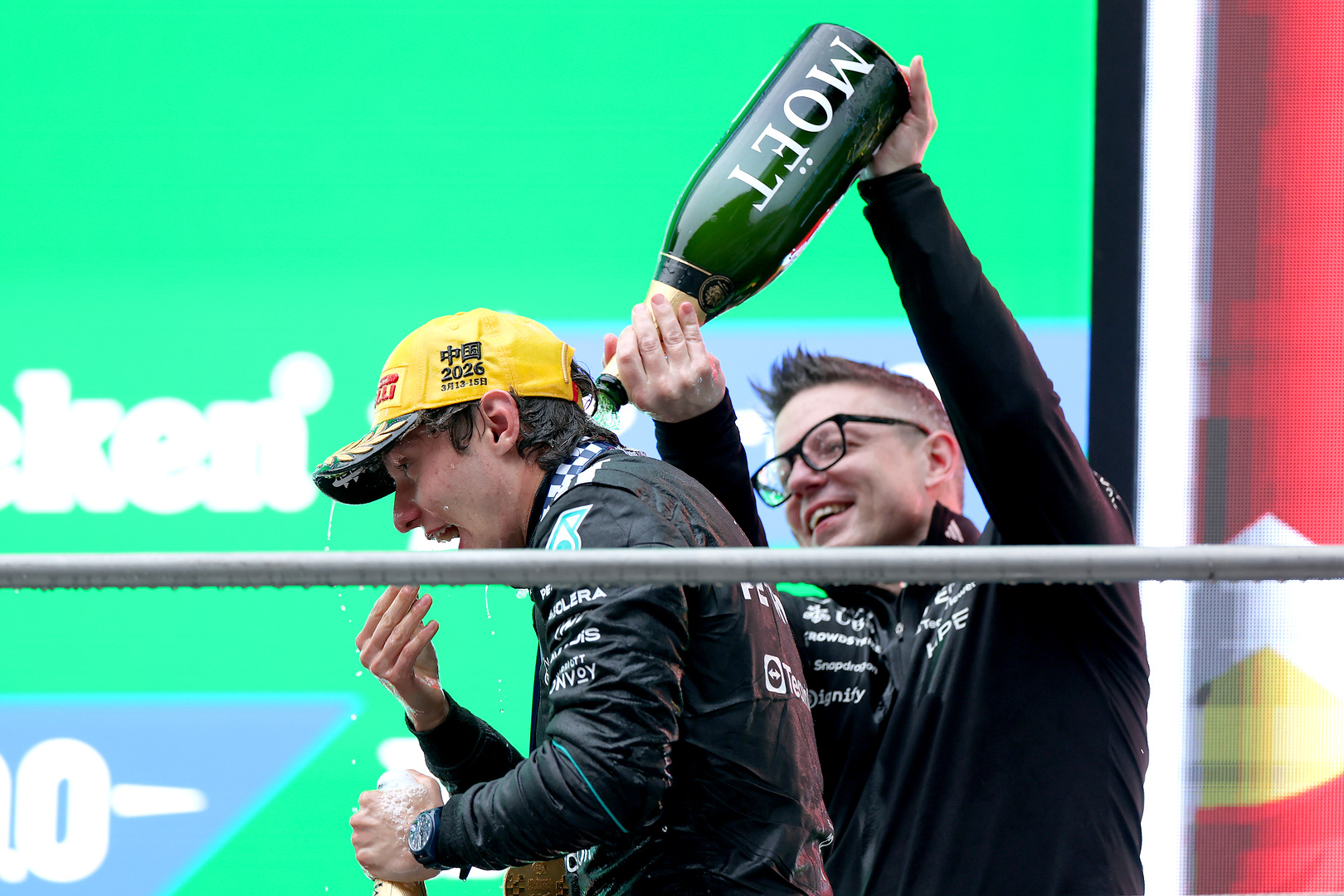
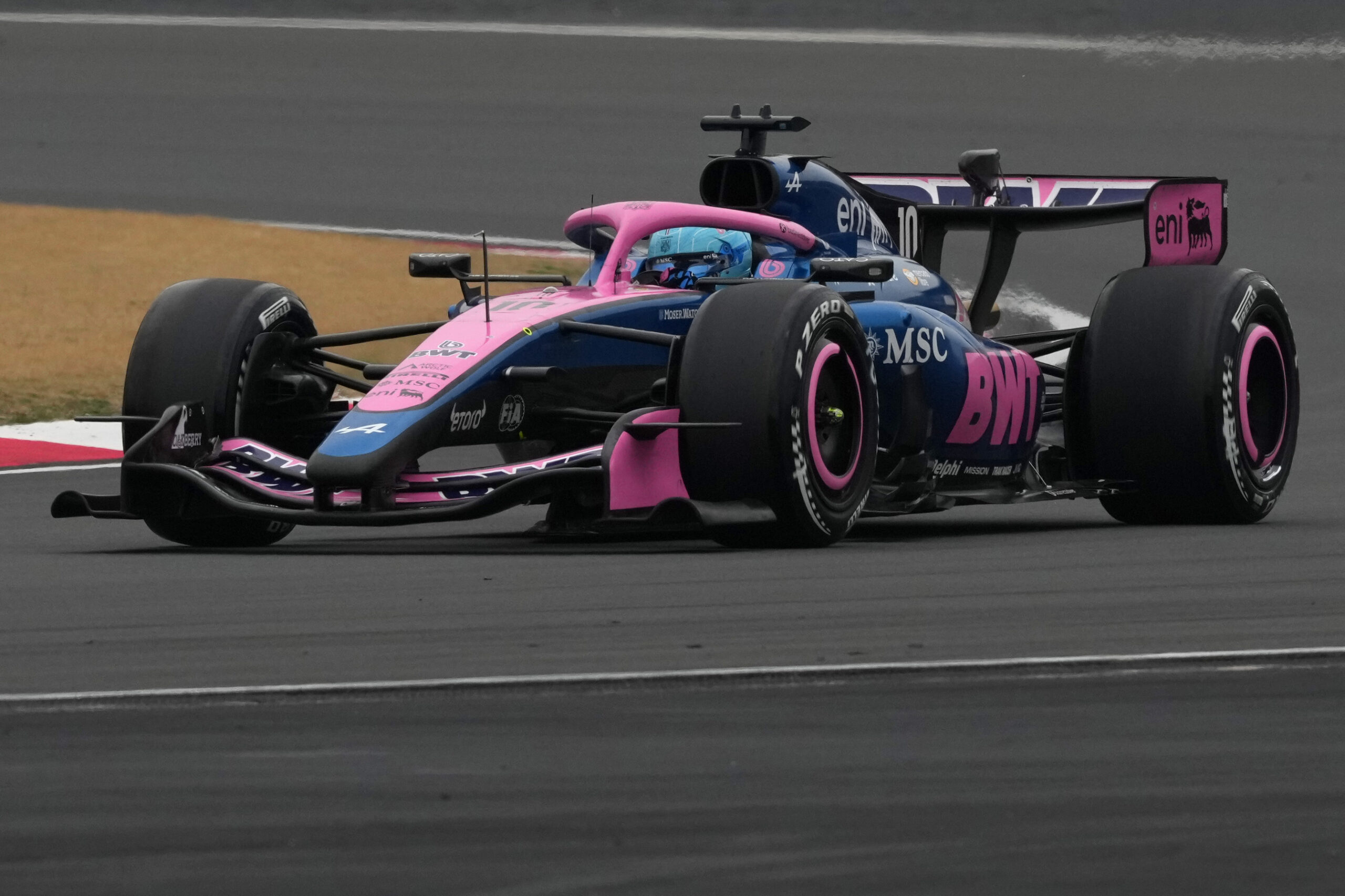
From 10th in Melbourne, the French driver was a very strong P6 in Shanghai, arguably having the midfield benchmark package last time out — and that included Red Bull Racing. Franco Colapinto backed him up with P10 despite getting clattered into by Esteban Ocon at one point.
Gasly provided a clear-eyed assessment of this shift ahead of the F1 Japanese GP. “I think we can’t explain Australia, the sort of performance which was slightly less good there. We can’t explain some of the reasons of… I think we just did a better job at extracting more out of the package from an engine point of view,” he noted in a print media session.
Improved energy management allowed him to fight in the top six. This feat was impossible just months prior as the ground effect era came to a close.
Set-up baseline for Gasly at the 2026 F1 Japanese GP
Finding a working window early in the weekend proved to be the decisive factor for Gasly’s F1 Japanese GP outlook. The car felt competitive from the first run in China. This let engineers fine-tune the aero balance instead of chasing fundamental grip.
“Did a better job there with the power, the management in the [qualifying], in the race. I think understanding a bit more the car from FP1, went out straight away from the first run. We had a setup which worked out well and I felt straight away that there was good potential in the car.
“And the limitations were quite different to Melbourne,” Gasly explained.
This shift in limitation is crucial, as the graining issues that plagued the team in Australia did not reappear.
The Suzuka high-speed litmus test
Despite the points finish in China, Gasly faces its toughest evaluation at F1 2026 Japanese GP. This is where high-load corners like the Esses, Degners and Spoon dominate the lap.
Gasly acknowledged the uncertainty surrounding this transition. “So that’s the one thing which at the moment is a little more tricky to understand. And I think Japan was going to be a bit of a test on really understanding where we are.
“If it was more similar to China in terms of limitation or back to what we had before in Melbourne and winter testing. Suzuka is very high speed,” he cautioned.
The goal for this weekend is to confirm that the progress made in Shanghai was not track-specific.
“So on paper, after winter test in Melbourne, that’s one area where we felt we were a bit weak in terms of balance. I think we’ve made some progress in China to correct some of that. But I think ultimately that’s going to be the proper test of the year where we’ll see how we can do on such a track, which I think on paper might be one a bit harder due to all the high speed corner.
“But I’m pretty confident if we are fast here, we can be quite confident that we’ve got a good, definitely a strong baseline across all tracks for the rest of the year,” Gasly concluded.