With F1 entering a month-long break following the Japanese GP, the FIA and technical experts from the sport’s key stakeholders held a critical meeting—the first of several—in London on April 9 to potentially revise the contentious 2026 technical regulations.
The introduction of the new power units and chassis has undoubtedly produced more on-track action than in the past few seasons. However, the first three rounds have also exposed F1 to major headaches concerning safety, the quintessence of qualifying, the artificial nature of racing, and the diminished input of drivers.
While the FIA, F1’s governing body, and FOM, the sport’s commercial rights holder, have been averse to hasty and wholesale changes, they have already introduced certain measures to make the race starts safer and qualifying more flat-out on certain tracks.
Further discussions about the regulations were understandably on the table following the first three race weekends, which would’ve allowed the collection of sufficient technical data. But the fresh criticism of energy management requirements and the massive 50G crash of Ollie Bearman due to substantial speed differentials at Suzuka brought the ruleset under renewed scrutiny.
Which aspects of the 2026 F1 regulations were up for discussion in Thursday’s meeting?
A technical meeting took place in London on Thursday to formally review proposals on how to make tweaks in the area of energy management under the 2026 regulations to strike a balance between the element of spectacle and F1’s authenticity.
The new engines, featuring a near 50-50 split between the internal combustion engine and electrical energy, have a noticeable impact on driving styles over a single lap and race distance.
As a consequence, several drivers, including Charles Leclerc, and a die-hard subset of F1’s global fanbase have expressed their frustrations over how the current guidelines for the power unit regulations have adversely affected qualifying.
The level of energy management now required on a flying lap is inherently antithetical to the traditional flat-out approach. With the machine seemingly superseding driver skill, the complex deployment algorithms punish drivers for pushing in the middle- and high-speed corners, leaving them with suboptimal energy to deploy on the following straight.
The new ruleset sees drivers lift and coast and even experience superclipping over a single lap. Furthermore, it discourages them from taking risks during qualifying since slower yet consistent driving leads to faster lap times.
The cars are so sensitive to the regulatory quirks that even adjusting the throttle in one section of the track can make the hybrid system go haywire, drain the battery at an inconvenient moment, and compromise a lap.
One of the principal agendas in Thursday’s meeting therefore pertained to adjustments to the energy equation in qualifying and making driver skill paramount once more.
Was the issue of safety under consideration?
McLaren’s team principal Andrea Stella, who had drawn attention to the huge discrepancy in closing speeds during pre-season testing, has been one of the most persistent advocates of safety so far as the 2026 regulations are concerned.
Meanwhile, drivers like Carlos Sainz and Pierre Gasly were vocal about the perils of the straight-line mode following the season opener in Melbourne, which saw Franco Colapinto dodge a disastrous collision off the line in Sunday’s race.
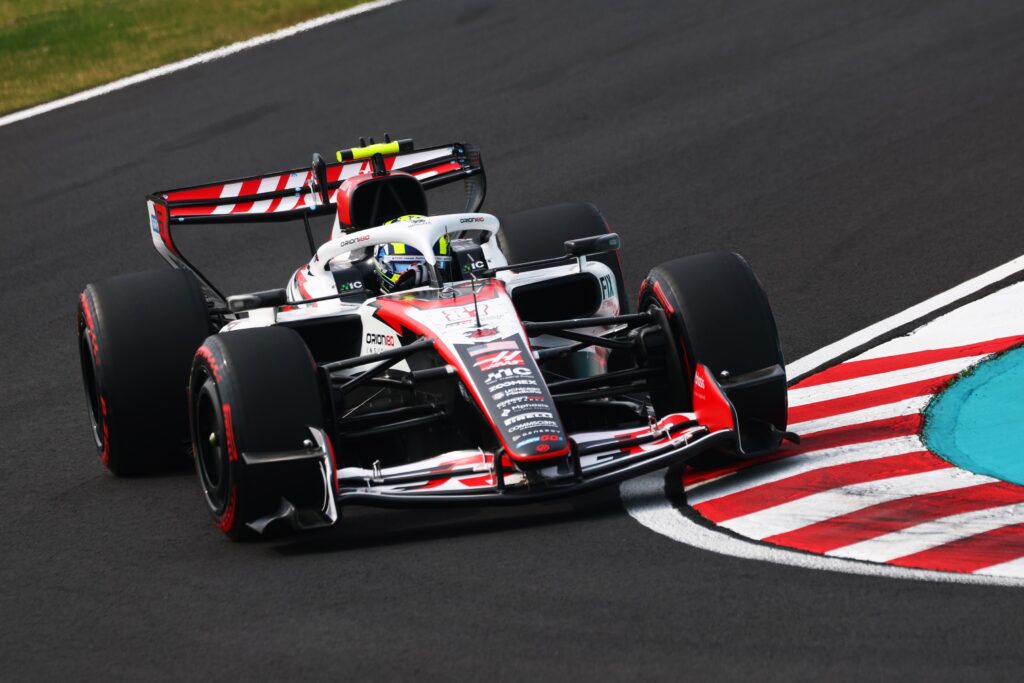
Although the topic evidently took a backseat in China, Bearman taking evasive action behind a relatively slow-moving Colapinto and suffering a major high-speed crash at Suzuka brought the agenda of safety to the forefront yet again.
As previously observed, the FIA has the authority to unilaterally implement changes on safety grounds even if the teams fail to reach a consensus. However, what the post-Japanese GP atmosphere in the paddock has indicated is that the drivers and the teams are in general agreement that further initiatives are necessary to avoid potentially catastrophic incidents in the future.
While the safety risks stemming from the complexities of energy management under the 2026 F1 regulations have been a major talking point since testing, it has not been revealed whether any specific tweaks to mitigate these concerns were proposed in Thursday’s meeting.
All eleven teams might not concur with the changes proposed in the subsequent talks given the extent of compromises some would have to make. Nonetheless, the likelihood of the FIA having to unilaterally arbitrate is low.
Will the 2026 F1 regulations undergo changes immediately after the meeting?
It is necessary to point out that the aforementioned discussion is only the first in a series of talks that will take place during the break in April. As such, it was expected that no sweeping changes or consequential decisions would come out of it.
This first meeting brought together the FIA and technical experts from the different F1 teams and power unit manufacturers. There was “constructive dialogue” on difficult topics, and the parties involved formulated and proposed feasible revisions to the energy management aspect of the 2026 regulations.
Additionally, there is a meeting reviewing the sporting regulations on April 15, and any changes in Section B that are required to facilitate the technical changes will be discussed at that time.
The preliminary recommendations will undergo further deliberation, and new topics will gain exposure at a follow-up technical meeting on April 16.
Four days later, the FIA, FOM, the OEMs, the power unit manufacturers, and the F1 outfits will consider the preferred options jointly proposed by the technical teams and seek a consensus at a high-level technical meeting.
Any changes to the regulations are subject to the FIA WMSC approval process. If authorised, the sport’s supreme governing body will introduce the revised guidelines from the fourth race weekend of the 2026 campaign as F1 returns in early May with the Miami GP.
Due to limited resources and time constraints, the more substantial modifications, if any, will likely only come into effect ahead of the next season.