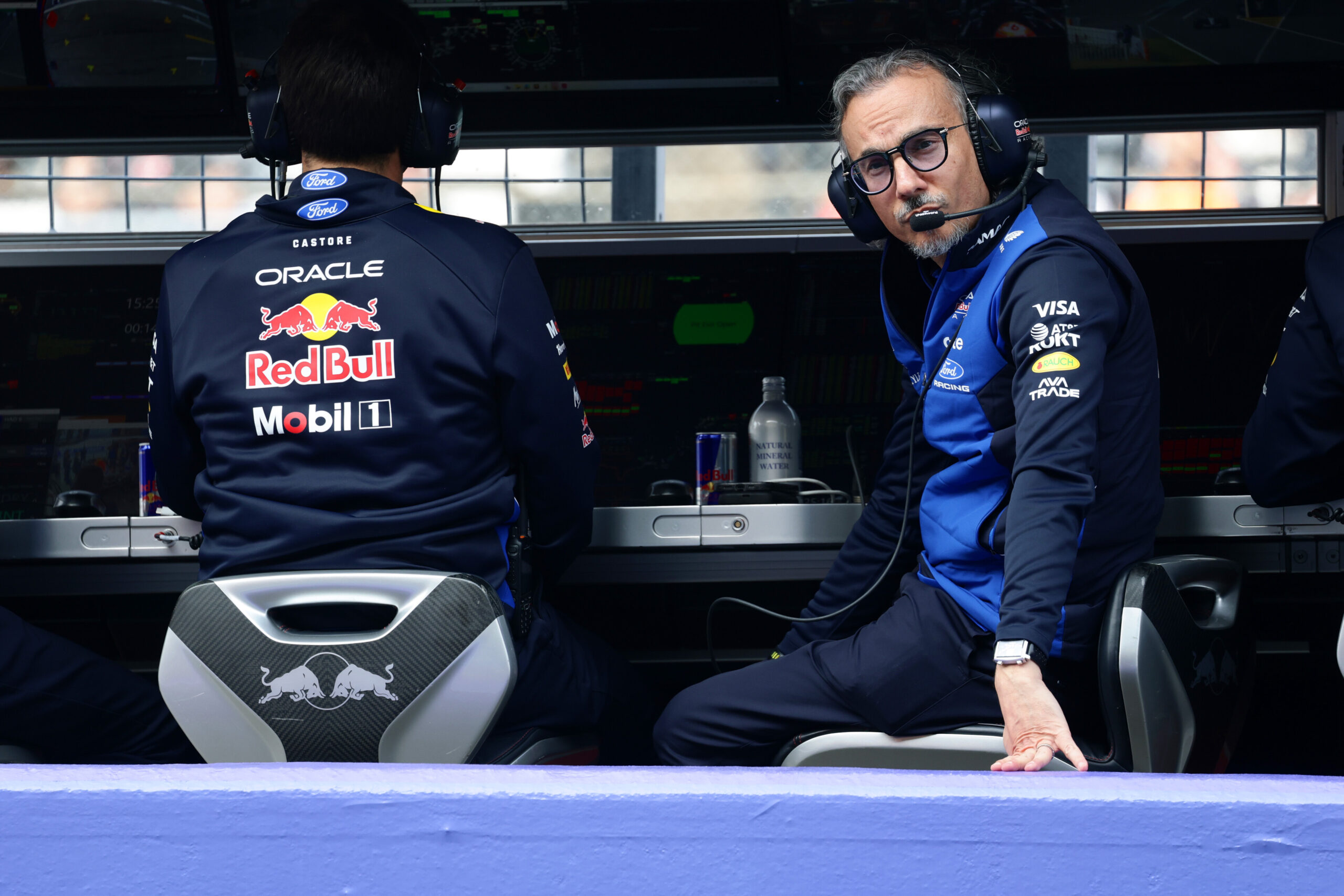
The current technical era of F1 has introduced a peculiar paradox where drivers are sometimes passengers to their own power units. Red Bull Team Principal Laurent Mekies knows that F1 thrives on raw speed, yet the complexity of modern qualifying has introduced a tactical layer. This layer, many feel is now too intrusive.
The core of the issue lies in energy management. The hunt for a perfect lap is often dictated by a computer’s deployment map rather than a driver’s bravery.
“I think we all would like to see qualifying to be a flat-out qualifying or as close as possible to flat-out qualifying,” Mekies noted in a print media session. His comments highlight a shared frustration across the paddock.
Currently, the intricate dance of harvesting and deploying energy prevents drivers from pushing to the absolute limit on every inch of a flying lap. By refining the way Mekies looks at F1 and the structure of qualifying, the sport aims to strip away from the “gaming” that currently dictates lap times.
The problem of accidental overtaking
Drivers have become increasingly vocal about the lack of autonomy during the past races. The sophisticated energy recovery system (ERS) occasionally trigger deployment at moments that catch the pilot off guard.
This leads to situations where a driver might overtake a rival simply because their battery discharged on a straight, rather than through a calculated mechanical move or late-braking bravado.
Mekies acknowledged that this “gaming” in the race is a direct byproduct of how the cars handle energy. He suggests that solving one-lap pace issue will naturally provide a more organic racing product.
“The level of gaming in the race you can probably adjust,” he explained, noting the diverse opinions held by rival teams. However, the consensus remains that the priority is returning to a state where the driver’s foot, not a software algorithm, determines the speed.
A 2027 roadmap for Red Bull boss Mekies, F1 and proper qualifying
While some minor adjustments might arrive sooner, the Red Bull boss is looking further down the road to ensure the DNA of the sport remains intact. The transition to the new 2026 regulations is already high on the agenda, but Mekies believes the real opportunity for a permanent fix lies just beyond that horizon.
“Personally, I think the focus should be on how to solve it properly for 2027,” Mekies stated regarding the F1 qualifying. He believes there is still sufficient time to bake “flat-out” pace into the long-term regulatory framework.
While he conceded that a “number of small things” could be implemented for 2026, the goal is a fundamental shift.
The vision held by Mekies for F1 and the art of qualifying suggests that while the hybrid era is here to stay, the sport must ensure the technology serves the driver, rather than the other way around.
Until then, teams will continue to meet with the FIA to bridge the gap between efficiency and pure, unadulterated racing.