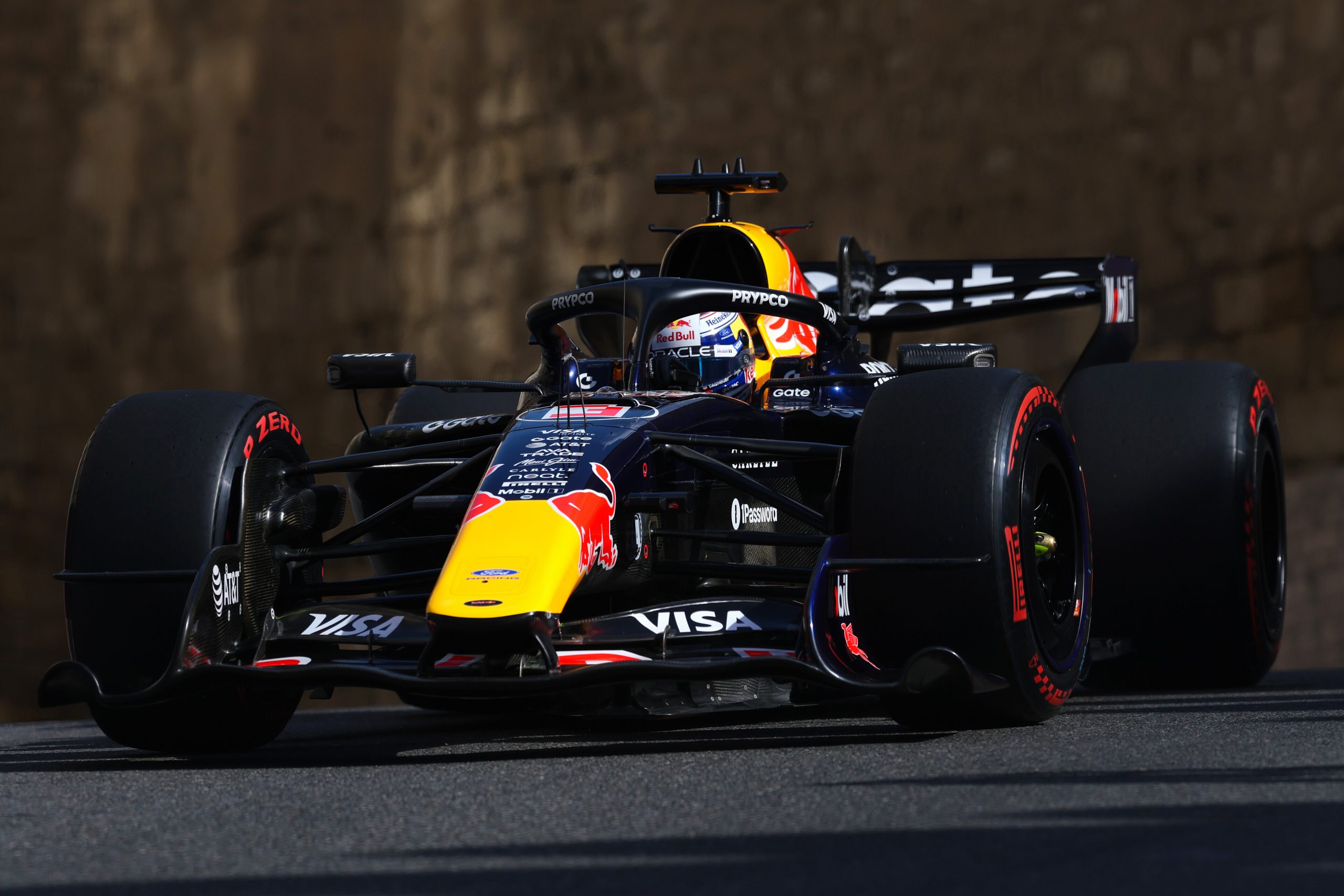
Honda has acknowledged making incremental progress ahead of the 2026 F1 Japanese GP on the reliability crisis that has defined Aston Martin’s troubled start to the season. After early-season reliability failures and abnormal vibration issues that severely limited mileage, Honda says progress has been made, though the full solution remains under development.
The Japanese manufacturer debuted with a compact power unit with a redesigned hybrid system and a new battery to meet the 350 kW MGU-K requirements. The Silverstone-based outfit are the only team running these engines in 2026 and have hence adopted an aggressive packaging concept around the survival cell, which forced Honda to tightly integrate the design.
When cars hit the track in flesh at Barcelona, Honda identified abnormal vibrations originating primarily from the engine. These vibrations were transmitted through the gearbox casing and mounting structures into the battery area. Abnormal vibrations damaged the high-voltage battery, caused faults and shutdowns, and physically affected drivers over long runs.
Honda has since deployed intensive rig testing at Sakura, running a monocoque-mounted system including the engine, gearbox and representative chassis structures. The aim is to identify frequency patterns and implement counter-measures including balancing changes, damping solutions and structural adjustments.
Honda have since been on the mission to eliminate the vibrations, running intensive testing at Sakura. They are running a monocoque-mounted system including the engine, gearbox and a chassis approximation. The main goal is to decipher the frequency patterns and implement counter measures to dampen them. Aston Martin believes that these vibrations are masking their real performance in 2026.
Following the previous two races, where both the AMR22s had to retire from the races due to unreliability or reliability concerns, Honda now says progress has been made.
First sign of progress on reliability from Honda for Aston Martin ahead of 2026 F1 Japanese GP
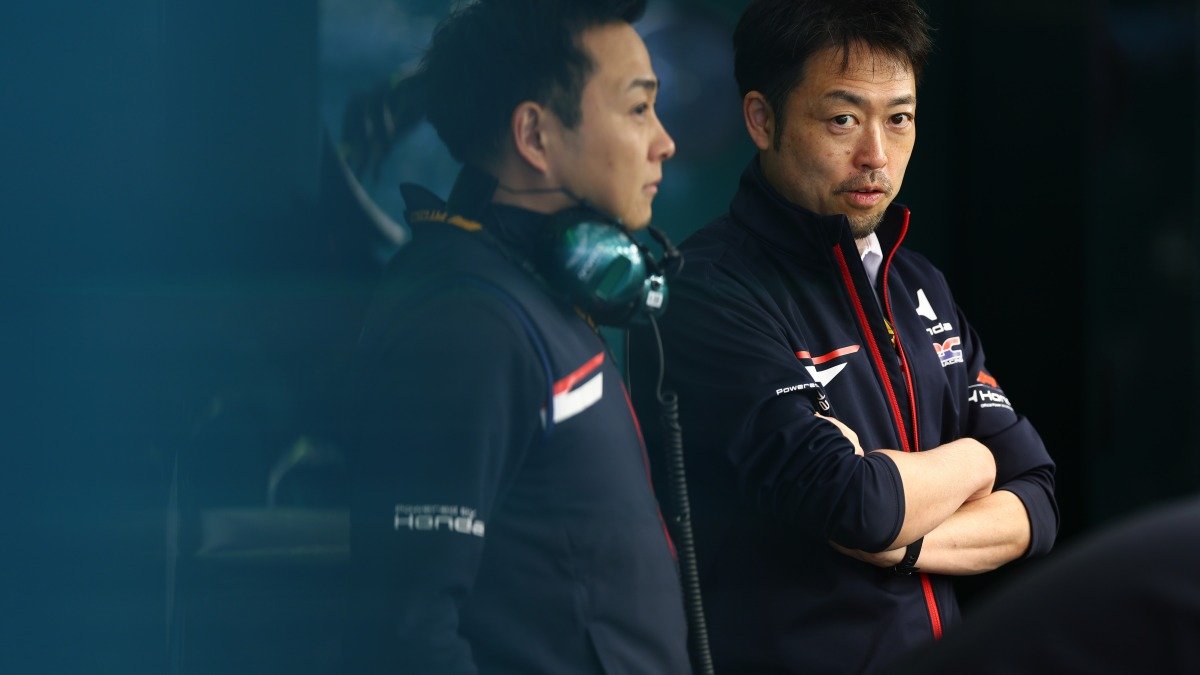
Honda expects a tough race on home soil in Suzuka, but can breathe a sigh of relief as they confirm their first sign of progress on their F1 reliability concerns. Shintaro Orihara, Trackside General Manager and Chief Engineer, spoke about the passion and support the Japanese marquee has for them in Suzuka. In Honda’s preview, he noted:
“Before I joined the Honda Formula 1 project, I was a big fan of Honda and motorsport. I have been attending Suzuka for decades; I was always excited to watch the sessions and cheer for Honda, so I know how passionate the fans are! Now I am proud to work in front of them, and we will keep pushing hard to show them what we can do. We know we can count on their support even if we would like to show better results on track.”
Orihara confirmed that the team made progress during the F1 Chinese GP weekend, although engineers are still investigating the root cause of the vibration problem.
“In China, we made some progress in terms of battery reliability thanks to a reduction in the vibration affecting the systems, but we must find more solutions to establish the cause of the vibrations affecting the drivers. We have also focused our efforts in the gap between China and Japan to continue to improve our reliability, but still our performance is not where we want it to be, especially regarding energy management.”
Honda has also identified energy management as another area that requires improvement. The 2026 F1 regulations place heavier emphasis on electrical deployment and regeneration, and limited mileage due to reliability concerns prevented Honda from fully validating its operating window earlier in the season.
Honda set for stern test at Suzuka this weekend
Suzuka presents a further challenge. The circuit’s high-speed corners and sustained lateral loads place additional stress on both energy deployment and structural stability. With limited long-run data from testing, Honda has relied heavily on learnings from Australia and China to refine its set-up. Orihara suggested the same:
“Suzuka Circuit is a tough track for this, so we have been using the learnings from Australia and China to prepare better for the Japanese Grand Prix.”
Honda also continues to operate under development restrictions introduced for 2026. Honda must validate any major hardware changes through dyno testing and secure approval under reliability allowances, which slows the pace of fixes. With Aston Martin as the only customer, data collection remains limited compared to manufacturers running multiple teams.
After tasting success at Suzuka in recent years, the 2026 F1 Japanese GP is going to be a difficult outing for Honda. For Aston Martin and Honda right now, simply reaching the chequered flag would count as success, and even running strongly through half the race still appears an ambitious target.