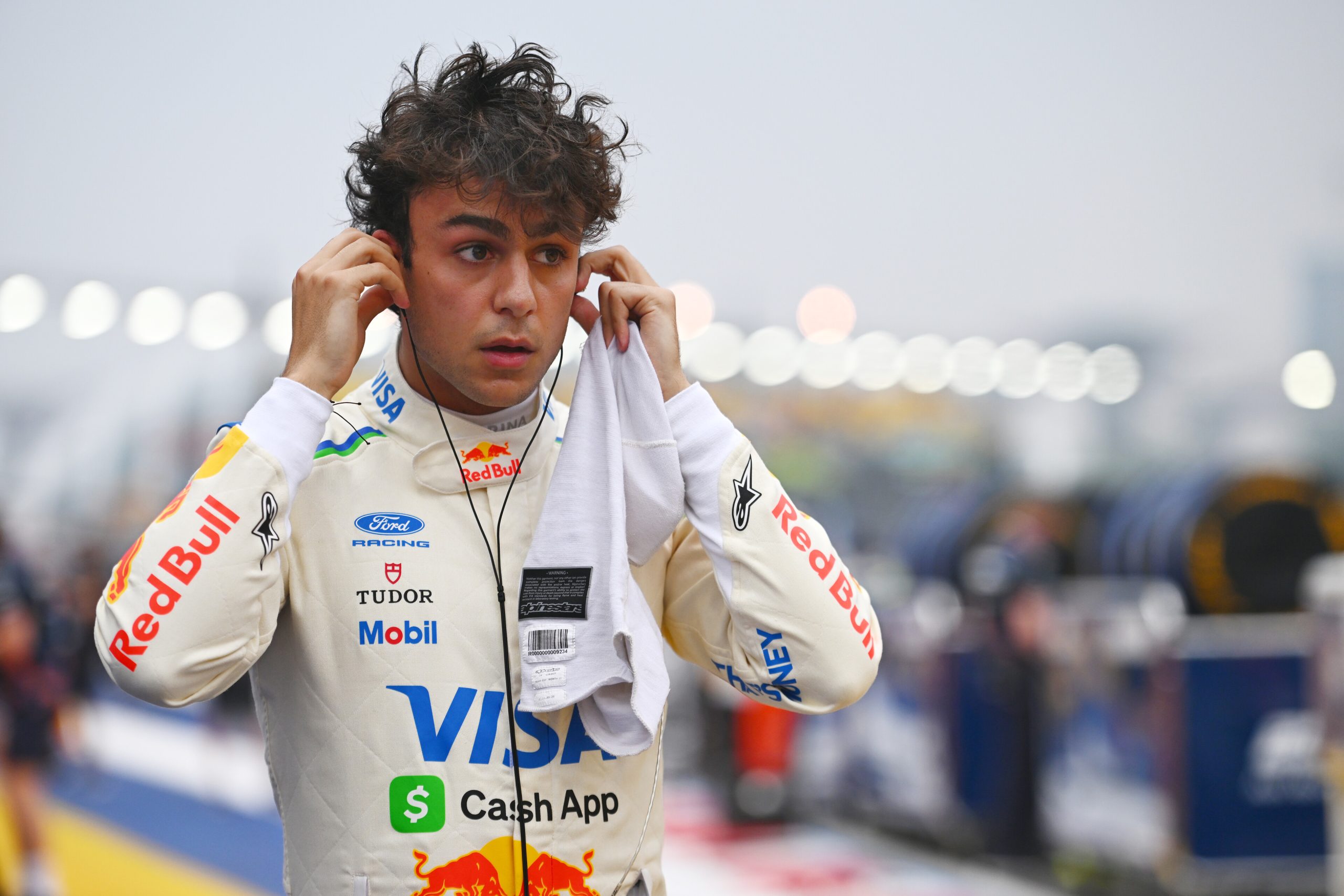
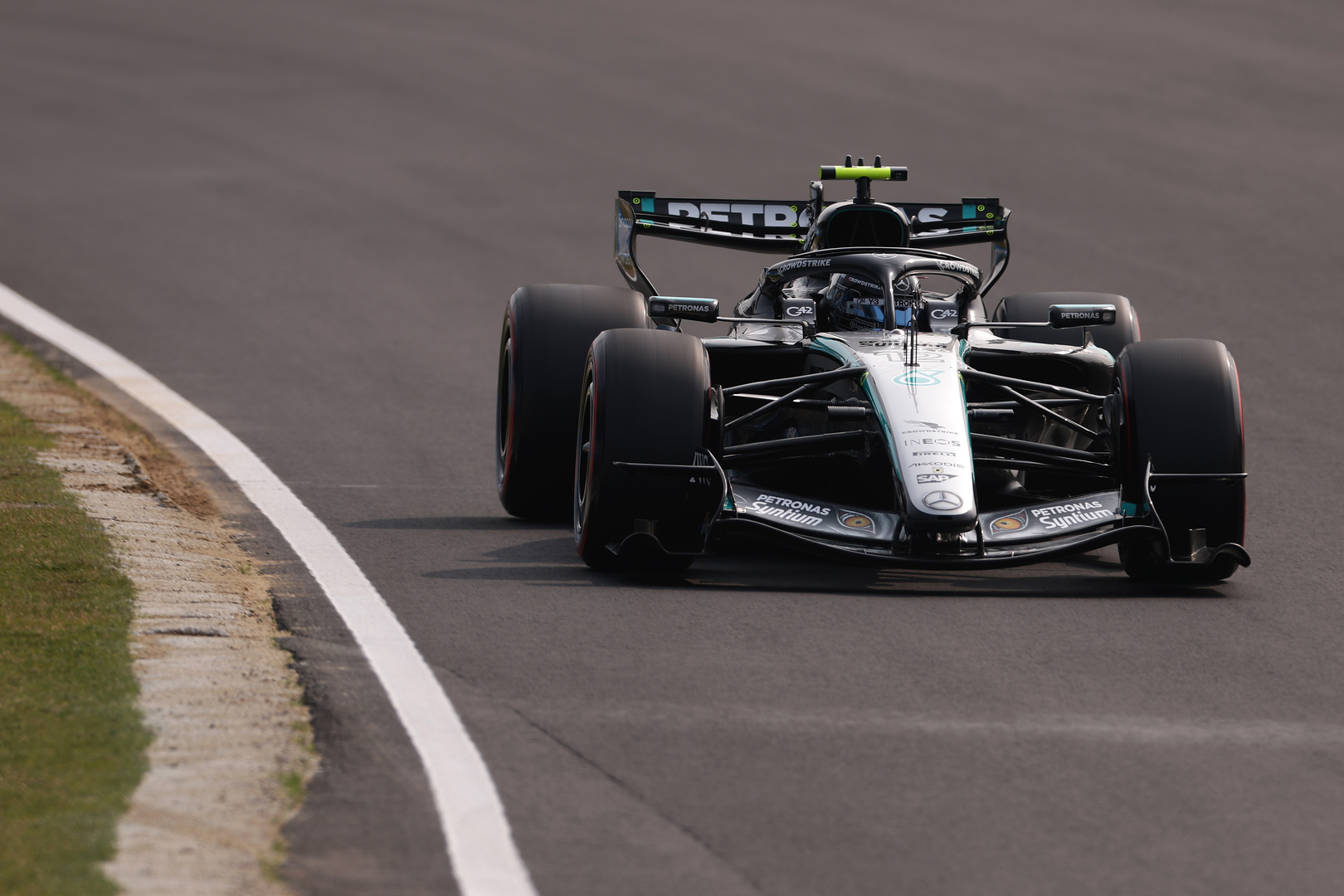
The FIA has banned an engine-related qualifying trick used by Mercedes and Red Bull, after both teams were found to have exploited a loophole in the 2026 F1 regulations to gain a significant speed boost at the end of a lap. Both manufacturers had found a way to override the mandated power reduction that should occur as cars deplete their battery energy down the straights.
Rather than adhering to the “ramp-down” phase, Mercedes and Red Bull were able to sustain maximum energy deployment for longer periods. This ultimately gave them an advantage of around 50kW to 100kW over their competitors. While some gains were only hundredths of a second, they still proved crucial in the fight for grid positions. However, the FIA has now banned this practice moving forward.
How did Mercedes and Red Bull avoid the “ramp-down” phase?
Both teams were able to exploit this maximum deployment method due to a rule in the regulations that allowed the MGU-K to be disabled in certain situations without needing to follow the usual ramp-down requirements. The system served as a safeguard for teams to protect power unit components in the event of a detected issue. However, the rule created ambiguity regarding the distinction between a legitimate shutdown and a performance gain.
To counter the issue, the FIA introduced a “continuous offset” mode that disables the MGU-K for 60 seconds after shutdown, aiming to deter any advantage from its use. However, both Mercedes and Red Bull realised the system could still be exploited at the end of a qualifying lap, where the subsequent cooldown lap made the counter irrelevant.
Once the loophole became clear, further measures were introduced to prevent teams from using this tactic to gain an advantage.
Ferrari led talks with the FIA
Both manufacturers were spotted using the MGU-K trick since the season-opener in Melbourne. However, it wasn’t until the Japanese GP where safety issues became apparent. The temporary lost of the MGU-K deployment left drivers at risk of slowing dramatically or even struggling to complete their laps safely—an issue that was hinted in Melbourne but wasn’t linked to the tactic at the time.
At Suzuka, The Race revealed that the FIA held talks with the manufacturers to emphasize that, although the MGU-K was technically legal, teams had to ensure it didn’t create any complications that could leave cars struggling to complete laps when used. Ferrari had led conversations with the FIA, who seeked clarification while also raising safety concerns over the tactic’s legality.
After these discussions, the FIA prohibited the trick and specified that the MGU-K shutdown should only occur in genuine emergencies. With the FIA able to monitor data to identify any misusage, all teams are now expected to use the rule as intended.
Following the issues Kimi Antonelli faced in practice at Suzuka, Mercedes had opted to disable the system after subsequent talks with the FIA.