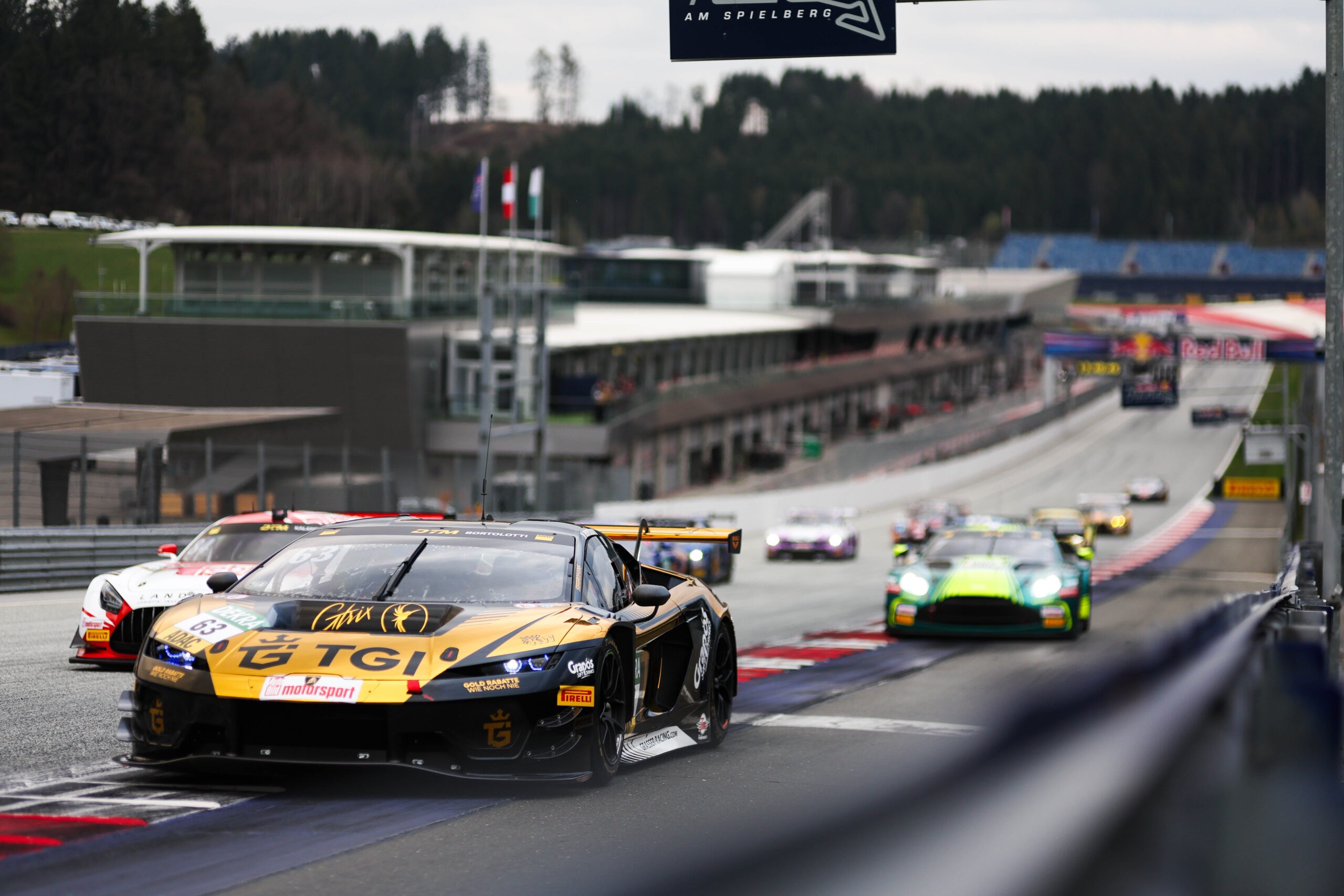
The 2026 DTM season has not even turned a wheel in anger yet, and already the technical battle behind the scenes has been one of the most complex in the series’ history. When the Balance of Performance (BoP) landed in team inboxes on Wednesday evening, days later than usual, it was the result of weeks of headaches for the sport’s governing body. Here is why this weekend at the Red Bull Ring could produce some genuine surprises.
What is the Balance of Performance and why does it matter?
In GT racing, cars from different manufacturers compete against each other directly, but they are not born equal. A Porsche, a BMW and a Lamborghini all have different engines, aerodynamics and weights. The BoP is a set of technical restrictions and adjustments, applied by a neutral body, that attempts to level the playing field. It typically adjusts things like engine restrictor sizes, which limit airflow and therefore power, boost pressure for turbocharged engines, and minimum weight. Getting it right is critical. Get it wrong and one manufacturer dominates; get it very wrong and the racing becomes processional.
Nobody has done this before
Every year, the SRO Motorsports Group faces the task of calculating a BoP that gives each manufacturer a fair shot at victory without neutering the competition. They do it by analysing data from across the GT racing world, cross-referencing performance from multiple series and circuits to build a reliable picture of where each car stands.
This year, that process hit a wall. The new Pirelli tyre, developed exclusively for the DTM and debuting this season, exists nowhere else in motorsport. No other series runs it, which means SRO had no external data to work with. Every number had to come from DTM testing alone, and when heavy rain washed out a crucial qualifying simulation at the Spielberg test last Tuesday, even that source ran dry.
Faced with a significant data gap, SRO took the unusual step of requesting detailed runsheets directly from the manufacturers. These internal documents log every setup change, fuel load and lap time from the test day. It was an unprecedented move, and one that raises an obvious question: in a sport where a favourable BoP can be worth several tenths of a second per lap, how confident can anyone be that every team handed over the full picture?
A grid that has changed almost everywhere
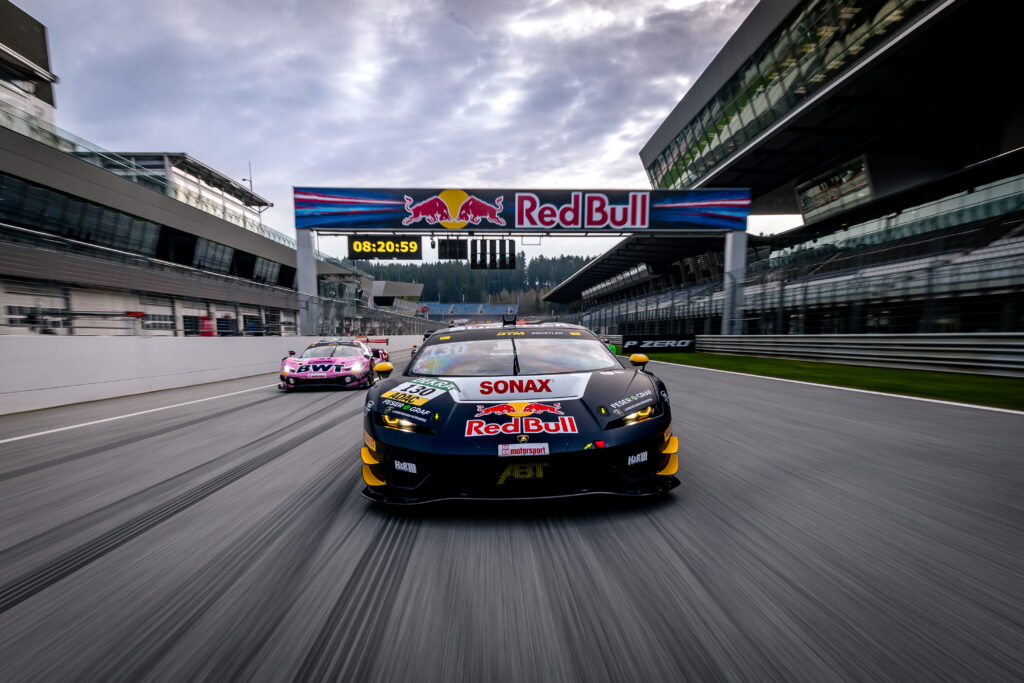
Even without the tyre question, the 2026 grid would have presented SRO with a significant puzzle. The Lamborghini Temerario GT3 is a brand new car with no DTM history whatsoever. Porsche, Ferrari and Ford all arrive with updated Evo specifications that perform differently to last year’s cars. BMW has fitted a new turbocharger to the M4 GT3, fundamentally changing how its power delivery should be assessed.
In short, SRO could not simply adjust last year’s numbers and call it done. Almost every car on the grid required a fresh evaluation.
Why Spielberg makes everything harder
The Red Bull Ring sits at almost 700 metres above sea level, and altitude is the enemy of naturally aspirated engines. At that height, a car running without a turbocharger loses between 15 and 20 horsepower compared to a sea-level circuit. Turbocharged cars manage this better because their boost systems actively compensate for the thinner air, with ambient pressure continuously monitored and fed into the engine management.
The circuit layout makes any power imbalance more consequential than at most venues. Long, flat-out straights dominate the lap, with only eight corners of real significance. At a technical circuit, a small power deficit can be masked through mechanical grip and driver skill. At the Red Bull Ring, it simply shows up on the timing screens.
Add a forecast that swings between 5 and 24 degrees Celsius across the weekend and the picture becomes even more complicated. Turbocharged engines respond well to cold air and less well to heat. A car that feels perfectly balanced in cool morning practice could feel entirely different by Sunday afternoon.
The adjustments and what they tell us
The BoP that emerged from this process tells its own story about where each car arrived heading into the season.
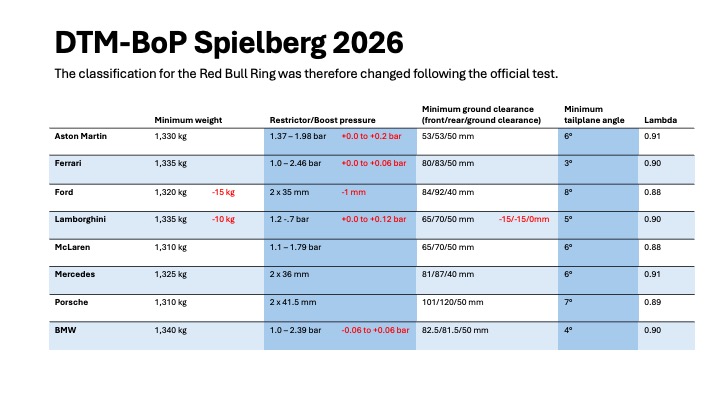
The McLaren sets the reference point, remaining completely untouched after Ben Dörr posted the fastest time at the test. The Mercedes-AMG arrives in a stronger position than many might expect. It carries a relatively small 36-millimetre restrictor, a favourable lambda value of 0.91, and a low minimum weight of 1,325 kilograms. The lambda value refers to the air-to-fuel mixture in the engine; a lower figure typically allows for more power. Crucially, the new Pirelli tyre reaches operating temperature more quickly than last year’s compound. That matters because the AMG famously struggled to warm its tyres at Spielberg in 2025, forcing the team into major suspension compromises. That problem may simply not exist this year.
The Porsche retains a large 41.5-millimetre restrictor from the test, a figure it shared with last year’s car. Given the strong showing at the GT World Challenge Europe opener in Le Castellet, the decision to leave it unchanged suggests SRO considers the Evo version competitive as it stands.
BMW tells a more complicated story. The M4 suffered severely from tyre graining at the test. Graining occurs when a tyre overheats and the rubber tears away from the surface in small chunks rather than wearing smoothly, causing a sudden and significant drop in grip before the tyre has delivered a representative lap time. SRO has responded by increasing boost pressure by up to 0.06 bar in the mid-range. Boost pressure refers to the amount of compressed air a turbocharged engine forces into its cylinders; increasing it raises power output, and SRO uses it as one of its primary tools for closing performance gaps between manufacturers. Until the graining issue is resolved, however, raw pace figures may still flatter the car.
The cars that needed the most help
The Lamborghini arrives as the great unknown. As a completely new car making its competition debut, the Temerario receives the most generous adjustments on the grid, including up to 0.12 bar of additional boost pressure in the lower rev range, further gains across the mid-to-high range, and a ride height reduction of 0.15 millimetres at both ends of the car. Running closer to the ground generates more aerodynamic downforce and improves cornering grip. Whether those adjustments prove sufficient for a brand new car finding its feet in a new series is one of the most fascinating questions of the weekend.
Ferrari and Aston Martin both receive boost pressure increases across their rev ranges. The mid-engined Ferrari 296 GT3 Evo gains between 0.03 and 0.06 bar across almost the entire rev band, while the Aston Martin’s adjustment of 0.2 bar in the lower range stands out as the largest single change of any car on the grid. It points to a significant deficit at low engine speeds that SRO has moved aggressively to address.
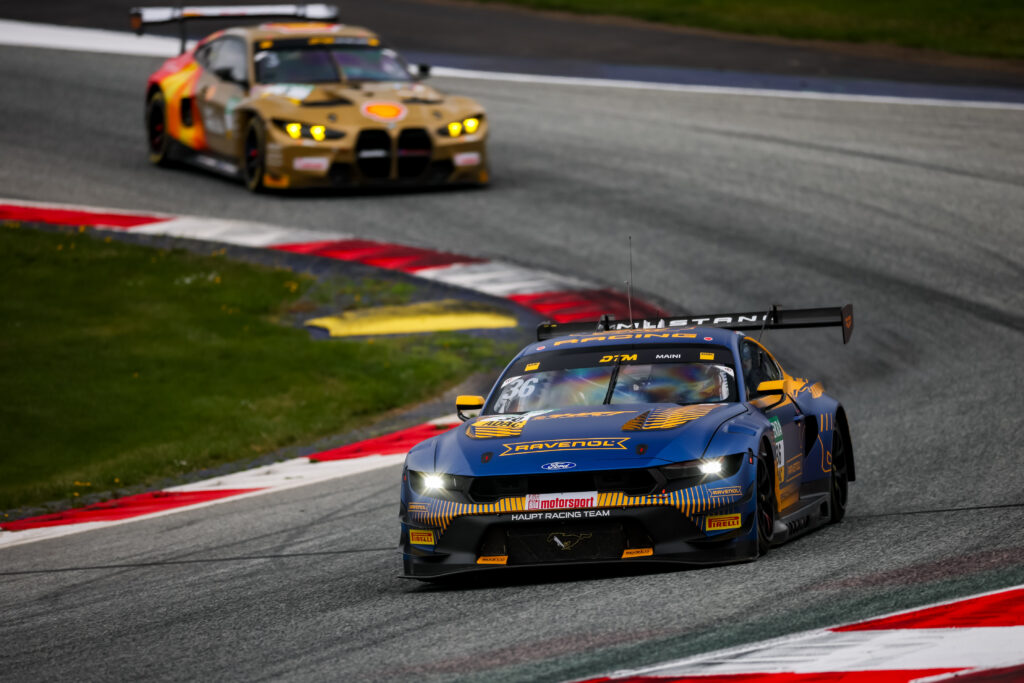
The Ford Mustang benefits from a special dispensation on ground clearance, running at 40 millimetres rather than the standard 50 millimetres required of cars homologated from 2022 onwards. The lower ride height brings aerodynamic benefits in the corners without requiring an increase in straight-line power. SRO has actually tightened the Mustang’s restrictor by one millimetre to 35 millimetres, down from 38 millimetres last year, acknowledging that the long straights at the Red Bull Ring would otherwise suit the American car rather well.
A weekend of questions
No BoP is ever perfect, but this one carries more uncertainty than most. A tyre nobody has raced before, a grid that has changed almost everywhere, a circuit that punishes miscalculation, and a data collection process that relied partly on manufacturers marking their own homework.
The opening races of 2026 will not just decide who leads the championship after round two. They will reveal whether anyone has truly understood the new Pirelli, and whether SRO has managed to keep the field honest in spite of everything working against them.