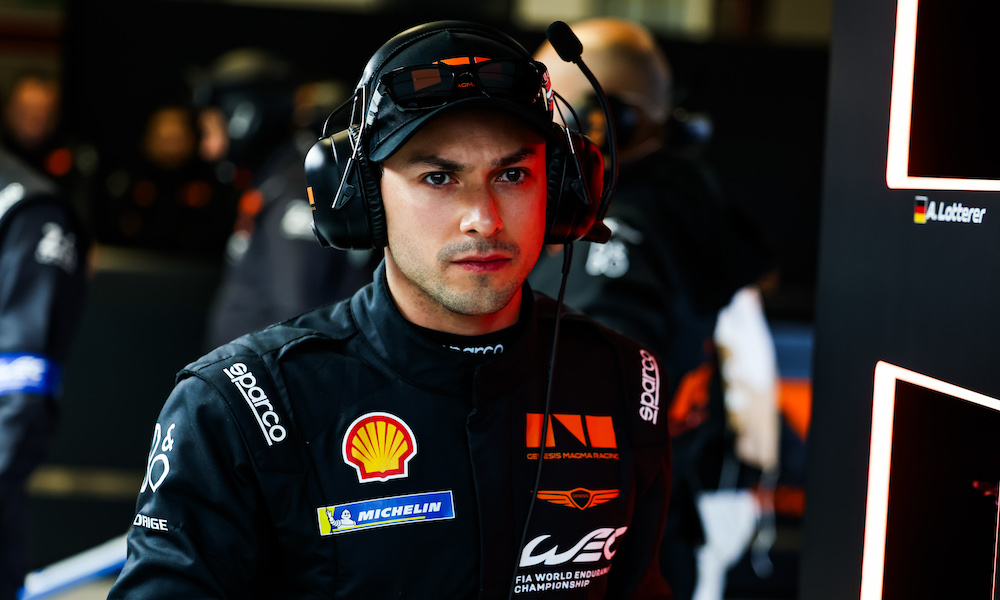
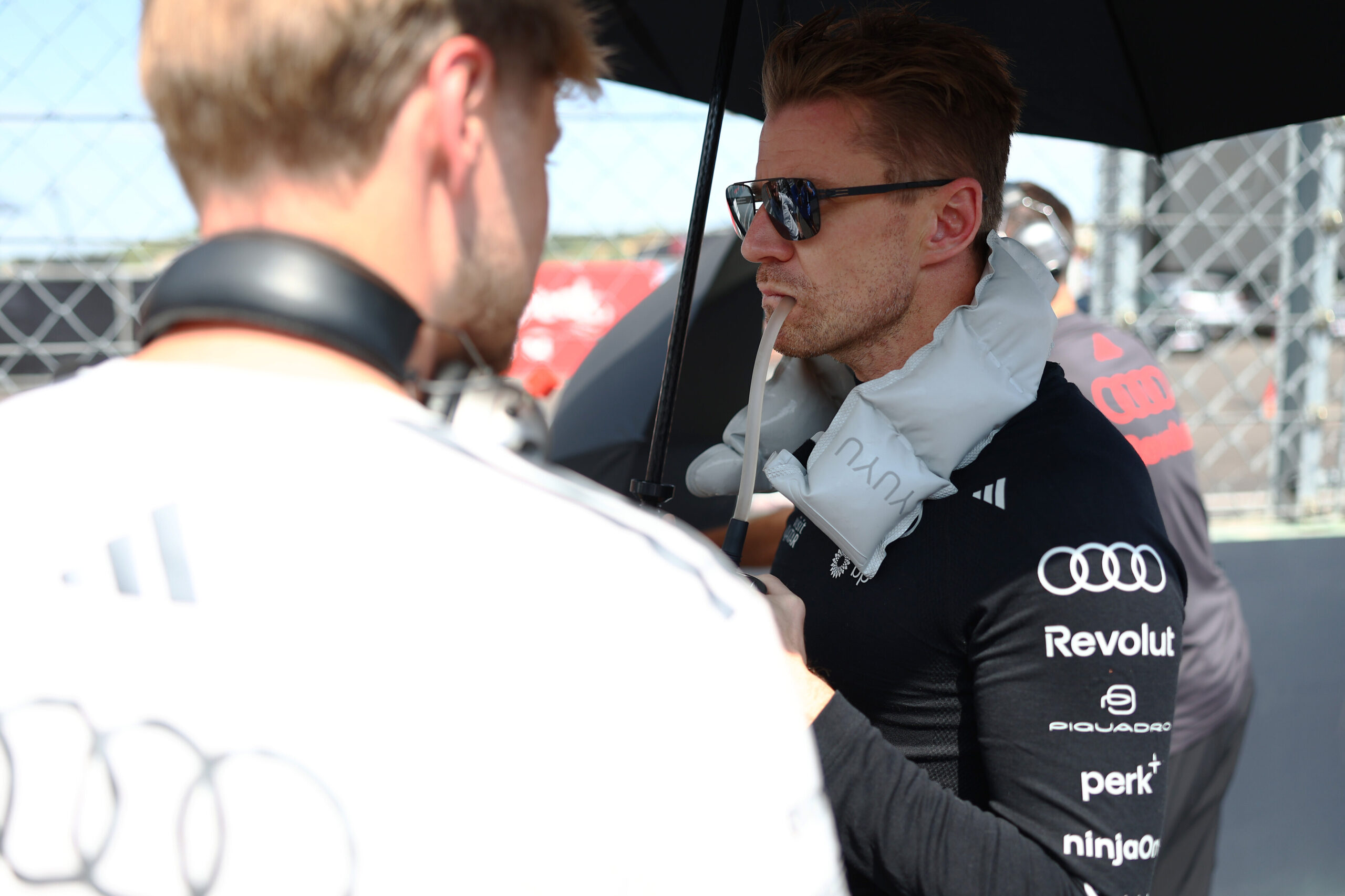
Nico Hülkenberg has defended Formula 1’s (F1) current generation, insisting that drivers can still influence performance in 2026 despite the greater emphasis on energy management and changing deployment characteristics after the change of the regulations.
The latest technical regulations have altered the way drivers extract lap time, particularly as they balance outright speed with energy recovery and deployment. That has led to debate over whether the cars now place more importance on software and systems than on the driver’s own input.
Hülkenberg, however, does not believe the changes have reduced the role of the driver to the extent some have suggested. While he acknowledged that the cars behave differently and offer less cornering performance than their predecessors, he argued that adapting to those characteristics has simply become another part of the challenge.
Nico Hülkenberg is still enjoying F1’s new generation
Asked whether he still enjoys racing this version of F1 compared to last season, Hülkenberg made clear that the different characteristics due to the new regulations have not reduced his enjoyment behind the wheel.
“Yeah, I enjoy it.”
One of the main talking points surrounding the current regulations has been the amount of control drivers retain over the car’s ultimate performance. Slower cornering speeds and a greater focus on energy optimisation have changed the rhythm of a lap. Drivers must also pay closer attention to how they use the available electrical energy, particularly over a race distance.
Hülkenberg, however, does not see that as evidence that F1 drivers have lost control over performance due to the regulations. Instead, he believes the reduction in cornering speed needs to be considered alongside how quick the previous generation of cars had become.
“I don’t feel it that way, to be honest. Of course, cornering speeds are slower. But we knew this going into the season, and to be honest, I think last year, sometimes the cornering speeds were a bit out of control.”
Energy optimisation has become a new challenge
For Nico Hülkenberg, one of the biggest adjustments has centred on learning how to optimise energy throughout a lap and across a full race distance. Drivers have had to understand where they can use energy most effectively and how they should alter their approach depending on the demands of a particular circuit.
That can make the cars feel less dynamic at certain points, particularly when drivers must prioritise energy management rather than simply attacking every section of the lap. Despite those differences, Hülkenberg believes the cars remain quick enough to provide a meaningful challenge. The Audi driver also stressed that drivers can still separate themselves through the way they adapt to the machinery.
“I know it’s getting a bit too much perhaps here and there. But I think everyone had to learn about this energy optimisation, especially in the race, how to offset yourself. Like I said, it’s a bit less dynamic sometimes, but I think it’s still quick. It’s not like we’re super slow. And the drivers can still make a difference.”
His comments suggest that the skill set required from drivers has changed rather than disappeared. Outright pace remains crucial, but drivers must now combine it with a stronger understanding of energy recovery and deployment.
Qualifying brings additional deployment variation
Energy management also introduces another variable during qualifying, where differences in deployment can influence straight-line speed and overall lap time. Those changes can become more noticeable as drivers progress from Q1 through to Q3. Track conditions generally improve and drivers often find more lap time, but quicker laps can also alter the car’s energy requirements.
More time spent at full throttle can reduce the opportunity to recover energy. As a result, the car may need to distribute the available electrical power differently around the lap, changing where a driver receives maximum deployment.
Hülkenberg explained that this variation also depends heavily on the characteristics of the circuit and can become more apparent as qualifying progresses.
“Again, it’s a bit track-dependent, but there is some variation in that, especially in quali. Because, you know, from Q1 to Q2 to Q3, normally you do go quicker. If you go quicker, you have more full-throttle time, less recovery, so you have to give it up somewhere. And obviously that changes a bit the deployment plan, and where you maybe have the top speed can change a bit from one session to another. So there’s an element of that, but I think that’s kind of part of the game and part of the new challenge here.”