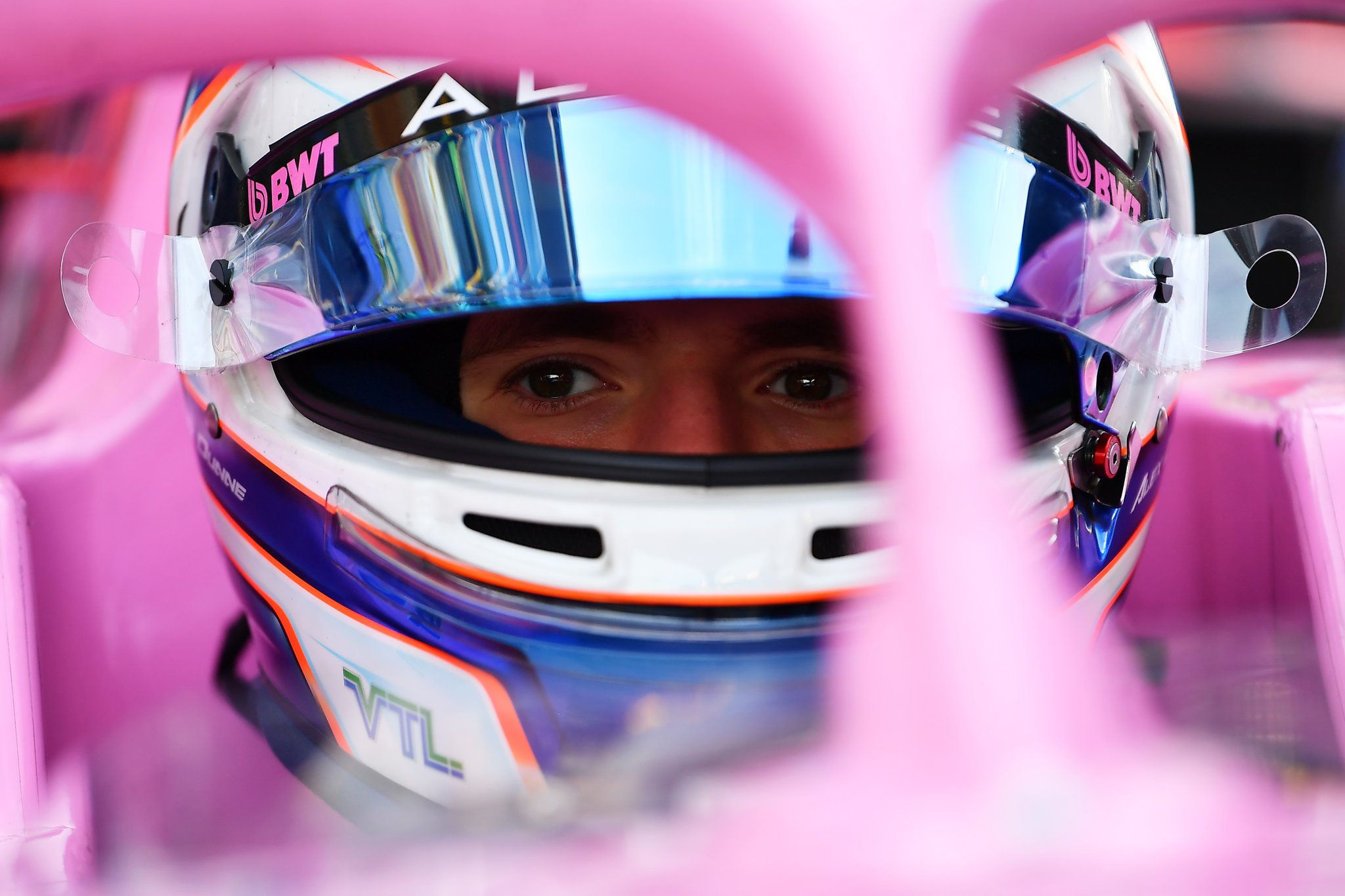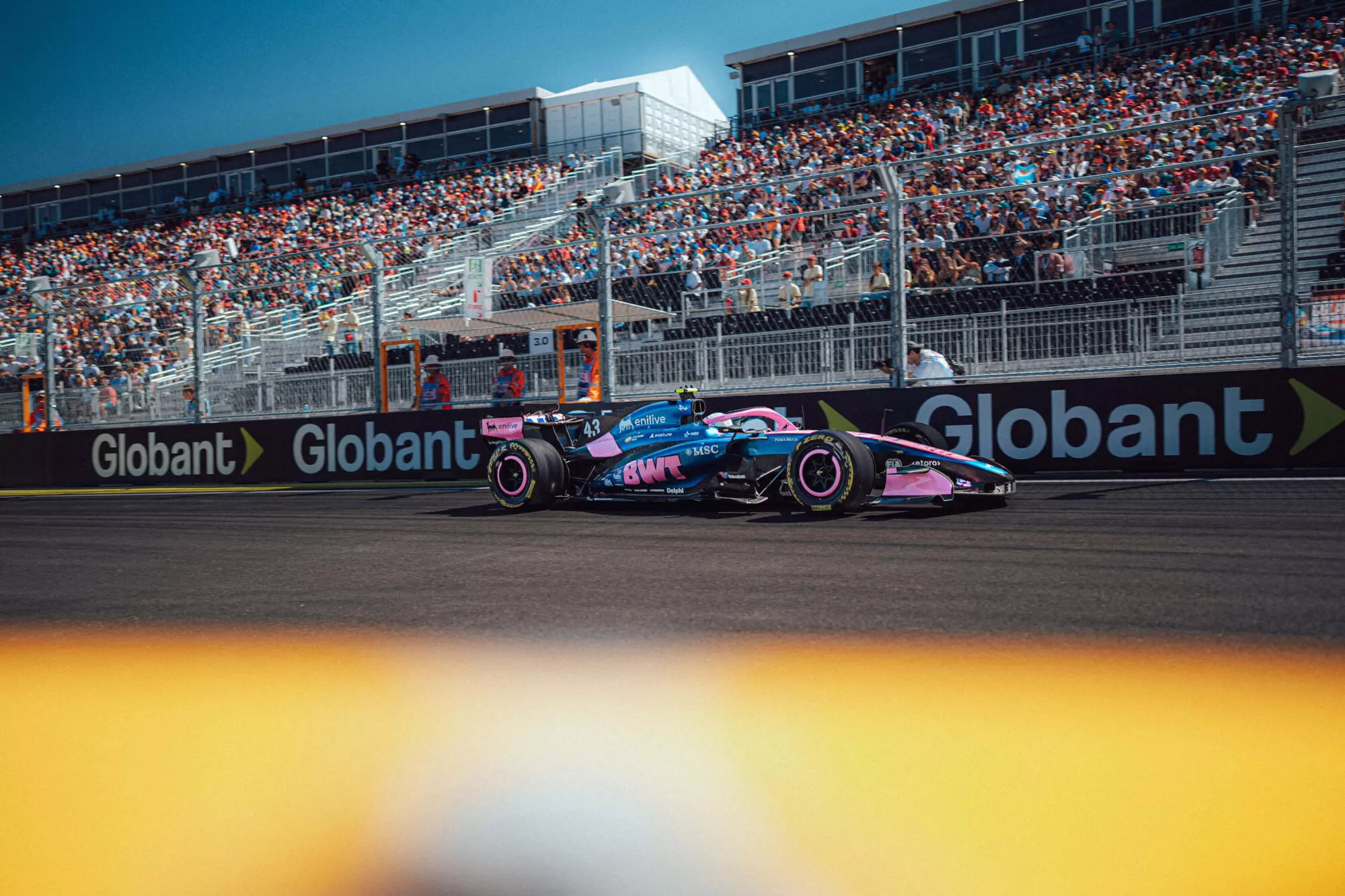
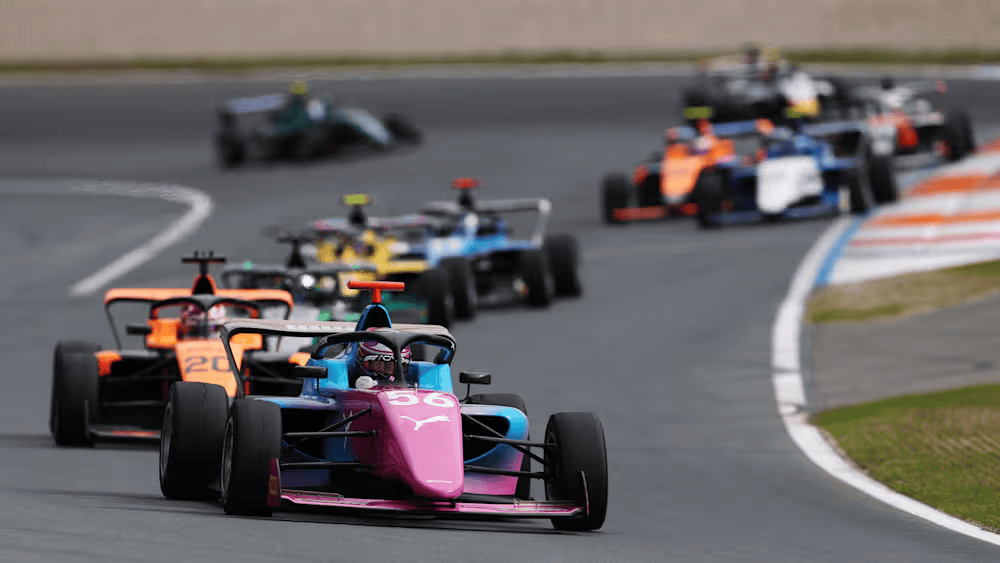
Rachel Robertson finished seventh in the Feature Race at the F1 Academy Dutch GP at Zandvoort, extending her points-scoring streak to four consecutive rounds. She now heads into Round 5 at the Circuit of the Americas on a run of form that began at Silverstone.
Robertson on racing at the 2026 F1 Academy Dutch GP
A DRS train formed behind Palmowski in the early laps of the Feature Race. Robertson found herself part of that group and was unable to make progress through the field. She identified the opening lap as the key moment at a circuit where overtaking becomes nearly impossible once the field settles.
“It was definitely one of those tracks where if you can make any moves on the first laps, especially the first corner of the first lap, then you can actually do something,” Robertson stated.
“Whereas when the race settles down, no driver I saw could really make any progress. I found that if I made a mistake on a corner, I could easily make that time back. But once I was behind that next car, then it was really difficult to find a space and actually gain time.”
Robertson on her improved form over the last four rounds
Robertson failed to score in the opening two rounds in Shanghai and Montreal. She has since collected 22 points across Silverstone and Zandvoort. She credited the consistency she has built recently for helping her unlock more from the car.
“It was always there. It was just a case of actually putting something together and being able to work off some consistency instead of thinking maybe we will just give it another weekend because we don’t actually know what the problem is because I’m driving all over the place and not actually getting something put together.”
“Even with the races, it uncovers a lot of the lack of racecraft I have in these cars. Now I’m starting at the front, I’m with a higher calibre of drivers who have got more experience and who are used to fighting these drivers at the front as well.”
Robertson on learning from the drivers around her at the F1 Academy Dutch GP
Racing at the front of the F1 Academy field has given Robertson the chance to study how the most experienced drivers in the series approach wheel-to-wheel battles. She sees the back-to-back weekends in Silverstone and Zandvoort as a valuable education.
“I’m coming along and then I’m late to the party to learn how they drive as well. It’s really good to be able to do that two weekends in a row now and gain more learning and experience from these drivers.”
“It’s really good to watch the cars in front. Especially as well because I didn’t score points in the first two rounds, so I actually don’t have anything to lose,” said Robertson.
Having nothing to lose in the championship has allowed Robertson to study those around her without the pressure of protecting a points position. She has used that freedom to observe how the title contenders approach the final two rounds.
“I can watch the drivers who do and now are in that pressured situation of we have only got two rounds left and they are actually needing to fight for these last few points. Being able to watch how they move the car, how they try and pressure the car in front of them, what move they actually try to make stick and what move they do a dummy to the car in front, that’s really interesting for me to learn from them.”
Robertson on heading to Austin for Round 5
Robertson heads into Round 5 of the 2026 F1 Academy season at the Circuit of the Americas without any prior experience of the track, as does most of the grid. She sees the unfamiliar challenge as an opportunity to measure how much she has progressed over the course of the season.
“I think it will be really fun,” she said. “It’s a new track for everyone, it’s also a really long track, it’s super wide. It’s almost like Silverstone but even longer. You have different types of corners, different elevations and cambers. It will be really exciting to get to the track and see how all the drivers cope with that.”
Robertson continued: “It again puts everyone on that same level, so it will actually really show (whether we) have developed, where have we developed and how much we have developed. It will be really good to actually put that to the test.”