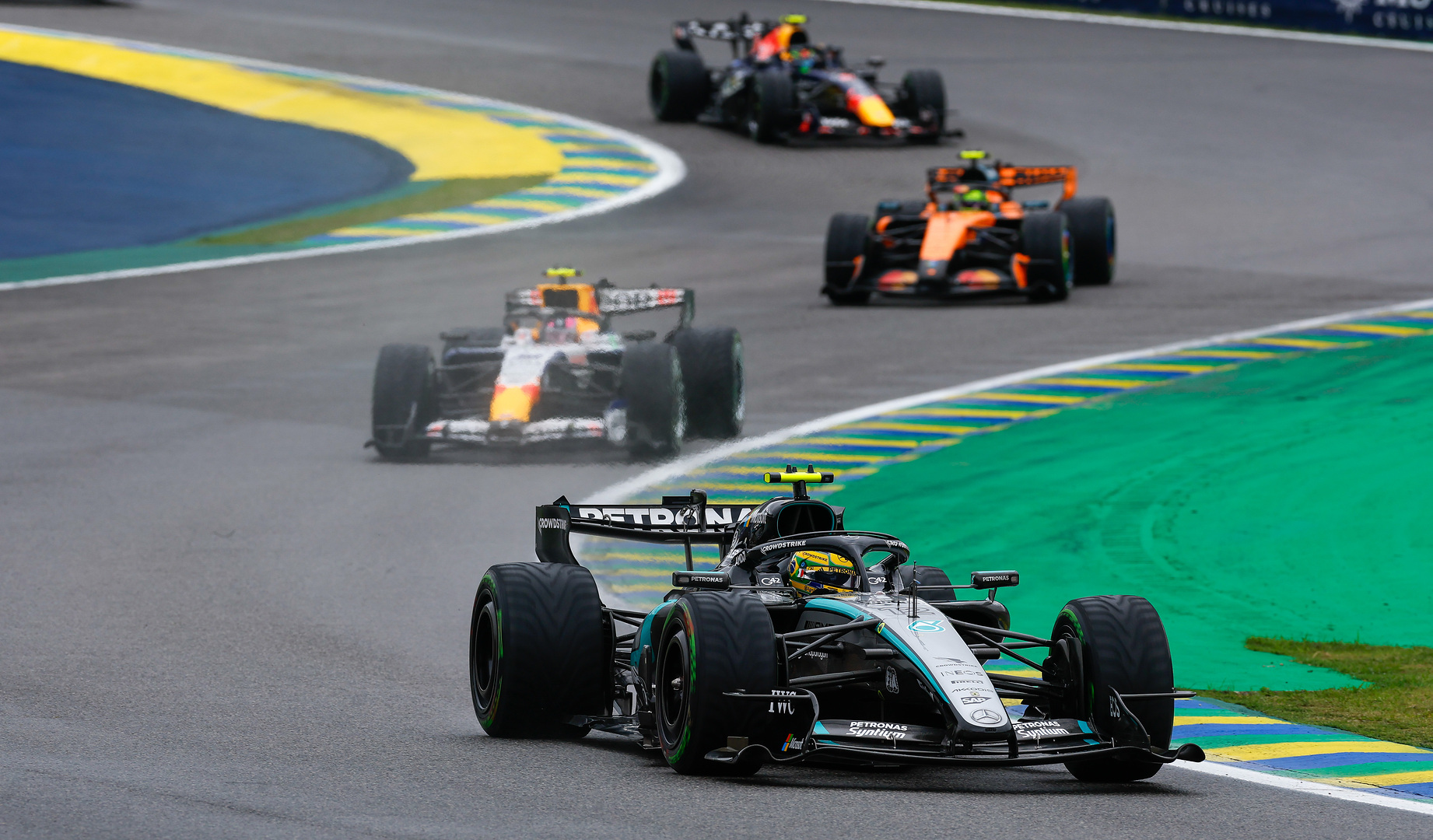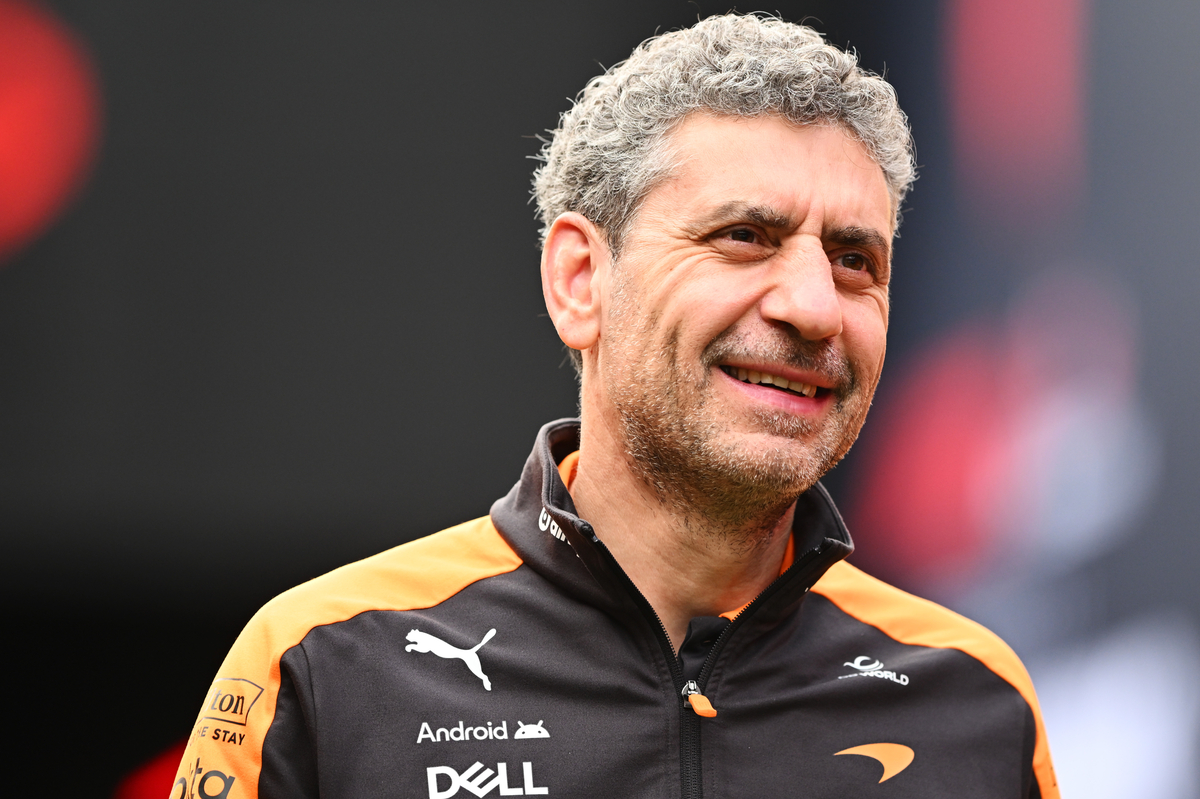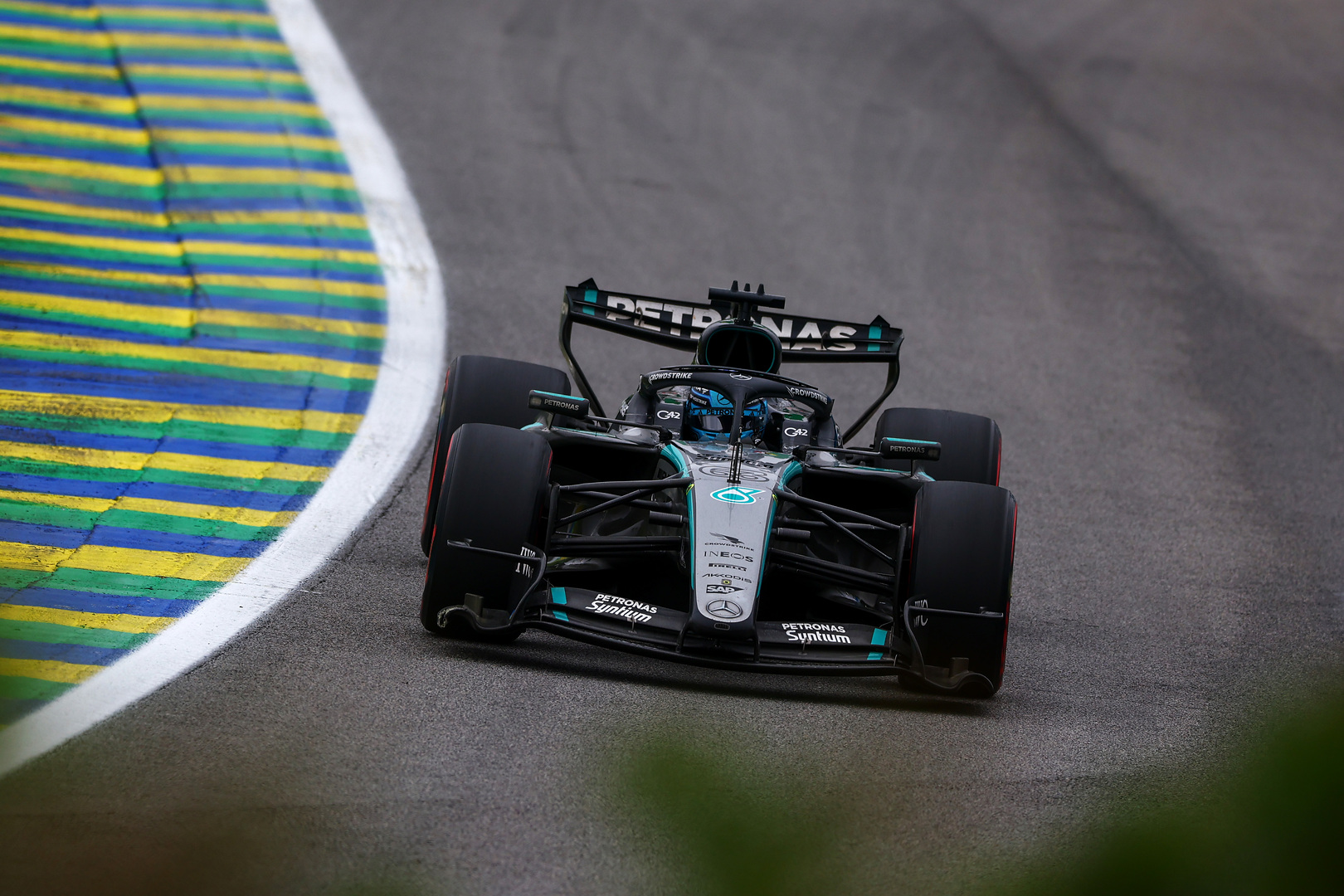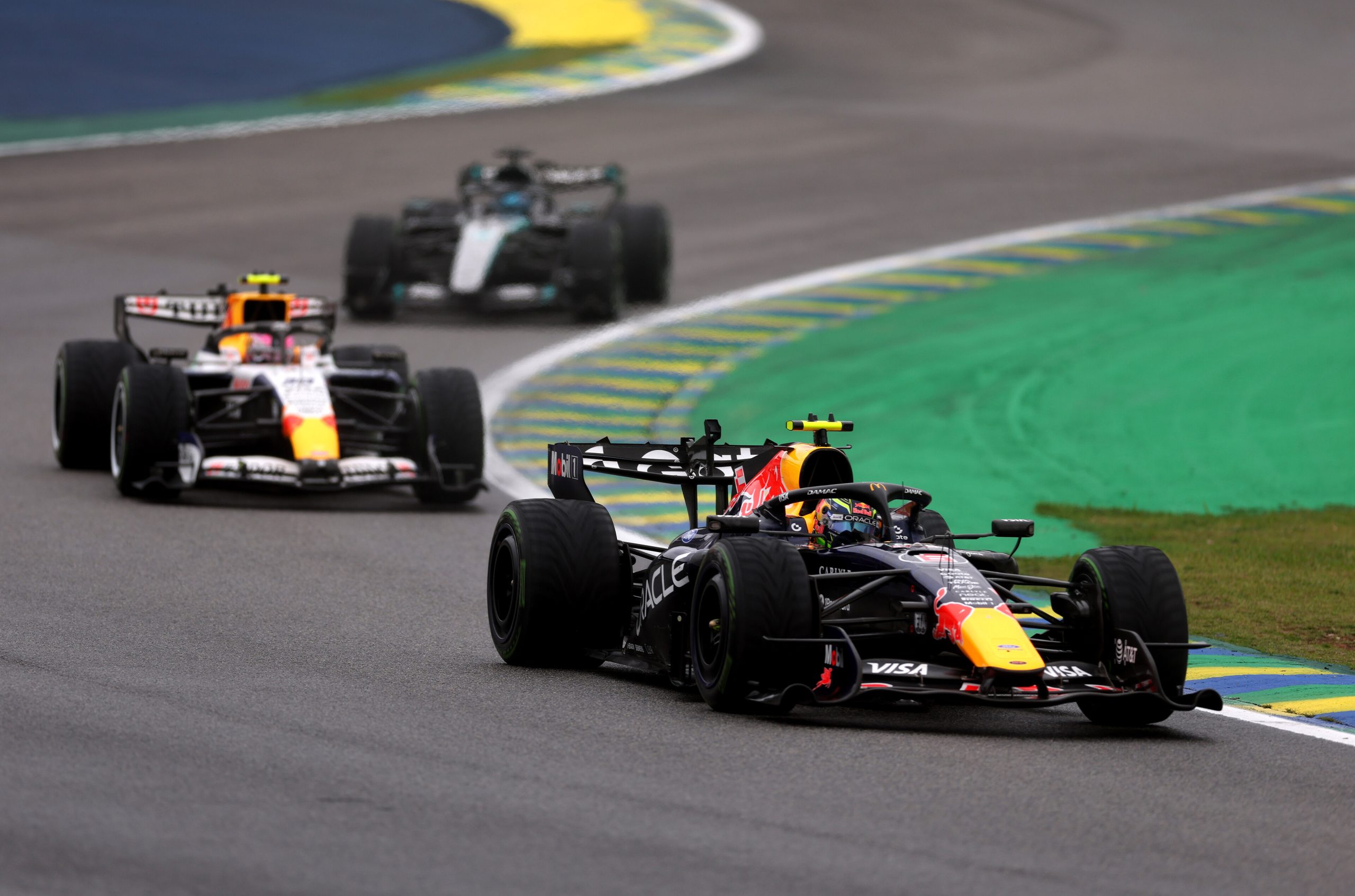
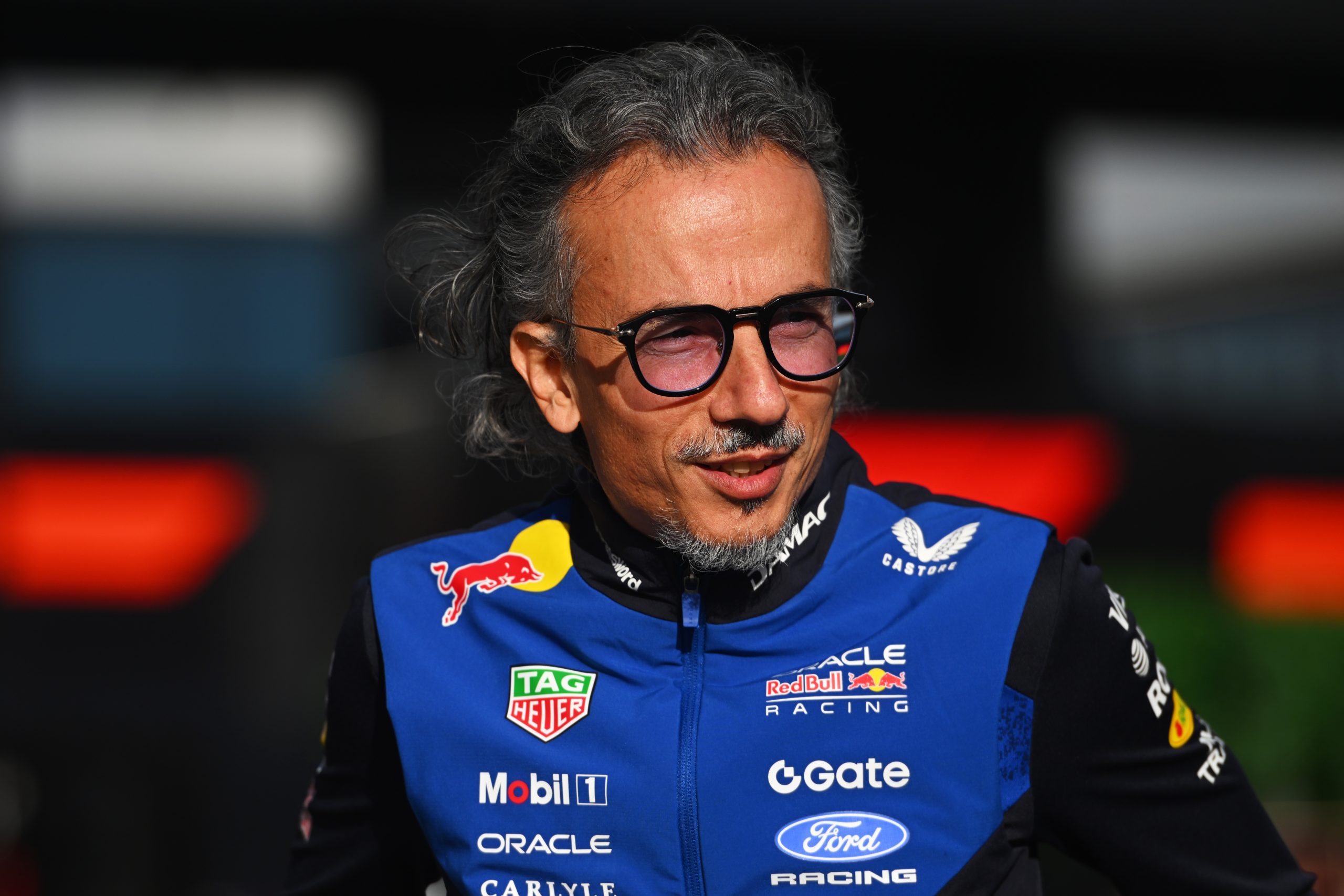
Red Bull Team Principal Laurent Mekies praised Max Verstappen’s extraordinary recovery drive at the 2026 F1 São Paulo GP, where the Dutchman climbed from 21st on the grid to finish second behind McLaren’s Lando Norris. Despite the impressive result, Mekies admitted that Red Bull still had questions to answer regarding the RB22’s performance and balance throughout the race.
Verstappen entered Sunday’s Grand Prix facing a significant challenge after Red Bull exceeded the permitted allocation of power unit components, resulting in a back-of-the-grid penalty. However, the four-time World Champion made rapid progress in the opening stages, gaining eight positions on the first lap alone before continuing his charge towards the front, getting into the top 3 by Lap 24. He eventually secured second place, completing a double podium for Red Bull alongside teammate Isack Hadjar, who finished third.
Mekies admits frustration over power unit penalty despite Verstappen’s exceptional recovery
Speaking after the 2026 F1 São Paulo GP, Mekies acknowledged the frustration of having to start Verstappen towards the back of the grid, particularly after Red Bull had demonstrated promising pace earlier in the weekend. Nevertheless, he highlighted the Dutchman’s remarkable ability to outperform the team’s simulations, which could not have predicted such a significant recovery.
“As always. I think no sim in the world will predict that you go from P21 to P2 or that you get 14 places in five laps. You know, there is no sim being able to do that. So he’s beating the sim on a regular basis. To the first part of your question, of course it’s frustrating because the pace seemed good on Friday and also on Saturday morning, and in some respect in Q1 when we let him qualify, but it’s part of the game.”
Unexpected power unit issue forced Red Bull to accept penalty
The penalty followed Red Bull’s decision to introduce additional power unit components, including a new internal combustion engine, turbocharger and exhaust. These changes resulted in a combined 30-place grid penalty, forcing Verstappen to start from the back of the field.
Mekies explained that an unexpected problem on the Friday of the 2026 F1 São Paulo GP had left the team with little choice but to accept the penalty. However, he also defended the work of Red Bull’s power unit department, pointing to the challenges of developing and operating its power unit during the first season of the new regulations.
“You know, it’s easy to forget it’s the first year with the Power Unit, and the guys have been doing an extraordinary job, and we took the first penalty with Max this weekend, and that’s what it is. It was not planned, we had a small issue on Friday that forced us to do so, but that’s what it is.”
Despite the setback, Verstappen capitalised on the changing conditions at Interlagos. His aggressive opening laps and consistent overtaking brought him into contention for a podium, while the team’s decision to swap positions between Verstappen and Hadjar allowed him to try and pursue Norris.
Mekies acknowledges McLaren’s pace advantage over Red Bull
Although Verstappen secured an impressive second place, Mekies conceded that McLaren appeared to hold a genuine performance advantage over Red Bull during the Grand Prix. Even without the grid penalty, the Red Bull Team Principal believed Norris would have proved difficult to beat on outright pace as he pulled away in both the dry and on the inters at the end.
“Well done to Lando and to McLaren, I think they were generally a bit faster than us in the race. I also think that even if you start P2, say, I think on pace Lando was anyway a bit a bit faster than us. So of course it’s a different story if you start P2, because you have all the first opening laps risk-taking, on which Max is unbelievable. But I think they were a bit faster than us. Is it degradation? Is it pure pace? Obviously, they brought another fair bit of upgrade this weekend again. Or is it something else?”
Verstappen’s balance struggles leave Red Bull searching for answers
While Norris maintained his advantage at the front and ultimately claimed victory, Verstappen experienced difficulties with his car’s handling as the changing weather forced drivers to switch between intermediate and slick tyres.
According to Mekies, the Dutchman became increasingly dissatisfied with the RB22’s balance once he switched to dry tyres. The problems persisted even when the field returned to intermediates as rain arrived towards the end of the race, leaving Red Bull uncertain about how much performance it had lost.
“Because you may have heard Max being fairly vocal with the car balance once we had switched to dry tyres, and from that point onwards, he has been very, very unhappy with car balance, including when we came back to the inters at the very end. So we need to analyse what happened there, how much of that is time loss, and whether or not that would have been enough to fight with McLaren.”
The result nevertheless provided Red Bull with a valuable double podium after a challenging weekend. While Verstappen demonstrated his ability to recover from an unfavourable starting position, Mekies made clear that the team still needed to understand its balance difficulties before determining whether it could have challenged McLaren more closely.