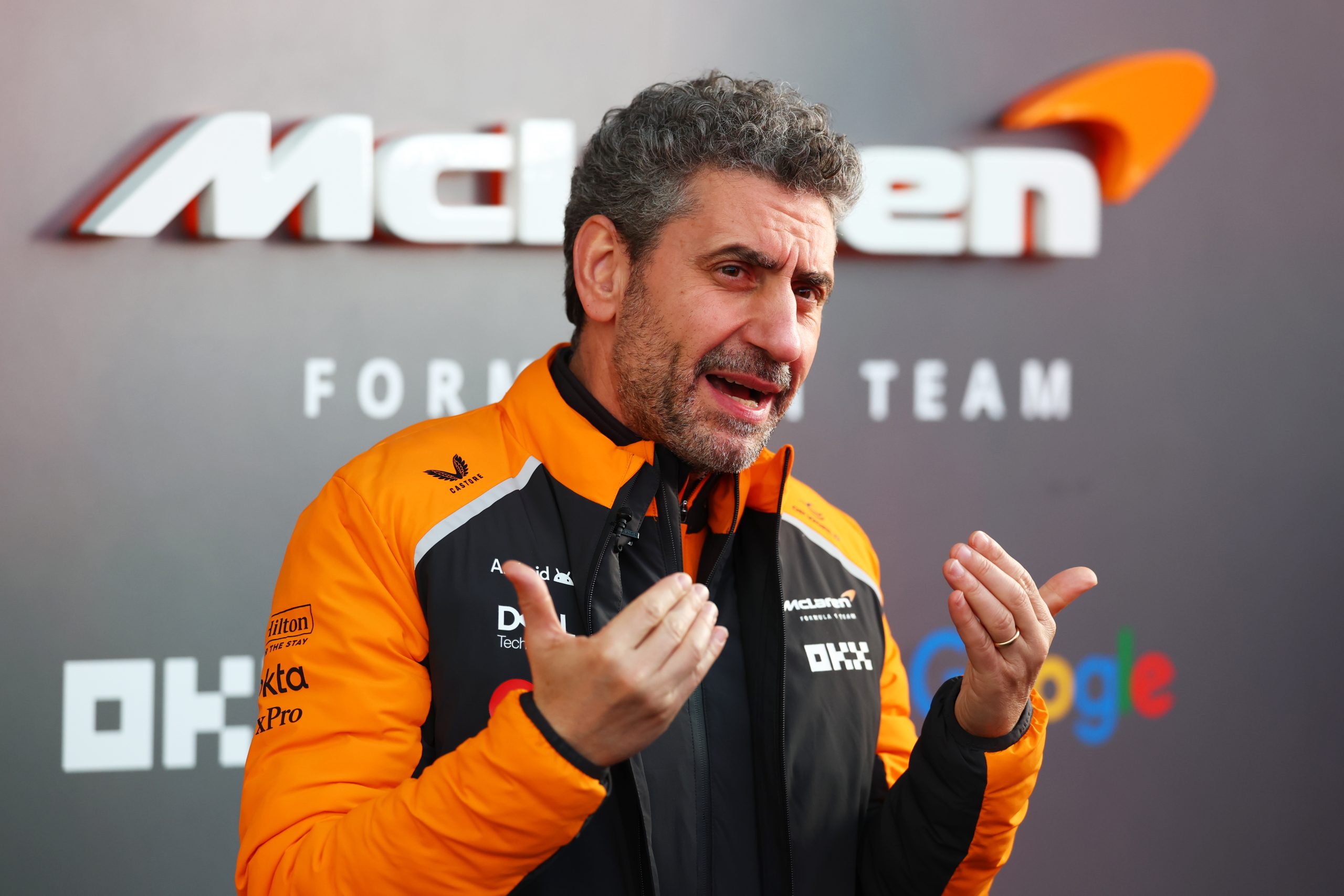
After a challenging 2026 F1 Las Vegas GP for McLaren, Team Principal Andrea Stella reflected on the team’s progress in optimising its Mercedes power unit throughout the season. Despite the improvements McLaren has made in collaboration with Mercedes High Performance Powertrains (HPP), several technical limitations continued to affect its competitiveness around the Las Vegas Strip Circuit.
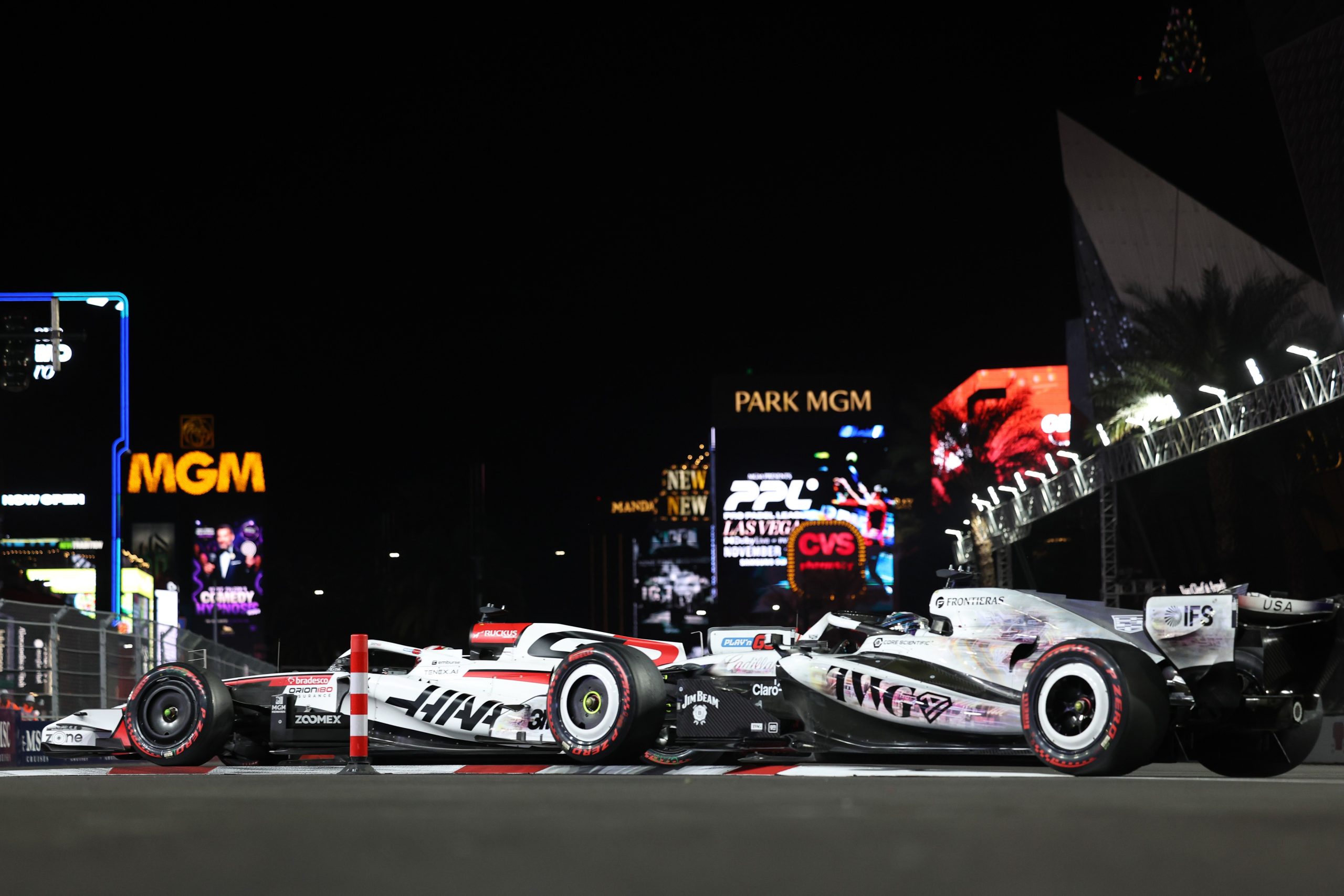
With its long straights and demanding energy deployment requirements, Las Vegas exposed weaknesses in McLaren’s aerodynamic efficiency and gear ratios. However, Stella highlighted how the engineers worked closely with both Oscar Piastri and Lando Norris to overcome these limitations during the race.
Stella highlights McLaren’s progress with Mercedes power unit optimisation
Throughout the 2026 F1 season, McLaren has worked closely with its power unit supplier to improve energy deployment and maximise the performance available from the Mercedes power unit. The technical demands of the Las Vegas GP provided another opportunity to assess the progress the team has made since the beginning of the season.
When asked whether McLaren had developed a comprehensive understanding of its power unit, Stella explained that the team had overcome several of its initial limitations. However, he acknowledged that further improvements remained possible, particularly regarding the tools available to the engineers.
“I think some of the limitations we had at the start of the season in terms of exploitation of the power unit they have been overcome. Thanks to the collaboration with HPP [Mercedes AMG High Performance Powertrains] we now have better tools. Not yet like the tools that we know we can achieve, but we are working very well together with HPP and we have made significant progress.”
Aerodynamic drag and gear ratios compromise McLaren’s performance in Las Vegas
Despite the progress McLaren has made in understanding and exploiting its power unit, Stella identified three factors that influenced the team’s performance during the 2026 F1 Las Vegas GP. The first two concerned the characteristics of the car itself rather than the performance of the Mercedes power unit.
With the Las Vegas Strip Circuit placing considerable emphasis on straight-line speed, McLaren’s aerodynamic configuration left Norris and Piastri at a disadvantage. Stella emphasised that the team’s lack of top speed stemmed from excessive aerodynamic drag rather than a deficiency in the power unit.
“There’s three factors I would mention today. One factor is the car didn’t have inherently enough top speed, which has nothing to do with the power unit, because it’s the same for all the HPP cars. There was simply too much aerodynamic drag.”
Furthermore, McLaren’s eighth gear ratio presented an additional challenge, particularly when its drivers followed other cars. While running in another driver’s slipstream can offer an advantage in straight-line speed, McLaren’s relatively short eighth gear meant that higher engine revs resulted in a loss of power, compromising its ability to capitalise on such opportunities.
“The second factor is that we pay the price of having the eighth gear too short, which is a problem, especially when you are following somebody. The revs go too high, and the power drops too much.”
Stella praises McLaren and Mercedes engineers for adapting power unit deployment
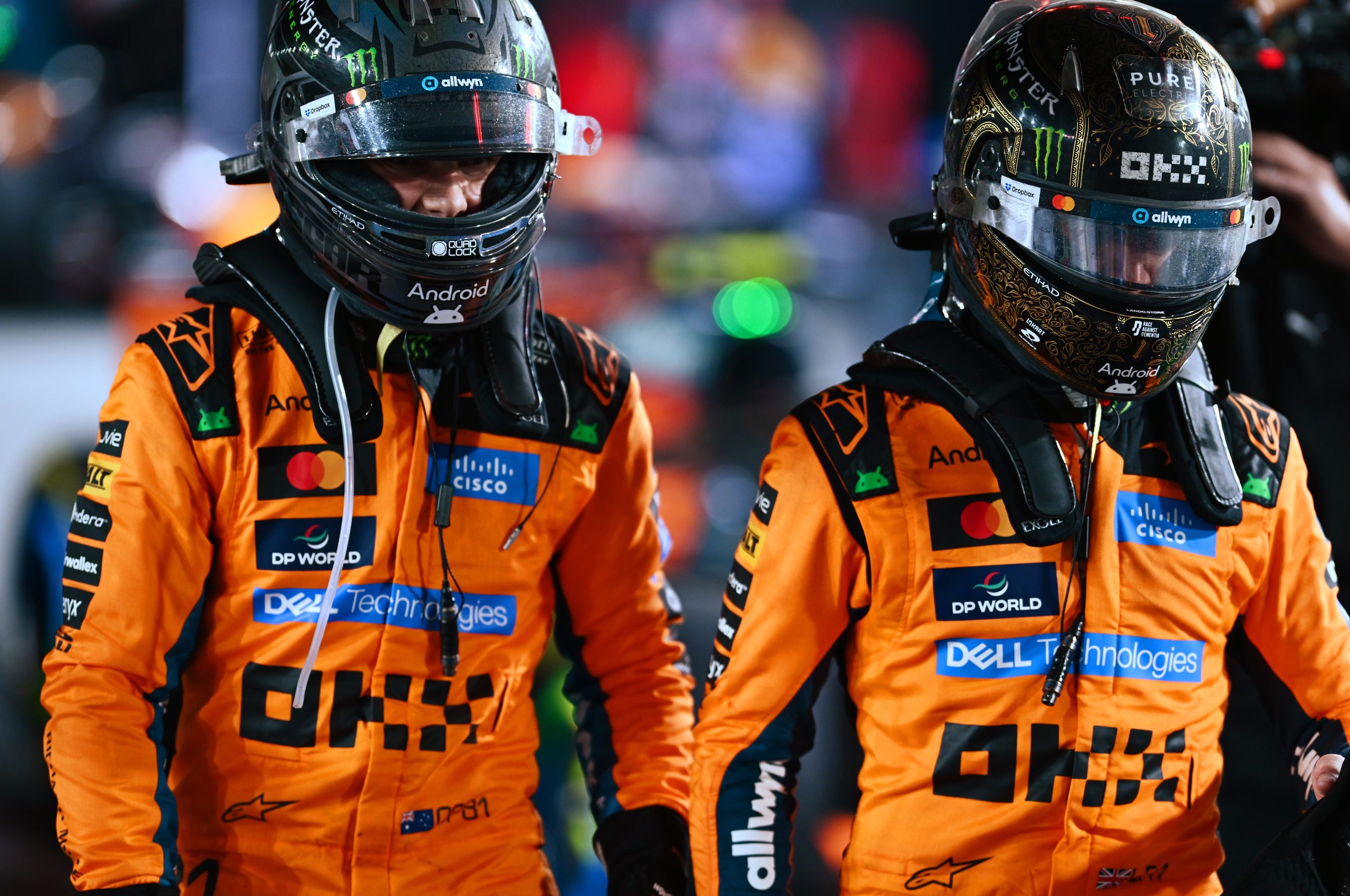
Despite these technical limitations, McLaren secured a double podium at the 2026 F1 Las Vegas GP, with Norris finishing second and Piastri recovering from 17th on the grid to claim third.
While Norris initially struggled to maintain his position and dropped outside the top ten during the opening stages, Piastri made considerable progress through the field. Both drivers eventually capitalised on Kimi Antonelli’s difficulties on the final lap to secure a place on the podium.
Reflecting on the contrasting experiences of his two drivers, Stella praised the collaboration between McLaren and Mercedes engineers. By analysing the differences in Norris and Piastri’s respective performances, the engineers identified opportunities to improve energy deployment and worked closely with both drivers to implement the necessary adjustments during the race.
“And the third factor is that — and I want to praise here the work of the engineers, HPP and McLaren — the engineers figured out what was going on with Lando, why we were losing those positions, and what was working with Oscar, who was gaining positions. So they worked more than ever before this season with the drivers to optimise the power unit deployment, what to do with the buttons, what to do with the basic strategy?
McLaren’s adaptability helps overcome technical limitations in Las Vegas
The adjustments involved both the drivers’ management of their steering wheel controls and their broader energy deployment strategies. Although McLaren could not eliminate its aerodynamic and gearing limitations during the race, the team’s ability to adapt helped both drivers compensate for these shortcomings.
Ultimately, Stella viewed McLaren’s performance in Las Vegas as an encouraging indication of its growing understanding of the Mercedes power unit, while acknowledging the areas in which the car itself still requires improvement.
“So I think good news in terms of exploitation of the power unit, but some other limitations, aerodynamic drag and the ratios were a problem today. But the good work of Oscar and Lando and the engineers kind of compensated for these limitations.”