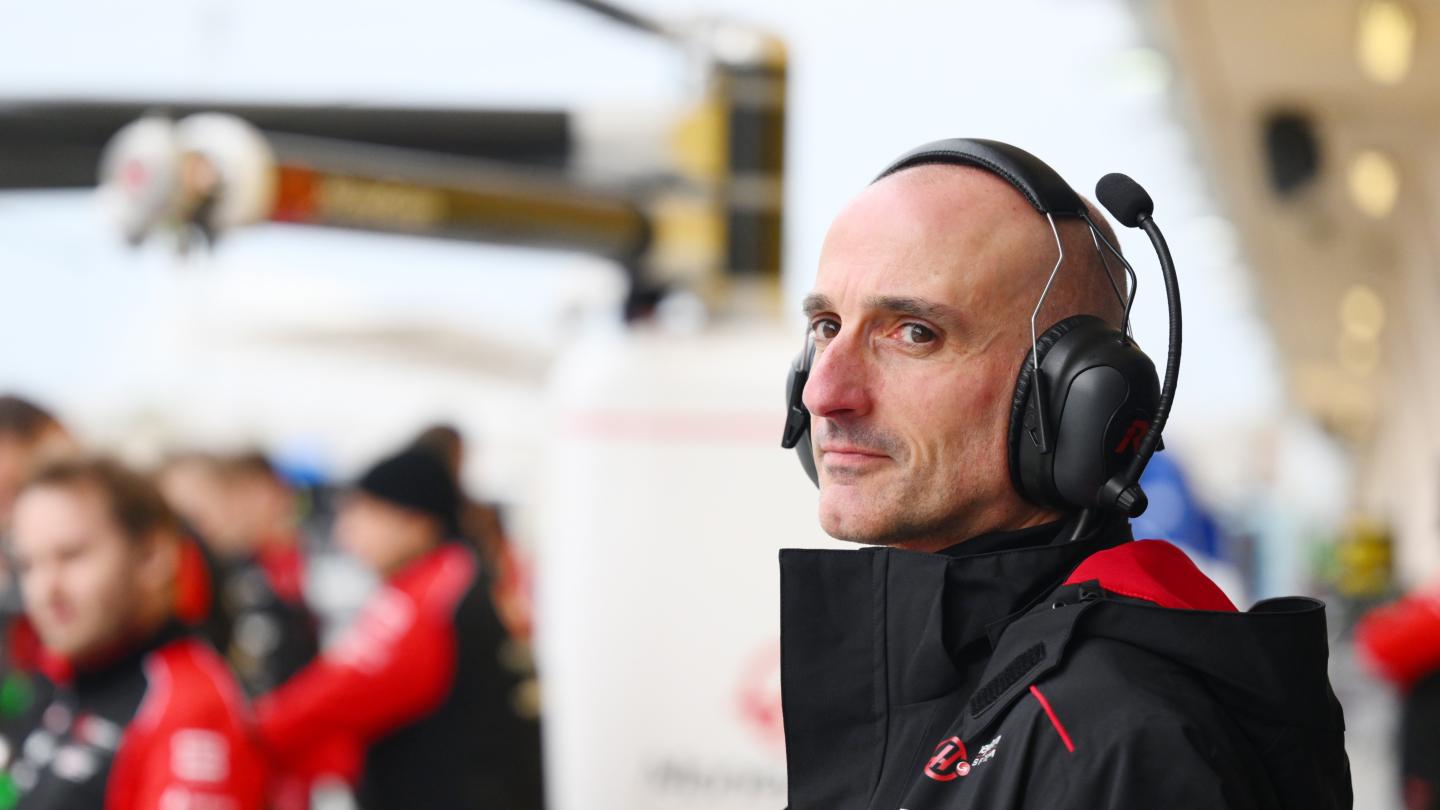
Formula 1 is on the brink of its most transformative technical overhaul in decades, and at TGR Haas F1 Team, Technical Director Andrea De Zordo is among those leading the complex task of delivering the VF-26 for the 2026 F1 season. With an all-new aerodynamic philosophy, revised car dimensions and a fundamentally different power unit concept, the upcoming regulations represent both an opportunity and a risk for every team on the grid. For Haas, the reset arrives at a moment of growing stability, making the way the team has prepared for 2026 particularly significant.
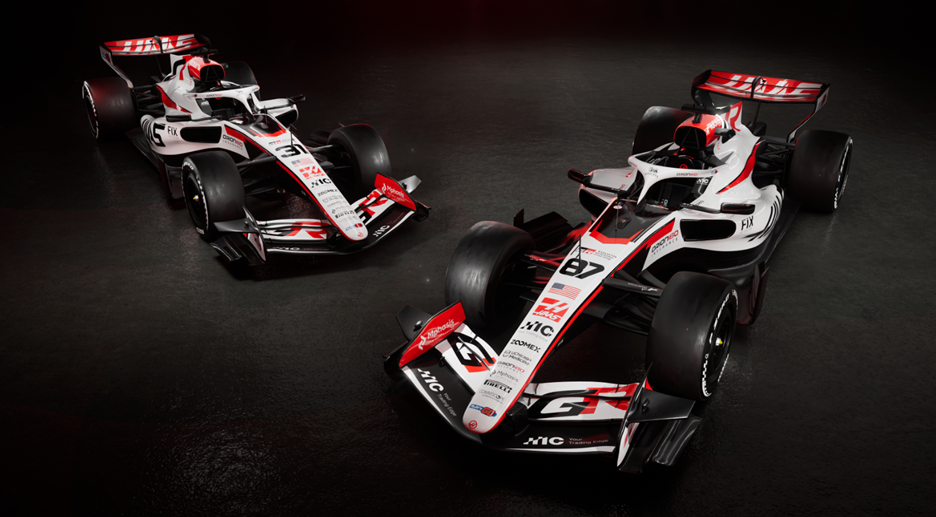
In a pre-season Q&A released by Haas, upon the release of their 2026 livery, De Zordo offered detailed insight into how the American team has approached this transition, from managing overlapping car programmes to identifying where early-season performance and long-term development could decide the competitive order.
Managing two car programmes under evolving pressure
Long before the VF-26 was ready to take shape, Haas faced the difficult reality of having to develop two cars under vastly different regulatory frameworks at the same time. While the 2025 campaign demanded continued focus and upgrades, the scale of the 2026 reset meant early conceptual work could not be delayed. This overlap placed strain on resources and required clear internal decision-making to avoid compromising either programme.
“It actually started in the second half of 2024 with a small group looking at the concept of the new car, and it remained with that group until the launch of the VF-25. The split between resources from there continued to increase towards the 2026 program, fully switching over after the summer break last season. We had a small group still working on the VF-25 until pretty late on due to the tight championship fight, and that was a challenge to manage. It was about deciding the main points of focus for both 2025 and 2026, without losing too much time on what we knew would be a big season.”
This phased approach allowed Haas to protect its short-term competitiveness while steadily increasing its commitment to the VF-26.
Understanding the visible and invisible changes as F1 heralds in a new era
As the VF-26 project gathered momentum, attention naturally turned to the technical character of the new cars. The 2026 regulations promise machines that look noticeably different, but they also introduce changes that will only reveal their true impact once the cars begin racing. De Zordo underlined the importance of understanding both aspects.
“I think the most visible changes will be the different-looking front wing and rear wing, the addition of a board in the side of the car before the floor that wasn’t there before, and the fact that the cars will be slightly smaller. Then, when the car is on track, fans will see that both front and rear wings now move, but differently from previous years because they won’t only open and close during DRS straights, but whenever the driver chooses.
“In my opinion, the biggest change isn’t visible and it’s the different split of energy for the power unit, between the internal combustion engine and the electrical part. It’s a monumental change and one that will impact the way we go racing.”
While active aerodynamics and revised proportions will immediately define the cars’ look, De Zordo emphasises that performance may truly be won or lost in the energy split. Managing that balance will influence everything from qualifying pace to race strategy.
Hitting critical development milestones for the VF-26
Behind the scenes, the VF-26 has progressed through a tightly controlled sequence of validation steps. Each milestone carried the risk of delay or redesign, which would have had knock-on effects across the entire programme. For Haas, clearing these stages on schedule was essential to maintaining momentum.
“The process has been a marathon, and when we think we’re at the end of it, I suspect it will just be the beginning. The first milestone was the test of the dummy chassis and the homologation of the proper chassis. We had to work promptly and were obviously concerned that if we had to fix something, that would mean a lot of extra work. All was fine thankfully, and that is what I’d consider the first milestone.”
Successfully passing this stage allowed the team to push forward with greater confidence, but further complexity soon followed as active aerodynamic components and new operating concepts came into play.
“Another big moment was the homologation of the front wing, the definition of the mechanism for it, and the lab test of it, to prove what we thought was fine. When we arrived to the simulator for the first time and considered where the lap time comes from next year, we knew it was going to be quite different. It was the first assessment of what we were doing and to check that we understood where to proceed. Then finally, fire-up.”
Recognising the human effort carrying Haas into 2026
While technology dominates the headlines, De Zordo was keen to stress that the VF-26 is ultimately the product of people working under sustained pressure. The intensity of the programme demanded long hours and personal commitment across the design office, especially as deadlines approached.
“There’s lots, but I’ll focus on 2026 now and won’t look back! What I have been very impressed with is the work ethic and determination of this group. They’re working very hard, very long days – often into the middle of the night – and they’re not doing that because I’m telling them to, but because they want to. They’re all deeply invested, and it’s a big sign of maturity and team spirit, so I think and hope that everyone is proud of this achievement.”
De Zordo on the expectations at Haas for the 2026 F1 season
Despite the scale of the reset, Haas does not intend to treat 2026 as a transitional year. De Zordo made it clear that the team’s ambitions extend beyond simple participation, even in the face of significant uncertainty.
“It’s definitely not just to finish a race because we’re not here to participate, we’re here to challenge. We’ve put so much work in because we want to produce the best possible car and to be as competitive as possible, and we’ll be looking to develop for round one already. There are too many unknowns to guess where anyone will be, it’s very unpredictable, but we’re going to start to discover a lot over the next month.”
This approach reflects a belief that early development and decisive reactions to initial data could shape the direction of the entire season.
Anticipating rapid evolution throughout the new era
As every team interprets the new regulations independently, the start of racing will quickly reshape the competitive picture. De Zordo acknowledged that innovation could emerge from any area, especially because teams have developed both the chassis and power unit from clean-sheet concepts.
“It’s a good question. It’s difficult to predict now before the first race, and we’re always interested to see if someone has come up with something new. This year, that’s very relevant because literally everything is new, including the power unit. There’s going to be a lot of work initially on both the aerodynamics and power unit, and in both I expect there to be a fast evolution – what that will be – I can’t say.”
Such uncertainty places additional emphasis on development speed, as early gains could provide a decisive advantage before performance begins to converge.
De Zordo identified energy management as the early differentiator in performance in 2026
Finally, De Zordo addressed how teams are likely to prioritise performance areas as understanding of the new regulations improves. In his view, the early part of the season will hinge on mastering energy management rather than chasing pure aerodynamic gains.
“For sure, the new regulations will change the balance between aero and energy management. Initially with the PU, as it’s all so new, there is – not necessarily more to gain, but a lot more to lose if you don’t do well. To understand how it works and how to maximize that will probably be the most important part.”
Over time, however, he expects that advantage to diminish as knowledge spreads across the grid.
“After a certain time, when drivers, teams and also power unit suppliers learn more about this new way of racing, then gradually the performance on the energy side will converge between competitors. The main differentiator will then go back to being on the aero side, but I think initially, managing that energy side will be critical this year.”
As Formula 1 enters this new chapter, Haas’ progress with the VF-26 will depend on how effectively preparation, people and technology combine under pressure, in a season where development may ultimately decide who rises to the top.