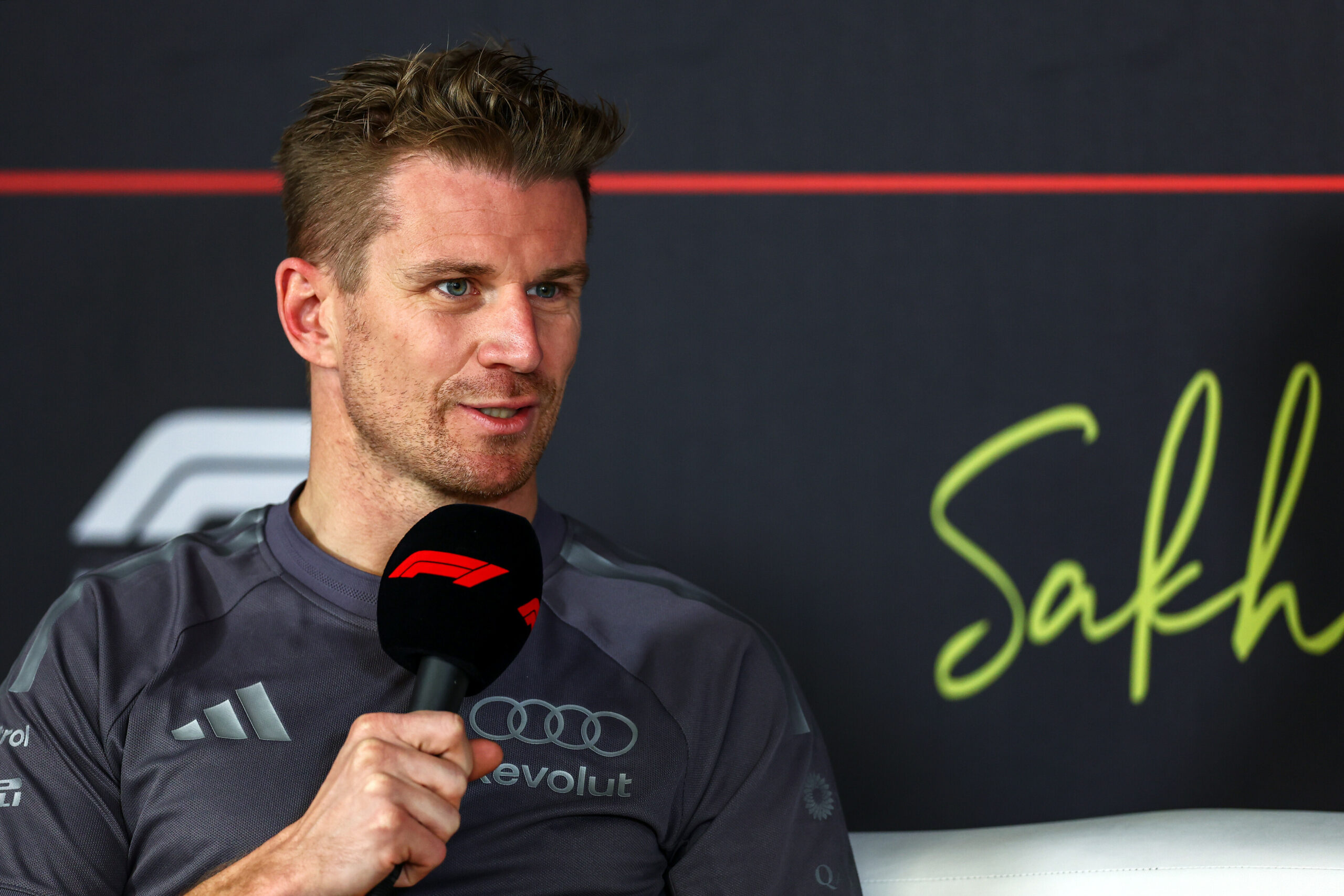
Nico Hülkenberg spoke on Audi’s 2026 F1 pre-season tests, which were completed with an extensive winter test schedule. The tests covered the circuits in Barcelona and Bahrain, with a focus on reliability, system validation, and performance development in preparation for their first ever F1 season.
The Audi team made the most significant improvements in the pre-season test sessions. Audi made its first ever test run with the R26 car in Barcelona, specifically in the initial 200km test sessions. The initial test sessions were followed by a private shakedown, which lasted for five days, again on the Barcelona circuit.
Some test sessions were marred by issues, which reduced the test running, but it provided Audi with vital data. The test sessions confirmed that the chassis, suspension, and aerodynamics were performing as expected, but some areas need more work before the car can compete.
Audi then moved to the Bahrain International Circuit for the first official public pre-season test. This marked the team’s first sustained programme under representative race conditions. Across three days, Audi completed 354 laps with their Spec A car.
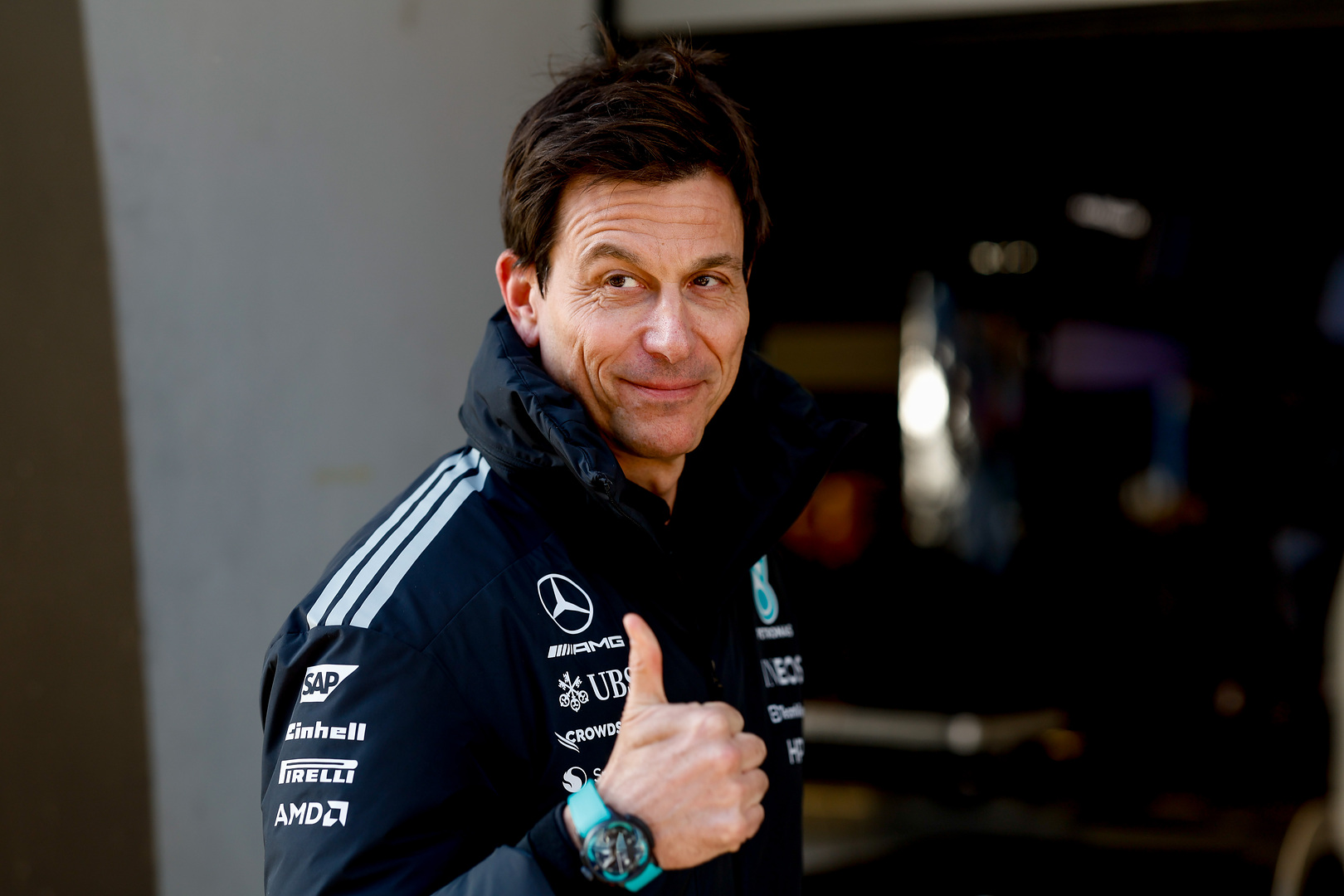
Reflecting on the progress made since Barcelona and Audi’s 2026 pre-season tests, Nico Hülkenberg said:
“I certainly feel we made some very good progress from Barcelona to where we are today. Definitely some positives there, but, you know, it’s still early days. There’s always more to do, more to work on, more to optimise.
“So yeah, it’s very much work in progress, you know, learn as we go. And just obviously testing is finished now for me, do our homework as well as we can and go racing.”
Nico Hülkenberg is uncertain about the 2026 pecking order
Audi continued its preparations in the second Bahrain test where the team completed 357 laps during that week. The team introduced their race-specification aero package and carried out race simulations, set-up optimisation and software calibration. Hülkenberg completed 64 laps on the final morning, focusing on long-run consistency and system validation.
By the end of winter testing, Audi had successfully completed full race-distance simulations and confirmed that its new power unit and chassis could handle extended running. The team also gained valuable data to support ongoing development ahead of the season opener.
Despite the progress, Nico Hülkenberg said it remains too early to assess Audi’s competitive position relative to rivals in 2026.
“This is hypothetical. It’s just speculation right now, still. I think we really don’t know until Melbourne and even a few races in, because I feel at the moment it can be quite track dependent, how your package feels on different circuits. So we’ll have to wait and see until everybody really puts their pants down in quali, and we’ll find out.
“But yeah, the team has been working hard over the winter, obviously pushing all the areas, being new into the power unit side, doing that for the first time.”
The German said it had been busy and challenging, and that he believed they were doing okay. However, he added that there was still a lot of work to do, plenty of room for improvement on that side, and much more to come. He hopes that they are “competitive somewhere in the midfield right now.”
Nico Hülkenberg shares his verdict on the start procedure for 2026
For 2026, F1 has tweaked start procedures due to risks from the new power units and active aero. Without the MGU-H, the drivers struggle to keep the turbo spooled, so officials extended the pre-lights window for five seconds to help maintain the revs.
There has been much discussion regarding these changes, as teams and drivers claim that slow-launching cars and low-downforce “straight mode” at the start are dangerous. But Ferrari, who has designed a PU that launches well under the new regulations, has been resistant to changes that would negate their hard-won advantage.
When probed about the same issue, Hülkenberg said:
“I think that’s one of the areas that is quite different from last year in the past. So it’s one of the areas, you know, I think it’s still very fresh, still very new. We don’t have that much experience, especially obviously proper race start with all the cars on the grid. And I think it’s one of the areas where, you know, a lot is still to discover and to do and then cleaning up to do.
“Because on the previous generation of PUs, that was, you know, perfect and seamless and smooth and, you know, quite naturally. This is a new set of regulations, and obviously there’s a lot to do and to explore there.”
Audi’s winter test program has demonstrated a clear step up. Audi went from focusing on system installation and baseline validation in Barcelona to increasing mileage, refining set-up’s, and completing full race simulations in Bahrain. The mileage completed and the organized test programs demonstrate that Audi has built a solid foundation with their new car.