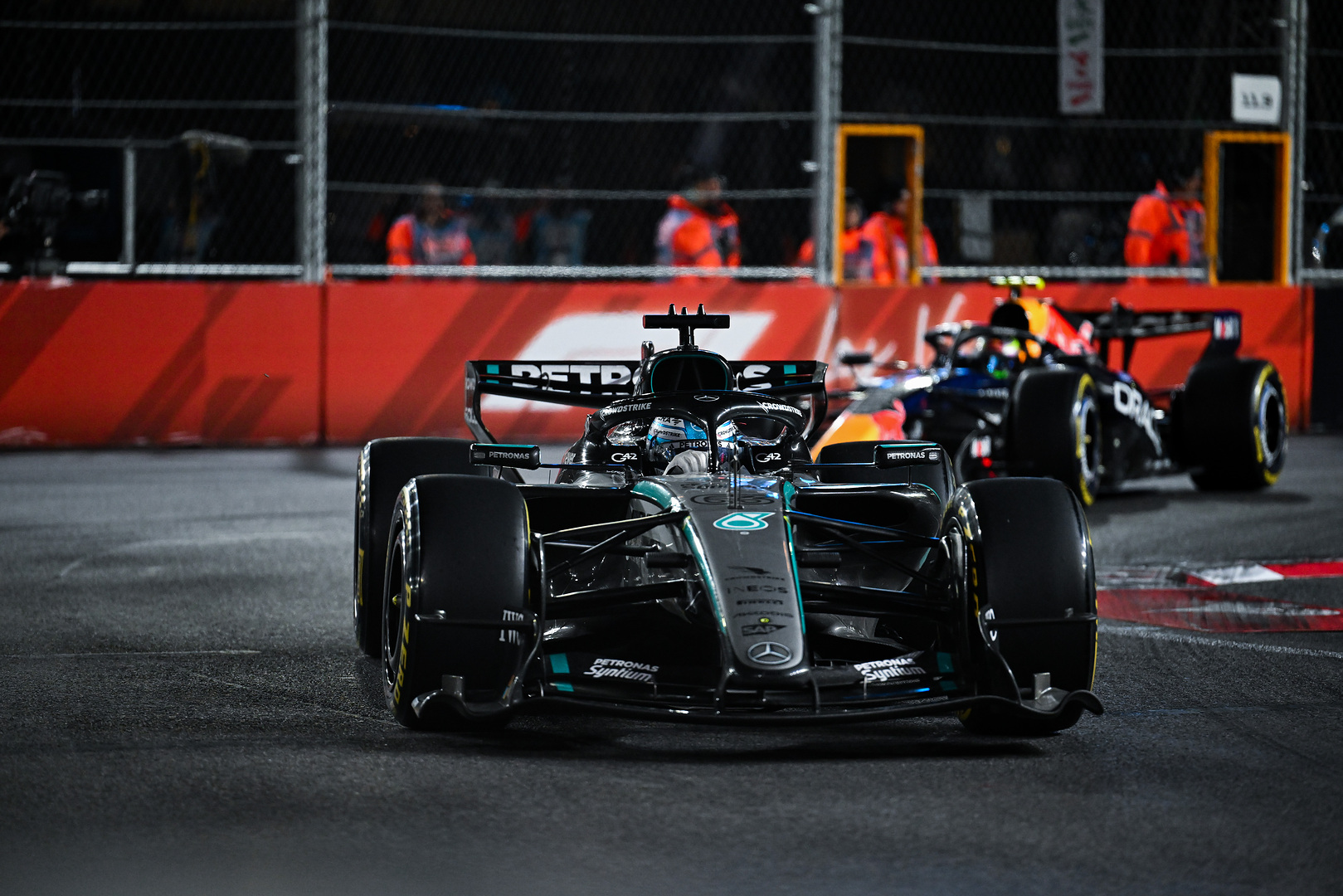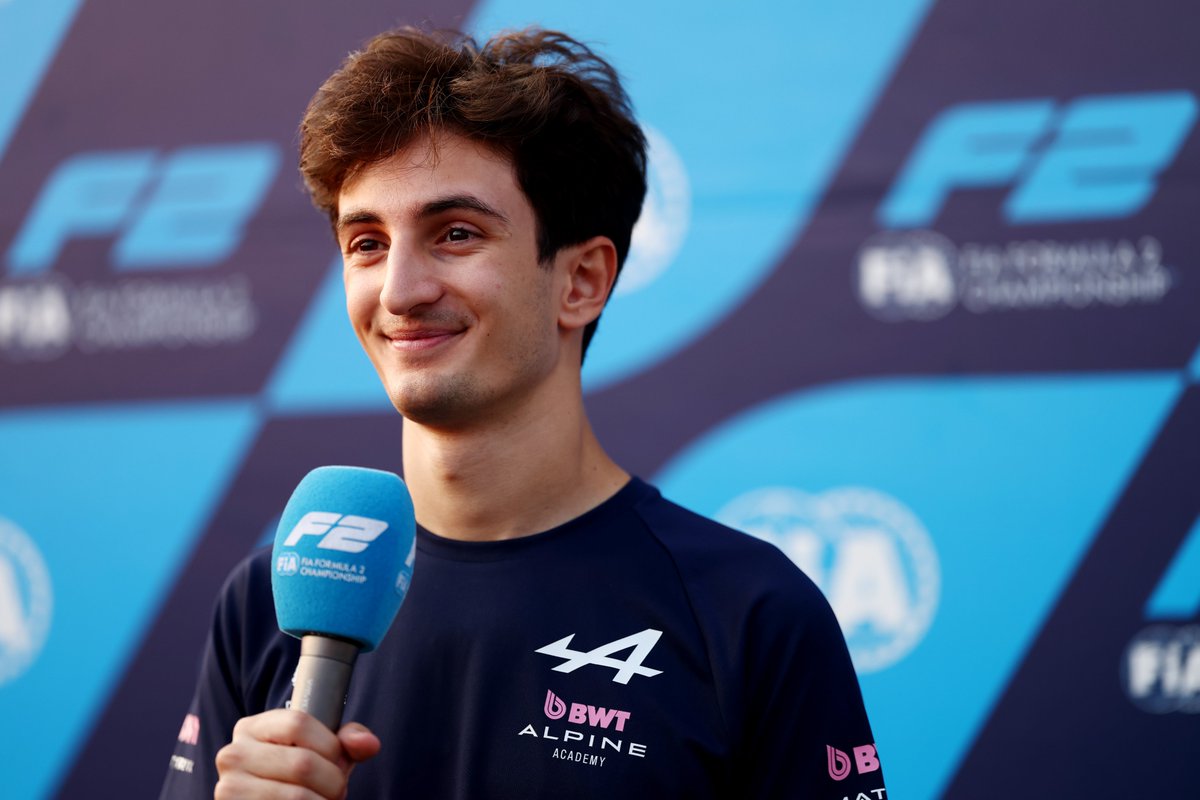
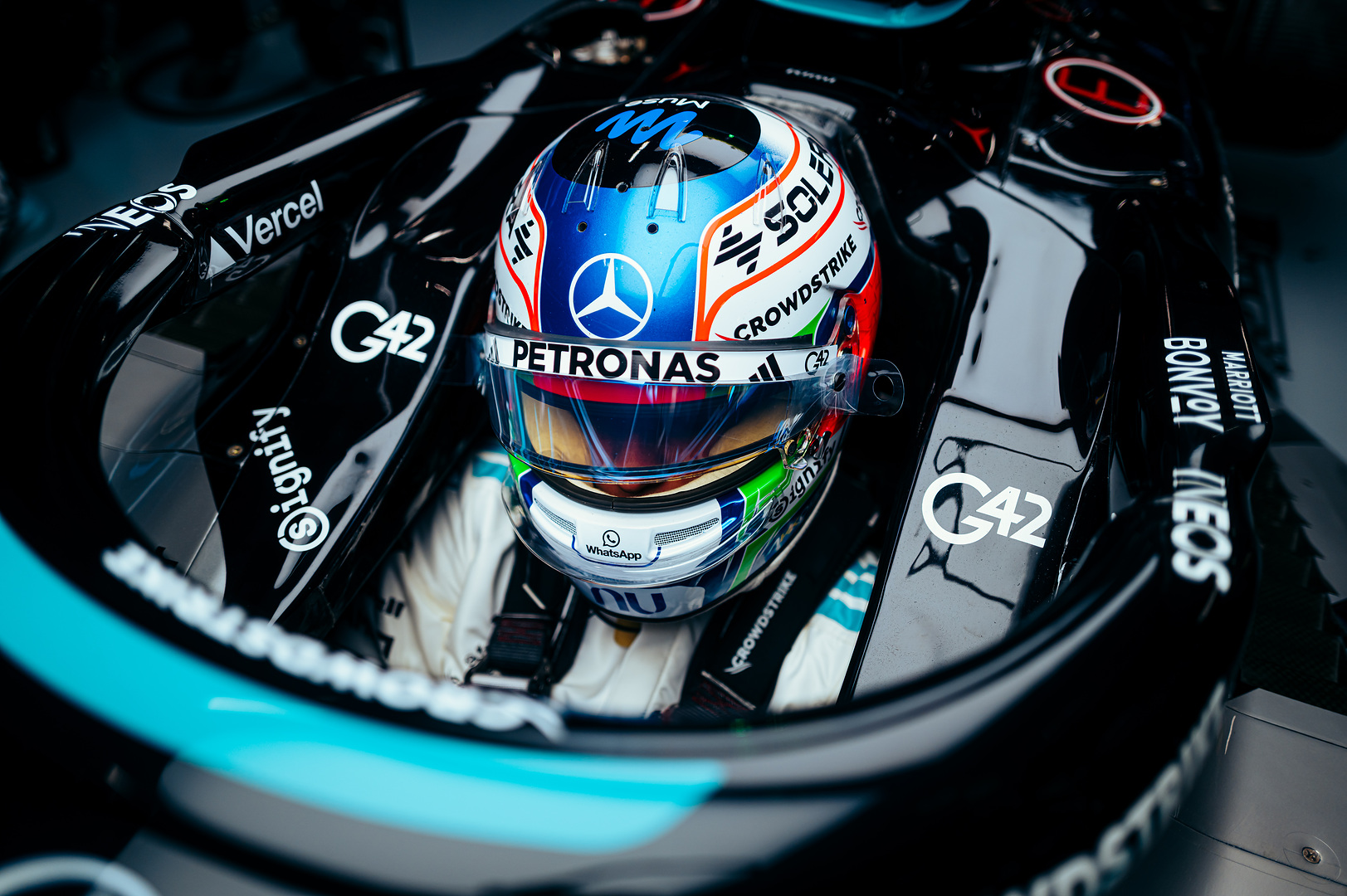
Ahead of the 2026 F1 Qatar GP, the 2026 F1 drivers, including newly crowned 2026 World Champion Mercedes’ Kimi Antonelli met with the FIA and stewards to discuss the current racing guidelines. The discussion centred on the consistency of racing penalties, with the FIA seeking drivers’ feedback on several controversial incidents throughout the 2026 F1 season to determine whether the current racing guidelines require revisions.
Antonelli on the FIA drivers’ meeting with stewards
Antonelli noted that their priority for the meeting was not to change the guidelines but rather to establish an understanding with the stewards on what they perceived as mere racing incidents that did not deserve penalties.
“Yeah, I think it was good for, especially the stewards, to see how we see certain scenarios and to give them our point of view. And I think also the good thing is that most of us in the room were all aligned on the episode that we saw. So it was good for the stewards to see and as well to talk about guidelines which I think they don’t really need to change.”
“It’s just seeing, understanding, our point of view and understanding that in some scenarios it would just need to be a racing incident and no penalty because, you know, some scenarios are so borderline that it’s so hard to give, to establish who is at fault and instead of giving a penalty it should just be a racing incident.”
Current racing guidelines are sufficient
When asked whether the FIA should introduce additional racing guidelines, Antonelli quickly dismissed the idea. As explained by the Italian driver, the current racing guidelines are sufficient, as they still allow drivers to race. Antonelli fears the addition of more scenarios could result in a racing guide that was too restrictive and lead to drivers no longer racing in fear of incurring a penalty.
“Yeah, no, no. It would be way too complicated.”, he said. “I think the guidelines for how they are, they’re, I think they’re good because they allow us to race because I think if we would start to introduce a bunch of new things in the guidelines then we could end up in a scenario where we wouldn’t even be trying so hard to attack a car because we would be just so exposed to penalties that it would be just too risky.”
The problem lies in the inconsistency of the stewards’ decision rather than the guidelines themselves
Antonelli stressed that the issue was not the racing guidelines but rather the inconsistency in judgment by the FIA stewards, as seen from the 2026 F1 season. An example the Italian driver brought up was the scenario of cutting a corner. He suggested that the stewards should immediately instruct a driver to hand the place back when they gain an advantage off-track. This fixes the problem on the spot, keeps the racing fair, and avoids messy post-race or pit-stop time penalties.
“So I think with the guidelines now we’re good, it’s just that sometimes the way the incident is judged could be different because sometimes the penalty is right, other times it’s a bit too harsh for the incident and for example we talked a lot about cutting a corner while trying an overtake and we said that, for example, the most efficient thing would be just tell the driver to drop the position straight away because then, even if you get, for example, a time penalty, sometimes if you have a pace in hand, you can just build that gap, and then it’s fine, whilst if you give straight a position back, it’s more fair as well.”
Antonelli welcomes the idea of permanent stewards for 2027
The FIA’s answer to the inconsistent penalty decisions is the introduction of permanent full-time paid stewards as announced a week prior at the 2026 F1 Las Vegas GP, a decision that has Antonelli’s full support.
The 2026 World Champion believes this decision will introduce significantly more consistency in penalty decisions and allow drivers to better understand how these stewards view on-track incidents.
“Yes, yeah, I think it’s actually very good for the sport and for us to have permanent stewards because first of all, you know, let’s say at least we have the same people so the way they see things will always, it will be more consistent rather than having every race a different group of stewards because of course every people will see it differently so it’s good to have someone consistently there and permanent.”
He added that having permanent stewards could also lead to faster, more decisive rulings, which would prevent teams and drivers from having to worry about receiving a post-race penalty after the chequered flag.
“And I think it will improve things and hopefully decisions as well because maybe also will help them to take decision straight away in the moment without having to wait, and it could be better as well for, you know, throughout the race to know if you’re going to get the penalty or not, instead of waiting on the end of the race and then having a race that could be decided by a late penalty, so I think in many regards it’s going to be, it’s very positive that we will have permanent stewards.”