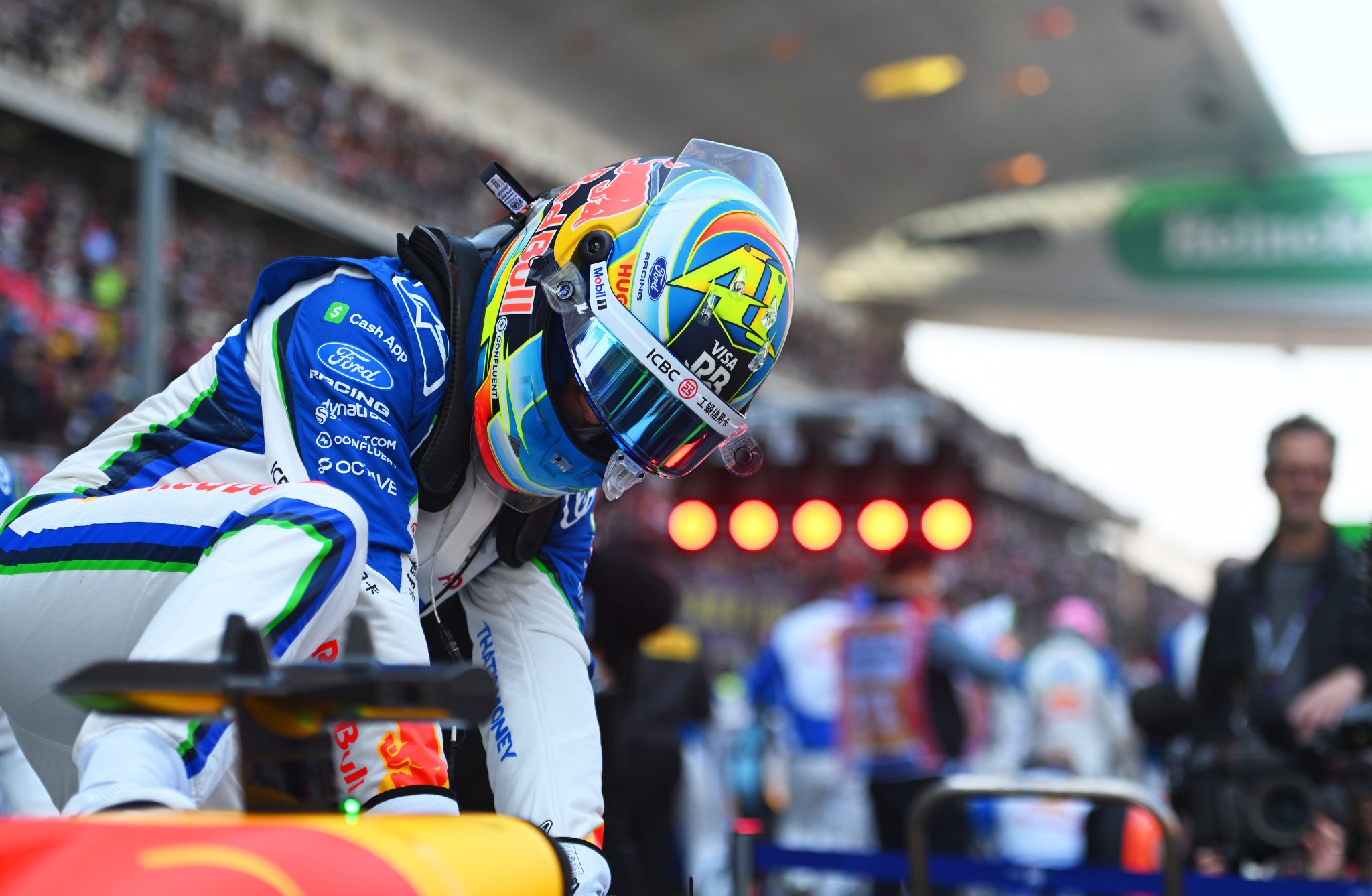
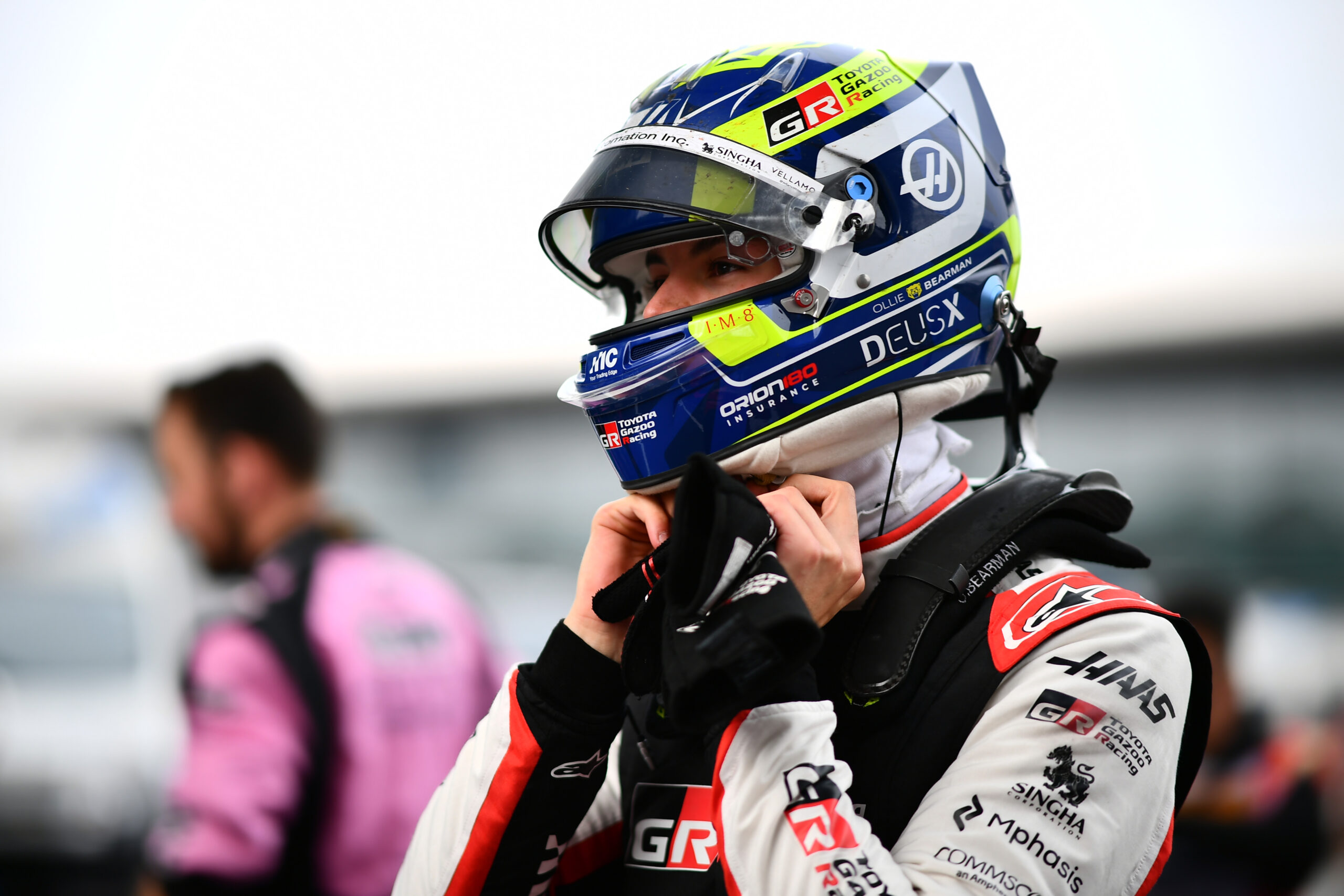
Ollie Bearman has opened up about the difference in how manufacturer Ferrari and customer Haas are handling the intricacies of energy deployment during the early rounds of the 2026 F1 season.
While the Brit has scored points in every competitive session of the 2026 campaign so far, the VF-26 still finds itself well off the pace of their power unit supplier Ferrari, especially over a single lap.
With F1 undergoing a major technical overhaul, works teams like Mercedes and Ferrari having an advantage over their respective customers was pretty much a given since they design their chassis and engine in total synchronisation.
However, the Brackley-based squad, in particular, have also set themselves apart when it comes to the electrical management of the engine, something that their customer teams McLaren, Alpine, and Williams have yet to master completely.
McLaren team principal Andrea Stella was particularly vocal about the lack of information and the extent of the advantage Mercedes have in terms of energy deployment after Lando Norris finished the Australian GP more than 50 seconds behind race winner George Russell.
Bearman on Haas’s dynamic with Ferrari in the 2026 F1 season
Haas driver Ollie Bearman shared his insights on the subject of deployment in a print media session ahead of the 2026 Chinese GP and revealed whether their F1 engine supplier, Ferrari, have been forthcoming about relevant information.
Bearman was rather effusive about Ferrari’s openness and assistance regarding the operational specifics of the new power unit and efficient energy deployment. Moreover, he made it abundantly clear that Haas and McLaren are not in the same boat when it comes to the deficit to their corresponding works teams.
“Yeah, I must say that Ferrari has been incredibly open and incredibly helpful with us in terms of the deployment strategy and giving us as much info as they can to help us.
“I think it’s a different situation that we have with Ferrari relative to McLaren and Mercedes; they’ve been incredibly helpful.”
How deployment impacts the Haas and Ferrari cars differently
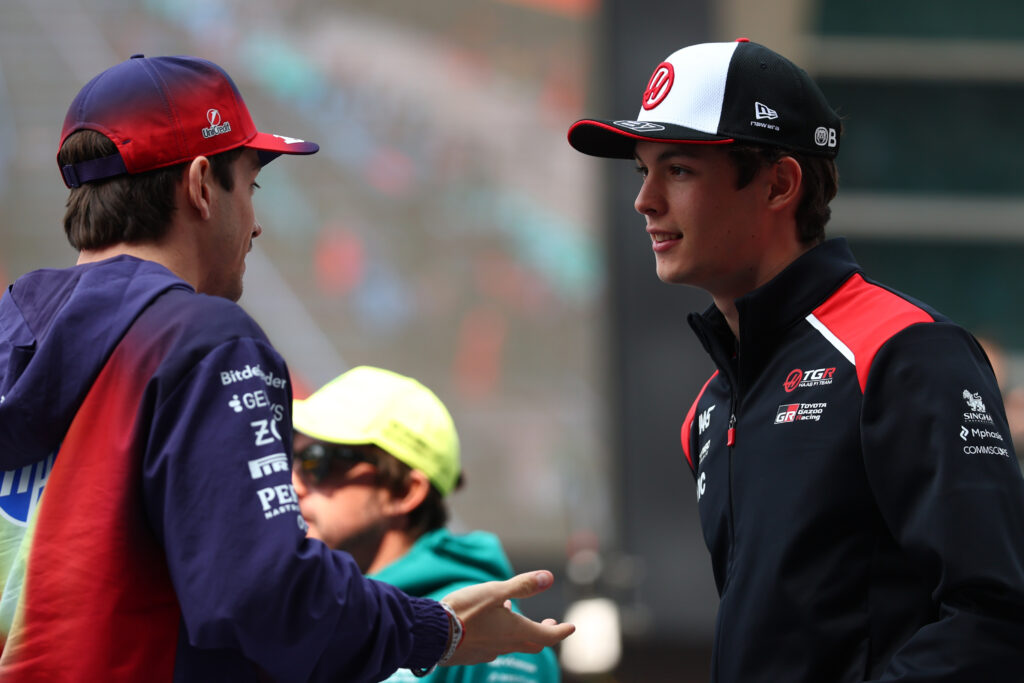
Ollie Bearman also revealed whether they were observing the SF-26’s on-track behaviour in Melbourne and trying to learn from the responses of the works team. Acknowledging the substantial gap in performance, he noted how Ferrari manage to hit the ground running sooner during a race weekend in comparison to Haas, who lag behind by an entire session and continue playing catch-up.
Furthermore, underlining how the energy requirements in 2026 undergo considerable changes as F1 teams proceed from the practice sessions to qualifying, Bearman explained that Haas evaluate Ferrari’s deployment patterns and make necessary adjustments according to the characteristics of their own car.
“Of course there’s a bigger difference between our cars. So, they’re almost a session ahead of us in terms of their quali; their FP3 time was our quali time almost, if that makes sense.
“As the lap time goes up, the demands of energy change a lot, the amount of lift-and-coast, the gear usage, all of these things you have to kind of pre-empt and have a look towards qualifying for.
“There are a lot of things we kind of carry over, that strategy almost I believe, and some things. A corner might be flat out for them or a corner might be a lift for them, whereas it’s a brake for us or a downshift. So, then we need to adjust it in our own way.”
Bearman on Haas’s delta with Ferrari and potential for adjustment in the upcoming F1 races in 2026
Emphasising how they navigated the first race weekend of the 2026 F1 season and learned through trial and error, Ollie Bearman proclaimed that Haas are keen to carry that knowledge over to the upcoming rounds.
“Australia, we went in and figured it out as we were going. And now, having done that weekend, we have two or three points like, ‘okay, we expect to be slower in these corners, maybe we’re geared down in these corners, also when you’re slower at apexes, obviously you have to deploy more power as well on the exit’.
“So, it’s all a big knock-on effect and that’s useful to know and info to bring forward for the future races.”
In terms of the edge Ferrari have over Haas in cornering performance and whether they can adjust the deployment to reduce the delta, the Brit responded, “I think so.”
Highlighting how the Maranello-based outfit, unlike Haas, was able to take Turn 5 at Albert Park flat out from the very beginning of the 2026 Australian GP weekend, Bearman added that they now identify certain corners of a track where the VF-26 might perform differently than the Ferrari and modify their approach accordingly ahead of a race.
“We gained info already in Australia. Turn 5 was an example where Ferrari, I think, were flat from the beginning, just looking at their GPS speed, whereas for us it wasn’t flat till the end of FP2 or even FP3. So, then in terms of strategy you have to change the way that you approach things and stuff.
“Now, just looking at the track, then as an engineering group, we identify some corners where we expect maybe to see some differences and then take that forward into the race.
“And yeah, that info is good to have.”