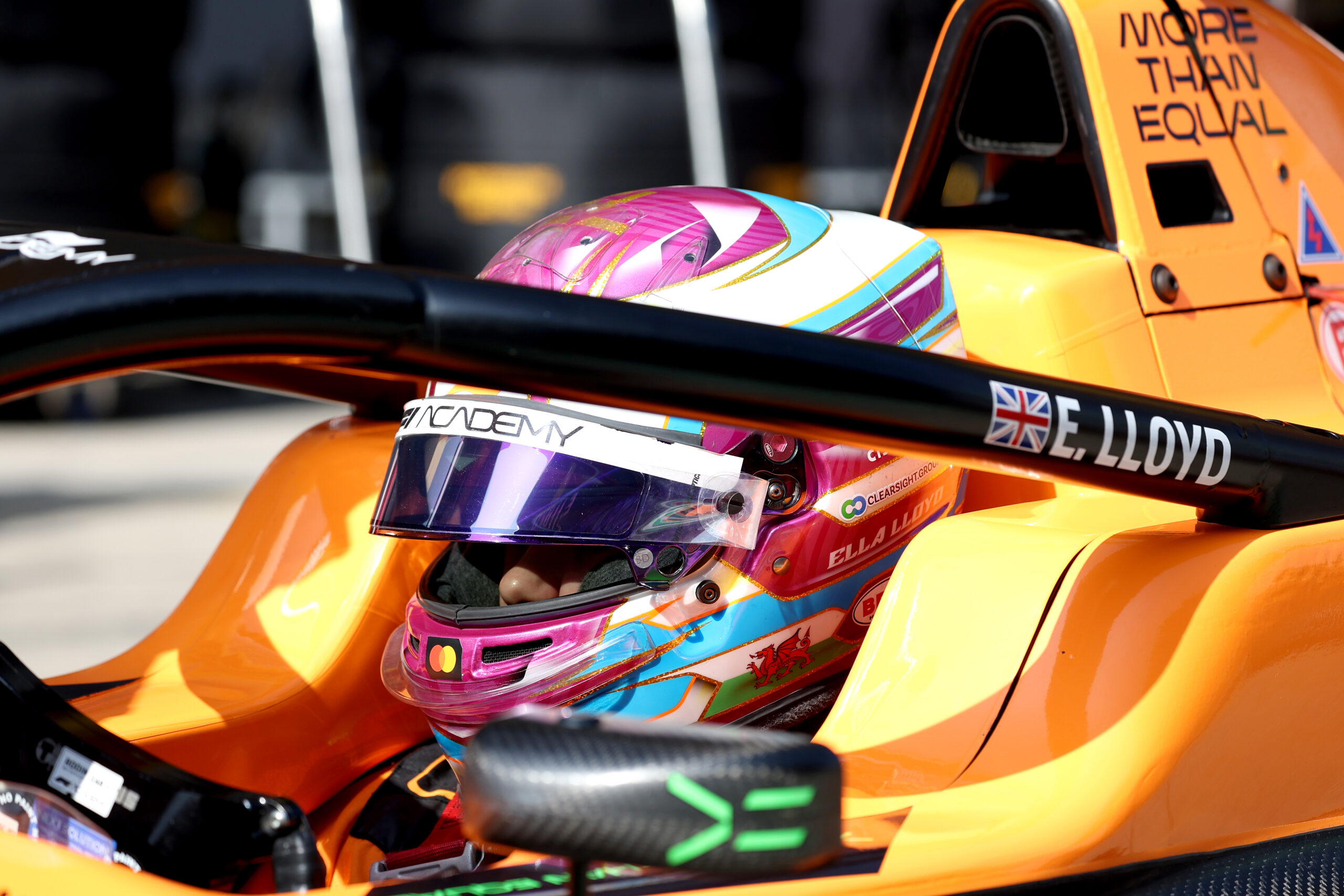
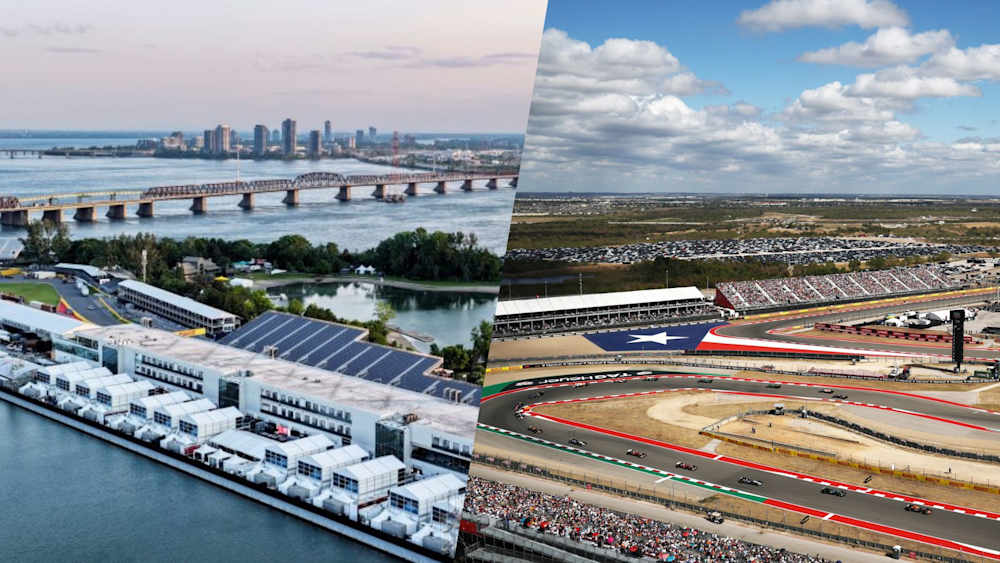
In an announcement on Wednesday, F1 Academy has confirmed that the series will add an extra race to their 2026 rounds in Montreal and Austin. It comes after the cancellation of their round in Saudi Arabia thanks to the war taking place at present near the Middle Eastern country. The Canadian GP will be their next round from May 22nd-24th.
Putting it together twice in F1 Academy qualifying at Montreal and Austin vitally important
While qualifying is always key regarding a very fast lap, producing two very rapid laps will be vital at these two 2026 events. The grid of the first race of the weekend will be based on the second fastest lap each driver delivers posts. It is quite a common thing at F4 level, and it is also used by IndyCar and Indy NXT when they have doubleheader weekends.
Following a win in the main race and a podium in the reverse one in Shanghai, Emma Felbermayr leads Alisha Palmowski by six points in the standings. Nina Gademan is in 3rd after she won the reverse grid contest on the Saturday and bagged 4th in the main race.
Susie Wolff, Managing Director of F1 ACADEMY, commented:
“Introducing the Opening Race at select rounds underscores our commitment to building a platform where the most talented can thrive by maximising competitive track time.”
“As F1 ACADEMY continues to grow on and off the track, I am continually looking for ways to elevate our race weekends. I’d like to thank our promoters for their support and enthusiasm for this dynamic new format, which will deliver additional on track action in Montreal and Austin and provide a compelling schedule for fans and drivers alike.”
Delphine Biscaye, Head of Race Operations, added:
“The Opening Race gives us an opportunity to evolve the race weekend while protecting the sporting integrity of the series. By setting the grid using each driver’s second fastest qualifying time, we’re adding another layer of strategy to the weekend. This approach also provides the flexibility to replace a postponed race if needed and allows us to make the most of any additional track time available on the Grand Prix weekend schedule.”