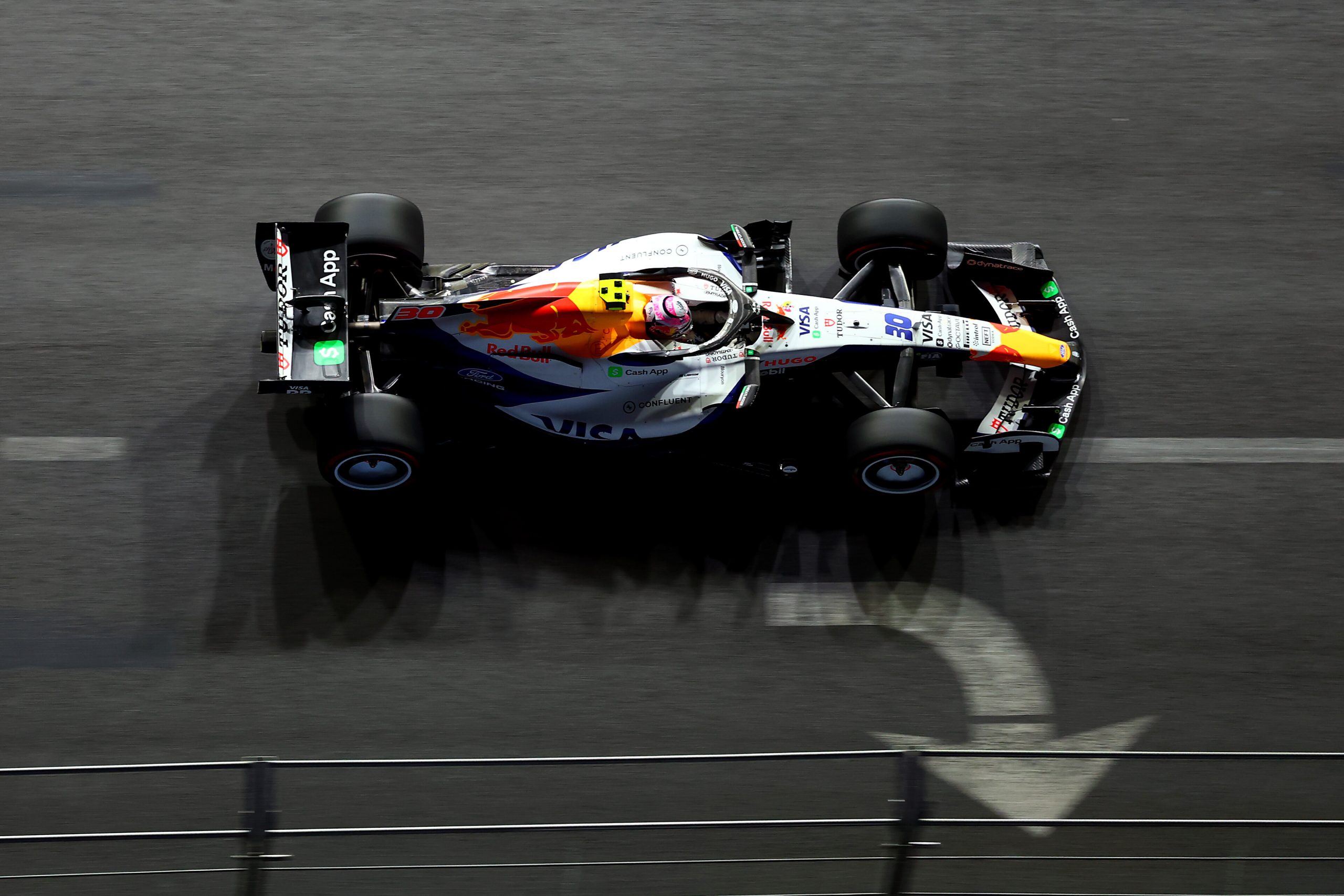
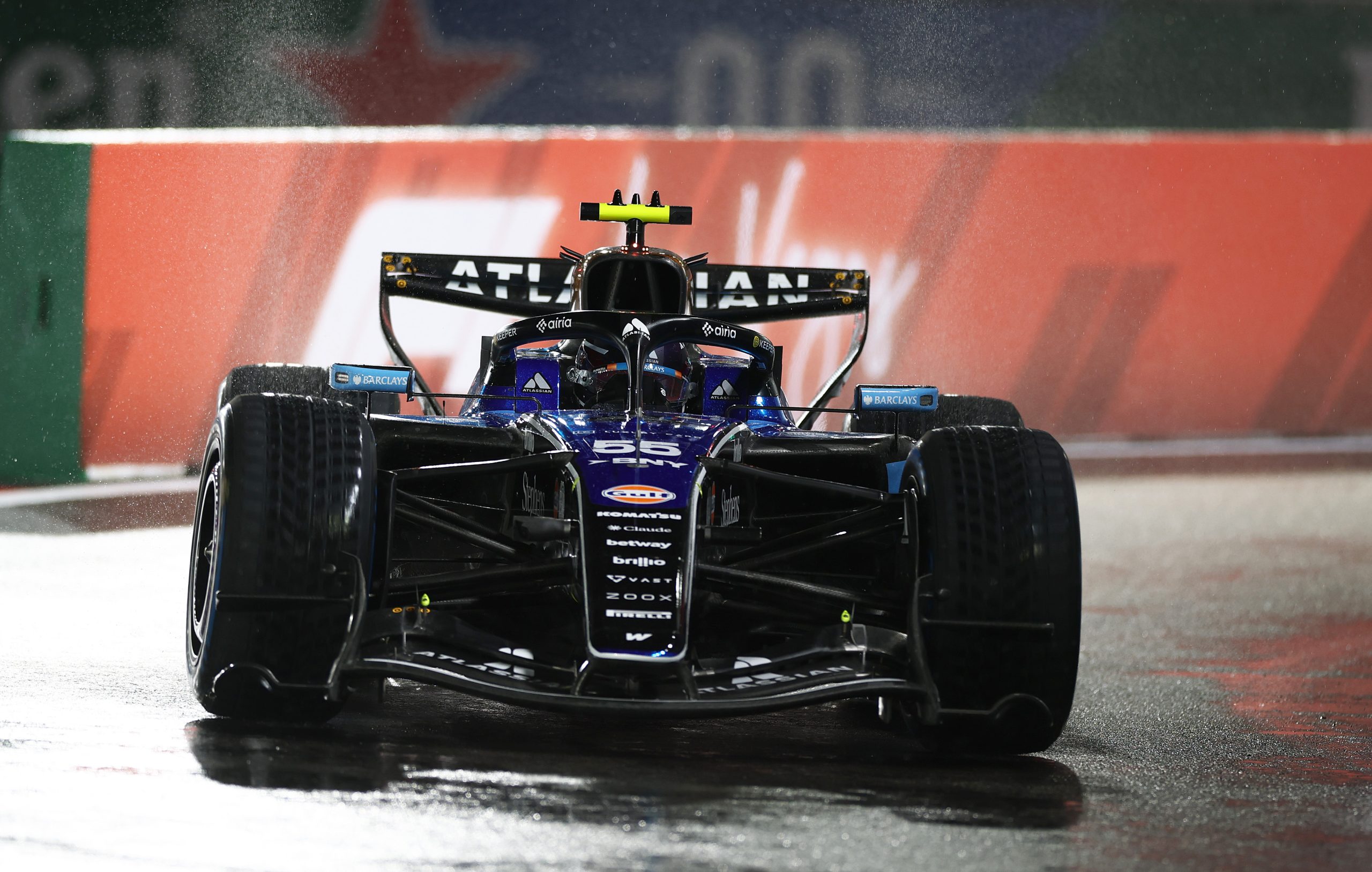
The FIA has confirmed that Williams and Alpine breached the 2025 Formula 1 Financial Regulations following an extensive investigation by its Cost Cap Administration (CCA). Williams committed both a Minor Overspend Breach and a Procedural Breach, while Alpine was found to have committed a Procedural Breach despite keeping its expenditure below the permitted limit.
The findings, published on 25 November 2026, followed an almost eight-month review of financial submissions from the 11 F1 teams and five Power Unit manufacturers registered for the 2026 regulations. Nine teams received confirmation of compliance, while all five manufacturers also passed the review.
However, the consequences differ significantly for the two teams. Williams exceeded the cost cap by £627,000 and will face financial and sporting penalties, including a 12-month restriction on its aerodynamic testing allowance. Meanwhile, Alpine must pay a financial penalty for inaccuracies in its reporting documentation but did not exceed the spending limit.
FIA completes its review of the 2025 F1 cost cap submissions
The CCA examined the Full Year Reporting Documentation submitted by the 10 teams that competed in the 2025 F1 World Championship, alongside newcomer Cadillac. It also assessed submissions from the five Power Unit manufacturers registered to supply the new generation of engines from 2026.
The FIA described the process as particularly thorough and intensive, taking almost eight months to complete. The investigation required the governing body to examine complex financial transactions alongside the technical aspects of development activities undertaken by teams and manufacturers.
The review considered how particular expenditure should be classified and treated under the Financial Regulations. This included assessing exclusions, adjustments and the allocation of costs across different activities.
The FIA also acknowledged the cooperation of all 11 teams and five manufacturers, noting that they had acted in good faith throughout the process. The FIA’s official findings confirmed nine compliant teams, two teams with identified breaches and full compliance from all five Power Unit manufacturers.
Understanding the F1 Financial Regulations and the cost cap
The FIA introduced the F1 Teams’ Financial Regulations in 2021 to address the financial disparity between competitors and improve the championship’s long-term sustainability. The framework aims to promote competitive balance and sporting fairness while allowing teams to decide how they allocate their resources within the permitted limits.
Importantly, the cost cap does not cover every expense incurred by an F1 team. Instead, it applies to defined Relevant Costs, which teams calculate after accounting for specific exclusions and adjustments set out in the regulations.
Under Article 2.3 of the 2025 FIA Formula 1 Financial Regulations, Issue 25, the base cost cap stood at US$135 million for a season featuring 21 competitions. The regulations added US$1.8 million for each additional competition, with applicable indexation also taken into account.
The distinction between permitted exclusions, adjustments and Relevant Costs makes accurate financial reporting particularly important. Teams must ensure that they classify expenditure correctly and provide comprehensive documentation to demonstrate compliance.
The regulations also establish different categories of breaches, distinguishing between administrative or reporting failures and actual overspending. This distinction explains why Williams and Alpine received different findings despite both submitting inaccurate financial documentation.
Williams committed a Minor Overspend Breach of 0.48%
Williams faced the more serious outcome after the CCA identified errors in its 2025 financial submissions that resulted in both a Procedural Breach and a Minor Overspend Breach.
According to the FIA’s Williams Accepted Breach Agreement, the team exceeded the 2025 cost cap by £627,000, representing 0.48% of the permitted expenditure. The CCA described this as falling towards the lower end of the minor overspend category.
The investigation identified inaccuracies in two principal areas of Williams’ reporting. First, the team incorrectly excluded certain costs relating to Human Resources, Legal and Finance activities. Second, it incorrectly adjusted costs associated with redundant inventories.
These errors resulted in Williams reporting inaccurate Relevant Costs for the 2025 reporting period.
However, the FIA emphasised that the breaches arose from Williams adopting an interpretation of the complex Financial Regulations in good faith. The CCA recognised that the team cooperated throughout the investigation, provided additional information when requested and did not deliberately conceal information.
Crucially, the FIA found no evidence that Williams had sought or obtained any sporting or other advantage through the breaches. Williams subsequently accepted responsibility for the inaccuracies and agreed to the proposed sanctions.
What constitutes a Minor Overspend Breach under the regulations?
Article 8.10 of the 2025 Financial Regulations defines a Minor Overspend Breach as a situation in which a team’s Relevant Costs exceed the applicable cost cap by less than 5%.
Williams’ 0.48% overspend therefore falls comfortably within this category.
By contrast, Article 8.12 defines a Material Overspend Breach as expenditure exceeding the cost cap by 5% or more. The distinction carries significant consequences for the potential sanctions.
Under Article 8.11, a Minor Overspend Breach can result in a financial penalty and/or minor sporting penalties. However, Article 8.13 requires the Cost Cap Adjudication Panel to impose a Constructors’ Championship points deduction if it confirms a Material Overspend Breach. The panel may also impose additional financial and sporting penalties.
The regulations also distinguish procedural failures from overspending. Article 8.1 defines a Procedural Breach as a failure to comply with a procedural requirement, while Article 8.2(e) specifically includes submitting inaccurate or misleading Reporting Documentation.
Article 8.3 generally provides for a financial penalty following a Procedural Breach, although mitigating or aggravating circumstances can affect the outcome.
Consequently, a team can commit a Procedural Breach without exceeding the cost cap, which explains Alpine’s separate case.
The FIA’s published financial regulations provide the complete framework governing these classifications and sanctions.
The penalty also comes against the background of Williams’ efforts to improve its competitiveness. James Vowles has previously discussed how the cost cap influences the team’s ability to implement technical improvements, particularly when balancing immediate performance upgrades against longer-term infrastructure and development requirements.
Furthermore, the aerodynamic testing restriction operates within an existing system that already distributes wind tunnel and CFD opportunities according to championship performance.

Alpine committed a Procedural Breach but remained below the cost cap
Alpine also received an Accepted Breach Agreement, although its circumstances differed considerably from Williams’.
The CCA found that Alpine had submitted inaccurate Full Year Reporting Documentation for the 2025 reporting period. Nevertheless, its Relevant Costs remained below the applicable cost cap, meaning that the investigation identified no overspending.
The FIA’s Alpine Accepted Breach Agreement identified several inaccuracies involving the exclusion and adjustment of costs.
These included exclusions relating to:
- Marketing Activities.
- Non-F1 Activities.
- Human Resources Activities.
- Employee Bonus Costs.
The CCA also identified errors involving the adjustment of costs associated with cost offsets and inventories.
These reporting inaccuracies constituted a Procedural Breach under Articles 8.1 and 8.2(e) of the 2025 Financial Regulations.
However, the FIA acknowledged that Alpine cooperated throughout the investigation and acted in good faith. It also found no evidence that the team had sought or obtained an advantage through the incorrect exclusions and adjustments.
Importantly, Alpine’s Relevant Costs remained below the 2025 cost cap despite the reporting errors. Consequently, the CCA did not identify a Minor or Material Overspend Breach.
Alpine entered its Accepted Breach Agreement on 11 November 2026, agreeing to pay a financial penalty within 30 days and cover the costs associated with the investigation and preparation of the agreement. Its published agreement does not specify an additional sporting penalty.
How the Accepted Breach Agreement process works
Both teams resolved their cases through Accepted Breach Agreements rather than proceeding to a hearing before the Cost Cap Adjudication Panel.
Article D8.10 of the 2026 FIA F1 Financial Regulations – Section D establishes the framework for these agreements.
Under Article D8.10.1, the CCA can propose sanctions and enter into an ABA when it determines that a team has committed a Procedural Breach and/or Minor Overspend Breach. The team must accept the breach and the proposed sanctions for the agreement to proceed.
Furthermore, Article D8.10.4 requires the team to:
- Accept the identified breach and confirm full disclosure.
- Accept and comply with the imposed sanctions and any enhanced monitoring procedures.
- Agree to cover the costs specified in the agreement.
- Waive its right to appeal or otherwise challenge the ABA.
The CCA must also publish a summary detailing the breaches and sanctions, although it cannot disclose confidential information.
Importantly, the ABA process does not apply to every category of breach. Under Article D8.6.5, the CCA must refer cases involving a Material Overspend Breach or Non-Submission Breach to the Cost Cap Adjudication Panel for a hearing and determination.
The agreements also clarify which regulatory framework applies to these cases. Williams’ public summary specifies that the 2025 Financial Regulations, Issue 25, govern the substantive breaches and applicable sanctions, while the procedural provisions of the 2026 regulations govern the resolution process. Alpine’s agreement also refers to Article D8.10.1 of the 2026 regulations.
Both agreements represent final decisions resolving the matters, with no right of appeal against the accepted agreements.
FIA confirms compliance from nine teams and all five Power Unit manufacturers
The findings extend beyond Williams and Alpine, with the FIA confirming that nine of the 11 F1 teams complied with the 2025 Financial Regulations.
The review included Cadillac, which will join the championship as its 11th team in 2026, alongside the ten outfits that competed during the 2025 season.
Meanwhile, all five Power Unit manufacturers registered to supply the new generation of engines for 2026 also received confirmation of compliance.
The introduction of separate financial regulations for Power Unit manufacturers in 2023 established an additional framework to control development and supply expenditure ahead of the new engine generation.
The FIA’s latest findings therefore represent a positive outcome for the manufacturers, with none receiving a breach finding for the 2025 reporting period.
The results also continue a pattern of detailed financial scrutiny in F1. The previous reporting cycle saw nine teams comply with the regulations, while Aston Martin received a Procedural Breach despite remaining below the cost cap.
The FIA’s latest review reinforces the importance of both financial discipline and accurate reporting. Although Williams and Alpine did not face allegations of deliberately seeking an advantage, their cases demonstrate that compliance involves more than simply remaining within the spending limit. Teams must also correctly account for expenditure, apply permitted exclusions and adjustments, and provide accurate financial documentation.