The FIA has adjusted qualifying energy management rules ahead of this weekend’s F1 Japanese GP, aiming to restore a stronger emphasis on flat-out performance under the new 2026 regulations.
Following feedback from teams and drivers, the governing body has reduced the maximum permitted energy recharge per lap in qualifying from 9.0MJ to 8.0MJ. The change applies specifically to Suzuka and reflects growing concerns that energy management has begun to overshadow outright performance.
Drivers push back on new regulations
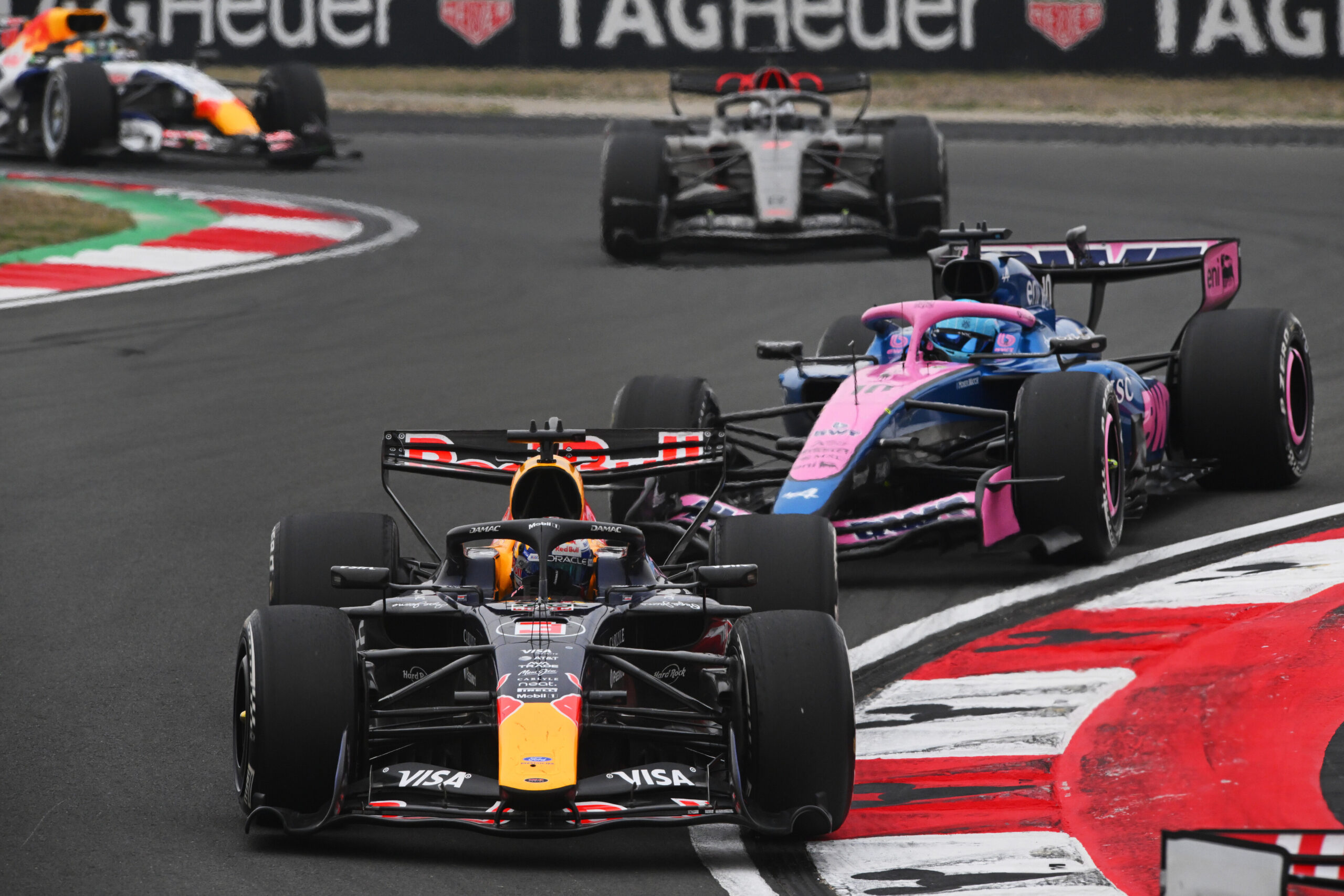
F1 introduced a new generation of power units in 2026, placing greater emphasis on energy deployment and recovery. While the regulations aim to improve efficiency and sustainability, they have also altered the nature of qualifying laps.
Drivers have raised concerns that they can no longer push flat-out for an entire lap. Instead, they must carefully manage energy harvesting, particularly through “superclipping” at the end of straights. This process allows the car to recover energy while still at full throttle, but it reduces top speed and disrupts the rhythm of a qualifying lap. The issue became clear at the season-opening race in Melbourne.
Following the Chinese GP teams, F1 and the FIA held discussions and agreed that preserving qualifying as a pure performance challenge should remain a priority.
FIA acts to restore performance balance
The FIA responded by reducing the maximum permitted energy recharge in qualifying by approximately 11 percent, ahead of the F1 Japanese GP. This adjustment should reduce the need for superclipping by around four seconds per lap, allowing drivers to push harder and rely more on the internal combustion engine.
The governing body expects the change to have a small impact on lap times, with estimates suggesting a reduction of around half a second compared to previous projections.
The FIA said:
“Following discussions between the FIA, F1 teams and Power Unit Manufacturers, a minor adjustment to the energy management parameters for Qualifying at the Japanese GP has been agreed with the unanimous support of all Power Unit Manufacturers.”
“To ensure that the intended balance between energy deployment and driver performance is maintained, the maximum permitted energy recharge for Qualifying this weekend has been reduced from 9.0 MJ to 8.0 MJ.”
“This adjustment reflects feedback from drivers and teams, who have emphasised the importance of maintaining Qualifying as a performance challenge.”
“The FIA notes that the first events under the 2026 Regulations have been operationally successful, and this targeted refinement is part of the normal process of optimisation as the new regulatory framework is further validated in real-world conditions.”
“The FIA, together with F1 teams and Power Unit Manufacturers, continues to embrace evolutions to energy management, with further discussions scheduled in the coming weeks.”
Because teams and power unit manufacturers unanimously supported the change, the FIA implemented it immediately without the usual notice period.
Mixed reactions from the grid
The shift in regulations has divided opinion across the paddock. Some drivers have voiced strong criticism of the new racing product.
Max Verstappen described the racing after China as “terrible” and compared it to “playing Mario Kart”, while Fernando Alonso labelled F1 a “battery world championship”.
Others have taken a more positive view. Lewis Hamilton praised the racing following close battles in China, calling it “the best racing that I’ve ever experienced”.
Fine-tuning, not a rule overhaul
Despite the adjustment, the FIA maintains that the opening races of the 2026 season have been operationally successful. The change at Suzuka represents a targeted refinement rather than a broader regulatory overhaul.
A further technical meeting is scheduled in early April, where teams and stakeholders will review the first three races and consider whether additional adjustments are necessary.