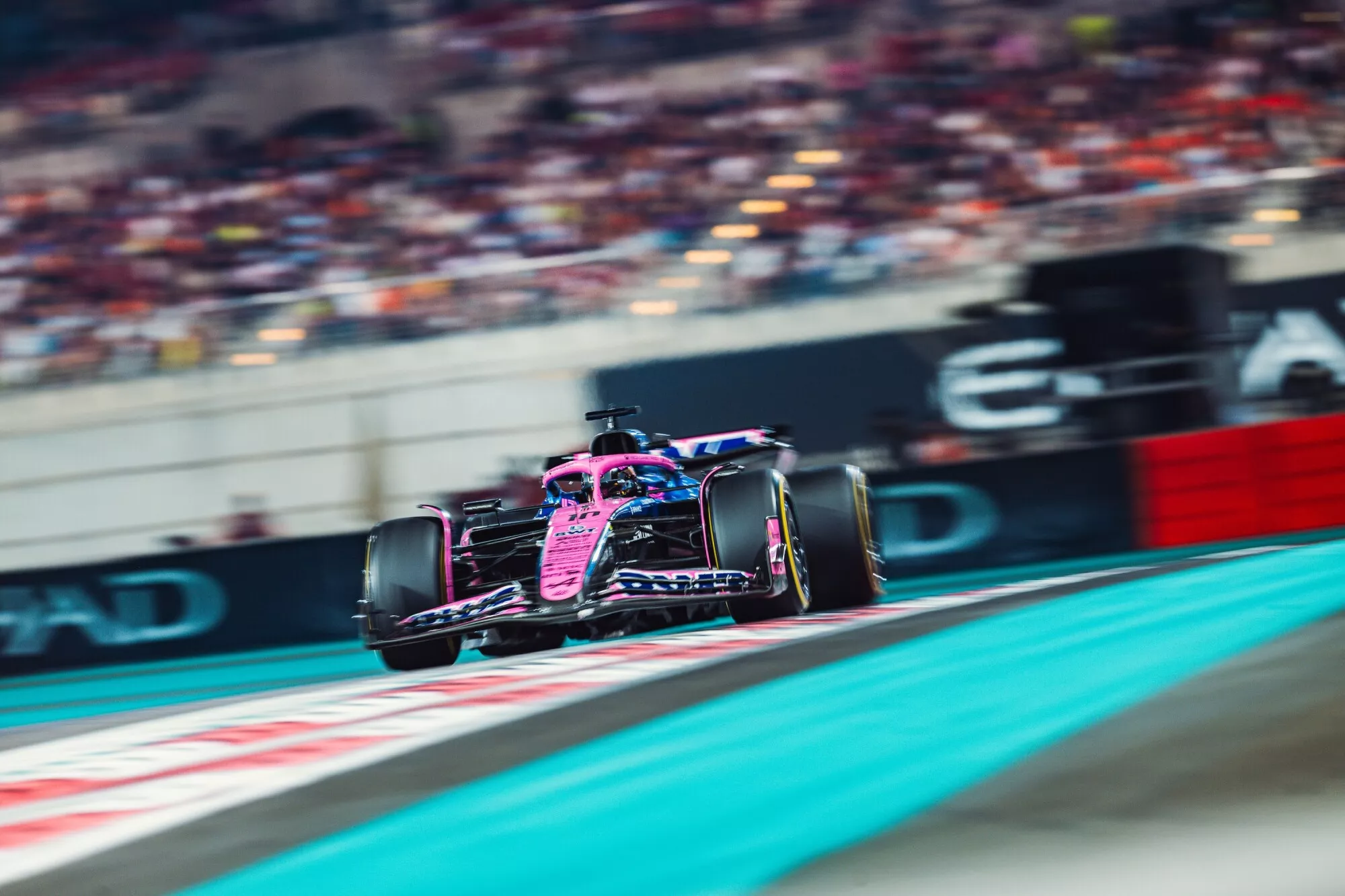
Pierre Gasly ended a challenging season together with the Alpine F1 Team with a sense of clarity rather than frustration. While results often told a difficult story on Sundays, the year turned out to be an important one behind the scenes for Gasly and Alpine. Progress was not always visible on the timing screens, but internally, foundations were being laid for the future.
Improved preparation and communication key to Gasly’s satisfaction
Asked about his biggest learning of the year, Gasly reflected on how much of the progress happened away from the racetrack. He explained that this season marked the most satisfied he had felt with the way the team worked together. Preparation improved significantly, particularly in areas such as car setup, mapping and overall technical direction.
Having spent several seasons with the team, Gasly felt that his engineers now had a much clearer understanding of his preferences. That familiarity allowed work to become more precise and efficient. Communication, both inside and outside the cockpit, developed into an open and constructive exchange. Honest feedback became the norm, with responsibility shared rather than shifted.
“I think I’m the happiest I’ve ever been in the sort of work we’re putting with the team. Preparation, the work with the actual guys, like on getting the car in a good place, mapping, setup. Obviously, I’ve been three years with the team, so they start to have a good understanding of what I want.
“Communication in the car, outside the car, and it’s just a very open, healthy forum we have. So we are quite honest with each other and there is no finger-pointing. We’re just quite honest in assessing our own performance, where obviously when you attempt, you can’t really hide from it.”
Adversity helps Alpine identify weaknesses and build resilience
According to Gasly, this approach helped the team remain objective during difficult weekends. Instead of dwelling on results alone, Alpine focused on identifying strengths and weaknesses with clarity. In Gasly’s view, the adversity of the F1 season made them more resilient and better prepared for what lies ahead.
“I think it almost helped us as a team as being more objective on what we do well and what we need to improve. I think moving forward, it’s actually a season that would have made us definitely stronger as a team.”
Alpine pushes technical understanding despite car limitations
When comparing the team’s current state to the early part of the season, Gasly pointed to awareness and communication as the most improved areas. The limitations of the car forced Alpine to explore details in extreme depth, even when the gains were marginal. That process, however, sharpened the team’s understanding of its tools and methods. Work at the factory intensified, with deeper debriefs and more detailed analysis than Gasly had experienced before. He described it as the strongest collaborative effort of his time with the team, even if the car’s overall performance did not always reflect that work.
“Communication and awareness of what we’ve got to improve and what are we good at and how can we be even better. I think we’ve tried to push stuff as much as we could with the limitation of the package we had this year. Obviously, when you’re lacking overall performance, you go quite deep in these small details that don’t make much difference.
“But I think we took stuff quite to the extreme in the way that mapping and setup and work we do at the factory and how much debrief and how deep we go into things. I must say that’s the best work I’ve done with the team. This is the performance of the car on a season like this year.”
Gasly sees strong foundations despite narrow qualifying gaps
Gasly noted how close the midfield battles had been, particularly in qualifying, where margins were often separated by tenths rather than seconds. Alpine frequently found itself on the wrong side of those fine gaps. Despite that, Gasly remained confident. With refined processes now in place, Gasly believed that a more competitive car would allow Alpine to fully capitalise on the progress made throughout the F1 season.
“You look at the Q1s and you have 7, 8 tenths between all the teams. It’s not like we were miles away from everyone. We were just on the wrong end of the midfield. In actual work as a team, that’s why it brings me quite a lot of confidence that if we get the car to a good place next year, I think we have the right processes in place to actually perform.”