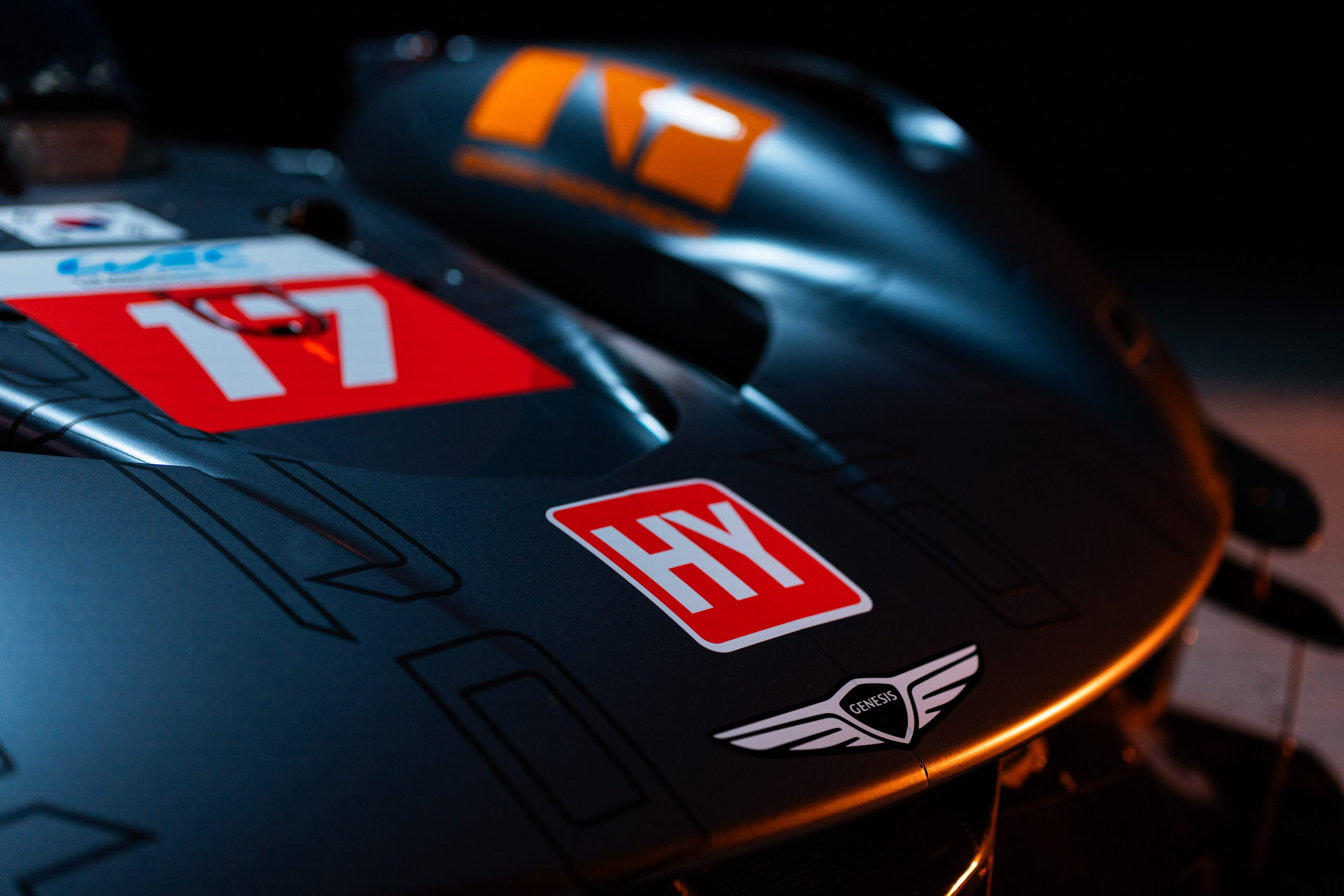
The 2026 FIA World Endurance Championship (WEC) season represents a defining milestone for Genesis Magma Racing, as the marque officially steps into top-level endurance racing for the very first time. This ambitious Hypercar programme signals not only a technical challenge, but also a clear statement of intent from Hyundai’s premium division to compete against the world’s most established manufacturers.
After accumulating approximately 25,000 kilometres of testing since last August, the team now transitions decisively from development to competition. Consequently, the upcoming 6 Hours of Imola will serve as the first genuine benchmark of performance, reliability and operational readiness under race conditions.
Genesis Magma Racing managing expectations from the outset ahead of 2026 WEC Hypercar debut
Team Principal Cyril Abiteboul emphasised the significance of the moment while also underlining a measured and realistic approach. Rather than chasing immediate results, the focus remains firmly on execution and consistency.
“Imola will be a huge moment for Genesis Magma Racing, and Genesis as a manufacturer,” acknowledged Abiteboul. “As a new entrant, we know we are not in a position to pursue performance at the start of the season. Instead, our focus will be on things we can control in our reliability and operations, making sure we do the small things right first, before we can expect results.”
His comments highlight a long-term philosophy. By prioritising reliability and operational precision, Genesis aims to build a strong platform before gradually pushing towards competitiveness.
Preparation gains momentum ahead of 6 Hours of Imola opener
Importantly, the postponement of the Qatar 1812km has provided the team with valuable additional preparation time. While the delay removed an early race opportunity, it simultaneously allowed engineers and drivers to refine systems, procedures and overall performance.
As a result, Genesis arrives at Autodromo Internazionale Enzo e Dino Ferrari better equipped, having already completed an intensive test programme at the venue in February. During that session, the team conducted race simulations, analysed tyre behaviour and worked extensively on baseline set-up configurations.
Despite this, the circuit itself presents a formidable test. Narrow and technical, with limited overtaking opportunities, Imola demands precision and discipline. Moreover, its aggressive kerbs and uneven surface require a car capable of absorbing bumps while maintaining stability.
Therefore, the venue provides the perfect proving ground for a new Hypercar programme seeking to validate both performance and durability.
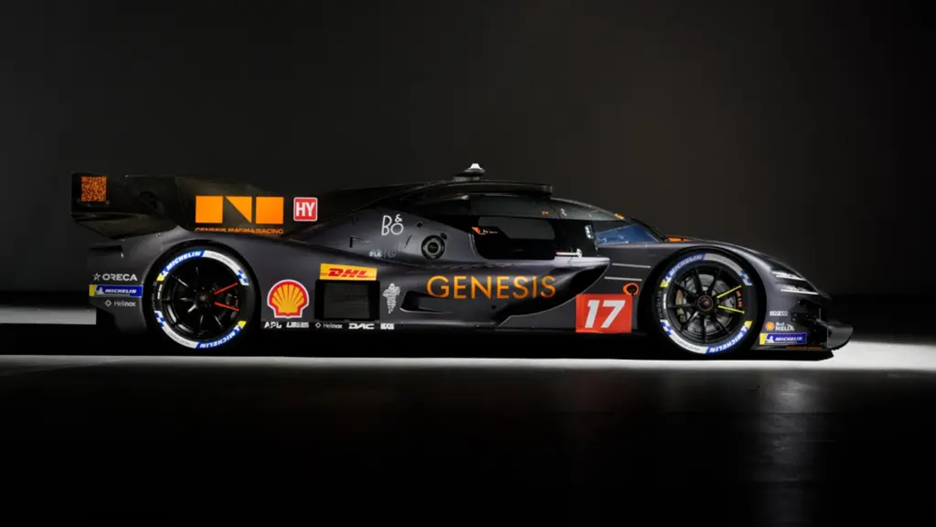
Lotterer leads the charge in the #17 as Genesis Magma Racing prepares for 2026 WEC Hypercar debut
At the forefront of the #17 entry, André Lotterer brings a wealth of experience and technical understanding. Having competed at the highest level of endurance racing, he plays a crucial role not only behind the wheel but also in guiding development.
Ahead of the race weekend, Lotterer detailed the unique demands posed by Imola, particularly its intensity and physical challenges.
“Imola is one of the tightest tracks on the calendar, it’s very demanding in terms of traffic management and it’s quite busy for the drivers,” reflected two-time world champion Lotterer, who will lead the charge in the ‘liquid metal’ #17 entry. “It’s one of the bumpiest tracks we visit and requires a car that is nimble and able to go over the kerbs and absorb the bumps.
“As a driver, you always try to maximise what you have, but in this case we don’t know what we have compared to the competition, so we don’t have crazy expectations. We want to finish the race and gain as much experience as possible. We’ll focus on ourselves and learn as much as we can to enable us to continue building the team and leave Imola stronger.”
His perspective underscores the uncertainty facing a new entrant. Without a competitive reference point, the team must focus inward and treat the race as a learning opportunity.
Derani focuses on team growth
Alongside him, Luis Felipe ‘Pipo’ Derani contributes both experience and leadership. Having been deeply involved in the car’s development, he understands the importance of building a cohesive and efficient team structure.
Expanding on the team’s objectives, Derani emphasised the importance of incremental progress and operational excellence.
“Our first goal for the season has to be to become a proper team,” commented the Brazilian, whose last full campaign in the series was back in 2016 in LMP2. “There are so many great people here. What we’ve already done is a massive achievement, like climbing Mount Everest, only higher, and now we get to live what one-and-a-half-years ago was a dream.
“This is the time to polish everything – have the pit-stops done right, make sure people know exactly what they need to do. The reality is we need to create small targets for ourselves, tick those boxes bit-by-bit and accomplish small wins each day. For the first race, we can hopefully make as few mistakes as possible and get to the finish without any major issues, the second race finish a little better and slowly push the targets further and further towards the front.
“While we would have preferred to compete in Qatar as it would have provided a ten-hour race before Le Mans, the additional month before the start of the season was definitely helpful for us. Imola is one of the most challenging circuits on the calendar, making it a significant test as a team in our first event. If we perform well, it will boost confidence for the following rounds.”
Experience meets youth in #17
The #17 crew is completed by Mathys Jaubert, who makes his FIA WEC debut. His inclusion adds youthful ambition to a line-up anchored by experienced endurance racers, creating a well-balanced dynamic within the car.
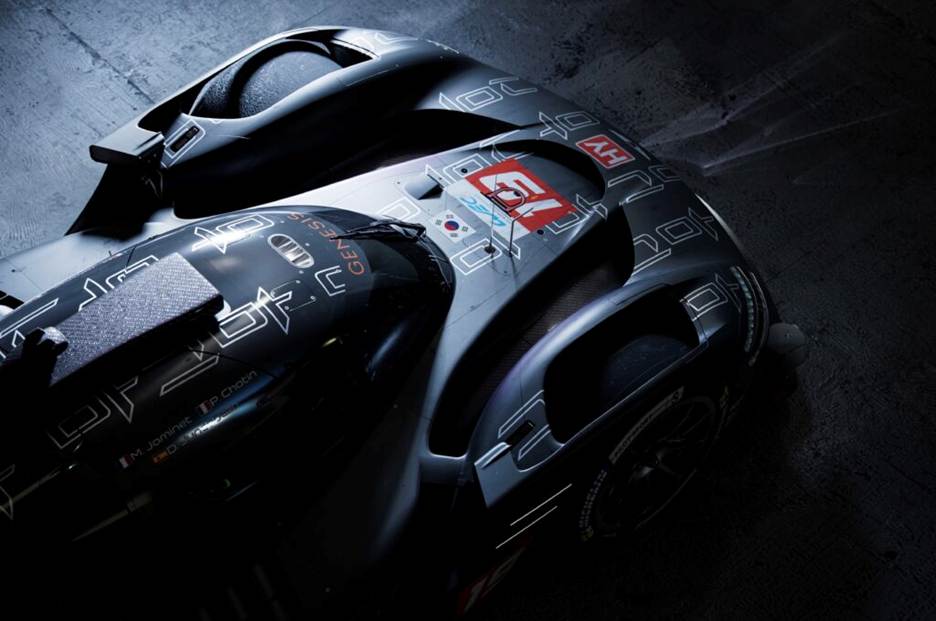
Strength in depth with #19 as Jaminet, Juncadella and Chatin undertake 2026 WEC Hypercar challenge with Genesis Magma Racing
Meanwhile, the sister #19 entry features Mathieu Jaminet, Daniel Juncadella and Julien Chatin. Together, they bring a mix of GT success, prototype experience and proven racecraft.
Chatin reflected on both the team’s rapid development and the scale of the challenge ahead, framing the season as a long-term journey rather than a single objective.
“I’m very pleased to see the 2026 season finally getting underway,” enthused the Frenchman, winner of the world championship’s landmark 100th race at Fuji last September with Alpine. “It represents the start of a new personal challenge for me, but also a significant milestone for everyone at Genesis Magma Racing – I’m extremely proud of what they have achieved in such a short space of time since the team was announced.
“We are not facing a single mountain, but an entire mountain range, and Imola marks the first step in this new chapter. The circuit increases the level of difficulty due to its characteristics, particularly the bumps and aggressive kerbs, which require specific qualities from the car. It’s a real challenge that will teach us a lot for the rest of the programme. Our primary goal will be to focus on ourselves and execute a clean race from start-to-finish.”
Genesis Magma Racing building for the future
From a strategic standpoint, Sporting Director Gabriele Tarquini highlighted the importance of unity within the team. In endurance racing, success relies heavily on communication, trust and shared responsibility across all departments.
He emphasised that while individual talent is important, collective execution ultimately determines results.
“Each of our drivers brings something different, and that’s exactly what makes a strong endurance line-up,” the Italian affirmed. “We have drivers whose extensive Hypercar experience has been extremely valuable in developing the car, and others who, with the enthusiasm of rookies, will help us to overcome the difficulties we will certainly face during our first season.
“But beyond individual strengths, what really matters is how they work together. Endurance racing is about trust, communication and shared responsibility. We know our competitors are very strong, but I’m sure we have everything we need to start fighting with them soon.”
Ultimately, Genesis Magma Racing approaches its debut with discipline and clarity. Rather than measuring success purely by finishing position, the team prioritises reliability, clean execution and knowledge acquisition.
Therefore, the 6 Hours of Imola represents far more than a race. It marks the beginning of a long-term journey in Hypercar competition. If Genesis can meet its initial objectives, this first outing will provide the foundation for steady progress throughout the season and beyond.