Michelin Motorsport expects the 2026 FIA World Endurance Championship (WEC) season finale at Monza to present a significant tyre challenge, with the Italian circuit’s high-speed characteristics, heavy braking zones and potentially cool November conditions placing considerable demands on the manufacturer’s latest Pilot Sport Endurance range.
The 6 Hours of Monza will conclude an important season for Michelin, following the introduction of its new generation of Hypercar tyres at the beginning of 2026. The French manufacturer has placed greater emphasis on sustainability, with its latest slick compounds incorporating 50 per cent renewable or recycled materials.
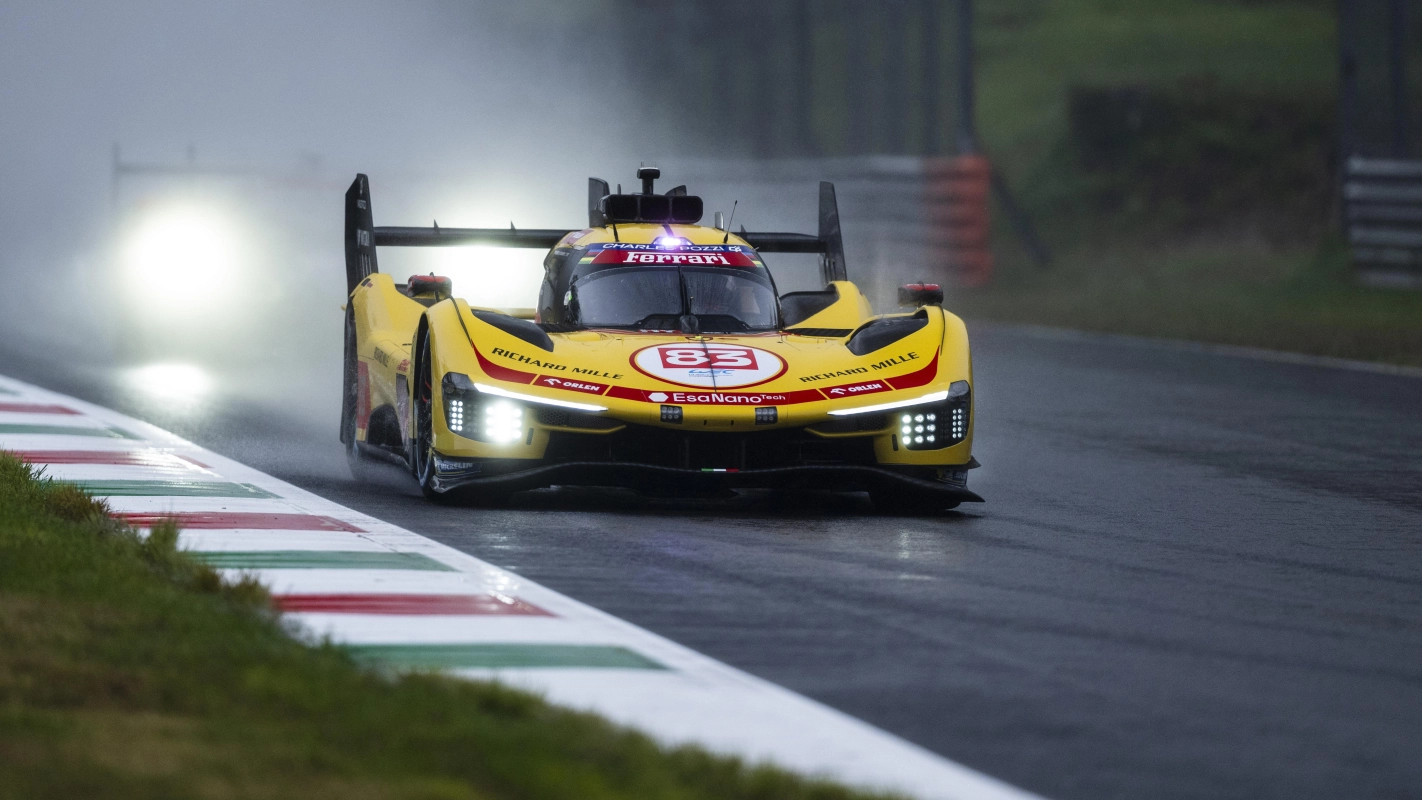
Monza will also provide another opportunity to evaluate Michelin’s new wet-weather tyre, which made its competitive debut during the inaugural 6 Hours of Barcelona in October. The tyre contains 57 per cent renewable or recycled materials, representing another step in the manufacturer’s efforts to combine sustainability with competitive performance.
Meanwhile, Toyota Racing enters the finale having already secured the Hypercar Manufacturers’ Championship, although its two crews remain locked in a battle for the Drivers’ title.
Monza presents significant demands for Michelin’s Hypercar tyres
The Autodromo Nazionale Monza will host the final round of the 2026 FIA WEC season, marking the championship’s return to the Italian circuit for the first time since 2023. The 5.793km venue ranks as the second-fastest circuit on the calendar, with average lap speeds reaching approximately 220km/h and peak speeds approaching 320km/h.
The circuit’s combination of long straights, heavy braking zones and famous corners, including Curva Parabolica and Variante Ascari, creates a distinctive technical challenge for teams and tyre manufacturers. Drivers must manage considerable braking forces while maintaining traction through slower sections and stability at high speed.
Pierre Alves, manager of Michelin’s endurance racing programmes, highlighted the demands the circuit will place on the manufacturer’s latest tyre range, particularly through the high-speed corners.
“Monza is a challenging place to wrap up the championship,” Alves admitted. “To begin with, it’s one of the world’s fastest tracks, and that places big demands on tyres.”
Alves also identified the substantial loads tyres must withstand throughout a lap, particularly the forces affecting the rear-left tyre and the repeated deceleration required at Monza’s chicanes.
“Through Turn Three, for example, the rear-left is submitted to a load of 900kg. It is also notorious for hard-braking, and our slicks will need to contend with deceleration forces in excess of 2g for five per cent of every lap.”
Michelin adapts tyre selection for November conditions
The move from Bahrain to Monza for the season finale has also prompted Michelin to reconsider its tyre allocation. The championship traditionally concluded in the warmer conditions of the Middle East, but northern Italy in November presents a substantially different environment.
Cooler temperatures could make it more difficult for drivers to bring their tyres into the optimal operating window, particularly during the opening laps of a stint. Teams must also consider how track temperatures change throughout the day, especially as the six-hour race progresses towards its scheduled 17:00 finish.
Michelin has consequently selected its soft and medium Pilot Sport Endurance slick compounds for the weekend, alongside its recently introduced wet-weather tyre.
“The switch from Bahrain to northern Italy in November has led us to revise our package for the race. We will consequently have our soft and medium slicks, plus our new wet-weather tyre that made its debut last month in Barcelona and which contains 57 per cent renewable or recycled materials.”
The selection reflects the different challenges awaiting competitors at Monza, where teams must balance tyre warm-up, durability and performance across long race stints.
Michelin continues development of sustainable endurance tyres
The Monza finale also marks the conclusion of Michelin’s first season with its latest-generation Pilot Sport Endurance range, representing another milestone in the manufacturer’s wider sustainability programme.
Five years ago, at the beginning of the Hypercar era, Michelin introduced a demonstrator slick containing 46 per cent sustainable materials. The manufacturer subsequently developed that technology, culminating in the 2026 tyre range, which incorporates 50 per cent renewable or recycled materials.
The new wet-weather compound increases that proportion to 57 per cent, extending Michelin’s sustainability approach across both dry and wet-weather applications.
The manufacturer introduced the new tyre at Barcelona in October, where changing conditions provided an opportunity to evaluate its performance during competitive running. Before the Spanish round, Michelin had outlined the technical challenges and sustainability objectives of its new tyre range, emphasising the need to maintain performance despite the greater proportion of renewable and recycled materials.
The wet-weather tyre subsequently made its competitive debut during the six-hour race, as teams navigated a rain-affected opening phase before gradually switching to slick compounds.
Monza will provide another opportunity to gather data from Michelin’s latest products, with the circuit’s high-speed characteristics introducing different demands from those encountered at Barcelona.
Tyre management could influence Monza race strategies
The combination of Monza’s high-speed layout and November conditions could make tyre management particularly important during the championship-deciding finale.
Teams must consider how effectively their cars generate tyre temperature, especially when using the medium compound during cooler periods. Although softer tyres may offer advantages in warm-up and initial grip, competitors must also evaluate how consistently each compound performs throughout longer stints.
The circuit’s demanding braking zones add another consideration. Drivers must manage repeated deceleration from high speed, while the significant loads through the corners place additional stress on the tyres.
These factors could influence compound selection, stint lengths and the timing of pit stops during Sunday’s six-hour contest. Teams that successfully balance tyre performance against degradation may gain an advantage over rivals who struggle to maintain consistent lap times.
Changing weather conditions could introduce further complications. The possibility of rain would require teams to consider the crossover between Michelin’s wet-weather compound and its slick options, particularly if the track begins drying during a stint.
The 2026 WEC Monza preview also highlights the circuit’s demanding combination of aerodynamic efficiency, braking stability and traction, all of which could contribute to the final competitive order.
Toyota enters Monza as Hypercar Manufacturers’ Champion
Michelin’s final race of the season will also determine the remaining Hypercar Drivers’ Championship, with Toyota Racing’s two crews competing for the title.
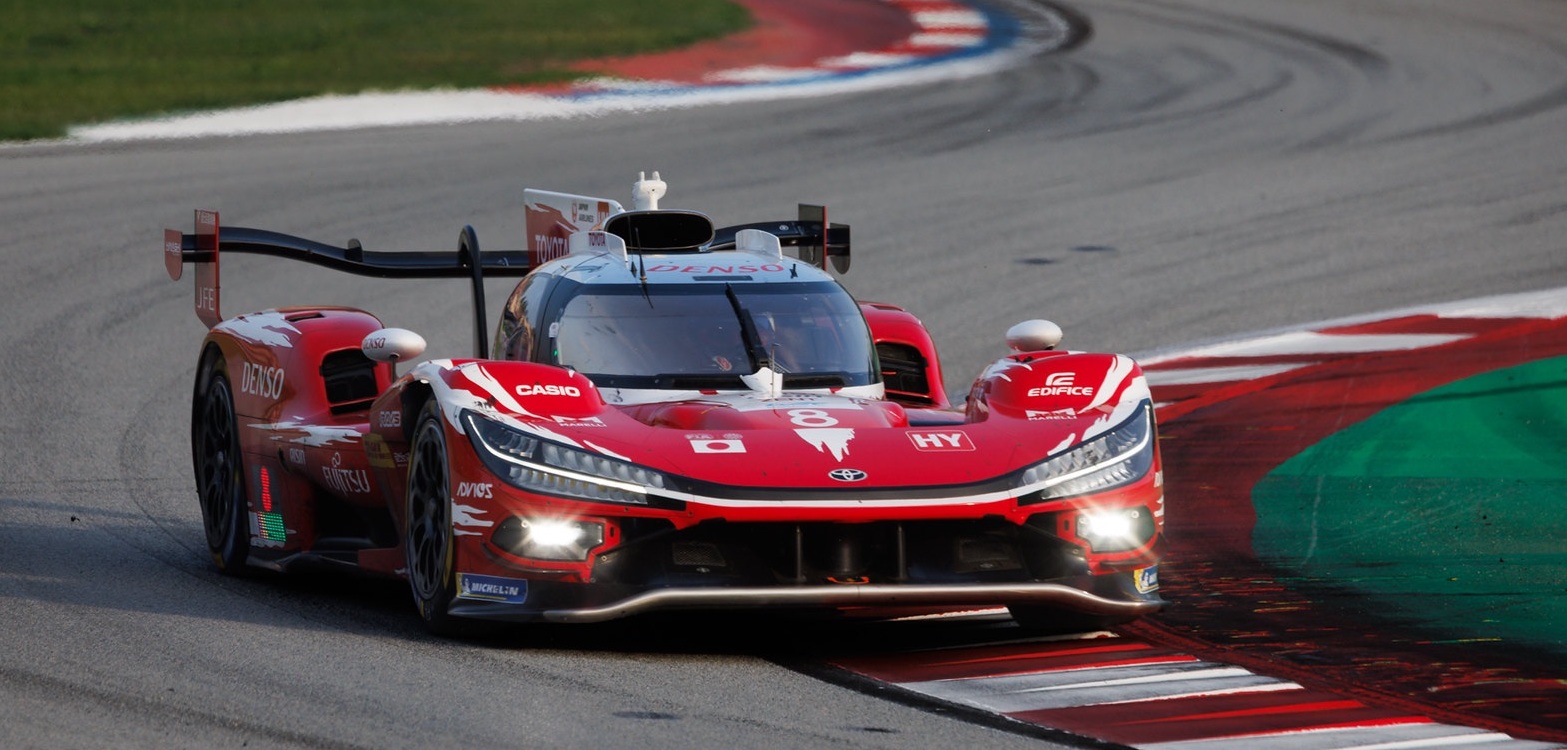
The Japanese manufacturer secured its eighth FIA WEC Manufacturers’ Championship at Barcelona, where the #8 Toyota TR010 Hybrid of Sébastien Buemi, Brendon Hartley and Ryō Hirakawa led home the sister #7 entry of Mike Conway, Kamui Kobayashi and Nyck de Vries.
The two cars finished just 0.583 seconds apart, completing a dominant one-two that confirmed Toyota’s fifth Manufacturers’ Championship in six seasons of the Hypercar era.
The manufacturer’s championship-winning performance in Spain also strengthened the #8 crew’s position in the Drivers’ standings, increasing its advantage over the sister Toyota to 17 points.
Buemi, Hartley and Hirakawa enter Monza with 114 points, while Conway, Kobayashi and de Vries follow on 97. With 26 points available, including one for pole position, both crews remain mathematically capable of winning the championship.
Michelin has played an important role in Toyota’s endurance racing success, with the Japanese manufacturer maintaining its longstanding partnership with the French tyre supplier throughout its championship-winning campaigns.
Michelin prepares for final challenge of 2026 WEC campaign
The 6 Hours of Monza marks the championship’s first visit to the Italian venue since 2023, with Toyota and Alpine sharing the victories across its previous three WEC appearances. Toyota won in 2021 and 2023, while Alpine claimed victory in 2022.
However, the 2026 race presents a different challenge following the introduction of Michelin’s latest-generation tyres and the move to a November date. The combination of high speeds, heavy braking forces and cooler conditions will require teams to adapt their strategies as they prepare for the final race.
For Michelin, the weekend provides an opportunity to conclude a significant development season, particularly following the introduction of its sustainable slick range and the competitive debut of its new wet-weather tyre at Barcelona.
The championship implications also add importance to the event. Toyota has already secured the Manufacturers’ title, but its two crews will contest the Drivers’ crown, while several other Hypercar manufacturers aim to conclude their seasons with victory.
The 2026 FIA WEC 6 Hours of Monza will begin at 11:00 local time (CET) on Sunday, 8 November, with the six-hour race determining the final championship honours.
As the season concludes, Michelin will aim to demonstrate the performance and durability of its latest tyre technology at one of endurance racing’s most demanding high-speed circuits.