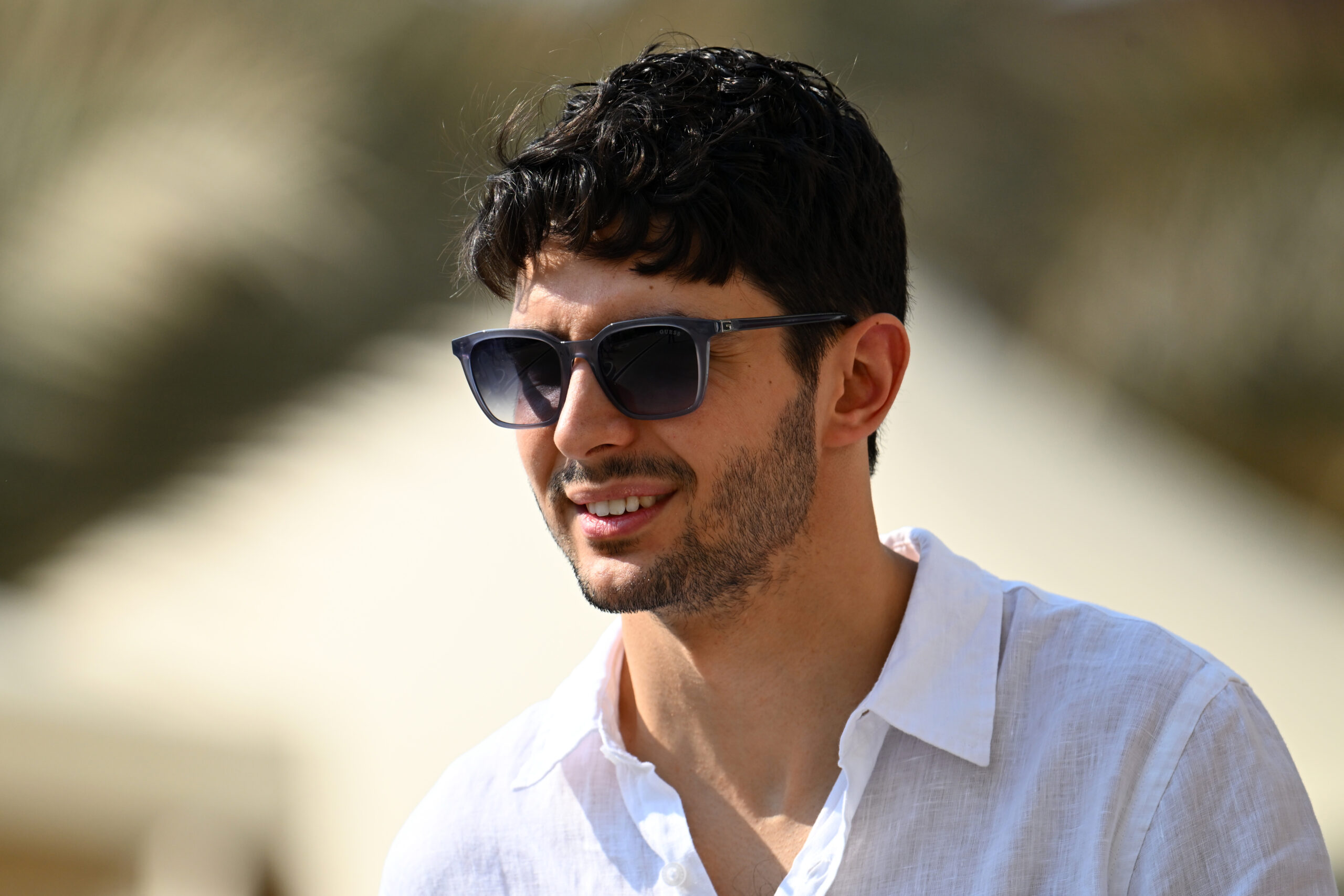
For Esteban Ocon, the line between the 2025 and 2026 Formula 1 (F1) seasons for Haas continues to blur. As F1 accelerates towards its sweeping 2026 regulation overhaul, the sport has compressed the traditional winter break into a narrow and demanding preparation window.
Ocon approaches his first off-season as a Haas driver with little opportunity to switch off. Haas committed early to a structured transition plan for both Ocon and teammate Ollie Bearman, placing the winter months at the centre of its preparations. Rather than easing into 2026 development, the team has adopted a tightly controlled approach that prioritises focus and discipline.
The shortest off-season yet
When speaking in a print media session at the F1 Abu Dhabi GP, Ocon was clear that the window between the two seasons is significantly tighter than usual, with a high emphasis on ensuring Haas have enough time to prepare for the 2026 F1 regulation change.
“I don’t think it’s one month. I think we are basically back to work on the 7th of January and we stop on the 22nd. So it’s not a month. It will be the shortest inter-season ever for sure that I will have, which is going to be very tight to prepare.”
The compressed schedule reflects the scale of the challenge that was facing Haas. The team was not only closing out the current 2025 season, but also preparing for one of the most significant regulation resets in 2026 that Formula 1 has seen in recent years.
Early preparations leaves little room for rest
For Esteban Ocon, the demands of the winter period extend well beyond physical recovery. Time must be split between conditioning, technical preparation and early running with the team.
“And also we are back in January to drive. Time is going to be very much a big thing to prepare physically, to prepare with the team, to get ready. The good thing with the team is that we have a lot of testing, so on driving we can sort some stuff out.”
The intensity of the schedule underlines how the transition period effectively blends both the 2025 and 2026 seasons into one.
“But I think it’s pretty much two seasons in one.”
Haas delayed 2026 focus until season’s end
Despite the F1 regulation change, Haas deliberately delayed full driver preparations for 2026 for both Esteban Ocon and Ollie Bearman until the 2025 season had finished. Team Principal Ayao Komatsu prioritised extracting maximum performance from their 2025 package before shifting focus.
Simulation work marked the real beginning of that transition once the 2025 F1 season was complete.
“As soon as this is finished, we are flying both me and Oliie to the Sim in Maranello and we are driving the 2026 car. It was very much a team’s decision not for us to focus on the 26 stuff, in terms of driving, in terms of driving style, technique and everything. Before this season was finished, Ayao was very clear on that.”
That approach limited distractions during the season, with only essential technical discussions taking place.
“He wanted us to focus completely on this season, which is very important for the team. We’ve done meetings because we had to, in terms of technicality and some stuff that we had to decide very early on with the team. But the work for us is going to really start post-Abu Dhabi test.”
Building towards a new era
For Ocon, as with the rest of the Formula 1 grid, the winter period represents a rapid adjustment phase rather than a full reset. With drivers preparing to adapt to fundamentally different car concepts, the coming months will be crucial in shaping the competitive picture.
How quickly teams and drivers respond to those changes will become clearer when the 2026 season gets underway in Melbourne next March.