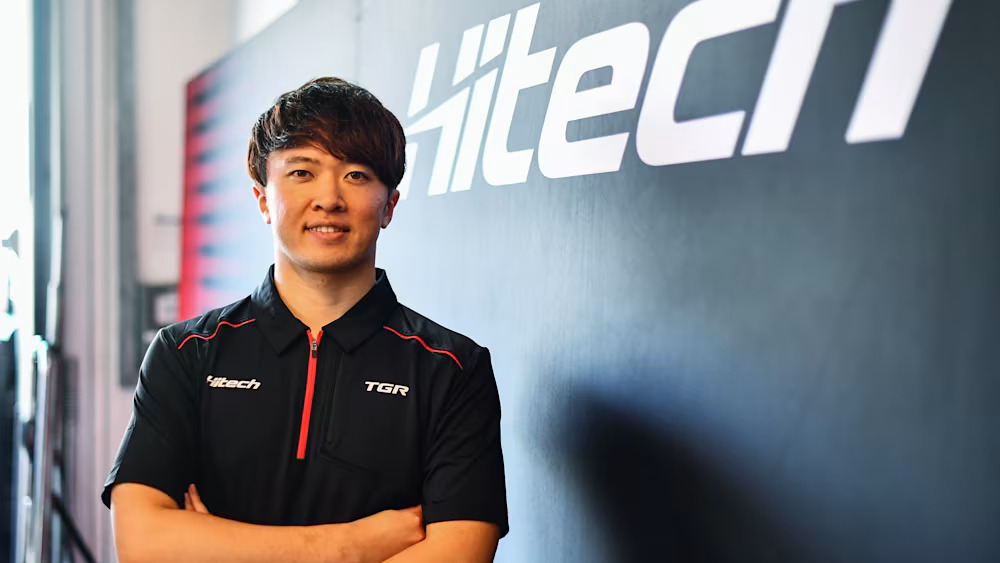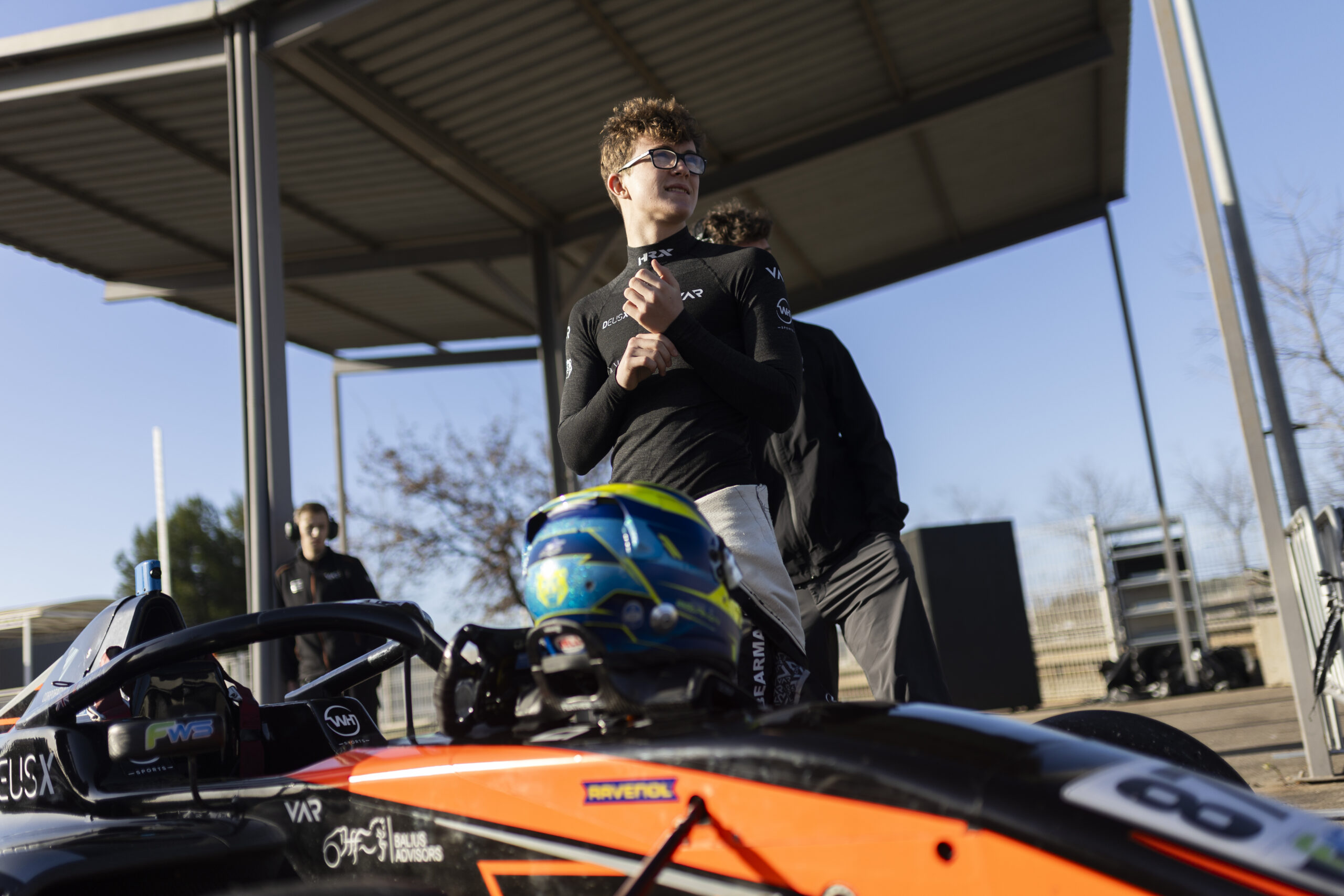
Like many young drivers, Thomas Bearman began his motorsport journey in karting at a young age. Those early years laid the foundation for his development, introducing him to the demands and rhythm of competitive racing while still keeping the experience rooted in enjoyment.
As his career has progressed, the environment around him has become more structured and intense. Training demands have increased, preparation has deepened, and expectations have grown with each step up the ladder. Even so, the early influence of karting continues to shape how he approaches racing, particularly in maintaining a balance between focus and enjoyment as the stakes rise.
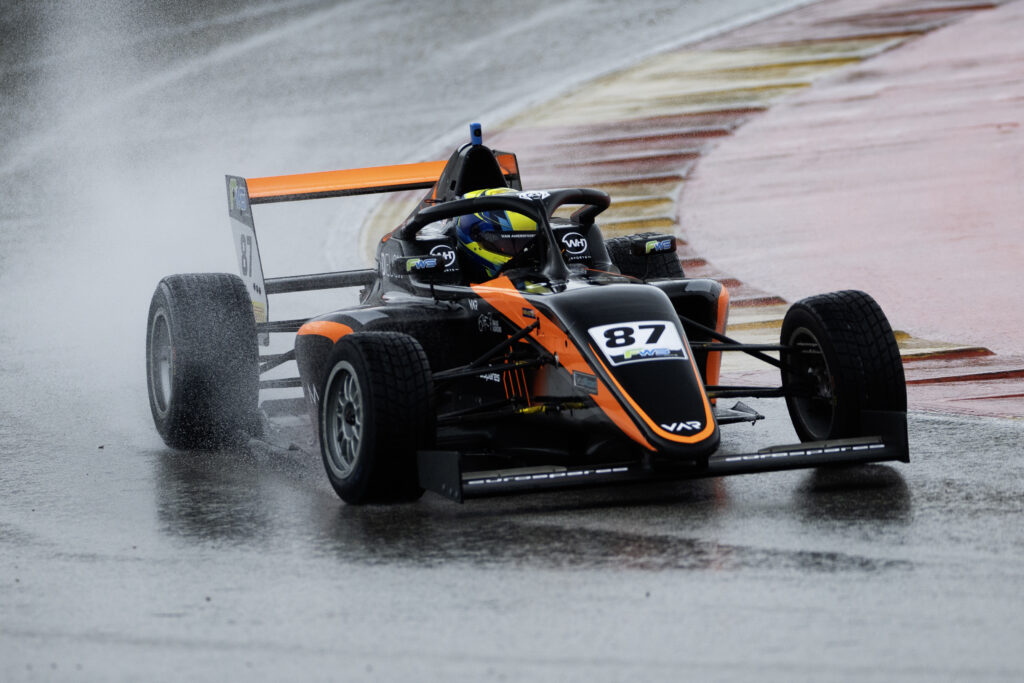
In an exclusive interview with Pit Debrief just after his successful 2026 Formula Winter Series campaign with Van Amersfoort Racing, Bearman reflected on his early days in karting, emphasising how his love for motorsport and the “thrill of going quick” have shaped his approach to racing today.
The first spark: When Bearman discovered “the thrill of going quick”
Like many drivers, Bearman’s introduction to racing came through karting at a young age, where the foundations of both skill and interest are typically formed. Those early experiences often define how a driver first relates to competition, and in Bearman’s case, they established an immediate connection to the feeling of driving and the unique intensity that comes with it.
“Yeah, I started karting quite young, as we see most people do these days, and it’s just like, you know, the thrill of going quick — you know, it’s quite unmatched in any other sport I ever played when I was growing up. So that sort of thrill-seeking side of me enjoyed that element of racing, and I don’t think it has ever stopped being fun.”
While many young drivers experience racing as a mix of learning and competition, Bearman highlighted how the enjoyment of driving itself stood out from the very beginning. As drivers progress through the ranks, maintaining that sense of enjoyment can become increasingly challenging as expectations grow and performance pressures increase. Despite this, Bearman continues to place strong importance on keeping that balance intact throughout his career.
“I still, at the end of the day, go racing for the enjoyment, you know, it’s not a chore for me. So yeah, I still [like it]; otherwise, I wouldn’t do it. It’s because I love this competing side that I, as well, get in no other part of my life. So it’s really important to keep that up, even you’re a competitor like I am. But yeah, I enjoy it.”
Raising the bar: Stepping beyond karting
Progression beyond karting brings a clear shift in routine and responsibility, with drivers required to adopt a more professional approach both on and off the circuit. Training becomes more structured, preparation more detailed, and consistency more important as the level of competition increases.
For Bearman, this transition has been a natural part of moving through the junior ranks, with clear adjustments required to meet the demands of higher categories.
“Don’t get me wrong, now I’m taking it a bit more seriously, for sure. That sort of happens when you leave karting. You have to take everything a bit more seriously: go to the gym a couple more times a week, make sure your head is in the right space more often, and stuff like that, because the stakes are so much higher. But still, it’s still fun for me.”
This balance between increased discipline and continued enjoyment reflects the wider reality faced by many young drivers as they step into more competitive environments, where performance expectations rise but the underlying passion for racing remains central.
Motorsport foundations that last: Early wins and Bearman family memories
Early success in karting often plays a significant role in shaping a driver’s confidence and outlook, while personal experiences away from formal competition can also leave a lasting impact. For Bearman, both elements contributed to his development during those formative years in the sport.
“Yeah, obviously, the early wins in my karting career — that success and the enjoyment that comes with that — are really important in how I felt about racing, and also early memories of me and my brother racing around go-kart tracks together. Even though he had a couple of years on me in terms of age, we had some fun, and memories of that stay close to me because it was a good time.”
These experiences helped shape his early relationship with racing, combining competitive achievement with shared moments that reinforced his connection to the sport beyond results alone.
With time and experience, his perspective on those years has also evolved. What once felt intense in the moment is now viewed with a greater sense of appreciation for the stage of life it represented.
“And now, looking back, karting was just, you know — you take everything so seriously in the moment — but at the time, looking back, I can look at it really fondly because it’s really happy days in my life.”
Looking back: Lessons from the early years
As his motorsport career has developed, Bearman has also taken time to reflect on what guidance he might offer to his younger self at the start of his karting journey. His response focuses less on technical advice and more on mindset, particularly around maintaining perspective during the early stages of competition.
“Yeah, obviously, I think I’m probably blowing my brain up if I told [him] everything I know today, but yeah, ‘just have fun, right? Like, don’t hang on to anything for too long. It’s all in the moment. All these worries are past and, yeah, just enjoy it while it lasts.'”
As he moves forward in his career, that balance between professionalism and passion remains key. In a sport defined by pressure and progression, Bearman’s perspective serves as a reminder that development in motorsport is not only about adaptation to higher stakes but also about preserving the instinct and enjoyment that start it all.