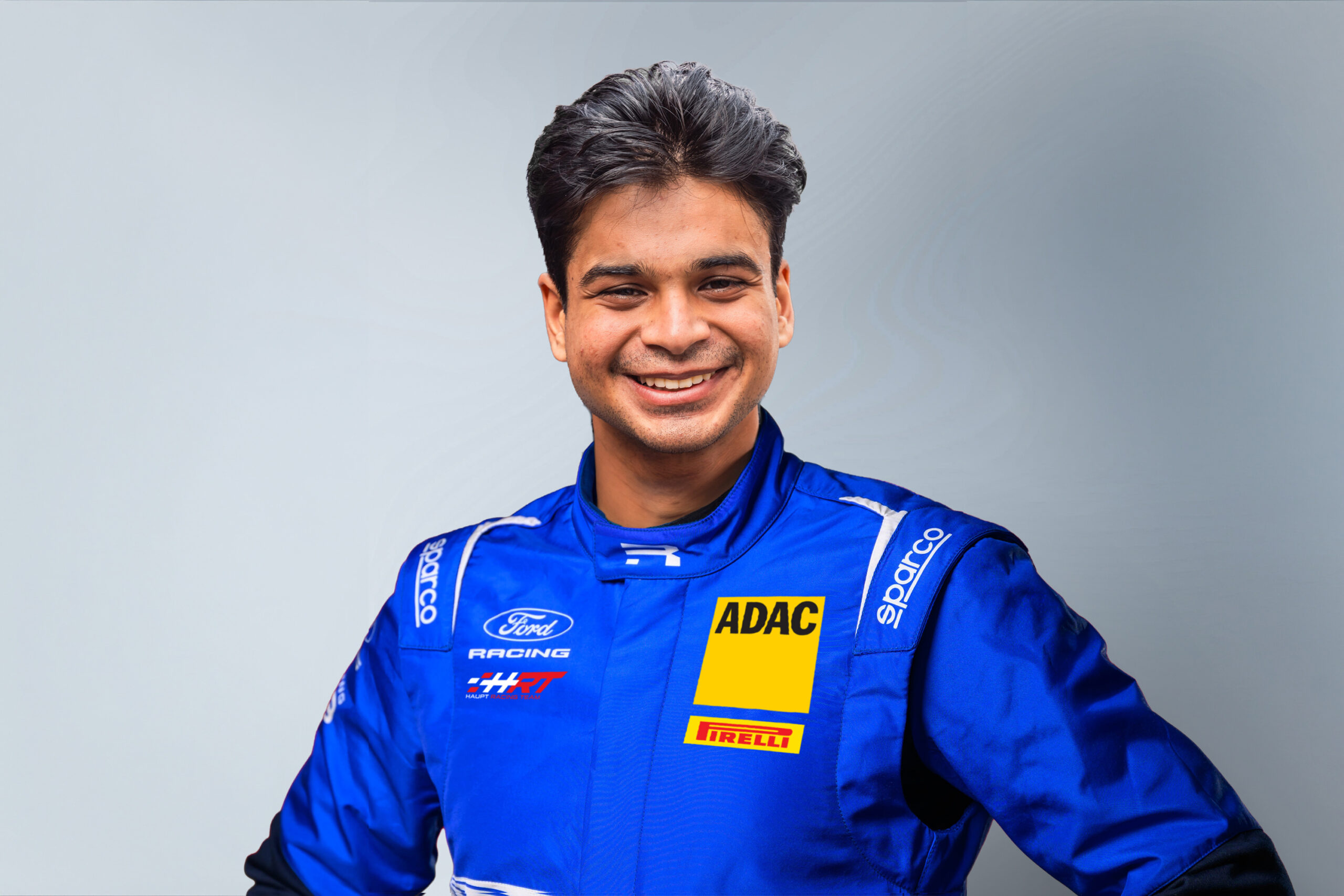
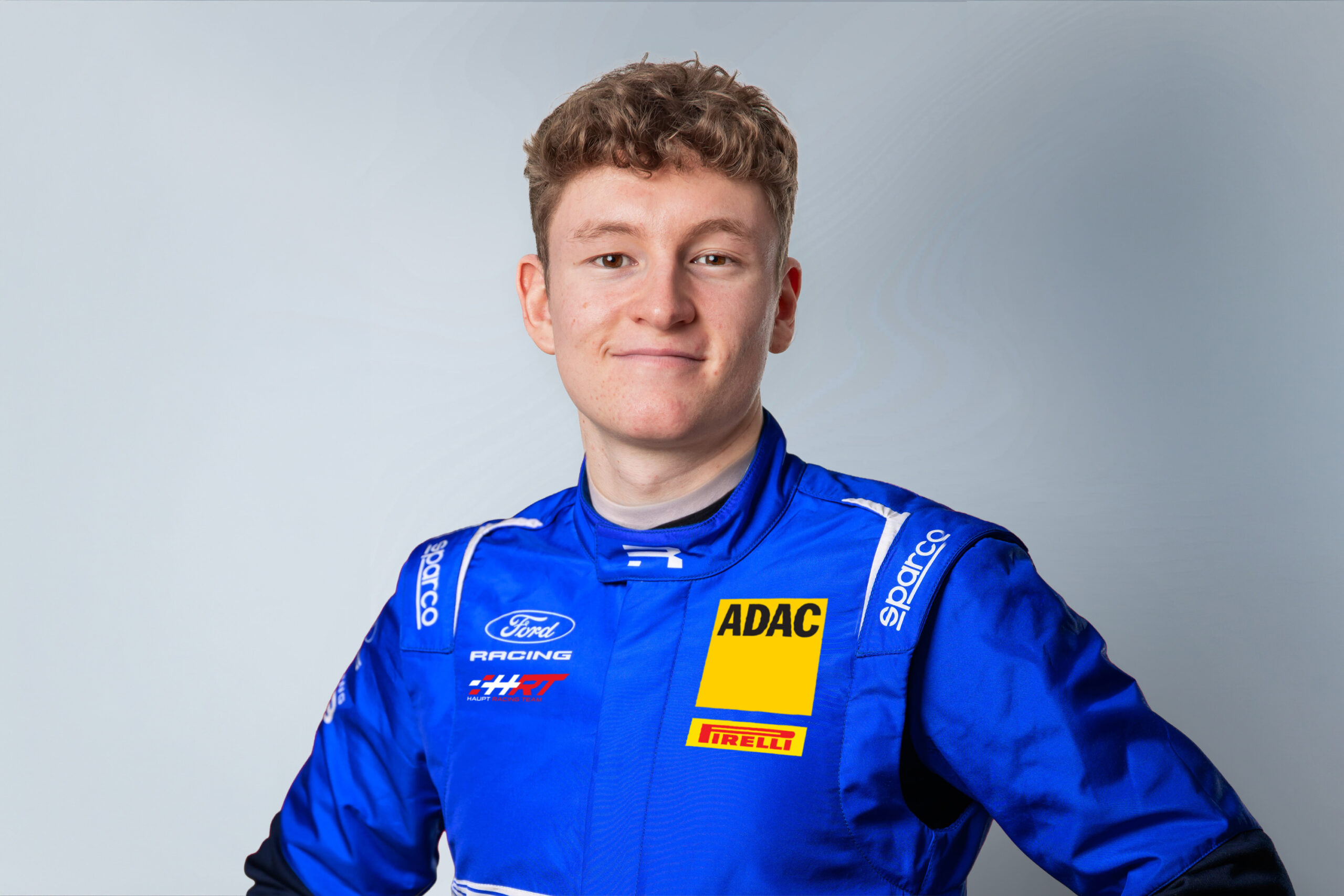
In an exclusive interview with Pit Debrief, Finn Wiebelhaus outlined his mindset ahead of the 2026 Deutsche Tourenwagen Masters (DTM) season as he prepares to step up with Haupt Racing Team (HRT). The reigning ADAC GT Masters champion now enters one of the most competitive GT championships in the world, where precision, adaptability, and consistency remain essential for success.
This transition represents a defining moment in his career. Moving into DTM brings new challenges, including deeper grids, more complex race strategies, and heightened competition. Alongside Arjun Maini, Wiebelhaus joins a team environment that prioritises collaboration and long-term development.
Rather than focusing solely on immediate results, he approaches the season with a measured perspective. Building experience, understanding the car, and contributing to team progress will shape his rookie campaign as both driver and team aim to move closer to the front of the grid.
Wiebelhaus on his fresh start in DTM with HRT and anticipation for the unknown of the 2026 season ahead
The beginning of a new season always brings a sense of anticipation, but for Wiebelhaus, that feeling carries added weight. After a period away from racing, returning to the track in a new championship introduces both excitement and uncertainty. The transition to DTM presents new variables, from race formats to the depth of competition, all of which demand rapid adjustment.
“Yeah, I mean, for me, it’s the first DTM season with HRT,” Wiebelhaus said when asked about his outlook on his rookie DTM season ahead. “Obviously, it’s been a long time to be back on track for racing as well, for me as well. So yeah, I cannot wait to see how the Evo package will have [an] influence on our performance on track. And I’m also really looking forward to having a good team and experienced teammate with Arjun. And I think it’s going to be a fun season for sure.”
As a result, his focus extends beyond personal performance to understanding how the Ford Mustang GT3 Evo behaves across varying circuits. At the same time, the presence of an experienced teammate provides an immediate reference point, easing the transition into unfamiliar territory.
Wiebelhaus learning within a balanced driver pairing
Alongside technical adaptation, the driver dynamics within HRT play a crucial role in shaping Wiebelhaus’ rookie campaign. Having known Maini prior to becoming teammates, both drivers enter the season with an established relationship that supports open communication and mutual trust.
“Yeah, I mean, as Arjun already mentioned, we’ve known each other since some years now. I think we have quite a good relationship. So, for sure, it’s giving me a good feeling that I have a good teammate, which I come along [with] quite well. So, he can give me some tips.”
This familiarity creates a strong foundation for collaboration, enabling both drivers to exchange feedback effectively. In a championship where rapid adjustments can influence results, such communication becomes a key asset.
Nevertheless, Wiebelhaus remains fully aware of the challenge ahead. The DTM grid features a high level of depth and experience, making adaptation essential from the outset.
“And also for me, it’s completely new, big grid, good competitors. So yeah, it’s going to be, for sure, a tough season and to have a nice and good and experienced teammates always helps for sure.”
Consequently, he has adopted a measured approach centred on progression. Rather than chasing immediate success, he prioritises learning and consistency, while also recognising the importance of maintaining a positive relationship beyond the track.
“So yeah, I hope we have a good season together and also have some nice bike races like last year.”
Wiebelhaus targeting improvement in 2026 with HRT teammate Maini as a DTM benchmark
As Wiebelhaus continues his adaptation, he identifies specific areas where Maini’s experience can guide his development. In particular, he highlights racecraft and qualifying as critical benchmarks in a championship where track position often dictates race outcomes.
“I mean, Arjun’s race craft is really, really good as well as Qualifying. So, I think overall, it’s just a good package. I mean, he really made progress as well. Like over the past two years, he really… For me, he’s one of the quickest guys in the Ford. So, he’s for sure the one to reach at some point in the season.”
By setting his teammate as a reference point, Wiebelhaus has established a clear pathway for improvement. This internal benchmark not only motivates progress but also provides a consistent measure of performance throughout the season.
Importantly, he recognises that success in DTM extends beyond outright speed. The ability to manage races, remain composed, and make decisive moves under pressure often defines results.
“But yeah, like I said, it’s just the overall package. I think he’s just so calm in the race. Like he knows what to do. He knows where to position the car at the race starts. “
Early 2026 a critical learning period for Wiebelhaus in DTM with HRT
Given the intensity of DTM competition, Wiebelhaus views the early part of the season as a crucial learning phase. Wheel-to-wheel racing, race starts, and decision-making under pressure will all play a significant role in shaping his development.
“And for sure, this I will need to figure out in the beginning of the season because it’s never been such a high range grid, let’s say. And so many drivers are so good and hard to each other. So I think I need to really see where I am at the beginning of the season, at the starts and how hard I can attack the other guys. And I think Arjun is really good.”
Through this process, he aims to refine his approach and better understand where he stands relative to the field. As experience builds, these early lessons could translate into stronger performances later in the season.
Team cohesion as the foundation for progress
Beyond individual performance, Wiebelhaus places strong emphasis on teamwork as HRT continues its development. At this stage, collective progress remains more important than internal competition, particularly as the team works to unlock the full potential of its package.
“Yeah, I mean, same like Arjun. I mean, it’s always nice to work together. Because like Arjun already mentioned, we need to just move up the game with the whole team and get in the car and need to optimise the Evo package and get the whole performance out of the car.”
This collaborative mindset reflects a broader understanding of how success is built in GT racing. Teams must refine every detail to compete consistently at the front, making unity and communication essential.
At the same time, Wiebelhaus remains realistic about expectations in the early stages of the season, acknowledging that immediate victories may not yet be within reach.
“And I mean, we’re not fighting, I guess we’re not fighting in the first race for the win. So I think it’s really important to just work together and get the best performance for the team in the end.”
A season of growth and opportunity
As Wiebelhaus begins his rookie DTM campaign, he does so with a clear and grounded perspective. The combination of a supportive team environment, an experienced teammate, and a structured approach to development positions him well for steady progress.
If HRT successfully builds on its recent development and extracts performance from the Ford Mustang GT3 Evo, both driver and team could move closer to the front of the grid. In that context, 2026 represents not just a debut season, but the foundation for future success.