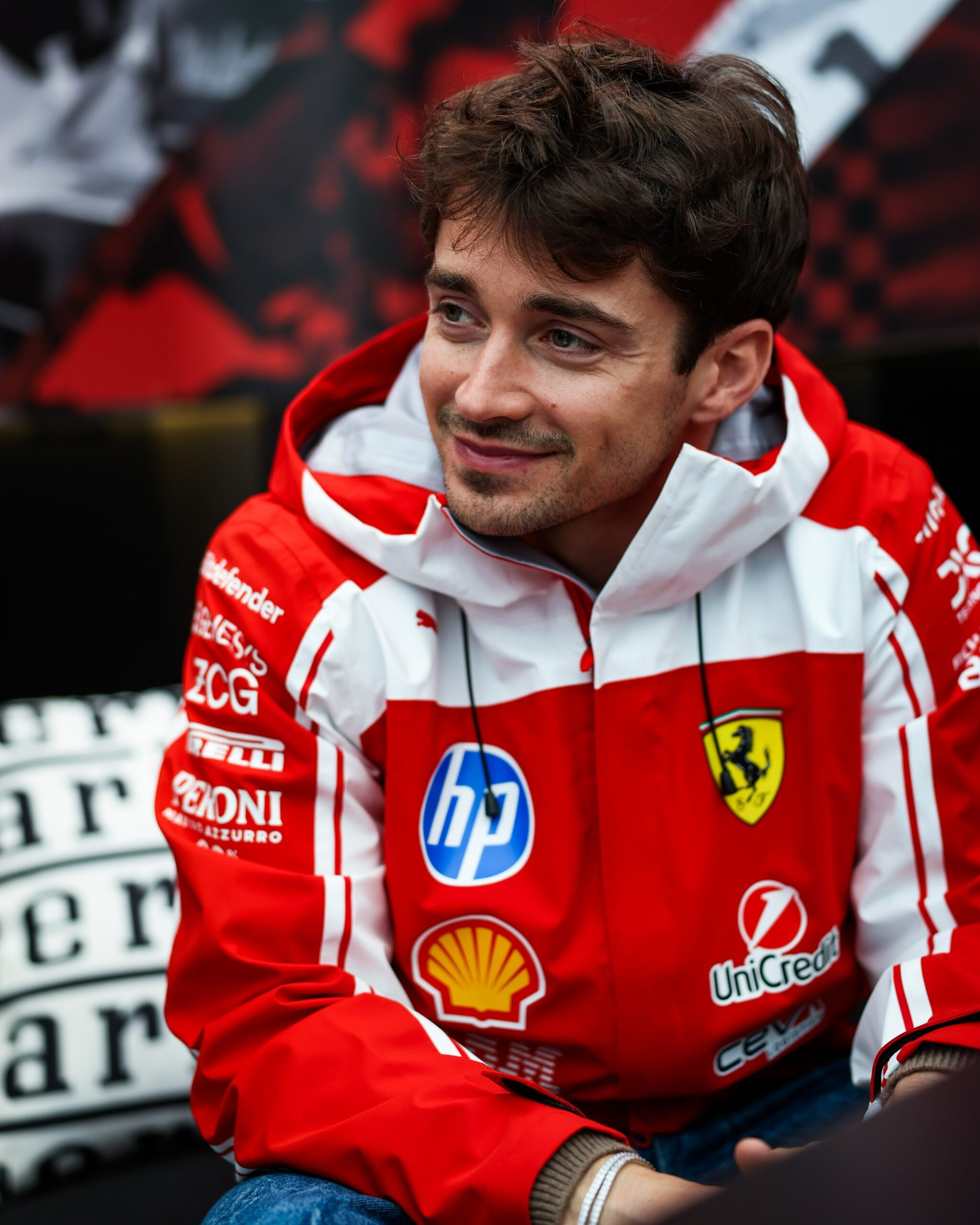
Ahead of the 2026 Japanese GP, Charles Leclerc took part in the FIA press conference. A frequent topic of discussion at the conference was the yo-yo racing battles in the two previous races.
The new regulations have resulted in an increase in overtaking manoeuvres in F1. However, one cannot compare these overtakes entirely to those from last season. Due to the new overtaking mode, these battles seem more artificial, with drivers swapping positions more frequently and quickly. People often compare these quick swaps to a yo-yo or to overtaking in the video game Mario Kart.
Mario Kart-style overtaking under the new F1 regulations?
Scuderia Ferrari driver Charles Leclerc was involved in these yo-yo racing battles in the last two races.
Ahead of the 2026 Japanese GP, Leclerc shared his thoughts on the yo-yoing and explained how it might differ from track to track. The 28-year-old admits he is enjoying the racing after worries about following other cars in Bahrain Testing.
“Honestly, I was very sceptical at the beginning of the year, and after testing I had some particular expectations going into the year that weren’t very good about racing,” Leclerc admits. “I’ve been positively surprised. At least for us in the front, it’s actually been a lot nicer than what I thought. Surely, you’ve got some overtakes that are artificial, just like it was the case also with the DRS sometimes last year,” continued the Ferrari driver.
“However, there are also many overtakes where it’s actually on the limit and where you end up in a similar state of the battery at the same point for different circumstances, which makes it actually quite fun. We’ve seen it in Australia, we’ve seen it in Shanghai, and I’ve had a lot more fun than I initially thought.”
Leclerc revealed that his initial opinion of overtaking had changed. He was surprised at how much he enjoyed battling other drivers on the track.
As the first two races have shown: when Mercedes get into clean air, they hold a significant damage. However, when the Ferraris have been able to race them, they have found it difficult to escape. This applies to early in stints especially.
“As I said, I think in qualifying it’s not the most fun I’ve had, so this is maybe something that we need to look at. But in terms of fighting, I enjoyed it a lot more than what I thought. And why that’s so, it’s mostly because Mercedes is quite a bit stronger than us, but as soon as you get out of that optimal window of the battery, you lose a lot of lap time. So that brings the cars together and that’s why there’s a lot of change of position, together with the fact that the car behind recharges more than the car in front. These two things specifically make it quite difficult to go away once you are in a fight.”
Less yo-yoing expected in progressing F1 season according to Leclerc
The 2026 Japanese GP is only the third of twenty-two races. As the F1 season progresses and the teams become more familiar with energy management, yo-yo racing may become less frequent. Or will yo-yo racing remain part of the new F1 era for longer?
“I said the same thing actually after Australia, but in Shanghai we had obviously a Sprint race and then the normal race, and so the Sprint race was I think a good way to test those strategies and to make sure that we were in a good window for the race. Actually, in the race we still had quite a lot of overtakes. So, I think we might see a little bit less of it going forward.”
Leclerc revealed that he has mixed feelings about the yo-yo overtaking. On the one hand, he enjoys how he can fight on track with it. On the other hand, the effect will be decreasing during the 2026 F1 season.
“However, I was surprised that it didn’t get much better from Sprint race to race, in a positive way. I think it was as good for overtaking. So yes, I’m a little bit mixed. After the first race I was pretty sure it was going to get less and less. Yes, there will be less and less yo-yo effect, however after Shanghai probably there’s quite a bit coming from the car as well and that will remain,” concluded the Monegasque driver.