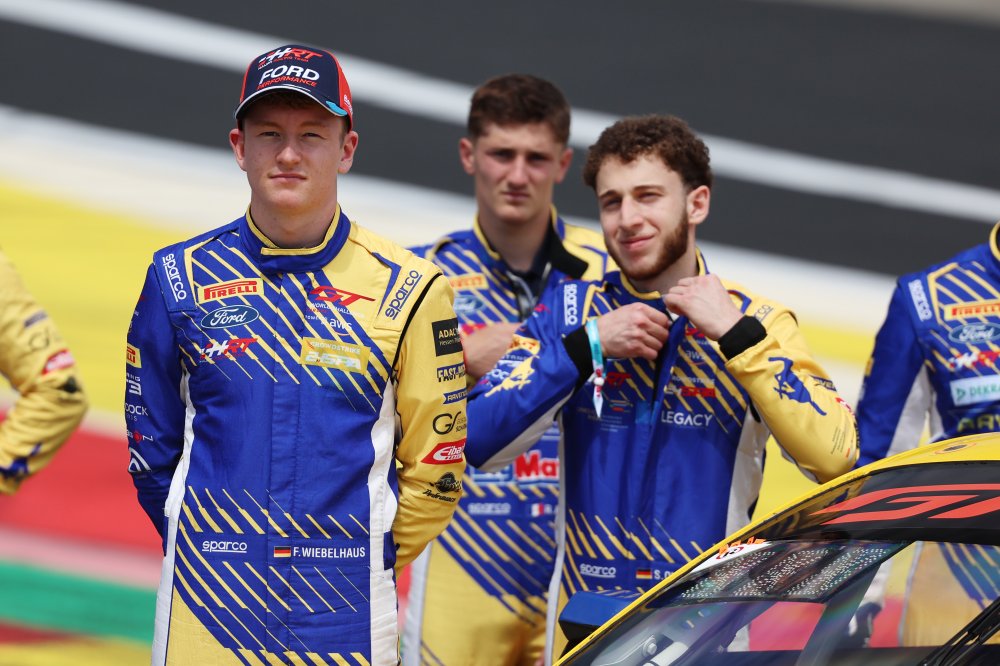
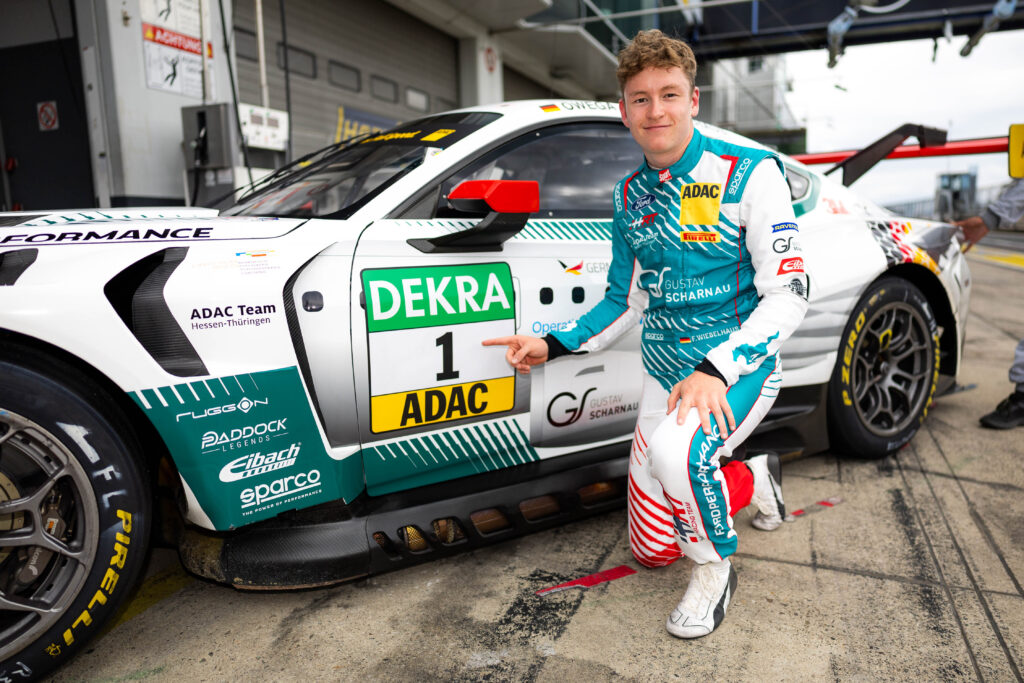
With the 2026 Deutsche Tourenwagen Masters (DTM) season now concluded, HRT’s Finn Wiebelhaus offers insight into the preparation and technical understanding required to compete at the highest level of GT racing. Having stepped up to DTM for the 2026 campaign, the German driver faced a championship where increasingly competitive fields and demanding race weekends placed considerable importance on consistency, teamwork and attention to detail.
In an exclusive interview with Pit Debrief ahead of his debut DTM season, Wiebelhaus outlined his approach to race preparation, emphasising the importance of data analysis, collaboration and established routines. His reflections provide an insight into the foundations of his preparations for 2026, including how simulator work and structured recovery contribute to maintaining performance throughout a demanding racing calendar.
Data and collaboration central to extracting performance
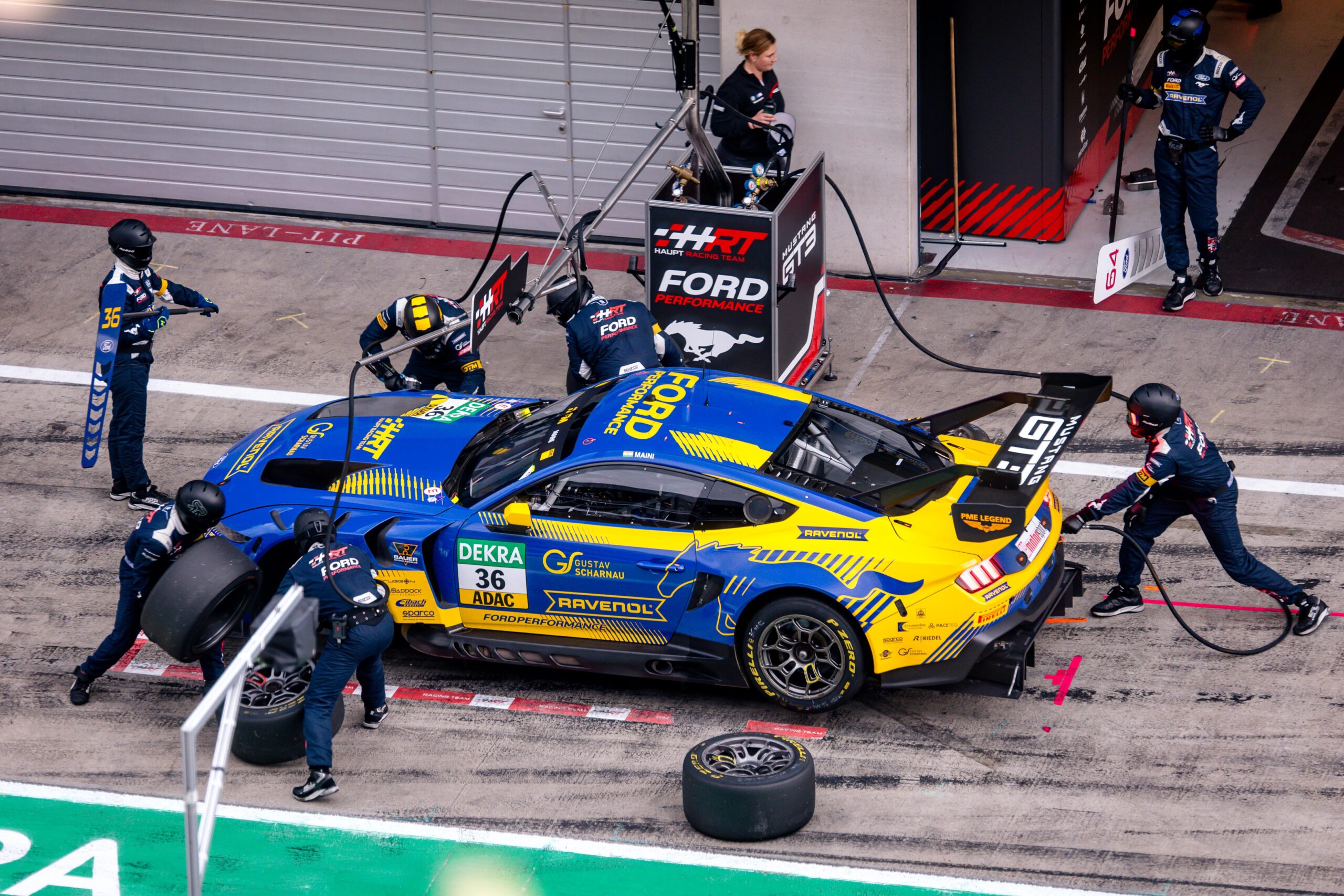
Ahead of his first DTM campaign, Wiebelhaus placed considerable emphasis on analysing previous performances and drawing on the experience available within HRT. Although he was preparing to compete in the championship for the first time, the team’s existing knowledge of the Ford Mustang GT3 and the circuits on the calendar provided a valuable foundation for his preparations.
Speaking alongside teammate Arjun Maini, Wiebelhaus explained how reviewing data and onboard footage from the previous season helped him develop a clearer understanding of the car’s characteristics and establish a baseline before arriving at each circuit.
“Yeah, nothing really to include,” he said, agreeing with teammate Arjun Maini. “I mean, looking at data, looking at onboards from last year is also helping us. We have now one year of experience on the DTM tracks with the Ford Mustang. So, for sure, we are looking into data and setup stuff from last year.”
However, Wiebelhaus also recognised that preparation extended beyond reviewing his own information. Drawing on Maini’s experience allowed him to identify potential improvements in his driving, while discussions with his engineers helped translate those observations into practical adjustments. Combined with simulator running, the collaborative approach formed an important part of his preparations for the challenges of his debut season.
“And also I will look at some onboards from Arjun for sure to have a feeling where I should go and where I should go fast. And then, yeah, just have a seat with your engineer and be prepared in the end and do maybe some sim laps before you go to the track.”
Simulator work supports development across the season
In addition to on-track preparation, Wiebelhaus highlights the growing importance of simulator work in modern motorsport. He views it as an essential tool for maintaining sharpness, particularly during the off-season when track time is limited.
“Yeah, I’m a big fan of sim racing. I mean, I did a lot of sim racing in the past, also a bit of esports. It’s my second year now which I competed in the DNLS and so in the virtual NLS series over the winter organised by the ADAC and NLS.”
This experience not only keeps him engaged with racing but also allows him to refine his technique in a controlled environment. Moreover, it helps him maintain rhythm and consistency between competitive outings.
“So, yeah, I really enjoy it. I think it’s a good thing to do in the winter just to keep in shape, just to have the rhythm, you know, just to do Quali and race sims.”
Nevertheless, he recognises the importance of stepping away when the racing calendar intensifies. With frequent events and testing sessions, maintaining balance becomes essential.
“But over the whole summer, let’s say, there’s not a lot of time. I mean, you do a lot of races, a lot of testing and then I pretty much enjoy to be off the track and not think about racing, just to have a break. So, I don’t do a lot of sim in the summer, just in the winter break, let’s say.”
This measured approach allows him to avoid mental fatigue while staying fully focused during race weekends.
Biking provides reset after demanding race weekends
Beyond preparation, Wiebelhaus places significant importance on recovery, particularly through consistent and simple routines. After the intensity of a race weekend, he turns to cycling as a way to reset both physically and mentally.
He said, “I mean, for me, it’s biking. I pretty much enjoy a nice bike ride after I come off the racetrack. I mean, for sure, on Monday, maybe I go easy ride or whatever.”
This routine provides more than just physical activity. It creates an opportunity to step back from the pressure of competition and gradually process the events of the weekend. In doing so, Wiebelhaus combines reflection with recovery, allowing him to reset in a structured and effective way.
“And then, yeah, it’s pretty much a lot of biking. You have, like, it’s clearing your mind. I mean, it’s a good sport. And then you have your own time, think about the race weekend, what was good, what was bad. And then it’s just a good sport in the end, which I enjoyed last year a lot.”
Wiebelhaus on managing setbacks and maintaining physical recovery as he evolves as a driver in modern DTM and GT racing
Like any driver competing at a high level, Wiebelhaus recognises that not every weekend will deliver the desired outcome. Therefore, he places strong emphasis on addressing setbacks constructively and moving forward quickly.
“Yeah, I mean, for me, it kind of depends on what the weekend went. If it was a bad weekend or I did some mistakes on track, then I most likely want to speak about it with my parents or some friends just to have everything sorted. Like, maybe just to think of it, talk about it, and then I keep it behind myself.”
By openly discussing challenges, he avoids dwelling on mistakes and instead focuses on learning from them. This approach helps him maintain a clear mindset heading into future events.
At the same time, he ensures that his body recovers properly after the physical demands of racing. His approach varies depending on the situation, but always prioritises relaxation and recovery. In addition, he incorporates recovery tools and rest to support his overall wellbeing.
“And then, yeah, to keep my body relaxed, let’s say, or get recovery, yeah, really depends. Like, recovery ride on the bike. Or I also have the Reboots, so, it’s like a massage boots. And, yeah, just relaxing, lay down maybe one day on the couch, and then I’m sure normally should be good.”
A balanced approach key to sustained performance
As Wiebelhaus continues to develop in GT racing, his approach reflects a strong balance between preparation, collaboration and recovery. By combining detailed data work, effective use of simulators and consistent recovery routines, he builds a foundation for sustained performance.
In a championship where fine margins often determine outcomes, this holistic mindset may ultimately prove decisive across the course of a demanding season.