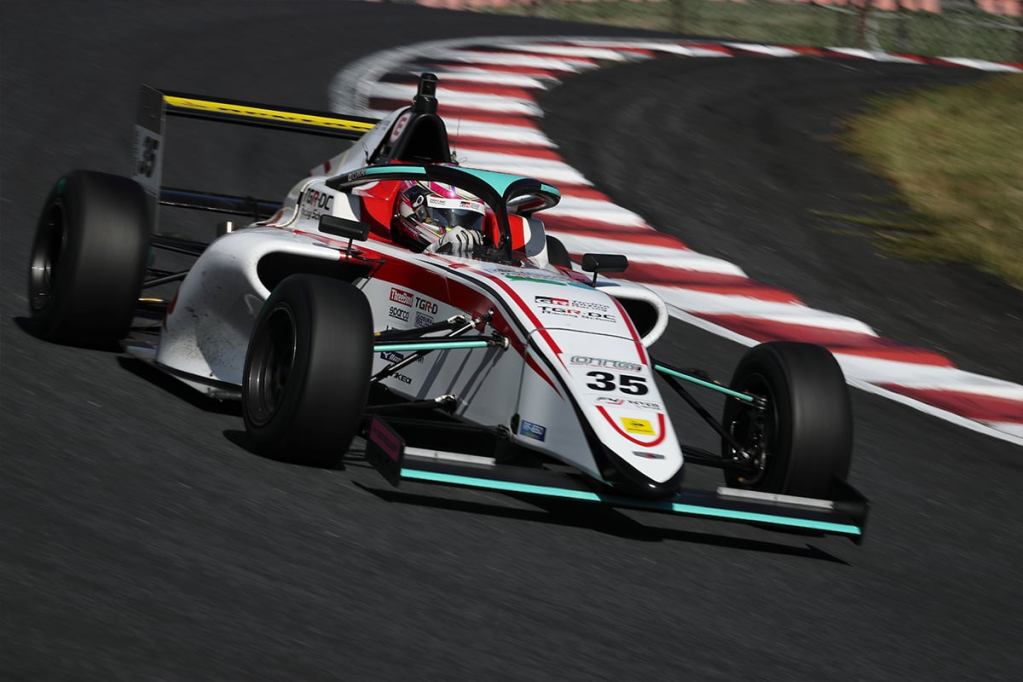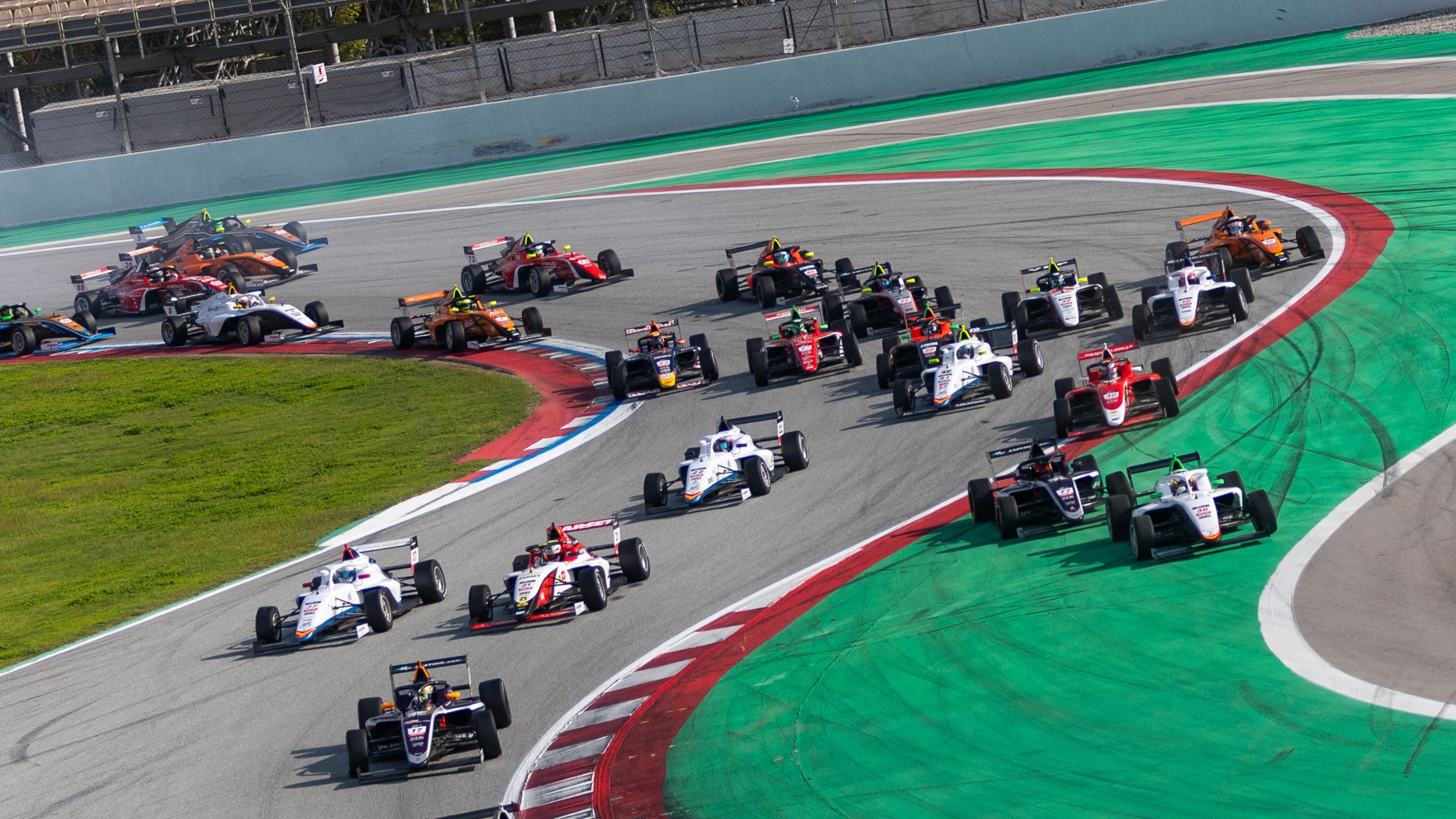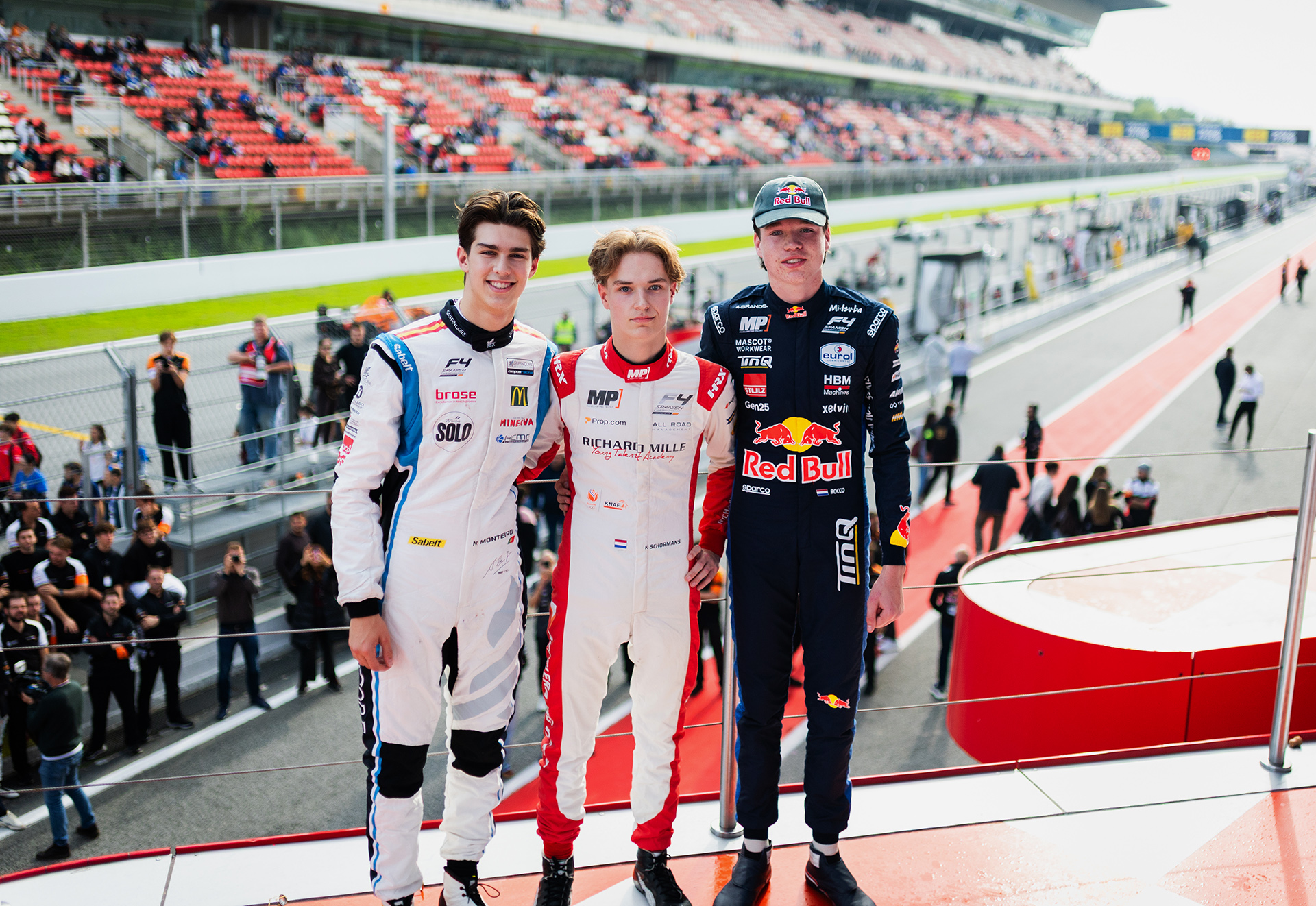
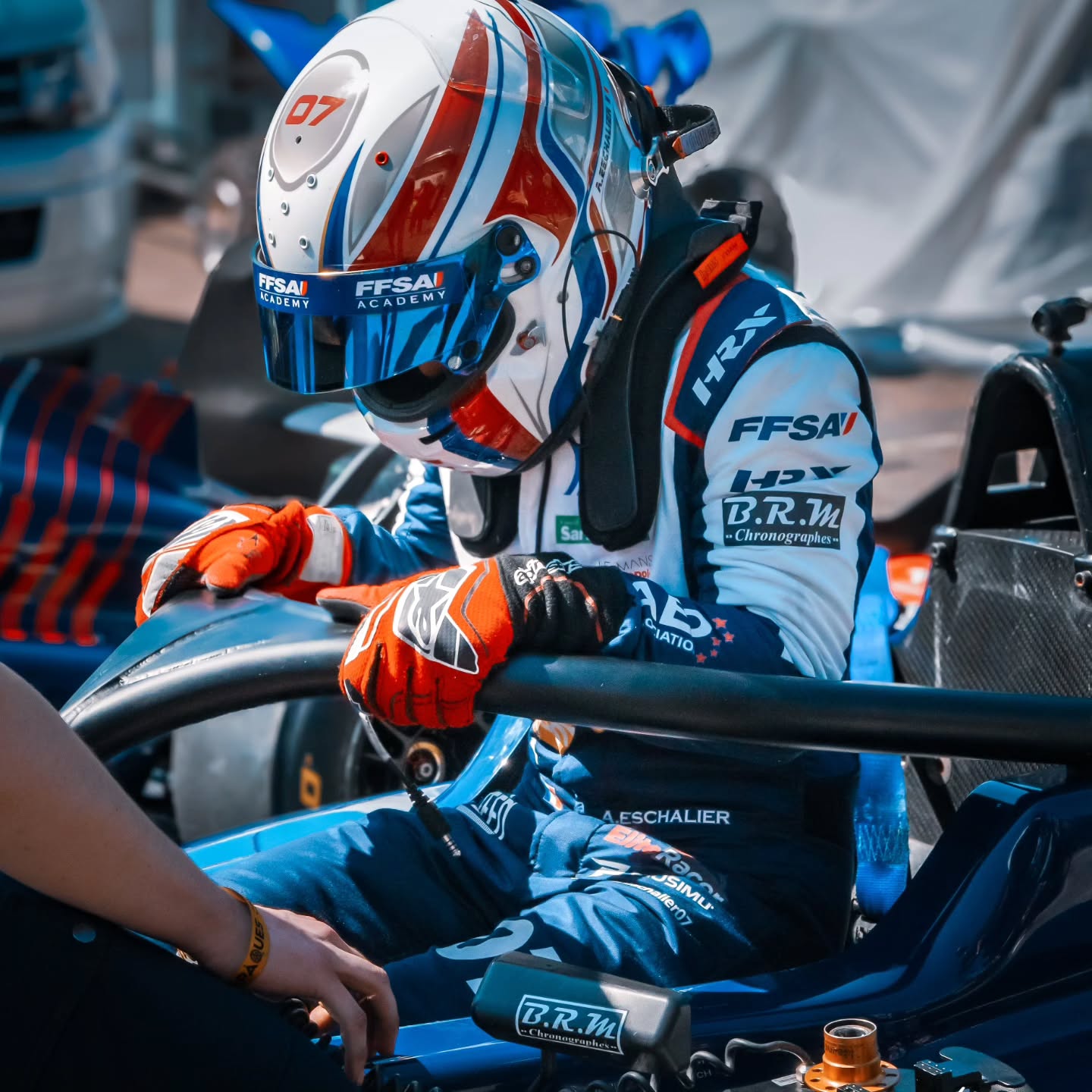
Arthur Eschalier’s move into the French F4 Championship marked a significant step in a motorsport journey that began with a recreational karting race at 13. After discovering his passion later than many young drivers, he progressed quickly enough to earn a place with the FFSA Academy and begin his first full season in single-seaters.
In an exclusive interview with Pit Debrief, Eschalier reflected on that transition, the demands of French F4 and the way the FFSA Academy has changed his daily life. What began as a love for driving has developed into a much wider commitment, shaped by discipline, preparation and the need to improve both inside and outside the car.
The move introduced a broader range of responsibilities. Eschalier needed to understand aerodynamics, tyre behaviour, car setup and communication with engineers, while also adapting his nutrition, training, recovery and school life to the demands of a more professional environment.
Although points and strong qualifying performances provide encouragement, he does not measure his first French F4 campaign through results alone. For Eschalier, the season is also about gaining experience, developing discipline and becoming a more complete driver by the final round.
Earning a place on the French F4 grid
Securing a position in French F4 gave Eschalier one of the most important moments of his young career. The achievement rewarded the work that he and his family had invested since his first competitive karting experiences and confirmed that he could take the next step towards professional motorsport.
For Eschalier, joining the FFSA Academy created an emotional connection to the feeling he experienced after winning his first karting race.
“It was maybe the best feeling I ever got. It was the same feeling as when I won a race for the first time because it was such an achievement.
Both moments gave him evidence that he could turn his enthusiasm for racing into meaningful progress.
“It was like, ‘I did it, I can go to the Federation.’ It was not easy, and that little achievement showed me that I can do it.”
The opportunity also carried wider significance for the people who supported his early career. His parents encouraged him to pursue competition after recognising his reaction to that first karting victory, and they continued to play an important role as he progressed towards Formula 4.
Rather than treating his place on the grid as the final reward, Eschalier used it as proof that further progress remained possible. The achievement strengthened his confidence while also introducing a more demanding phase of his development.
FFSA Academy discipline transforms his approach
The FFSA Academy provides young drivers with a structured environment that extends beyond their performance inside the car. It places equal importance on physical preparation, education, discipline and professional conduct, requiring competitors to develop habits that can support a long-term career.
That environment changed several parts of Eschalier’s routine. In particular, he began paying closer attention to nutrition and recognised that his food choices could directly affect his physical condition and performance.
However, the Academy’s influence extended further than diet. Eschalier believes it improved his humility, confidence, patience and respect while also helping him become a faster and more technically capable driver.
“The Federation changed my attitude and my mentality toward the sport. It changed a lot of things, especially my nutrition and the way I eat. I learned that I can’t just eat everything I see.
“It changed me in many ways — my humility, my driving, everything. I became better and faster, and that’s a good thing. It taught me a lot. Now I’m more confident, and my education and everything else are going well. It taught me to be disciplined, patient, and respectful. It really helped level me up.”
Since joining the Academy, Eschalier’s daily life has continued to evolve. The structure around him has changed not only how he prepares for race weekends, but also how he thinks about the work required away from the circuit.
“Since joining the FFSA Academy, my daily life has completely changed. My lifestyle, my eating habits, my training, my recovery and my overall discipline have all evolved. At first, I simply loved driving. Today, I understand that the work outside the car is just as important as what happens on track.”
The Academy therefore gave Eschalier a clearer understanding of what motorsport requires beyond driving. Natural speed can create opportunities, but preparation, communication and personal discipline help a driver use those opportunities effectively.
Moreover, the structure reinforced lessons that karting had already introduced. Eschalier previously identified patience and resilience as two of the most important qualities he developed during his early career, and the FFSA environment now asks him to apply those qualities at a higher level.
Learning the profession behind the racing
Eschalier has also come to understand that motorsport is not only what spectators see during a race weekend. From the outside, the sport can appear to revolve around qualifying sessions, races and results. Behind that, however, is a much larger routine of preparation and responsibility.
“There is another point that I would really like people to understand. Motorsport is obviously my passion, but at my age, it is already a real profession. Most people only see the races on the weekend, but they don’t see everything that happens behind the scenes.”
That professional reality has become part of Eschalier’s everyday life. French F4 requires him to think about the car, his body, his education, his partners and the pressure that comes with competition.
“Today, I have to work with engineers, analyse data, pay close attention to my nutrition, sleep, physical and mental preparation, represent my partners and handle pressure. I have also had to completely reorganise my school life in order to balance everything.”
Those demands show why discipline has become so important to his development. A young driver cannot only arrive at the circuit and drive. He has to prepare properly, communicate clearly and manage every part of the environment around him.
For Eschalier, that has meant accepting responsibility at an early age.
“Motorsport is a sport where consistency is essential and where there is very little room for mistakes. We drive very fast cars in a demanding environment where every detail matters. It teaches you to take responsibility at a very young age and to behave like a professional, even while you are still a teenager.”
That understanding has changed how he approaches French F4. Motorsport remains his passion, but it also demands professionalism, consistency and attention to detail every day.
Early rounds bring results and valuable experience
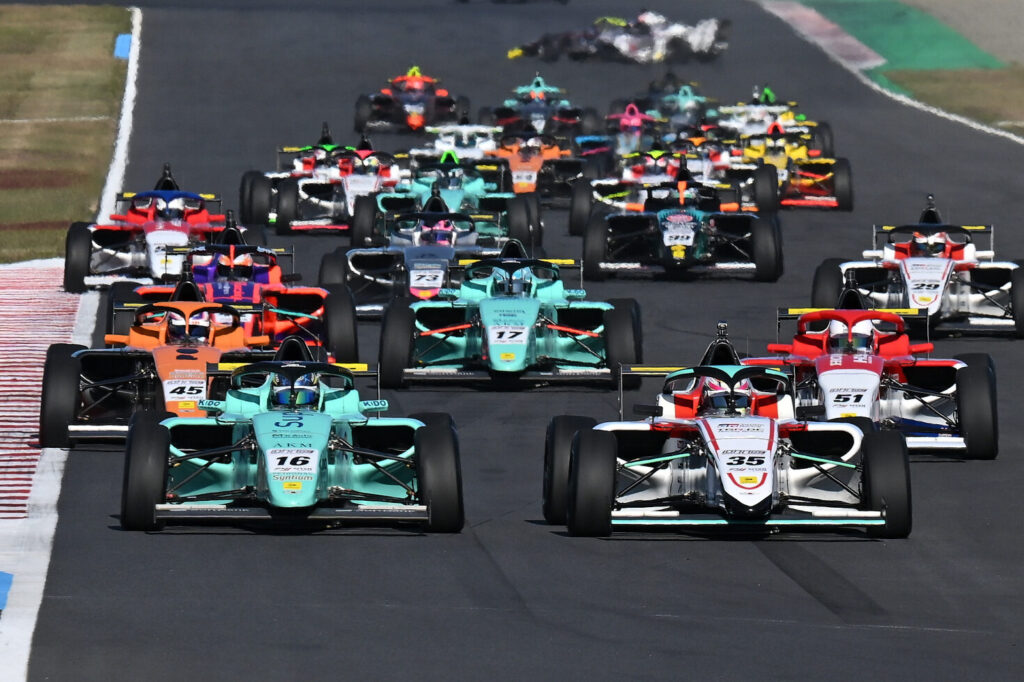
Eschalier began his French F4 campaign at Nogaro, where he encountered a challenging opening weekend. Qualifying and the races did not produce the results he wanted, but he approached the round without placing unnecessary pressure on himself.
Instead, he concentrated on understanding the championship and gaining experience in a new car. That outlook allowed him to treat the difficult sessions as part of his development rather than allowing them to define the beginning of his season.
He then showed clear progress at Dijon. Eschalier qualified third and finished sixth in one of the races, scoring eight points and demonstrating how quickly he had started to adapt.
“The season has been pretty good from the beginning. The first race was in Nogaro, in the south of France. It was really nice and sunny. The race and the qualifying were not very good, but it was only the beginning. There was no pressure at the moment — I just needed to learn and gain experience.
“For the second weekend at Dijon, in the east of France, things went really well. In qualifying, I finished P3. In the race, I scored 8 points because I finished 6th. For the rest of the weekend, it was also good because I learned a lot. I didn’t gain many more points, but I learned, and that’s what I wanted.”
The improvement between Nogaro and Dijon reflected Eschalier’s willingness to prioritise learning. Although the second round gave him stronger results, he placed equal value on the knowledge he gained throughout the weekend.
That perspective helps him manage the inevitable fluctuations of a rookie season. A difficult session can still provide information, while a strong result can reveal the areas that require further work.
Understanding the demands of a single-seater
Moving from karting into Formula 4 introduced Eschalier to a more complex racing machine. Nevertheless, he recognised enough similarities to avoid feeling completely unfamiliar when he first entered the car.
Both disciplines still require precise braking, commitment and an understanding of grip. However, Formula 4 adds aerodynamic performance, more advanced setup options and a much greater level of physical demand.
Eschalier also needed to develop a closer technical relationship with his engineer. Instead of focusing mainly on the kart’s mechanical behaviour, he now discusses the engine, gears, RPM, tyres and aerodynamic adjustments that influence the car’s performance.
“Well, it changed a lot of things. When I first got into the car, I wasn’t completely lost because it’s not totally different from karting. I just want to say it’s not like going from a boat to a plane — there are still some similarities you can understand.
“But of course, Formula 4 is much more physical. The transition is still very demanding because there are so many new elements you need to understand, especially the aerodynamics.
“In karting, you don’t have that. In Formula 4, you can make different setup changes on the car. The tyres are also very different with the new compounds.
“Working with the engineer is different too because there are many more technical aspects to the car, like the engine, the aerodynamics, and everything else — the RPM, the gears, and all the setup adjustments you can make on the car.”
The transition therefore requires more than adjusting to increased speed. Eschalier must understand why the car reacts in a particular way, communicate that information accurately and work with his engineer to identify effective changes.
Each weekend gives him another opportunity to strengthen that technical knowledge. As his understanding develops, he can provide clearer feedback and take greater control over the direction of the setup.
A helmet design connects karting and Formula 4
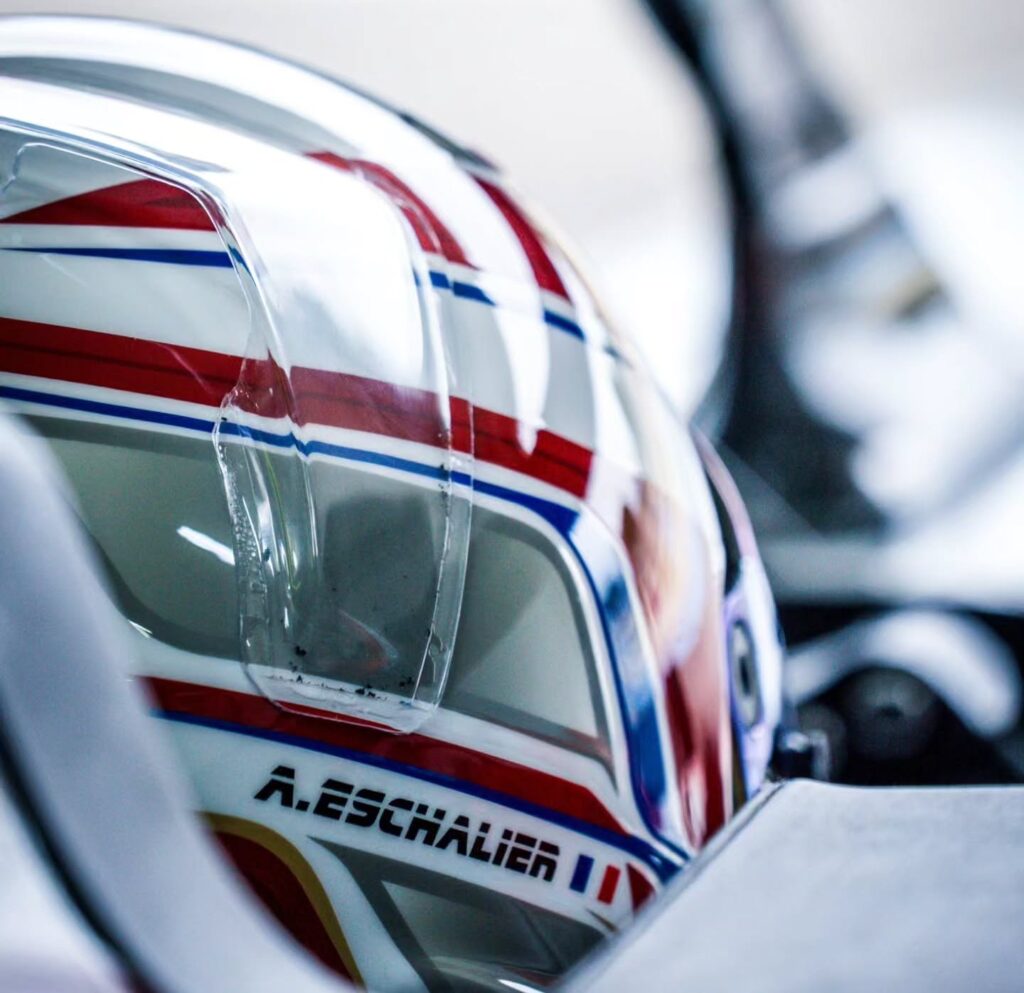
The differences between karting and Formula 4 also appear in Eschalier’s equipment. His Formula 4 helmet includes additional protection and a radio system that allows him to receive communication during practice, qualifying and races.
However, the helmet also provides continuity between the two stages of his career. Eschalier designed it with his parents, creating a simple appearance that reflects their shared preference while incorporating the number that has become part of his racing identity.
“That’s my helmet here — my Formula 4 helmet. And the other one, I can show you too. So, this one is my karting helmet. It’s different, and that’s another big difference between karting and Formula 4. Karting helmets look like this, but in Formula 4, it’s different.
“You can see this part here for protection on the F4 helmet. There is also a radio inside so I can communicate with the race director during practice, qualifying, and the races. So that’s another change between karting and Formula 4.
“My mum, my dad, and I designed the helmet together. It’s pretty simple, but we love simple designs. And if you look at the front of the karting helmet, there’s a ‘07.’ That’s my Formula 4 number. It’s my number, and it’s my mark.”
The number links Eschalier’s karting background with his current Formula 4 campaign. Meanwhile, the family-designed helmet represents the support that helped him move from recreational karting into the FFSA Academy.
Although the equipment changed as he stepped into single-seaters, the personal identity behind it remained consistent. The number and design now accompany him as he builds the next stage of his career.
Measuring success through improvement
Eschalier naturally wants competitive results from his first French F4 season. Victories, podiums and points would provide clear signs of progress, but he does not view them as the only measures of a successful campaign.
Instead, he wants to develop throughout the year and finish the final round with greater knowledge, confidence and ability than he possessed at the beginning. He also wants to retain the enjoyment that first attracted him to motorsport.
“For me, a good season is not about winning. Of course, if you win all the races, that’s pretty good! But for me, it’s more about learning and gaining experience. I also want to enjoy it because I love driving the car.
“At the end of the day, the most important thing for me is to finish the season knowing that I’ve become a better driver than I was at the beginning of the year. Because if I start the season at level one and finish at the same level, then for me, that’s a bad season. I want to keep improving and make progress.”
That philosophy reflects the patience that Eschalier developed through karting and the discipline that the FFSA Academy continues to reinforce. Results can change from one weekend to another, but consistent improvement can prepare him for every stage that follows.
His opening rounds already showed that process. After a challenging start at Nogaro, he qualified third and scored points at Dijon. More importantly, he left both weekends with experience that he could apply to the next event.
Eschalier therefore approaches French F4 as both a competition and an education. He wants to perform, but he also wants to understand the car, strengthen his technical communication and grow into the demands of single-seater racing.
By the end of the season, he will judge his campaign through the distance between the driver who arrived at Nogaro and the driver who completes the final race. For Eschalier, that progress will provide the clearest sign that his first year in French F4 has succeeded.
Article 1 | Article 2