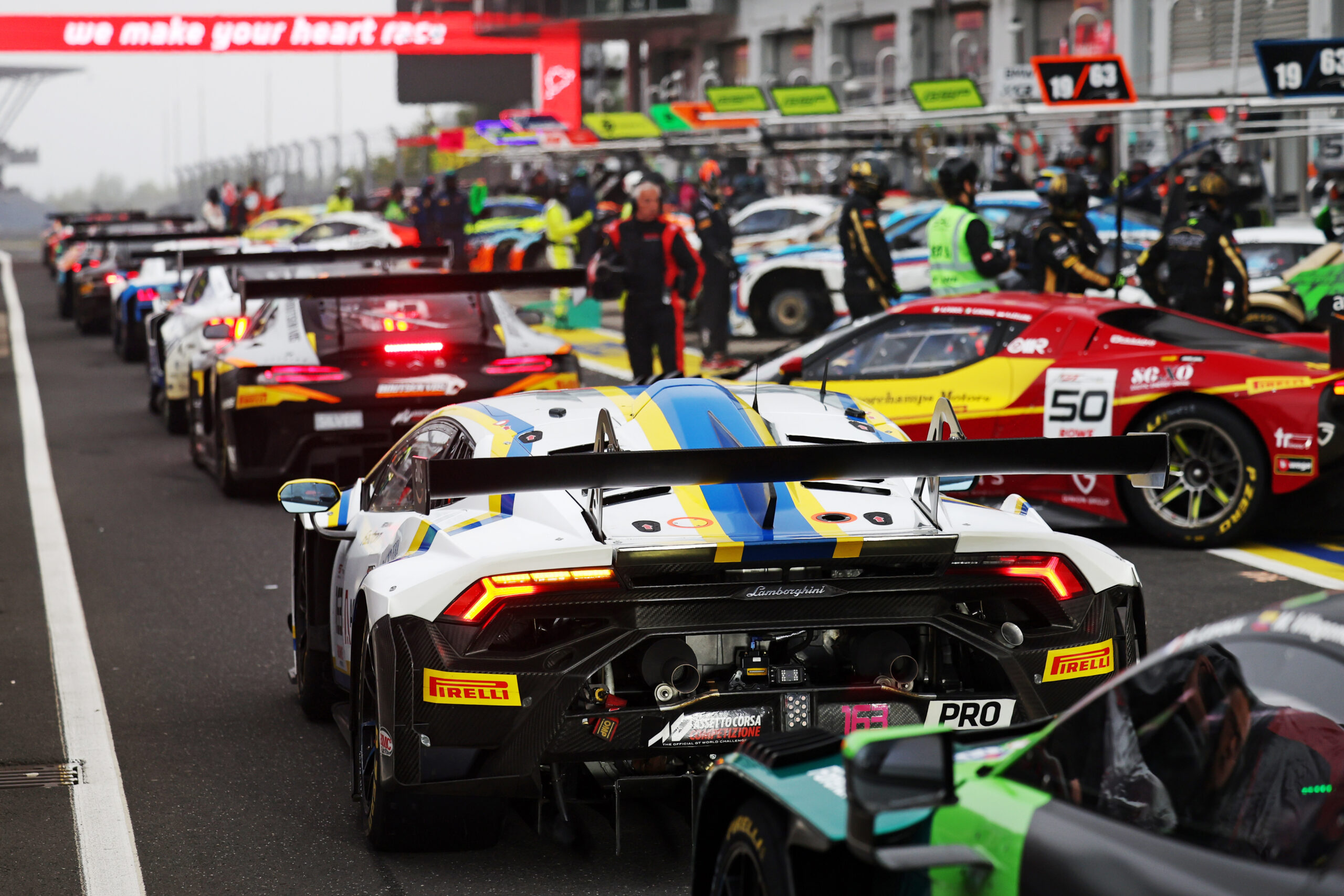
The GTWC Europe returns for the 2026 season with its traditional six-hour curtain-raiser at Circuit Paul Ricard. The race, which runs from 18:00 to midnight on Saturday, once again promises a blend of endurance, strategy, and high-level GT3 competition.
As the championship evolves, organisers continue to refine the sporting format while manufacturers push technical boundaries. At the same time, a fresh wave of drivers arrives to challenge established names, ensuring that the competitive landscape remains as dynamic as ever.
With that in mind, several key developments define the start of the 2026 campaign—from an influx of rookies to significant machinery updates and subtle but important format tweaks.
A new wave of talent arrives
Each season introduces new faces, but 2026 stands out with more than 30 rookies joining the grid. This influx highlights both the strength of the GT ladder and the growing appeal of the championship across different racing disciplines.
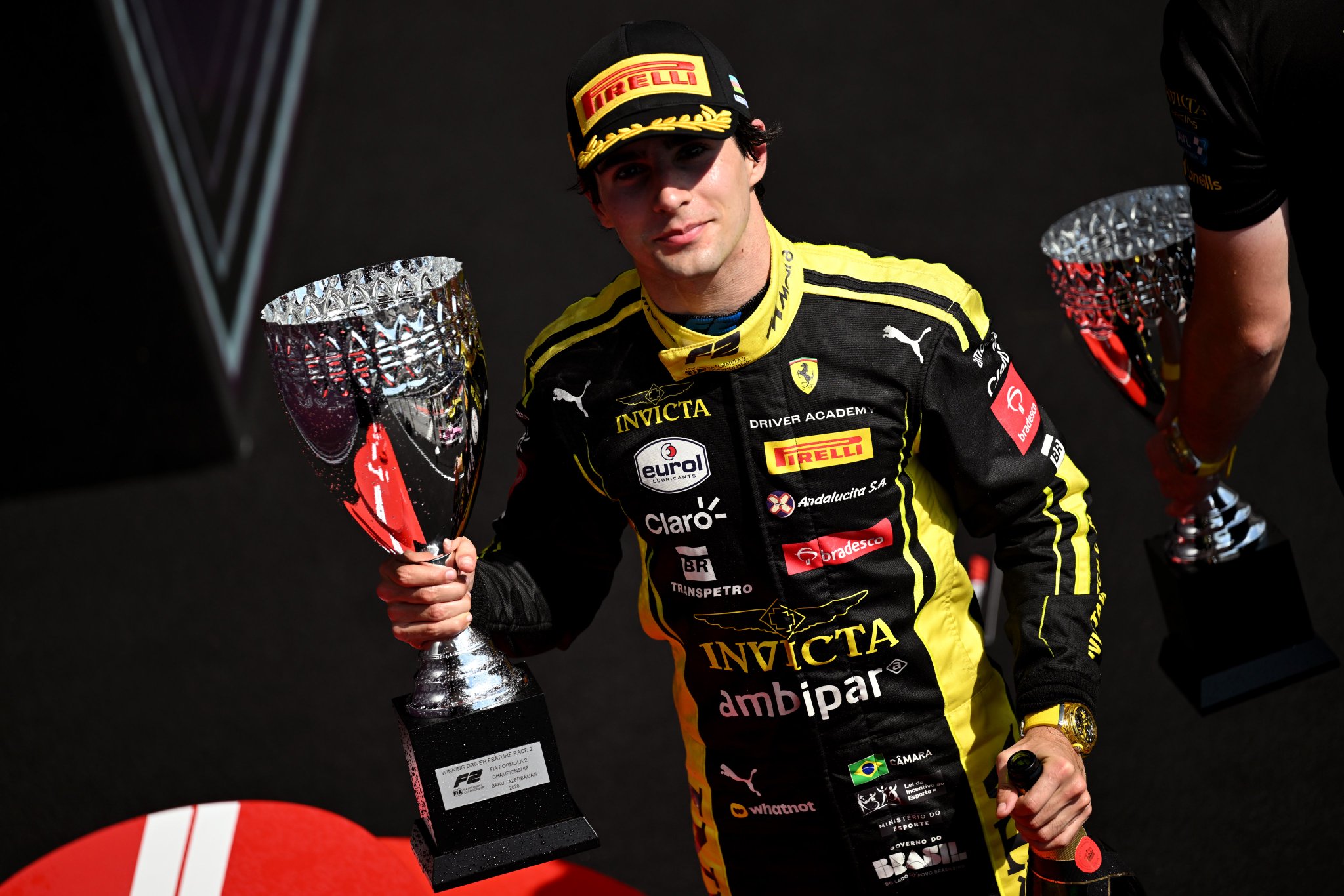
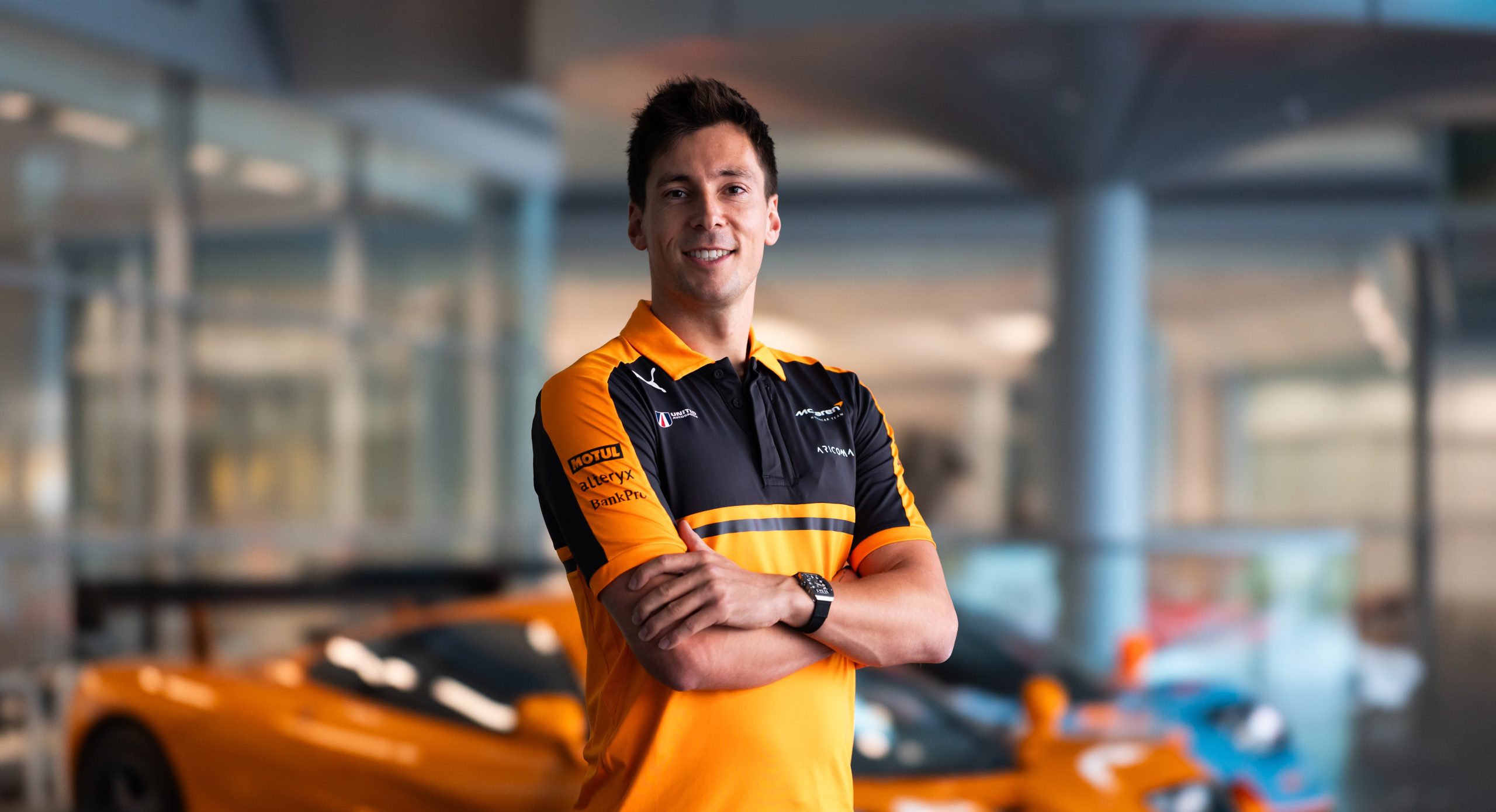
Among the most notable newcomers is Tim Tramnitz, a race winner in FIA Formula 3 Championship, who steps up with ROWE Racing. Similarly, Josh Rattican arrives after securing the GT4 European Series title, while Gaspard Simon graduates as an SRO GT Academy winner.
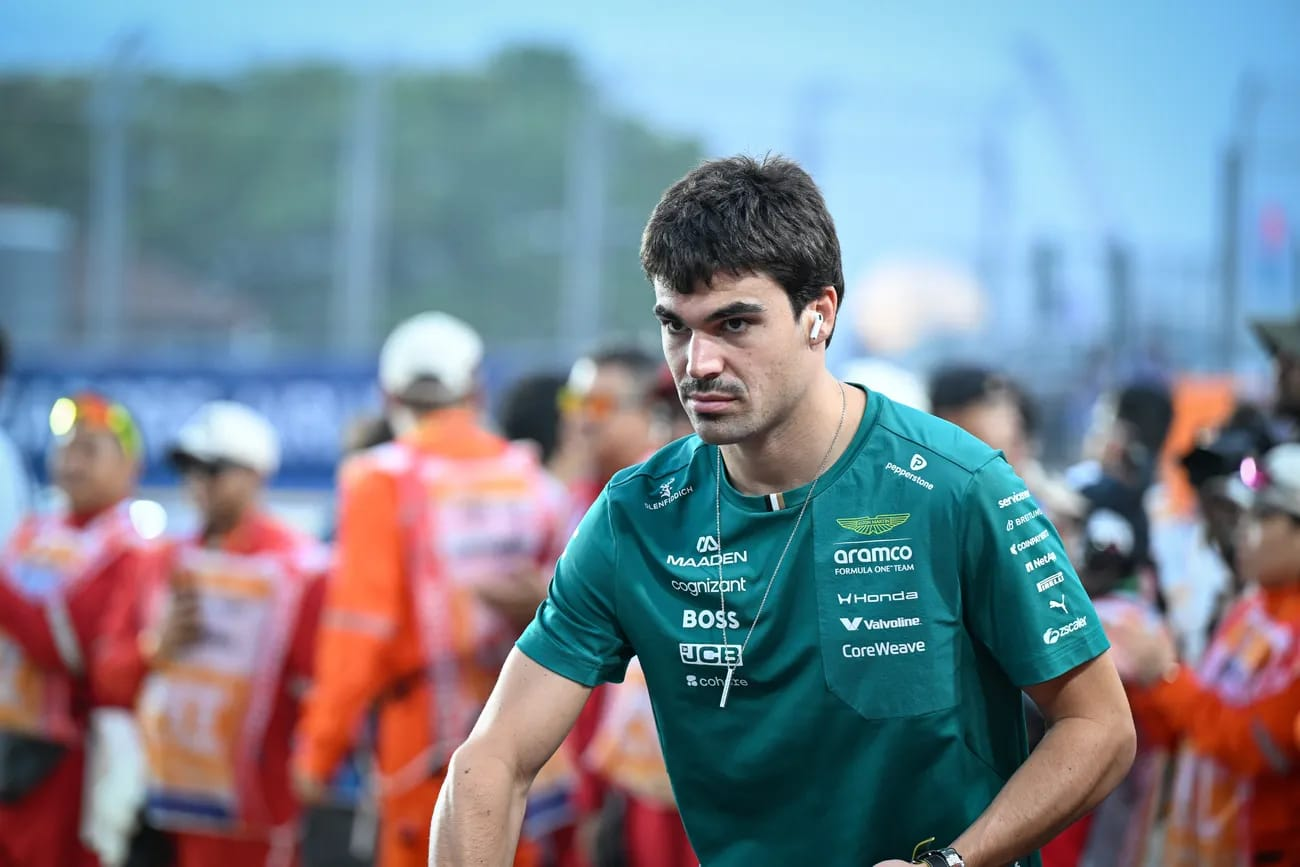
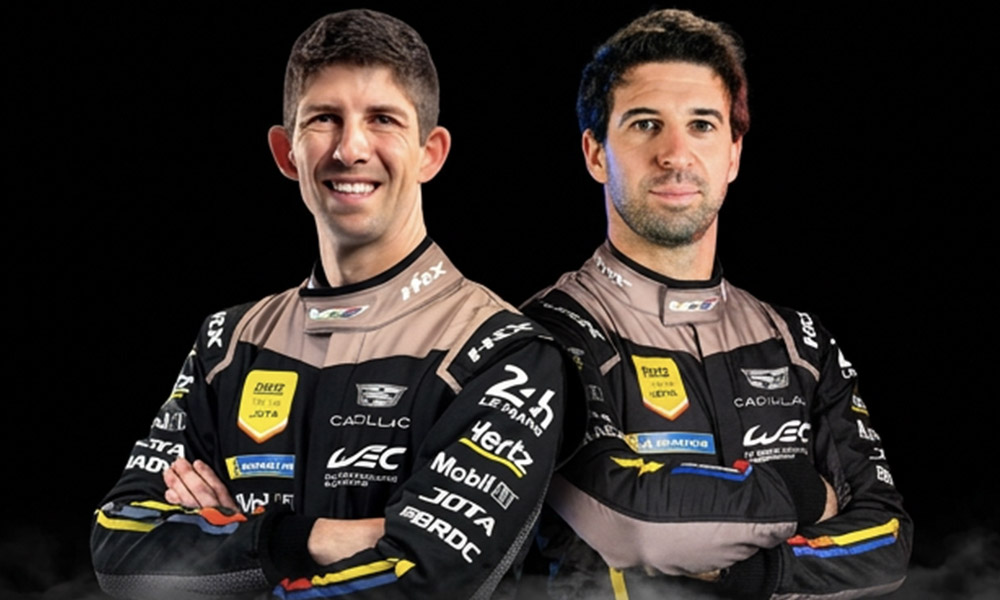
At the more experienced end of the spectrum, Lance Stroll adds further intrigue. The former Formula 1 driver will compete in the #18 Aston Martin entry for Comtoyou Racing. He shares the car with Roberto Merhi and Mari Boya, both of whom also enter the series as rookies.
Consequently, the grid blends youth, experience, and diverse racing backgrounds, creating a highly unpredictable competitive mix.
A new Lamborghini era begins in GTWC Europe in 2026
Technical evolution remains central to GT racing, and 2026 introduces a major milestone for Lamborghini. The marque debuts the Lamborghini Temerario GT3, replacing the highly successful Lamborghini Huracán GT3.
The Huracán defined an era, collecting every major GTWC title between 2015 and 2025. Its successor, however, marks a clear shift in philosophy. The Temerario adopts a V8 engine, moving away from the iconic V10 that powered its predecessor.
Teams including Rutronik Racing and TGI Team by GRT will spearhead its competitive debut, making its performance one of the key storylines to watch this weekend.
EVO upgrades across the 2026 GTWC Europe grid
While Lamborghini headlines the changes, several other manufacturers have refined their existing machinery. Both the Ferrari 296 GT3 EVO and Porsche 911 GT3 R EVO arrive with updated EVO specifications, reflecting ongoing development in aerodynamics, drivability, and efficiency.
Meanwhile, the Ford Mustang GT3 benefits from targeted engine improvements, signalling Ford’s continued commitment to enhancing performance in the highly competitive GT3 category.
As a result, even familiar models may behave differently on track, adding another layer of complexity for teams and drivers as they fine-tune setups during the opening weekend.
A refined Qualifying format
With grid sizes continuing to grow, organisers have adjusted the Endurance Cup Qualifying structure to reduce congestion and improve track conditions.
The overall format remains unchanged, with three segments determining the grid via aggregate times—a system in place since 2018. However, each segment will now split into two groups.
Group A features Silver Cup and Bronze Cup entries, while Group B includes Pro and Gold Cup competitors. Each group receives a dedicated 10-minute session, running back-to-back with short breaks between the broader Qualifying phases.
This approach should deliver clearer track space, fairer conditions, and more consistent lap times, particularly on a circuit like Paul Ricard where traffic management often proves decisive.
Free Practice 2 brings greater flexibility
Another notable adjustment sees Pre-Qualifying replaced by Free Practice 2. While the session occupies a similar slot in the schedule, its regulations differ significantly.
Teams now operate without previous restrictions, including limitations on refuelling, which allows for more representative race preparation. Both Free Practice sessions will run for 90 minutes during Endurance Cup events, offering ample track time.
Importantly, FP2 retains a competitive function. Officials may still use its results to set the grid if qualifying cannot take place, with Free Practice 1 serving as a fallback if required.
Continuity where it matters
Despite these changes, some elements remain reassuringly consistent. Every race of the 2026 season—from Paul Ricard to the finale at Autódromo Internacional do Algarve—will stream live on the YouTube channel dedicated to GT World content.
Fans can also access selected practice and qualifying sessions, onboard cameras, and additional coverage, all available globally without cost or regional restrictions.
A 2026 GTWC Europe season poised for change
As the 2026 season begins, the GTWC stands at an intersection of continuity and innovation. New drivers bring fresh energy, manufacturers introduce cutting-edge machinery, and organisers refine the format to enhance competition.
Taken together, these elements set the stage for a compelling campaign—one that begins under the lights at Circuit Paul Ricard and promises to deliver intensity, unpredictability, and world-class GT racing throughout the year.