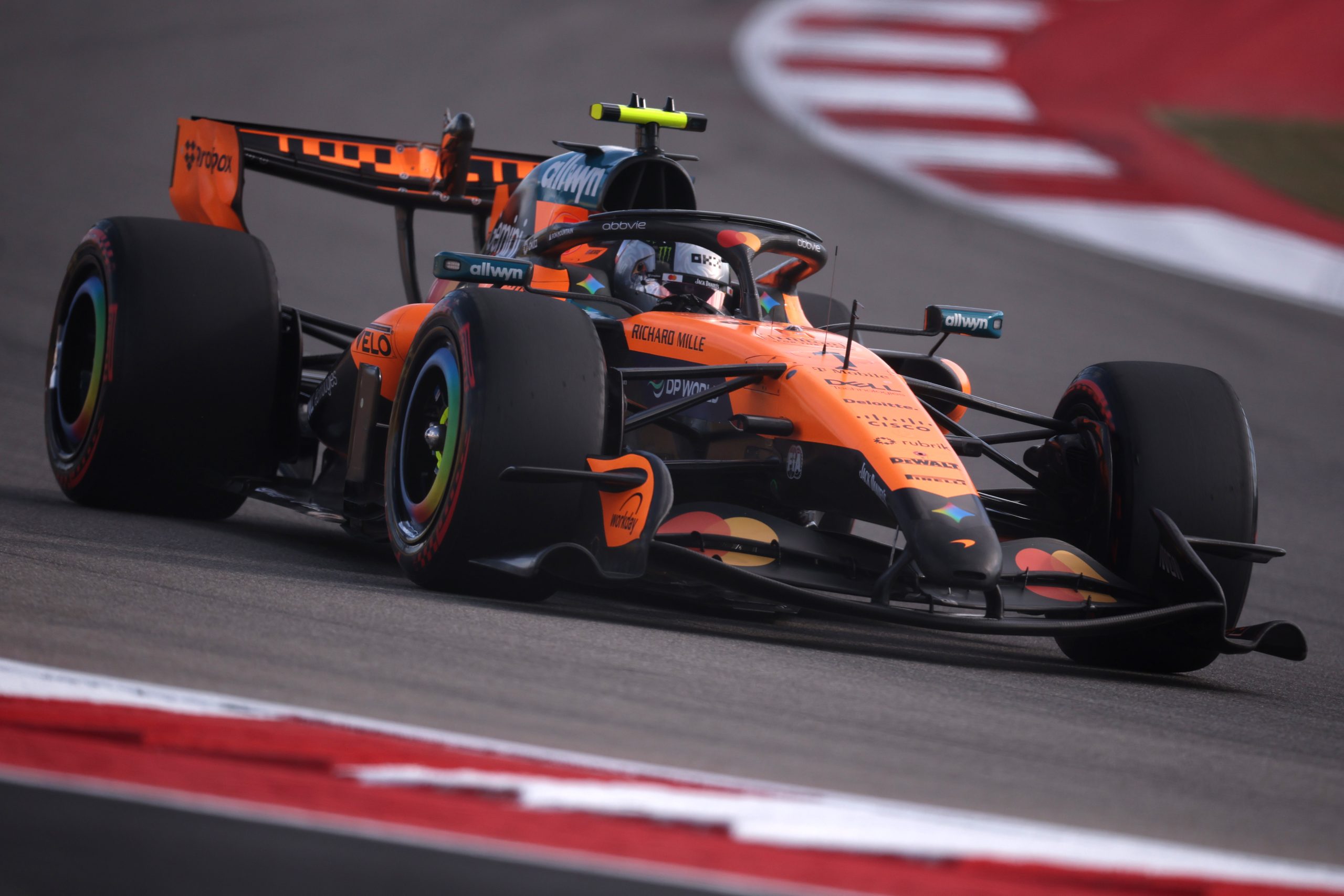
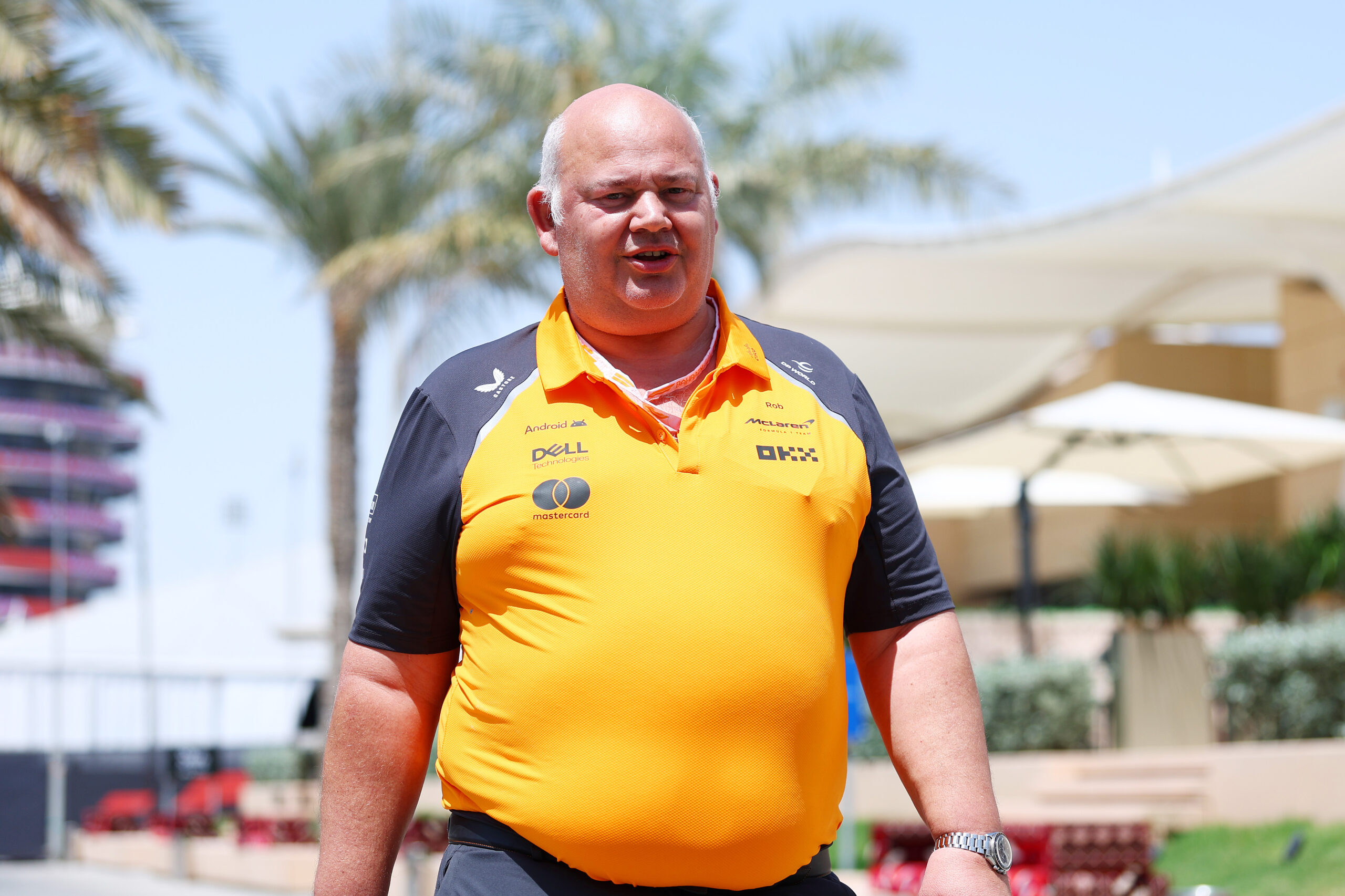
While the new 2026 F1 regulations have created a lot of controversy, Rob Marshall, Chief Technical Officer and Chief Designer at McLaren, still highlights some welcomed design innovations.
Before the season started, the expectation was for cars to be quite similar. The rumours said there was very little room for creativity in car design within the new regulations. However, throughout the first races of the season, teams displayed different ideas from their competitors.
In a media session earlier this week at Woking, Marshall was asked about the changes that caught his attention. He reflected on some that stood out to him at the front and the back of the grid so far.
“We thought the regulations were going to be quite prescriptive. The tendency now, the way the regulations are written… In the bad old days we used to have a load of numbers and stuff on a bit of paper and that would just define some rather simple boxes you had to keep your volumes within. And now there’s a load of very complicated CAD models which are, on the face of it, far more difficult to be creative around.
“You kind of look at the legality box you’re given and it almost draws the car for you, or so you think,” Marshall pointed out.
“You kind of design your car and then you get to the first event and as you say there’s quite a few different solutions out there to look at on other people’s cars.”
Marshall highlights interesting designs from Audi and Aston Martin in their 2026 F1 cars
McLaren’s Chief Designer pointed out some specific designs that caught his attention this season within the 2026 F1 regulations.
“I think ones that are sort of particularly interesting, I mean up and down the grid, if you start near the back end you’ve got, or middle, you’ve got Audi side pods are quite interesting.”
He referenced the sidepods introduced by Audi at the Bahrain preseason testing, after drastically changing the R26 used in the Barcelona shakedown.
He added: “Clearly they’ve gone for a different solution which no one’s done anything quite similar to that. Maybe slightly reminiscent of a Williams from a few years ago. But, you know, I think everyone thought they were going to do something, probably run of the mill, but clearly they haven’t.”
Marshall also noted Aston Martin’s suspension design, created by Adrian Newey in his second season with the team.
“Aston Martin, they’ve got quite interesting suspension geometry.
“The rear looks quite ambitious, very interesting, you can certainly see some reason for interest behind that. The front suspension is, I guess, again very interesting, maybe inspired by something we did last year, quite similar in many ways.”
“We’re sure that’s legal?” says Marshall about his initial reaction to Ferrari’s new rear wing
Finally, Rob Marshall discussed Ferrari’s “flip-flop” or “Macarena” rear wing and other design innovations.
“At the front of the grid, you’ve got things like a Ferrari’s rear wing. Which everyone saw that and thought ‘oh okay, yeah, that’s all right. Is that, we’re sure that’s legal? Yeah, it is, okay, well, well done then.’”
The brand new design was introduced during the pre-season test in Bahrain. It was used once again during FP1 at the F1 2026 Chinese GP. This rear wing aims to create a bigger gap for air to travel through. It flips completely upside down, instead of switching into a flat position.
“And they’ve done some more interesting stuff with their exhaust exit as well which everyone looked at and thought ‘that’s quite interesting, yeah, that looks good as well,’” commented Marshall.
“Different, very different front wing sort of geometries from different teams. Everyone thought the front wings were going to look the same but anything but that.
“So yeah, I think every car’s got something on it where you kind of look at it and go, ‘oh yeah, that’s completely different to anything we were thinking of.’
“And yeah, so yes, bottom line is, nothing is restrictive as what we thought it was going to be.”