F1’s key stakeholders gathered on Monday and agreed a package of changes to the regulations ahead of the 2026 Miami Grand Prix, bringing an end to weeks of debate over the sport’s troubled new regulations. With the season resuming in Miami on the 1st of May, the FIA, teams, power unit manufacturers and Formula 1 itself reached agreement on a set of refinements covering everything from qualifying energy limits to race start safety. Here is a full breakdown of what happened and what changes.
The background
The 2026 F1 season brought with it a wholesale reset of both chassis and engine regulations, with cars now powered by a near-equal split between internal combustion and electrical energy. On paper, the sport had undertaken its most ambitious technical overhaul in years. Teams had spent the better part of a decade preparing for it. On track, though, it produced headaches almost immediately, and by the time the third race of the season had come and gone, it was clear that something needed to change.
The problems were not entirely unexpected. Introducing a fundamentally new power architecture always carries risk, and the gap between what the regulations produce in theory and what they produce in practice is rarely small. What caught the sport off guard was the scale of the friction. Drivers were openly critical. Safety concerns emerged in race conditions. The conversation inside the paddock grew louder with each passing weekend, and the month-long break that followed the Japanese Grand Prix presented an opportunity the sport could not afford to waste.
Bearman crash drives push for change of 2026 F1 regulations
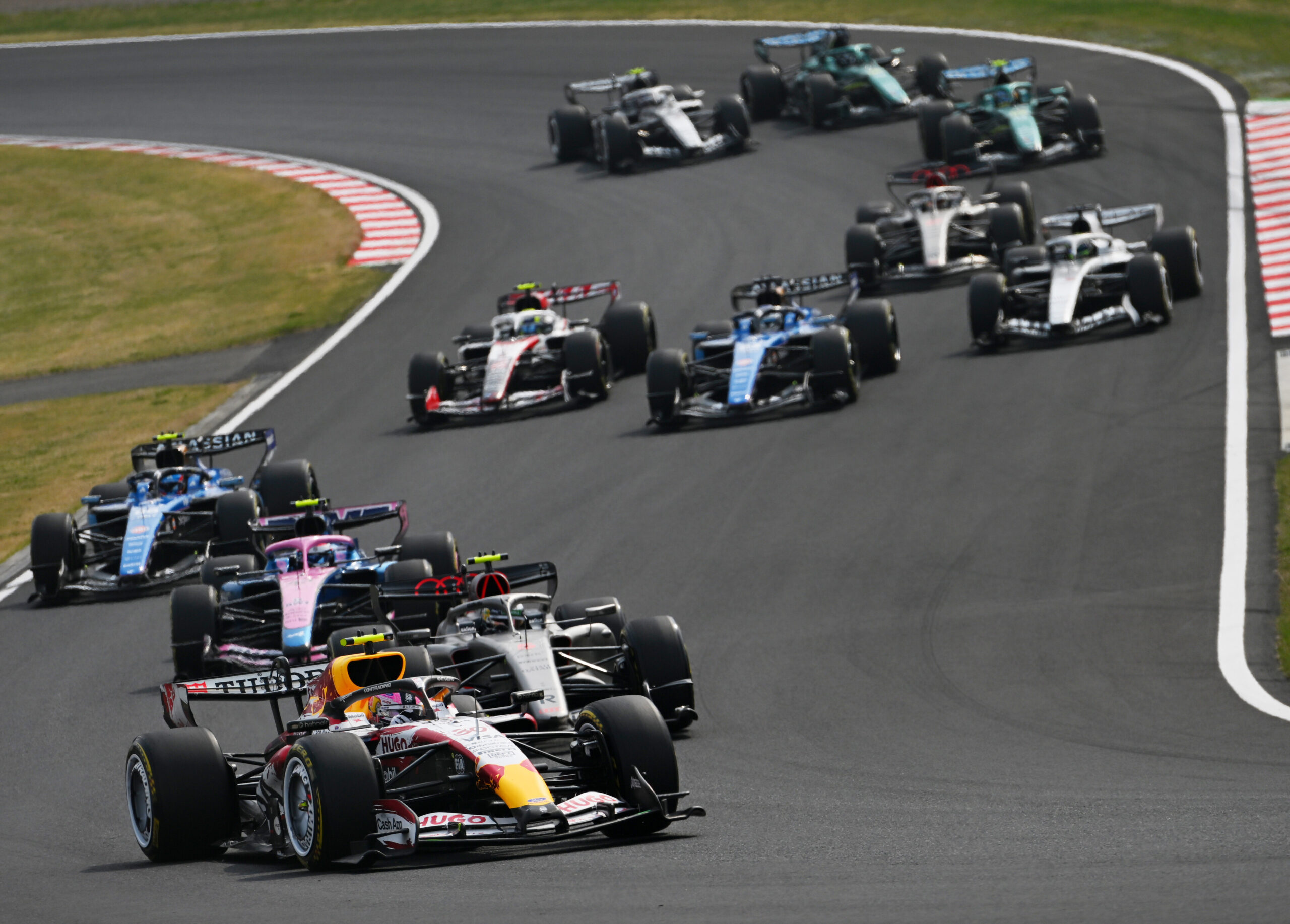
Driver frustration around energy management surfaced at the Japanese Grand Prix, where qualifying at Suzuka exposed the extent to which the new power rules were forcing drivers to lift and coast rather than attack. The situation then escalated sharply during the race itself. A stark closing speed differential between Oliver Bearman’s car and the one ahead significantly contributed to a major crash. That crash shifted the conversation from frustration to urgency.
Throughout the April break, the FIA conducted a series of consultations with technical representatives from the teams and power unit manufacturers, drawing extensively on input from the drivers themselves. Monday’s meeting brought all parties together to agree final proposals, which will now go to a World Motor Sport Council e-vote before Miami.
Wolff urges careful approach to changes
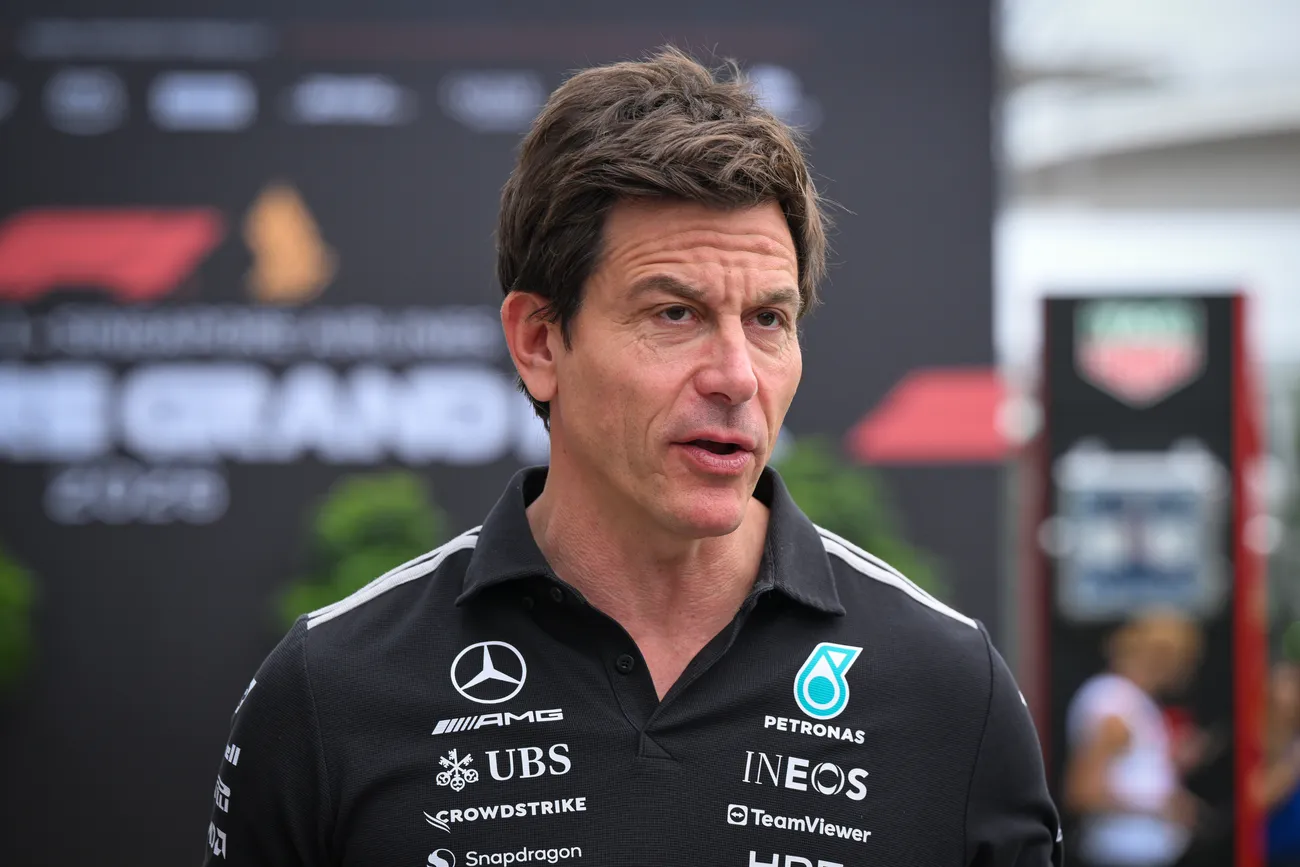
Mercedes team principal Toto Wolff, whose team have dominated the opening three rounds, spoke in a media call ahead of Monday’s meeting. He welcomed the collaborative nature of the discussions, but was clear that the sport needed to act precisely rather than reactively.
“I must really say that the discussions that have been taking place between the group of drivers, the FIA, Formula 1, and the teams have been constructive, and we all share the same objectives.
“It’s how can we improve the product, make it out-and-out racing, and look at what can we improve in terms of safety, but act with a scalpel and not with a baseball bat. So, I think we’re coming to good solutions that we’re going to ratify hopefully today, in order to evolve because we’re only three races in.
“And, in a way, we need to learn from the past, where sometimes decisions were made in an erratic way, and then we overshot and realised it wasn’t good because we are custodians of this sport. And in that respect, I’m carefully optimistic that we’re going to improve the racing whilst we align the aforementioned objectives, whilst keeping the racing really good.”
The reference to past overcorrections was pointed. Formula 1 has a history of reactive regulatory responses that created fresh problems down the line, and Wolff was clearly intent on avoiding a repeat. The Austrian has seen enough cycles of change in his time at Mercedes to know that the instinct to act fast and act big does not always serve the sport well.
Wolff warns against public criticism
Beyond the technical picture, Wolff addressed the wave of public complaints that had been coming from the paddock since pre-season testing. Several F1 drivers had spoken openly and sometimes bluntly about their dissatisfaction with the new regulations in 2026. Wolff acknowledged those views were valid but argued they belonged inside the stakeholder room rather than in press conferences.
“The drivers, the FIA, Formula 1 and the teams, we need to understand our responsibility as the guardians of this sport.
“And we need to respect what the sport has done for us and work constructively among ourselves to improve where things need to be improved and safeguard when it’s needed. And we all have our opinions and that’s absolutely legit.
“But these opinions and discussions should happen among the stakeholders more than in the public eye because the sport is in a great place.“
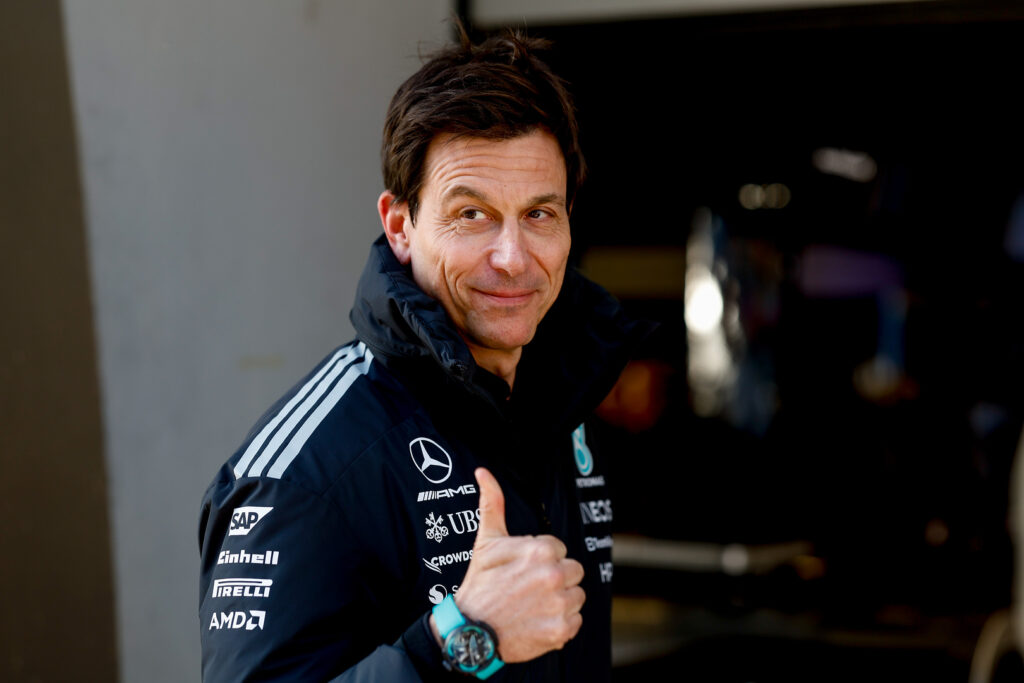
Wolff reminds paddock of its responsibility to the sport
The message targeted the broader paddock as much as the press. F1 enjoys strong commercial health, with a global fan base that has grown significantly over the past decade. Wolff argued simply that growth is not guaranteed, and that the way the sport talks about itself in public matters more than people realise.
“We have many hundreds of thousands of fans that love the sport. There are others that don’t love certain aspects of the sport. But in order to protect all of this huge opportunity that the sport gives us, we shouldn’t badmouth in public our own sport.
“And we’ve been all falling foul to this in the past because of gamesmanship or because of trying to protect a situation or improve a regulatory situation. But we need to be very careful because the things we say in public, they may not have an immediate repercussion on how the fans perceive the sport. But that comes with a lag. And that is the responsibility we have. Of course everybody is entitled to have an opinion.
“But I think we owe it to ourselves to express that opinion in the stakeholder groups. Now this has happened in the last few weeks in a constructive way. We have set our objectives in the way that we want to improve where we believe it improves.”
Four areas of change heading into Miami
The proposals agreed on Monday cover four areas: qualifying, race conditions, race starts, and wet weather running. F1 will implement most changes to the regulations from the 2026 Miami GP, trialling the race start measures that weekend before formally adopting them.
On the qualifying side, the FIA has reduced the maximum permitted energy recharge per lap from 8MJ to 7MJ, targeting the excessive harvesting that was forcing drivers to manage rather than race. The new regulations also raise the peak superclip power output from 250kW to 350kW, meaning cars will spend less time in the recharge phase and drivers will carry a lighter energy management burden overall. The FIA has also increased the number of races where teams can apply alternative lower energy limits from 8 to 12, giving greater flexibility across different circuit layouts.
F1 has capped the boost power available to drivers to prevent the kind of sudden performance differentials that contributed to Bearman’s crash in Japan. Drivers will receive full motor deployment through corner exit and into braking zones, but the regulations will limit deployment elsewhere on the lap to reduce closing speeds in areas where drivers are most vulnerable.
Race starts are also being addressed with a new safety mechanism. A detection system will identify any car that accelerates abnormally slowly off the line and automatically deploy additional motor power to prevent it from becoming a hazard to following traffic. Flashing lights on the rear and sides of affected cars will activate simultaneously to warn the drivers behind.
Finally, for wet conditions, F1 will raise tyre blanket temperatures for intermediate tyres following driver feedback, while reducing electrical deployment to give drivers improved control on low-grip surfaces. Rear light systems have also been simplified to improve visibility in poor weather.
Ben Sulayem praises cross-paddock effort
FIA president Mohammed Ben Sulayem used Monday’s announcement to recognise the speed and quality of the work carried out across the sport during the break. His statement struck a deliberately measured tone, emphasising unity at a moment when the sport had risked looking divided.
“I would like to praise everyone across the Formula 1 ecosystem, the FIA staff, teams, drivers and the Power Unit Manufacturers, for the constructive and collaborative work carried out in a very short space of time.
“While we have faced an unexpected gap in the calendar due to circumstances beyond the sport, all parties have remained fully committed to acting in the best interests of Formula One. More than ever, the drivers have been at the heart of these discussions, and I would like to thank them for their valuable input throughout this process.
“Safety and sporting fairness remain the FIA’s highest priorities. These changes have been introduced to address the issues identified in the opening events and to ensure the continued integrity and quality of the competition.
“We now look forward to the rest of what promises to be an exciting 2026 season.”
The tone from the top of the sport was one of resolution rather than crisis. Formula 1 heard, worked on and acted upon the problems raised in the first three rounds within a matter of weeks. Whether the changes of the regulations go far enough will only become clear once the cars are back on track in Miami, but for now, F1 heads into the second chapter of its 2026 season with at least the appearance of a house in order.