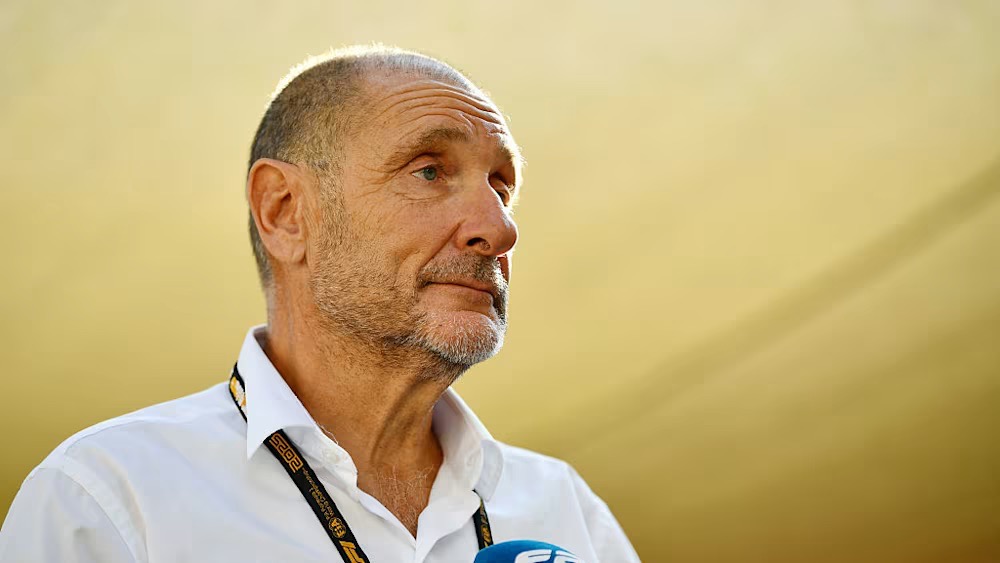
As the FIA Formula 2 Championship prepares to make its North American debut at the 2026 Miami GP, its CEO, Bruno Michel, reflected on a decade of transformation for the series—a period that has seen F2 cement its place as the final stepping stone to Formula 1. In an interview with Formula 2 ahead of newly-added rounds in Miami and Montreal, Michel highlighted the collective effort behind the category’s progress, the importance of keeping costs under control, and the need to keep evolving while staying true to its core mission, preparing drivers for F1.
A team effort behind the growth of F2
For Michel, the progress of F2 over the past decade has never been about individual achievement. While he acknowledged the satisfaction of seeing the series evolve, he stressed that its success is rooted in a collective effort across the entire paddock.
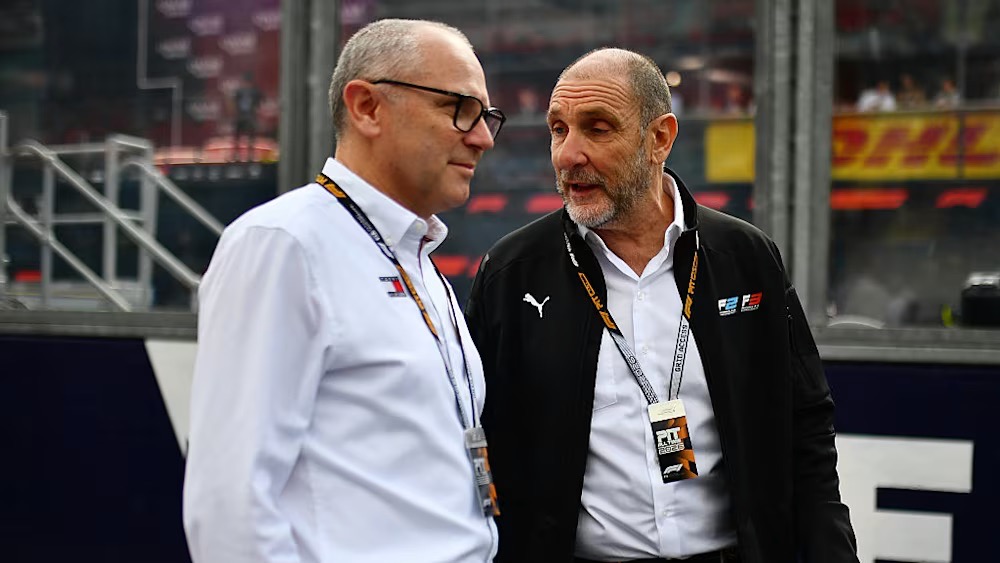
Support from F1, the FIA, teams, partners and suppliers has been central to F2’s current position. Michel especially highlighted the continued backing of Stefano Domenicali and F1, alongside the FIA’s firm commitment to the project.
“We all do the job the best we can, and for sure, there’s a satisfaction to see how things are progressing. Now, that absolutely is not personal – it’s a team effort.
“It’s the massive support from Formula 1 and all the stakeholders around F2 that have been making this possible over the last 10 years. Stefano Domenicali is always behind us, supporting and pushing for us. The FIA is really happy with the championship as it is, and they’re always extremely supportive as well.
Partners at the core of F2 progress
That shared responsibility extends to F2’s long-standing partners, including Aramco, Pirelli, Dallara and Mecachrome, as well as the teams themselves. Together, they have helped strengthen the championship’s technical foundation and its relevance within the wider motorsport landscape.
Despite that progress, the objective remains unchanged. F2 continues to focus on refining its product and reinforcing its position within the single-seater ladder to F1.
“The teams, of course, are doing a very, very good job. It’s a combined effort by all the people involved in the system, our partners, suppliers Aramco, Pirelli, Dallara, Mecachrome, all of them have been working with us for a long time.
“They’re all part of the project, and I think it’s really a common effort that allows us to be where we are now.
“We keep on trying to improve the product all the time, and make it even more relevant to the system, to the FIA pyramid, to the business, to absolutely everything that is in our environment.”
A clearer path to F1
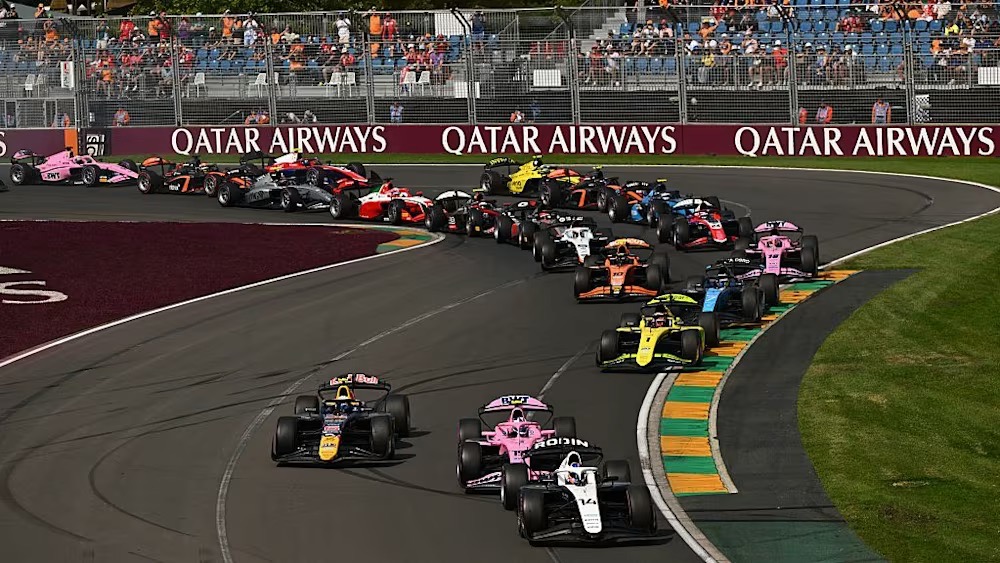
As F2 has evolved, significant changes have been introduced. One of the most significant changes since 2017 has been the creation of a clearly defined single-seater pyramid, giving young drivers a far more straightforward route to F1
As Michel explained, the landscape was previously fragmented, with multiple junior categories operating at the same time and little clarity over which path best prepared drivers for F1. The introduction of F2 and F3 as clearly structured steps has removed that uncertainty.
“The first thing that changed is that the pyramid became much clearer, because in the past, there had been quite a lot of junior categories which meant it was not clear for young drivers that wanted to make it to F1 where they needed to race.
“There were championships everywhere, and it was not easy to understand. Now, the path is completely clear. That’s something that we wanted to put together with the FIA, and that’s a big change since 2017.
The value of the rebrand
The rebranding from GP2 and GP3 also played a key role, creating a more direct and recognisable link to F1 for drivers, teams and fans alike. Alongside this, F2 has expanded its global footprint—racing in more countries, increasing its calendar, and significantly boosting its visibility—while building a younger and more engaged audience.
“The name, of course, is more appealing. F2 makes it much clearer – F2 and F3 – rather than GP2 or GP3, that really made things clearer for drivers to understand how to get to Formula 1.
“Then, of course, we got much closer to Formula 1 little by little, racing in countries much further away. We have increased the number of races that we’re doing over a season, we have massively increased the visibility of our championships and the awareness, and we now have a very, very strong fan base that is younger too, which is good.”
A consistent mission at the core
Despite that growth, Michel stressed that F2’s fundamental purpose has remained unchanged: preparing drivers for F1.
That responsibility goes beyond outright performance. The focus is on creating an environment that mirrors the demands of F1 as closely as possible, ensuring drivers are ready not just for the speed, but for the systems, procedures and operational complexity of the top level.
From race management tools to technologies such as DRS, F2 is designed to familiarise drivers with the elements they will encounter in F1.
“I would say that the basic values of our championship have remained the same since the very beginning, and that’s probably why we’ve been quite successful and quite consistent.
“We had always to adapt the situation to what was happening and to the development we wanted to do. But at the end of the day, we’re here to put drivers in Formula 1, and that’s the main mission that we’ve had over these 10 years.
“That means that they need to have machinery that is as close as possible to what they will learn in Formula 1. And when I say machinery, it’s not the car itself, but it’s also the systems, the marshalling system, the DRS, all these things they’re working with that they will find in Formula 1. The car is as close as possible to what they will have to learn in Formula 1, that’s number one.
Cost control, racing quality and wider values
Alongside its role as a driver development platform, FIA Formula 2 must strike a careful balance between performance and financial sustainability. For Michel, keeping costs under control remains essential to ensuring the category stays accessible to teams and drivers.
At the same time, F2 cannot lose sight of its identity as a competitive and entertaining series. Delivering close, exciting racing, Michel noted, is a fundamental part of its DNA.
“We also need to make sure that the costs are always kept under control. And we need to produce a very exciting show because that’s also our DNA, and that’s why people are watching us for.
An emphasis on sustainability and diversity
Beyond the on-track product, sustainability and diversity have become increasingly important areas of focus. Through its partnership with Aramco, F2 was an early adopter of sustainable fuel—an initiative Michel views as a significant step forward for the category.
Equally, efforts have been made to ensure the cars are accessible to a broad range of drivers. From physical differences such as height and build to increasing opportunities for female drivers, F2 continues to evolve to better reflect the diversity of modern motorsport.
“Sustainability and diversity are important as well. That’s something that we’ve been working on a lot over the last 10 years. With Aramco, we’ve been using sustainable fuel before anybody and that’s really important. Diversity and making sure that any driver can drive our cars – tall drivers, strong drivers, smaller drivers, female drivers, that’s something really, really important that we are developing as well.
“It’d be great to have started off with all these boxes ticked perfectly, everything’s amazing, as good as it can be, but we’ve always kept trying to develop, working on all these areas over the last 10 years to make sure that F2 is as strong as it is now.”
F2 graduates proving the system works
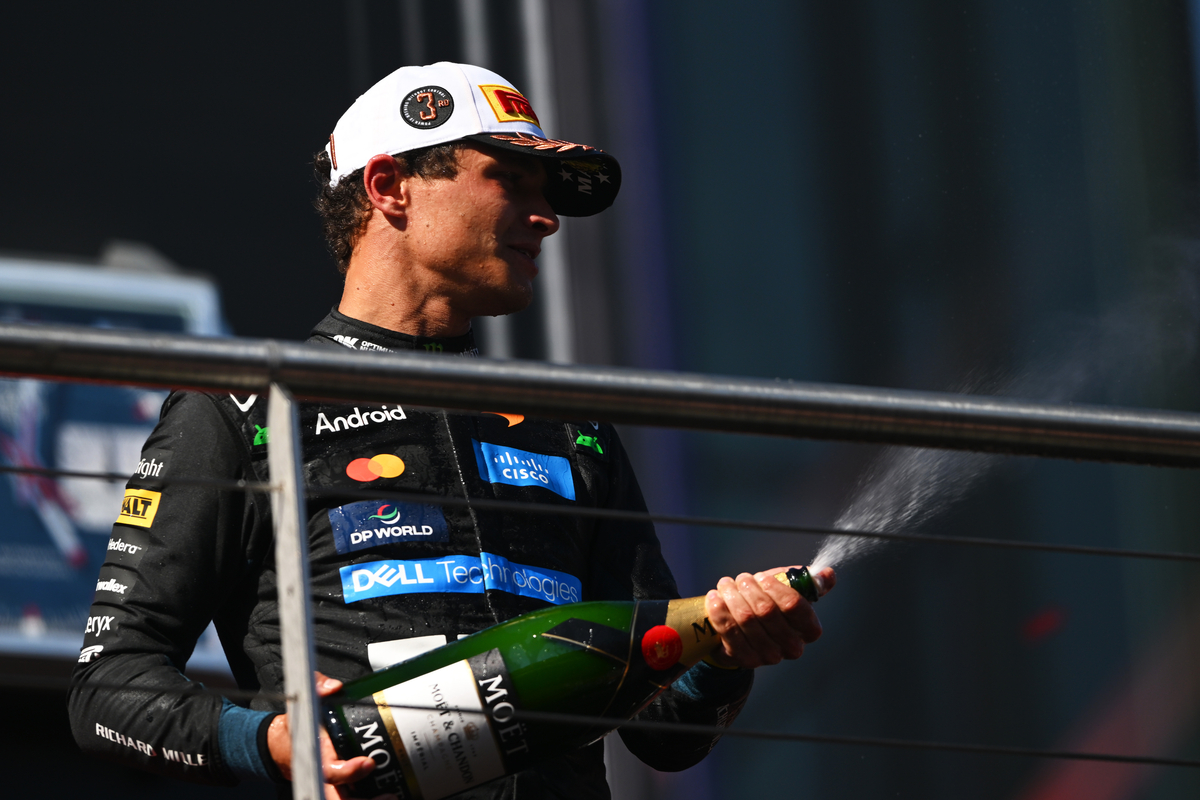
The success of FIA Formula 2 graduates in F1 has reinforced Bruno Michel’s confidence in the direction of the championship. He was especially enthused by 2018 F2 runner-up Lando Norris’ recent success in the 2025 F1 Championship, describing it as a major milestone, albeit one that had taken longer than expected to materialise.
“It’s a great achievement but to be honest, it’s quite surprising that we didn’t have it earlier. But we now have an F2 graduate-turned-F1 World Champion.
More importantly, Michel pointed to the recent wave of rookies stepping directly from F2 into F1 and adapting immediately as stronger evidence that the system is working as intended.
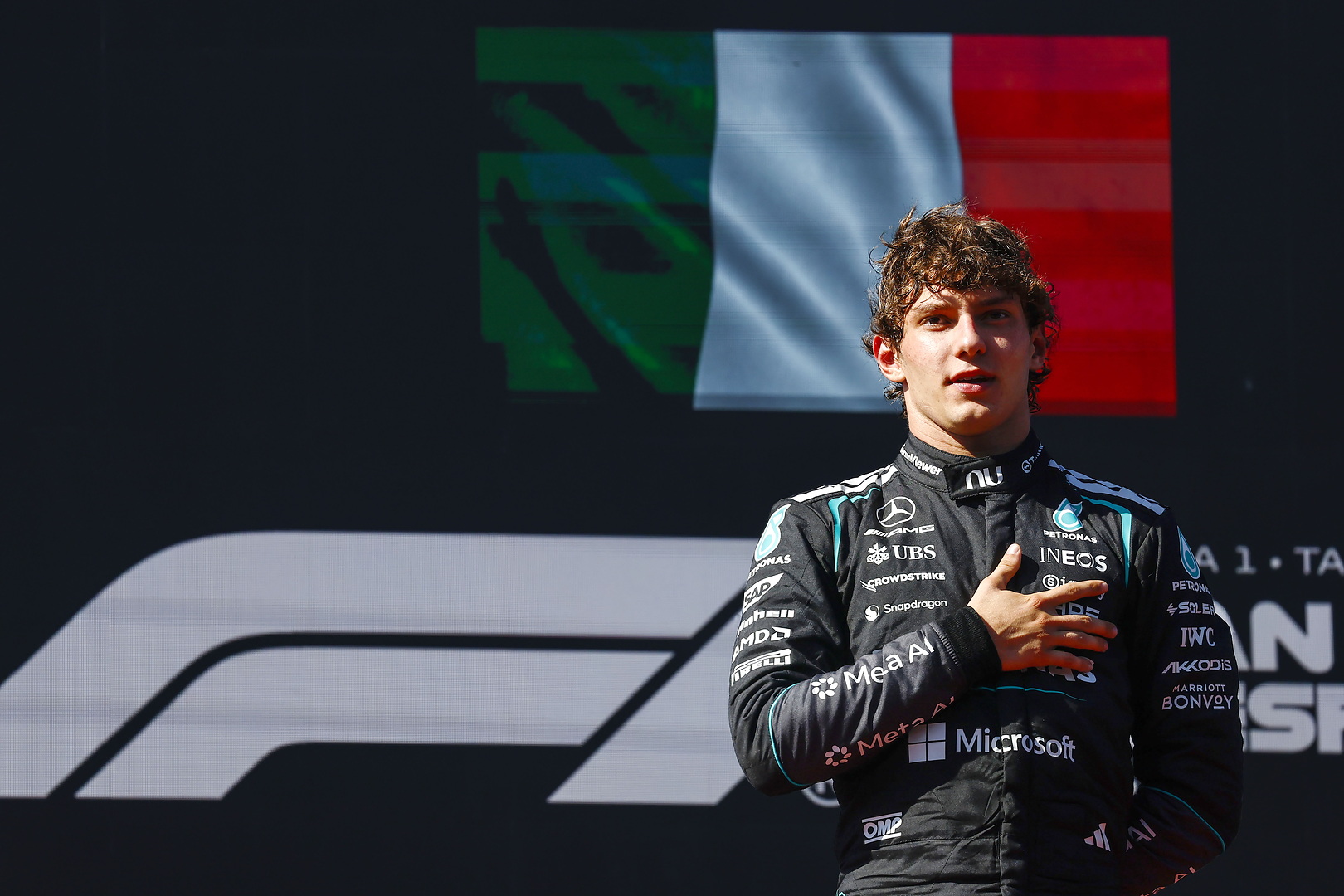
He highlighted drivers such as Kimi Antonelli, George Russell, Oscar Piastri and Charles Leclerc as examples of F2’s continued influence at the top level, alongside emerging talents like Ollie Bearman, Gabriel Bortoleto and Isack Hadjar.
“I would also say that what happened last year with the five drivers that came directly from F2 to Formula 1 and the way they adapted and the way they got immediately to the mark and were doing fantastically well, for me is even more a sign of the fact that I think we’re doing the job properly. And that’s really important.
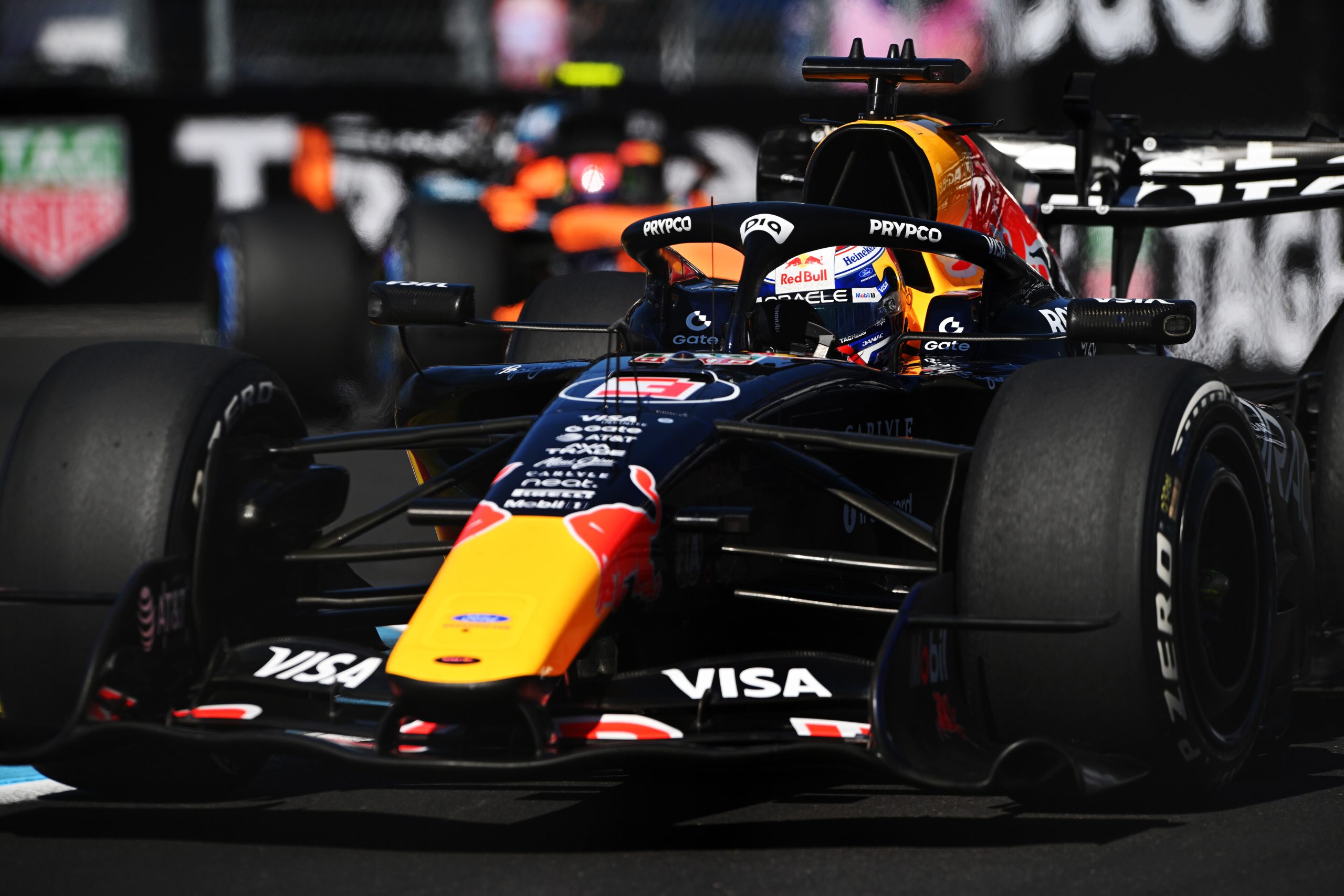
“When you see that Kimi Antonelli is currently leading the championship, George Russell, who is one of our Champions, is P2. Oscar Piastri, Charles Leclerc, all these drivers are fighting for the championship, it’s really good to see that.
“Then you have Gabriel Bortoleto doing very, very well, Ollie Bearman being one of the stars of the future. There’s also Isack Hadjar who is doing fantastically well. Everybody says the 2025 rookies are stars of the future for Formula 1, and we’re very happy to see that.”
The next step for the championship
Looking ahead, Michel said F2 will continue on its current trajectory while constantly evaluating how it can improve.
A major milestone for 2026 is the championship’s first races in North America, with events in Miami and Montreal. Michel sees the region as a key growth market, particularly for attracting American drivers aiming for F1.
“I would say continue on the same path, which is making the championship evolve in the way it should. And that’s something that we need to look at all the time.
“For instance, this year we’re doing something that we have never done before, which is racing in North America. And I think that’s really important because there’s a massive market over there and we need to get drivers from America that want to get to Formula 1 in these championships.
However, he stressed that expansion must remain realistic. With 14 F2 rounds and 10 F3 events already on the calendar, further growth cannot come at the expense of financial sustainability.
“So, we are interested in expanding the calendar, but not at any cost because that’s the other thing. We’re already doing 14 events in Formula 2 and 10 in Formula 3. And honestly, I’m not sure we want to do more for cost reasons, obviously.
Relationship with Formula 1 and its teams as a key element
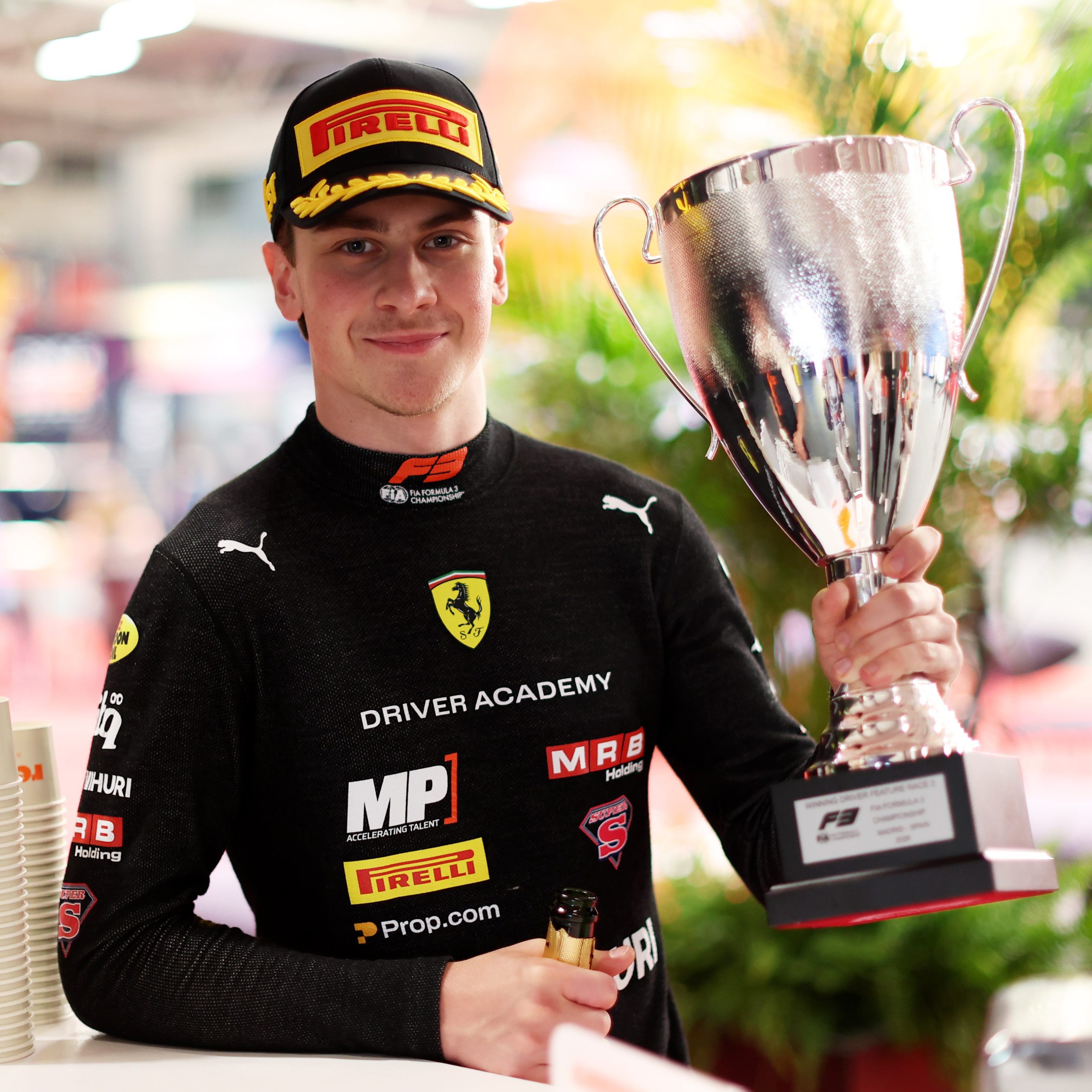
F2 also intends to further deepen its relationship with F1 and the teams. Michel noted that most F1 organisations now have junior drivers competing in F2 or F3, strengthening the alignment between the categories.
“We will continue to develop the link with Formula 1 and the Formula 1 teams, which is getting better and better because most of the teams now have young drivers within our championships.
At the same time, F2 faces the challenge of staying relevant as F1 continues to evolve technically, particularly with areas such as power unit development that F2 cannot replicate.
The solution, Michel said, is not imitation but adaptation—ensuring F2 continues to prepare drivers effectively for the modern F1 environment.
“We’ll look at how to develop the car, which is a very interesting talking point because at the moment. Formula 1 is going into a direction with a power unit that we cannot afford to do.
“So, we need to make sure that we’re still relevant in preparing the drivers for Formula 1, even if we don’t have the electric side that the F1 cars have.
“I think the values will remain the same, but we have to make sure that we evaluate them the right way. Every year we need to put ourselves into a mindset of how can we make it better?”
Excitement ahead of Miami and Montreal
In the immediate future, however, Michel and F2 are eagerly anticipating its first-ever visits to Miami and Montreal in 2026.
North America has long been a target for the championship, but Michel explained that the right opportunity to expand into the region had not previously materialised. While the plans came together relatively late and required a rapid organisational effort, he praised the strong support from all parties involved in making it happen.
For Michel, the move represents an important milestone in F2’s global growth and visibility, while also offering a valuable opportunity to showcase the championship to new audiences in the United States and Canada.
“We are very excited for Miami and Montreal. North America for me is absolutely fantastic. It’s something that we’ve been willing to do for quite a long time, but there was not a proper way to do it.
“Now, even though it’s been a bit tight in the way we’ve got it organised because it was a bit last-minute, everybody’s been very, very helpful and pushed for it.
“I’m very happy about it and I’m really pleased that the American fans are going to be able to see what the F2 races are about in person.”