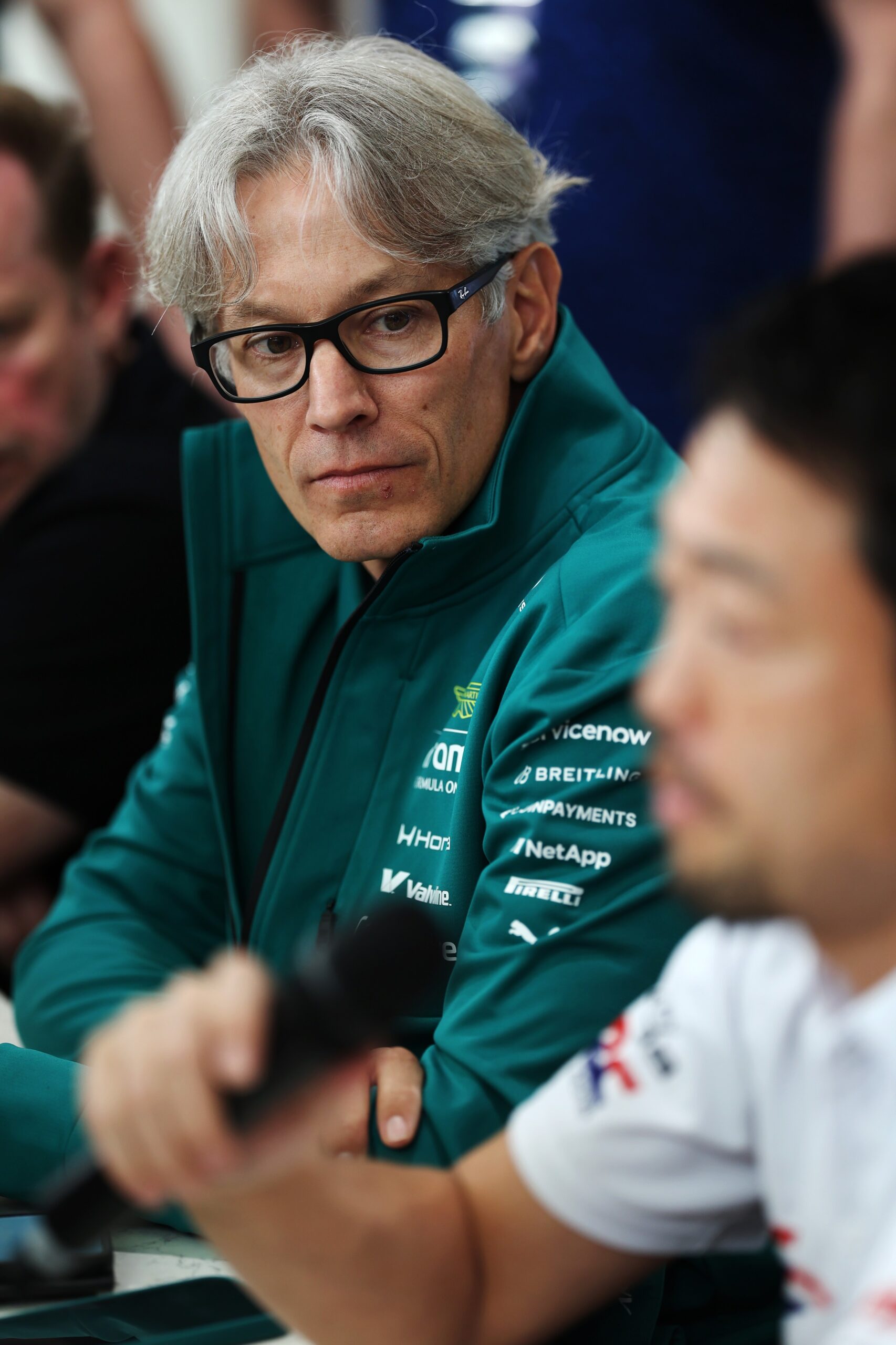
Heading into the race weekend in Miami, Mike Krack and Shintaro Orihara have opened up about Aston Martin and their power unit supplier Honda working together since the Japanese GP to resolve the many issues that the AMR26 faced in the first three rounds of the 2026 F1 season.
The new works partnership has been a major talking point from the very beginning of the campaign but not for the right reasons.
Given the severe vibrations the car generated and the additional battery reliability problems, Aston Martin registered 3 DNFs in total in Melbourne and the following Grand Prix in China.
While Lance Stroll had to retire after 30 laps at Suzuka due to a suspected water pressure issue, Fernando Alonso finally experienced a turn of fortune and managed to take the chequered flag in eighteenth place.
Krack on how well Aston Martin and Honda worked together after the Japanese GP
Speaking in a print media session on Thursday, Aston Martin’s chief trackside officer Mike Krack shed more light on where they stand regarding solutions for the AMR26’s limitations ahead of the 2026 Miami GP.
Referring to the one-month break they enjoyed on account of the cancellation of the Bahrain and Saudi Arabian Grands Prix, the 54-year-old stated that the Silverstone-based squad and Honda had joined hands to improve their ailing car.
Krack made it known that Aston Martin had left one of the cars at Honda’s advanced R&D facility in Sakura following the F1 Japanese GP to allow the specialists to analyse the issues in greater detail and get on top of them. Noting that their collaboration was fruitful, he also revealed that they are introducing further countermeasures in Miami to improve the AMR26’s reliability and overall package.
“Yeah, we had a couple of weeks due to the cancellation of the two Middle East events. We have used the time together with Honda to do some further improvement to our package.
“We left one car in Sakura after the race in Japan to continue working on the issues we have.
“And I think we have come here with another package of countermeasures to improve our reliability, to improve the package simply. So, I think the collaboration went really well over the last weeks.”
How Aston Martin leaving a car behind allowed Honda to devise new countermeasures
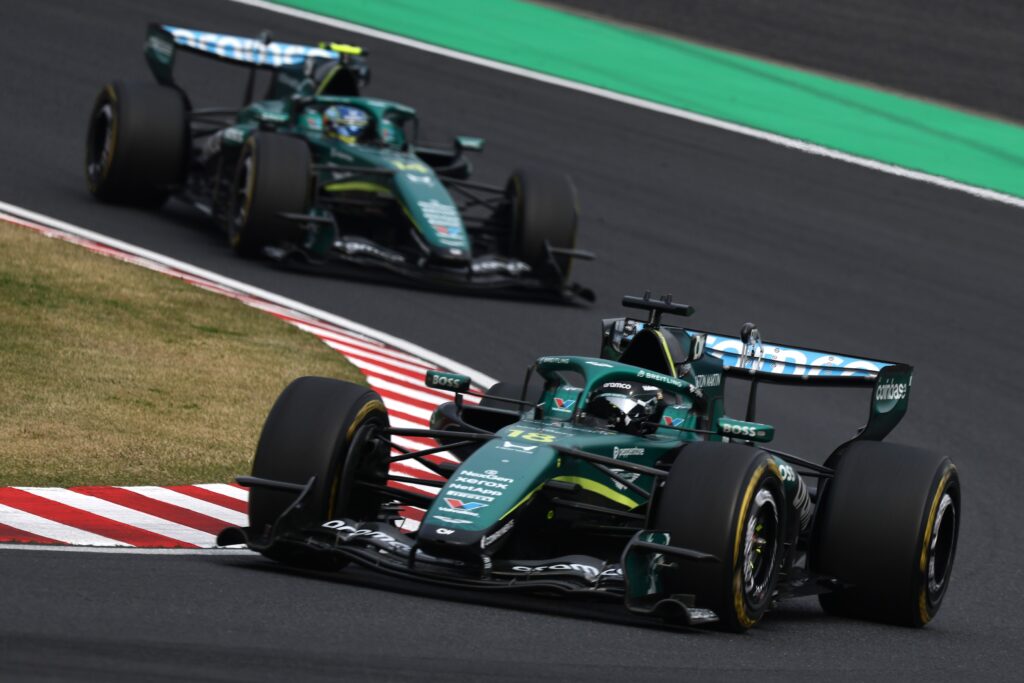
Honda had previously stated that they were unable to fully see the AMR26’s vibrations on the dyno at Suzuka.
With regard to whether having access to an Aston Martin chassis in Sakura for closer inspection was useful, Shintaro Orihara echoed Krack’s enthusiasm and elaborated on the tests Honda conducted and the data they gathered before heading stateside for the 2026 Miami GP.
Moreover, Orihara offered assurances that they have found some methods to offset the vibration from the power unit and the debilitating impact it has on the drivers. He added that they are keen to ascertain the effectiveness of the new countermeasures in Miami this weekend.
“So, as Mike [Krack] mentioned, we brought the race car to Sakura. Then we did some testing, static testing, to measure the vibration on the actual car. And then we applied some countermeasures on the car and checked the vibration situation on the car.
“And we gathered a lot of data from the car because in the factory we can put a lot of sensors. We also gathered all the knowledge of HRC [Honda Racing Corporation] engineers. And then we found some good progress on vibration.
“Then we introduced the countermeasure into this event. So, we found good progress on vibration on the engine’s battery size. And also we can see some good progress on vibration for the driver. So, we are interested to see how that works here.”
How the recent revisions to the ruleset might impact Aston Martin and Honda in Miami
Asked if the recent tweaks to the 2026 technical regulations would have a negative impact on Honda’s development trajectory, Shintaro Orihara dismissed the suggestion.
“My understanding is that it wouldn’t affect our reliability. So, we are confident in what we bring to this event.”
While the AMR26 had very limited running in the first three race weekends, Orihara explained that the information they gathered from their first classified finish of the season in Japan and the subsequent analyses have allowed them to optimise their data setting.
Although he admitted that the revisions to the 2026 ruleset might have an effect on their strategy choices, the Japanese engineer appeared quite optimistic that they have successfully revamped their energy management system to accommodate the changes during the Miami GP Sprint weekend.
“So, we have gathered a lot of data through the past three days [in between the FIA announcing the changes and the team travelling to Miami].
“Especially in Suzuka, we completed a full distance race. And then we learned a lot of things and then we proceeded to optimise our data setting based on that data. And then the regulation slightly changed. It can affect our strategy.
“But we will follow the FIA decision and we have optimised our energy management to adapt to the regulation change. Of course, FP1, it will be busy session to check how our new strategy works. But we will see.”
Orihara reveals whether Honda’s countermeasures for Miami include hardware changes
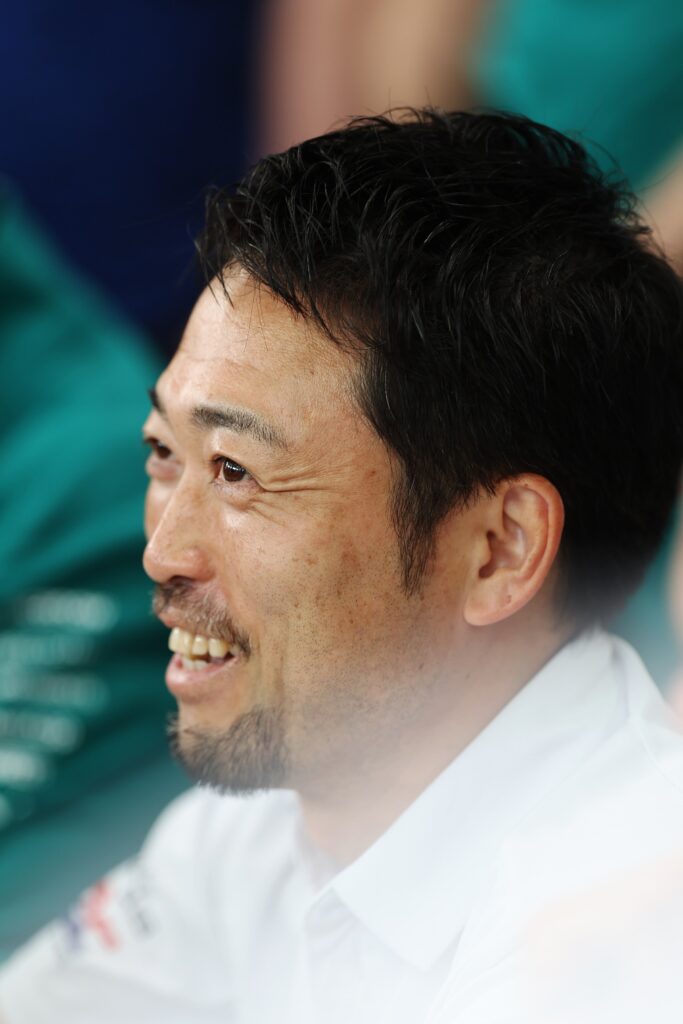
In terms of whether the new countermeasures that Aston Martin and their F1 engine supplier Honda are introducing at the 2026 Miami GP include any hardware or design changes, Shintaro Orihara refused to dive into the details but confirmed they have done so for reliability purposes.
“I can’t say the detail point. But we introduce something […] hardware change to improve reliability.”
Urged to clarify if this is their first hardware-related modification on the engine side this season, Orihara replied, “No, sometimes we keep introducing a lot of countermeasures mechanically.”
Honda’s trackside general manager and chief engineer also declined to expand on whether the electric part of the AMR26’s engine and its capacity to recover energy would make the most of the new F1 rules that will raise the peak super clip power output from 250kW to 350kW from Miami onwards.
“I can’t explain the detail points of our energy management strategy. So, yeah, [it’s] hard to say.”
Whether Aston Martin are bringing aerodynamic changes to the fourth round
With regard to whether the one-month break in April gave Aston Martin ample time to bring forth much-needed aerodynamic improvements to the 2026 Miami GP, Mike Krack detailed how the British outfit concentrated its efforts on sorting out its reliability woes, shaving some excess weight from the chassis, and boosting the drivability overall.
“There will be changes on the car. We have worked on several items. Mainly reliability as Shintaro already mentioned. But then also car weight; drivability was one big aspect. And then in terms of external changes, it will come race by race.”
On the topic of the AMR26’s vibrations and whether they have modified the steering system to dampen them, Krack remarked that their larger remedy package directly addressed the cause of the issue.
“We have worked on a large package to reduce the vibrations at the source but also in terms of mitigation to all the systems, including the driver.”
Asked if the drivers have to limit their RPM again this weekend, the Luxembourgish engineer responded that they would not discuss the matter.
“We will not speak about the operation of the engine. Sorry.”
Orihara not forthcoming about the engine details
In terms of whether the time between the Japanese GP and the fourth round of the season in Miami was sufficient to devise and implement wholesale upgrades, Shintaro Orihara was yet again really cagey about the specifics.
While he acknowledged that the month-long break wasn’t enough to comprehensively revamp the engine specification, Orihara reiterated how the Honda engineers in Sakura had pulled out all the stops to bring further countermeasures in Miami.
“I see. Four weeks is not long when you start to implement big hardware modifications. But in Sakura, they worked very hard to bring some countermeasures.
“Again, I can’t explain the detailed point, but definitely they worked very hard to bring countermeasures here. That was amazing to see.
“Sorry, I can’t say the detail point. But we are going to change.”
Asked if Honda understands how to improve the engine while they wait for the FIA to confirm the number of upgrades each manufacturer will be eligible for, the Japanese engineer said, “We have some ideas. But I can’t explain the ideas, sorry.”
Krack on what kind of progress Aston Martin will show at the Miami GP
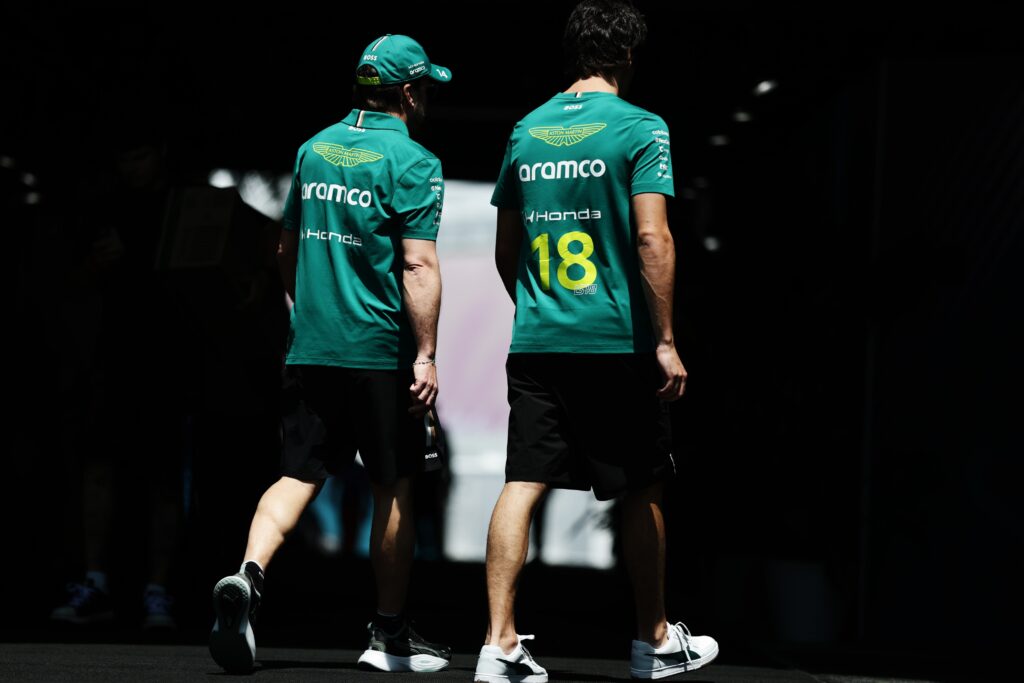
Mike Krack then shared his thoughts on whether the Aston Martin F1 team’s Honda power unit would make a step forward during the 2026 Miami GP weekend. He expressed confidence that their collaborative work throughout April would enable them to run their engines more aggressively and enjoy better reliability.
However, Krack also admitted that they have a lot of ground to make up when it comes to performance and emphasised how difficult it is to catch up when the development race is really tight under the brand-new regulations.
“Yes, absolutely. I think from that point of view, the work that we did together collaboratively over the last weeks will lead to a step forward.
“I think we will have less and less restrictions going forward. If you look back where we were [in] Melbourne, Shanghai. We went through all the details already. How these races went. How these events went.
“I think we can clearly see progress from the reliability side. From the progression side, I expect another step in.
“We also spoke in Suzuka. As soon as the reliability issues are mitigated, the spotlight is on performance. We have to acknowledge that we have to do some steps there as well. I also said that we cannot expect miracles coming to Miami. This is the case.
“So, we are improving step by step, both reliability and performance. But we must not forget that the same applies to our competitors.
“It’s a development race. As soon as the season is on, it’s very tough to catch up.”
Lessons learned from the collaboration
With respect to the lessons Aston Martin have learned from their recent collaborative work with Honda and whether they need to integrate the engine and the chassis differently in the future, Mike Krack responded, “Yes, I think this is a good point.”
Referring to how Honda could examine the engine on the dyno while connected to the chassis itself and subject the car to more rigorous tests, Aston Martin’s chief trackside officer disclosed that the information they have collected will contribute to the further development of the AMR26 and next year’s car.
“I think the collaboration that we had over the last weeks and the time that we had to do that allowed us to do a more conceptual study or checks. This will all go into the development of the car and to next year’s.
“The answer is yes, I think that was quite good and we have learned a lot from that.”