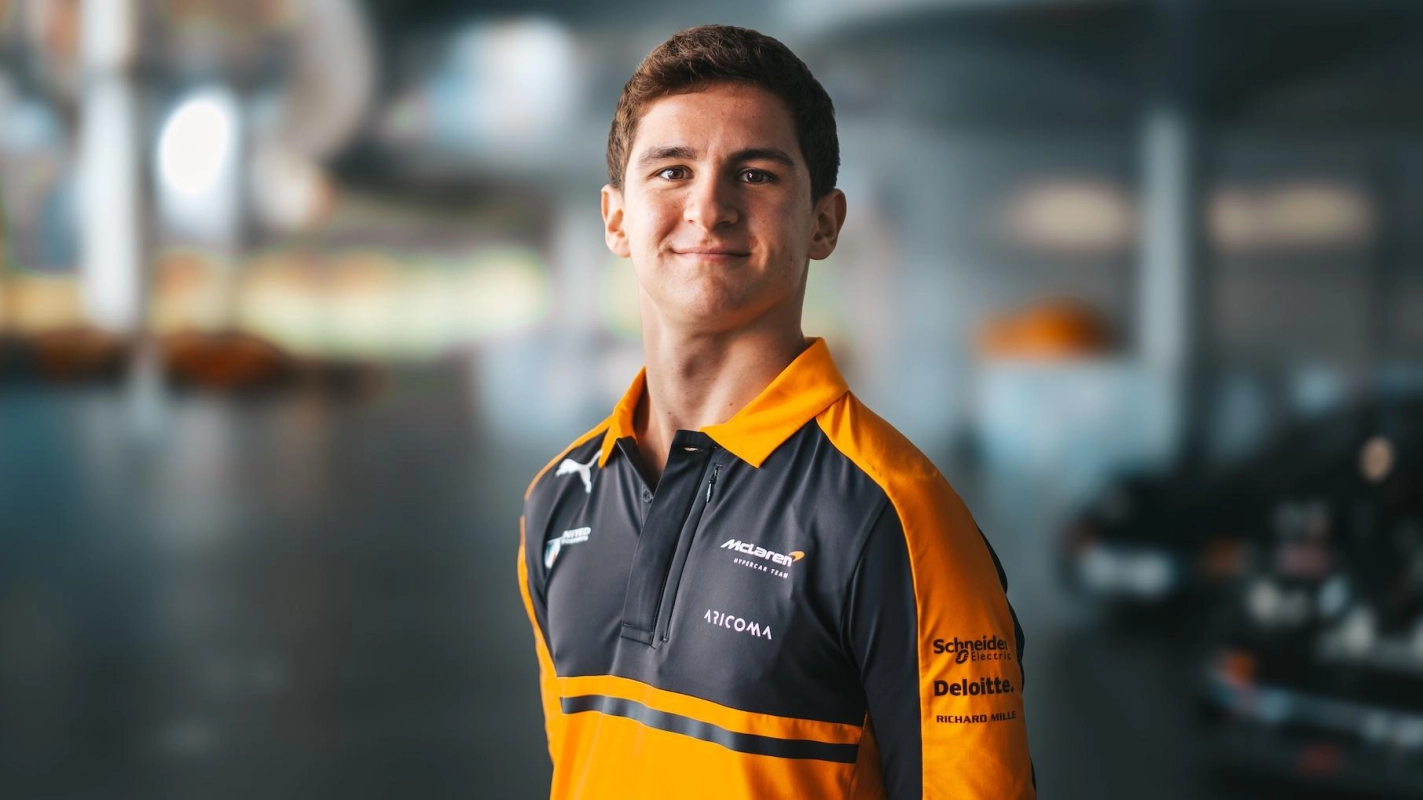
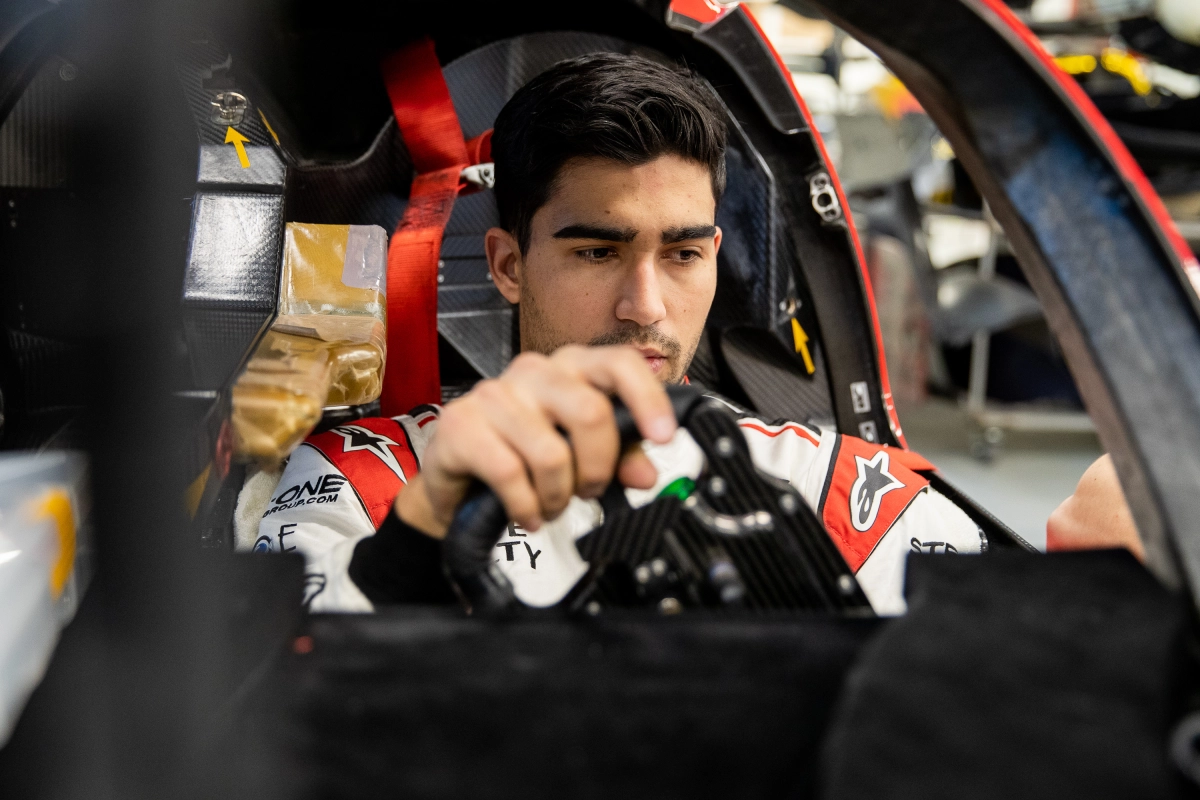
Juan Manuel Correa’s career has largely been shaped by single-seaters, but endurance racing has become an important part of his wider motorsport journey. Through LMP2 programmes in the European Le Mans Series, FIA World Endurance Championship (WEC) and IMSA SportsCar Championship, Correa has experienced a very different racing environment.
After testing Prema Powerteam’s LMP2 car at the end of 2021, Correa made his European Le Mans Series debut in 2022. He finished third at Spa-Francorchamps before winning the season finale at Portimão, helping Prema secure the teams’ title. He later raced in the 2023 FIA World Endurance Championship with Prema and contested the 24 Hours of Le Mans, before joining United Autosports USA in IMSA’s LMP2 category in 2025.
In an exclusive interview with Pit Debrief, Correa discussed why endurance racing appeals to young drivers, why LMP2 suits single-seater racers, and how IMSA’s growth has made the category even more attractive.
Endurance racing as a realistic career route for Correa after positive LMP2 experiences
For Correa, endurance racing offers young drivers more than useful experience. It also provides a realistic route towards a professional career. With limited seats available at the top of single-seaters, many drivers now look across categories to establish themselves.
“Yeah, you know, young drivers are just trying to get a professional career and get paid and establish themselves somewhere. So endurance is a feasible way to do that.”
Correa also believes LMP2 makes sense for drivers coming from single-seaters. Although endurance racing brings different demands, the car itself still feels familiar because of its speed and performance.
“The LMP2 car is so cool to drive. It’s very quick. It feels very much like a Formula car. It doesn’t feel like a GT car at all. And that’s why it’s an easy, let’s say, move for a single-seater driver to go there.”
That similarity helps explain why the category attracts young drivers from the junior formula ladder. LMP2 still rewards precision, confidence and commitment, while also teaching drivers how to manage traffic, complete long stints and work within a team environment.
The appeal of long stints and teamwork
Correa has clearly enjoyed the endurance racing format. Unlike single-seaters, where drivers race alone, endurance racing requires shared responsibility and strong teamwork. It also gives drivers more time in the car and forces them to stay sharp while navigating traffic.
“For me, it was a lot of fun. I love endurance racing. I love having long stints. I love going through traffic. If you have teammates that you get along with and they push each other, the dynamic is really cool. So yeah, I still consider a potential career path for me a viable option. Eventually, we’ll see where things lead up with Indy NXT and IndyCar, but that could be a good plan as well.”
Therefore, while Indy NXT and IndyCar currently form an important part of his focus, Correa still sees LMP2 as a possible future path.
IMSA growth adds to the opportunity
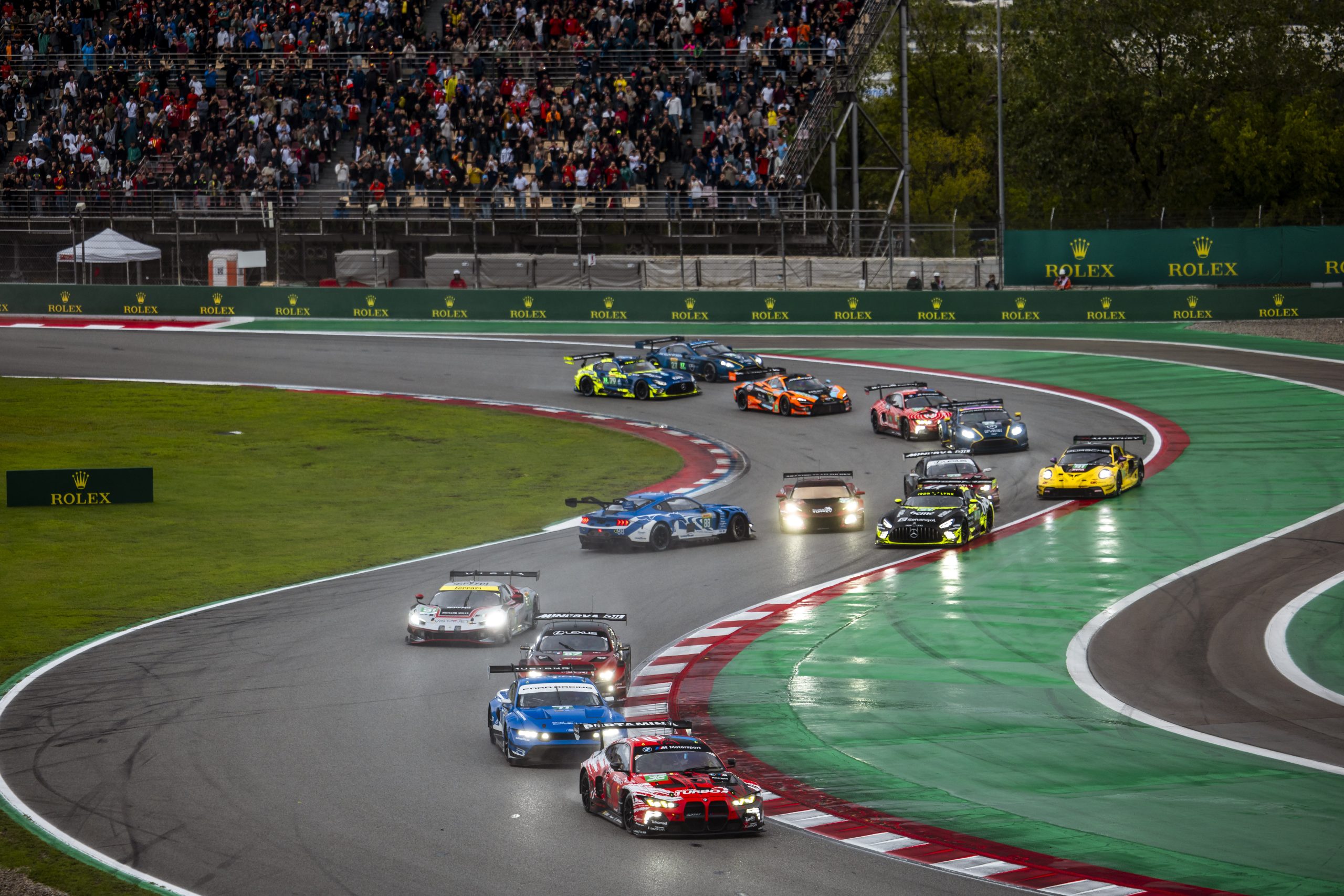
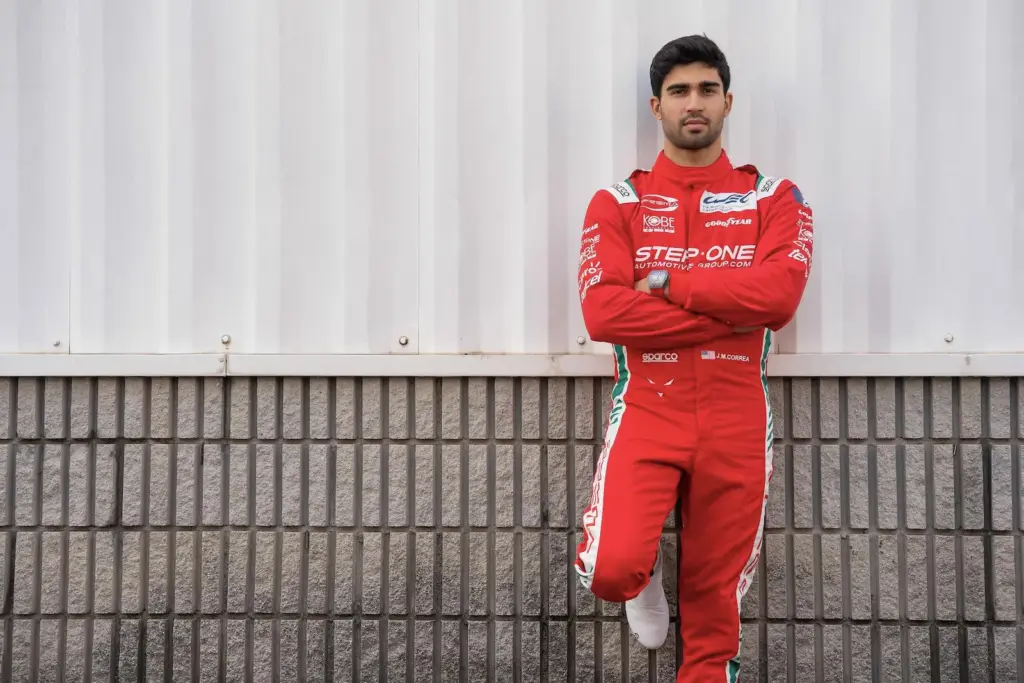
Furthermore, Correa’s 2025 move into IMSA with United Autosports USA came as endurance racing continued to grow in North America. Bigger events, stronger attendance and more manufacturer involvement have made the category increasingly attractive for drivers.
“And it’s also a category that’s growing. I mean, especially here in North America, you see IMSA, the viewership numbers, the attendance—it’s pretty crazy. The races are huge. There’s more and more manufacturers coming in. There’s money coming into the sport, and that’s always good for us because it means that there’s more professional rides available that you can actually style yourself in. So yeah, we’ll see. But it’s a great type of race.”
For Correa, that growth matters because it creates more professional opportunities. As endurance racing expands, drivers gain more routes to build sustainable careers beyond the traditional single-seater ladder.
LMP2 and endurance racing a valuable chapter in Correa’s career
Correa’s endurance racing experience has added another layer to his development. LMP2 has given him speed, variety, teamwork and a different strategic challenge. It has also shown him that a successful racing career can take more than one form.
Although his current path remains tied to Indy NXT and the possibility of IndyCar, Correa has not ruled out endurance racing. Instead, he views it as a serious and enjoyable option, especially as IMSA and LMP2 continue to grow.