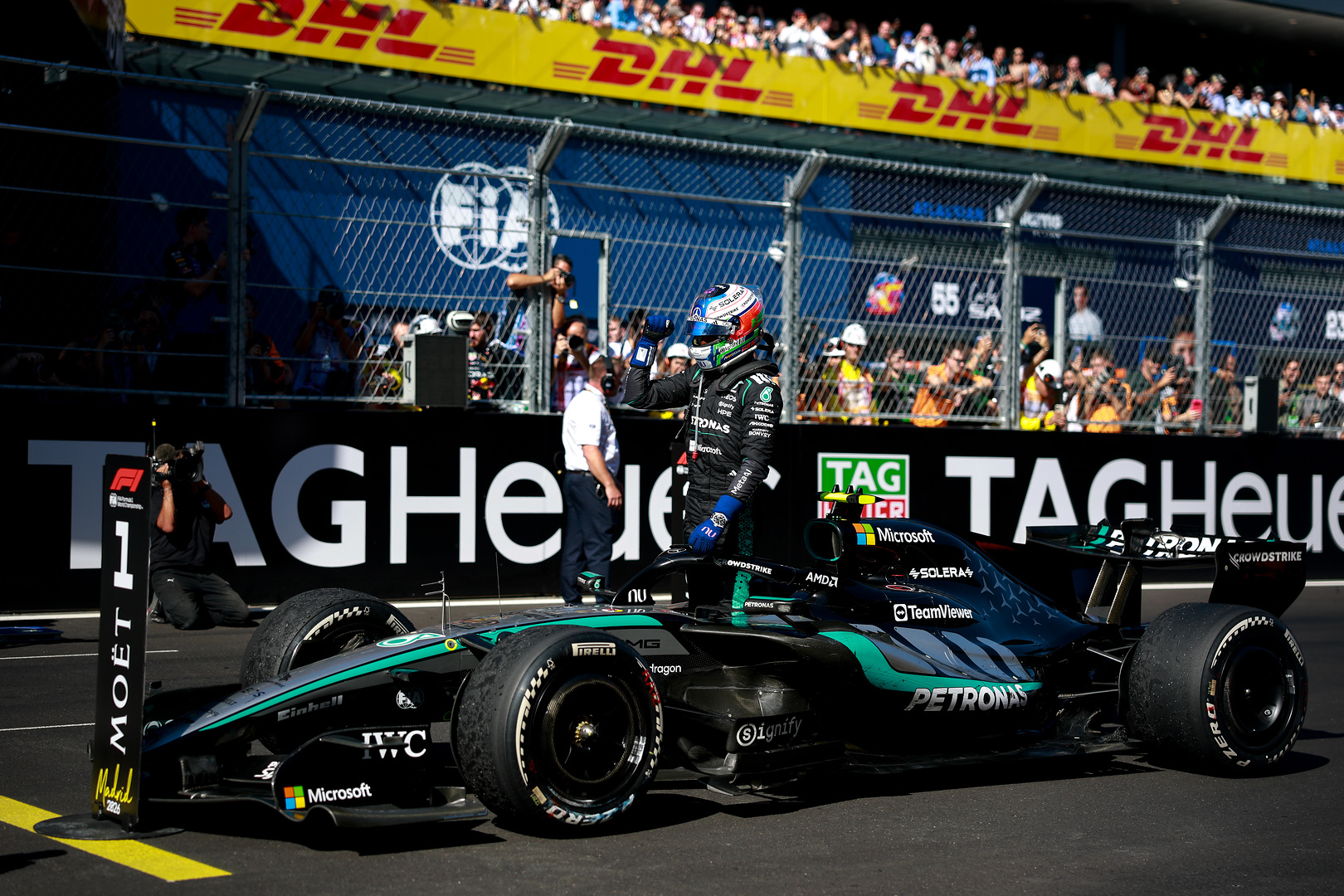
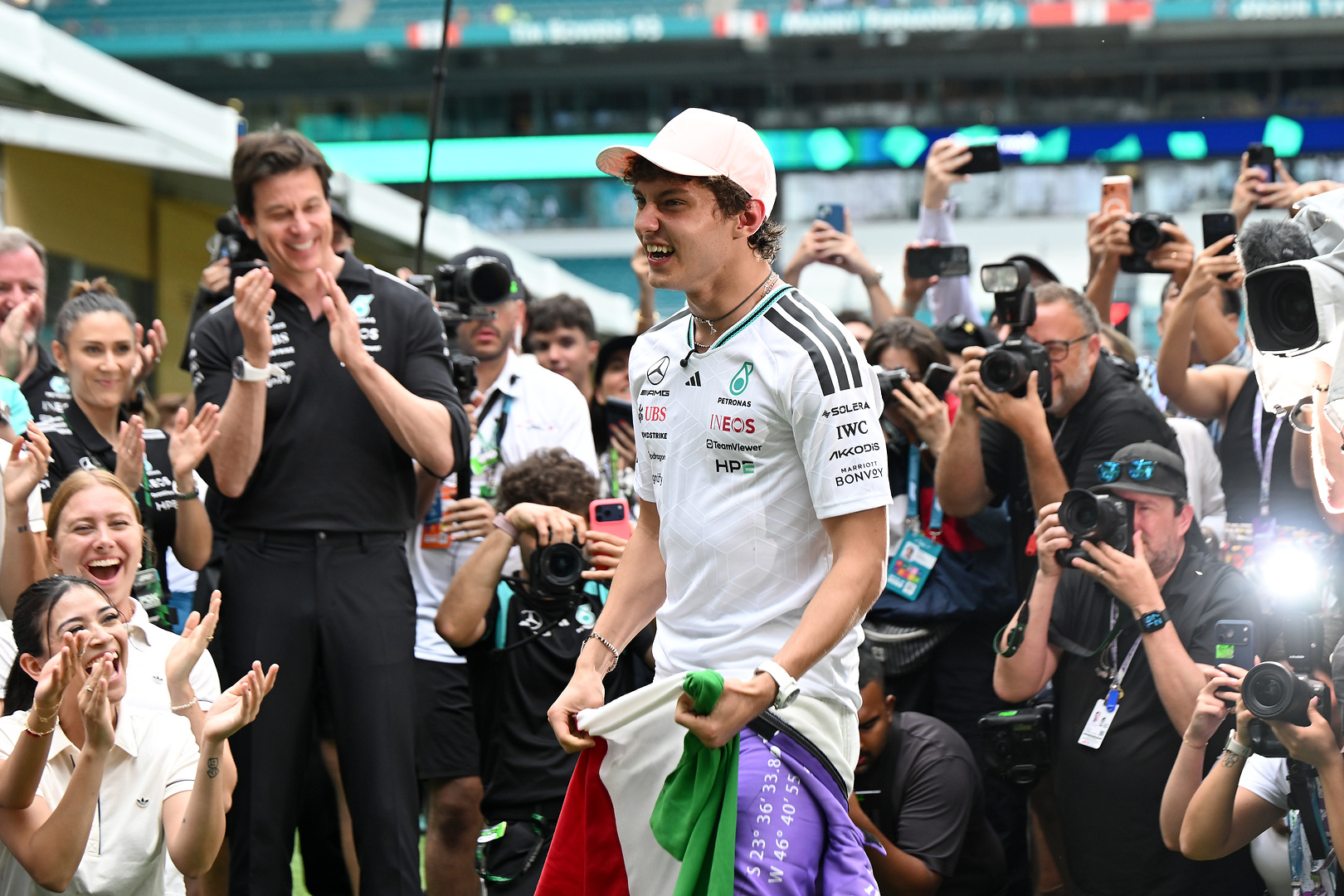
Mercedes Team Principal Toto Wolff has opened up about the impact of the revised energy management requirements on racing, the evolution of the pecking order, and how they turned their race weekend around to overcome McLaren following their fourth win of the 2026 F1 season at the Miami GP on Sunday.
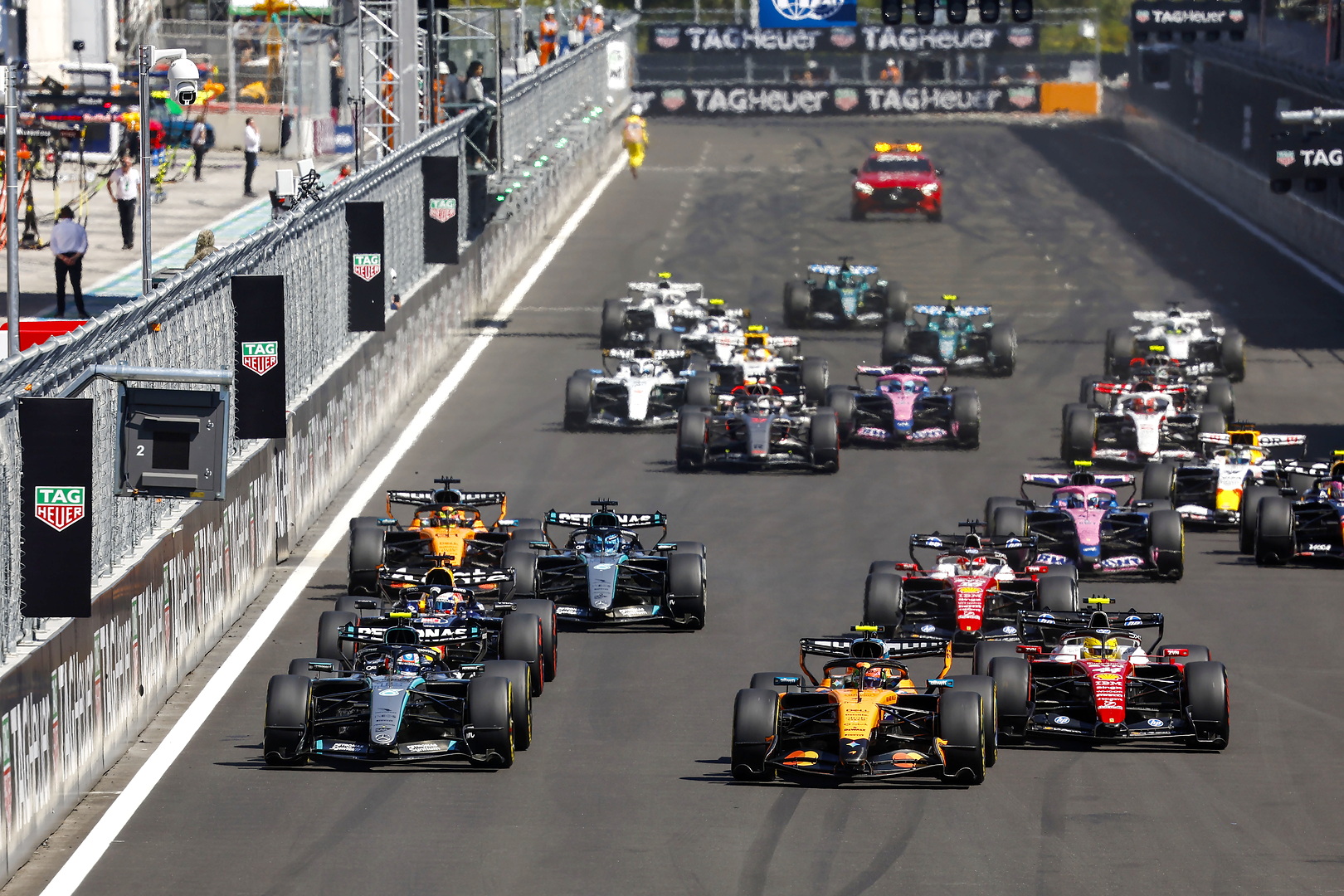
Bouncing back from a difficult sixth-place finish in the Sprint race, Kimi Antonelli edged out Max Verstappen in the Grand Prix qualifying session and secured his third consecutive pole position of the campaign.
After surviving a tricky getaway yet again and resisting pressure from Lando Norris in the latter half of the race, the young Italian emerged victorious for the third time in 2026 to extend his championship lead to 20 points.
Meanwhile, George Russell struggled throughout the race weekend in comparison to his teammate. While he managed to claim a P4 finish in the Sprint, Saturday’s qualifying saw him only set the fifth-fastest time of the session.
Lacking the pace to challenge the frontrunners at the Miami International Autodrome, the Brit battled and passed the early-stopping Verstappen in the closing stages before taking P4 from Charles Leclerc on the final lap.
Despite currently holding 70- and 86-point leads over Ferrari and McLaren, respectively, in the F1 Constructors’ Championship, the Brackley-based squad certainly cannot rest easy.
Powered by the Mercedes engines, McLaren not only secured three podiums in total in the last two Grands Prix but were also in contention for victory. Additionally, the Woking-based outfit brought home a comfortable 1-2 finish in the Sprint race in Miami, suggesting they have finally got on top of the power unit quirks and unlocked the MCL40’s potential.
Wolff on how the new energy equations impacted racing in Miami
Speaking in a print media session after the F1 race, Toto Wolff shared his thoughts on whether the recent tweaks to the 2026 technical regulations slimmed down the deficit between Mercedes and their rivals during the Miami GP weekend.
Making it abundantly clear that he wouldn’t entertain any criticisms about the nature of the racing the Miami GP produced, the Austrian conceded that the characteristics of the circuit made it easier to accommodate the new energy management parameters. Emphasising that not all races can be equally sensational, he nonetheless hailed Sunday’s race as a great promotion for F1.
“I mean, if there’s one single person that complains about the race today, I think they should hide, honestly.
“Now, obviously this track is a little bit easier; it’s not so energy-starved. But there’s good games and there’s bad games. So, I think that was great advertising for Formula 1.”
Wolff discusses where Mercedes stand in the pecking order after Miami GP
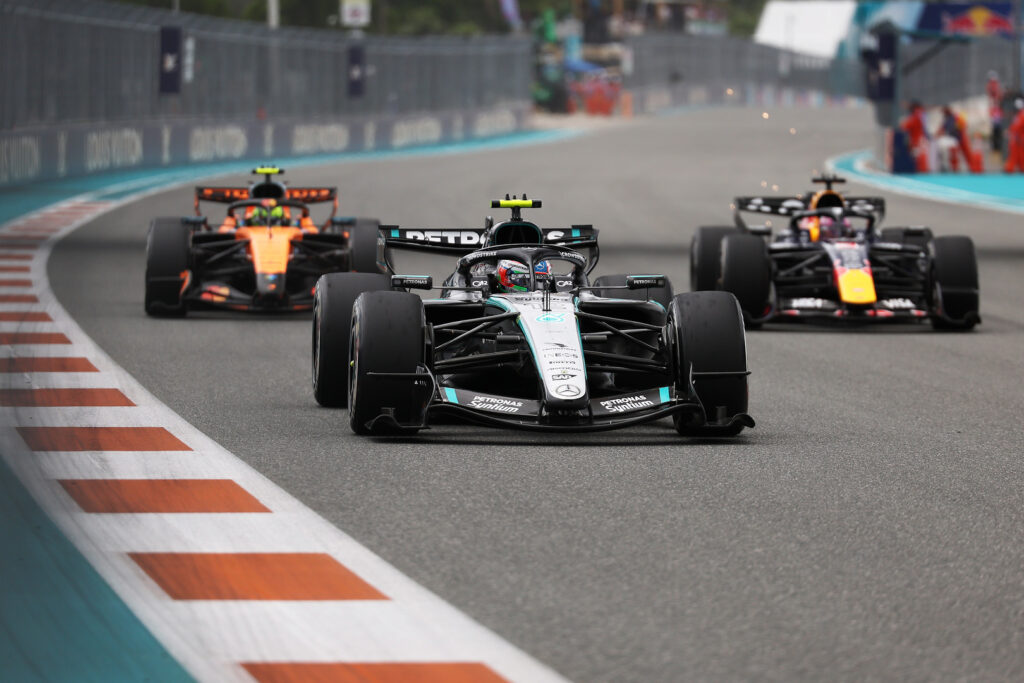
In terms of the pecking order following Sunday’s GP, Toto Wolff claimed that the momentum swung away from Mercedes in Miami—the fourth round of the 2026 season. Highlighting the strong pace McLaren demonstrated during the race weekend, he also surmised that Red Bull, had they not been forced to adopt a suboptimal strategy after Verstappen’s spin, would’ve also posed a threat to Antonelli’s victory.
Noting how the development race will be considerably tight throughout the 22-race F1 season, the Mercedes Team Principal also underscored the importance of timely upgrades and stated that they are eager to see how their first big upgrade package fares in Canada.
“When it comes to the competitive order, it swung.
“We are still holding on to it, but the McLarens have made a big step. Red Bull in pure pace, massive yesterday in qualifying, and I guess the strategy today didn’t really play well for them. And in that respect, it wasn’t easy at all today.
“So, we just got to keep developing, because this is a development race throughout the season, and see how our upgrades are going to work in Montreal.”
How Mercedes bounced back after the Sprint race
Asked how Mercedes managed to turn their 2026 Miami GP race weekend around after McLaren claimed the Sprint pole and the win in the 19-lap race on Saturday, Toto Wolff revealed that they were too heavy-handed with their power unit settings, resulting in a loss of several tenths in the first sector relative to the reigning constructors’ champions.
Furthermore, the 54-year-old explained that the adjustments they made to their energy management system after the Sprint allowed Antonelli to come out on top in the Grand Prix qualifying and the 57-lap race the next day.
“I think that we over complicated our lives with where we wanted to put the car in the power unit and in terms of energy management. And we realised that we just needed to go back to something more conventional.
“You know, we lost 3-4 tenths against McLaren, most of the others in sector 1. We fixed that and that brought the performance back.”