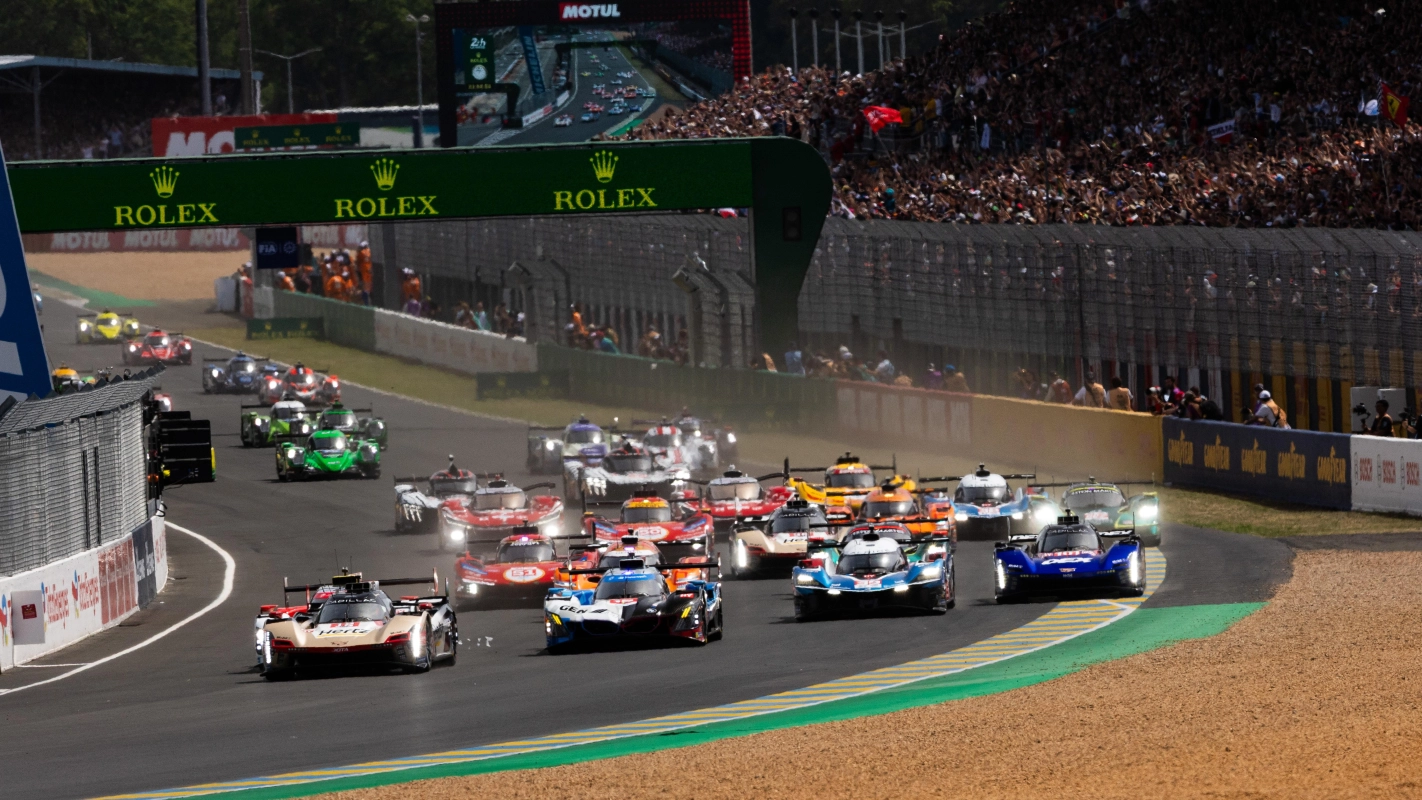
The FIA has clarified that its promoter agreement with the Automobile Club de l’Ouest (ACO) regarding the World Endurance Championship (WEC) remains in place through the end of 2027, responding to reports that the two organisations could separate as early as next season.
German publication Auto Motor und Sport reported on Thursday that the FIA and ACO had yet to agree terms governing the future promotion of the FIA World Endurance Championship and suggested the governing body could eventually seek a new promoter.
However, the FIA has now stated that the existing agreement remains valid throughout the 2027 season. The organisation added that discussions with the ACO concern an extension beyond that point rather than the immediate future of WEC. Motorsport.com reported the clarification on Friday.
WEC has also responded, describing the discussions between the FIA and ACO as constructive and focused on the championship’s long-term future beyond 2027.
FIA confirms promoter agreement through 2027
The FIA’s statement directly addresses one of the central claims surrounding the reported disagreement.
Auto Motor und Sport had suggested that no agreement was in place for the promotion of WEC in 2027 and that the FIA could potentially launch a tender for another promoter. Such a move would have raised major questions over the future relationship between WEC and the 24 Hours of Le Mans, which remains owned and organised by the ACO.
The FIA has now made clear that no such immediate gap exists.
“The FIA World Endurance Championship has enjoyed sustained growth since the introduction of the Hypercar and LMGT3 regulations, competing this season across seven countries,” the FIA said in a statement issued to Motorsport.com.
The governing body credited the championship’s recent expansion to the cooperation between all of the organisations and participants involved in WEC.
“This achievement is the result of extensive collaboration between drivers, teams, manufacturers, the FIA, the ACO, the promoter LMEM and the millions of fans who follow the championship.
“The FIA and ACO are continuing discussions regarding an extension of the promoter agreement. The current agreement with ACO remains in place until the end of 2027.”
That final clarification significantly changes the immediate outlook. The question is no longer whether WEC has an organiser secured for next season, but what the relationship between the FIA and ACO will look like from 2028 onwards.
WEC says talks concern future beyond 2027
WEC issued its own response and similarly stressed that the FIA and ACO continue working together.
The championship highlighted the long-standing relationship between the organisations, which jointly launched the modern WEC in 2012 following the Intercontinental Le Mans Cup.
“The ACO and the FIA have been working closely together for many years on the development of the FIA WEC, which was created in 2012,” the WEC said in a statement issued to Motorsport.com.
The series also pointed to the growth it has experienced during the Hypercar and LMGT3 era, with manufacturer participation and interest increasing significantly in recent seasons.
“This longstanding cooperation has supported the growth and global profile of the world championship, which is currently experiencing particularly strong momentum, with growing interest from manufacturers, teams, partners, media and fans.
“Against this backdrop, the ACO and the FIA are currently engaged in discussions regarding the future of the FIA WEC beyond 2027.
“These discussions are progressing as planned, in a constructive spirit and with a shared commitment to preparing the future of the world championship. Both organisations remain fully committed to their collaboration and are working together to ensure the continued development and long-term success of the FIA WEC.”
The wording places particular emphasis on the period beyond 2027 and stops short of suggesting that either organisation intends to end the partnership.
2027 WEC calendar remains unaffected
The clarification also reinforces the status of the already-announced 2027 calendar.
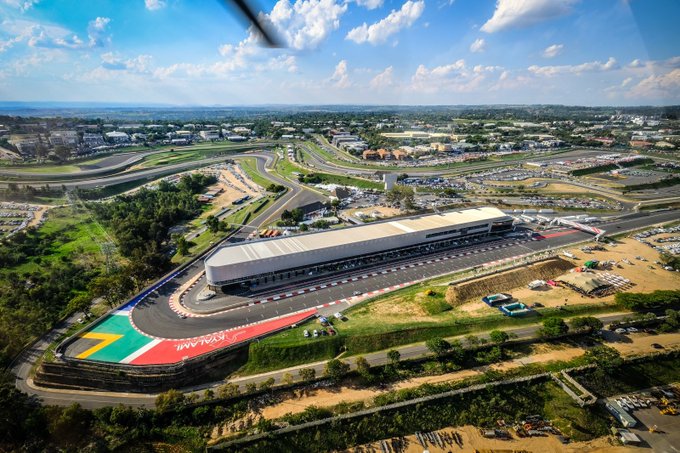
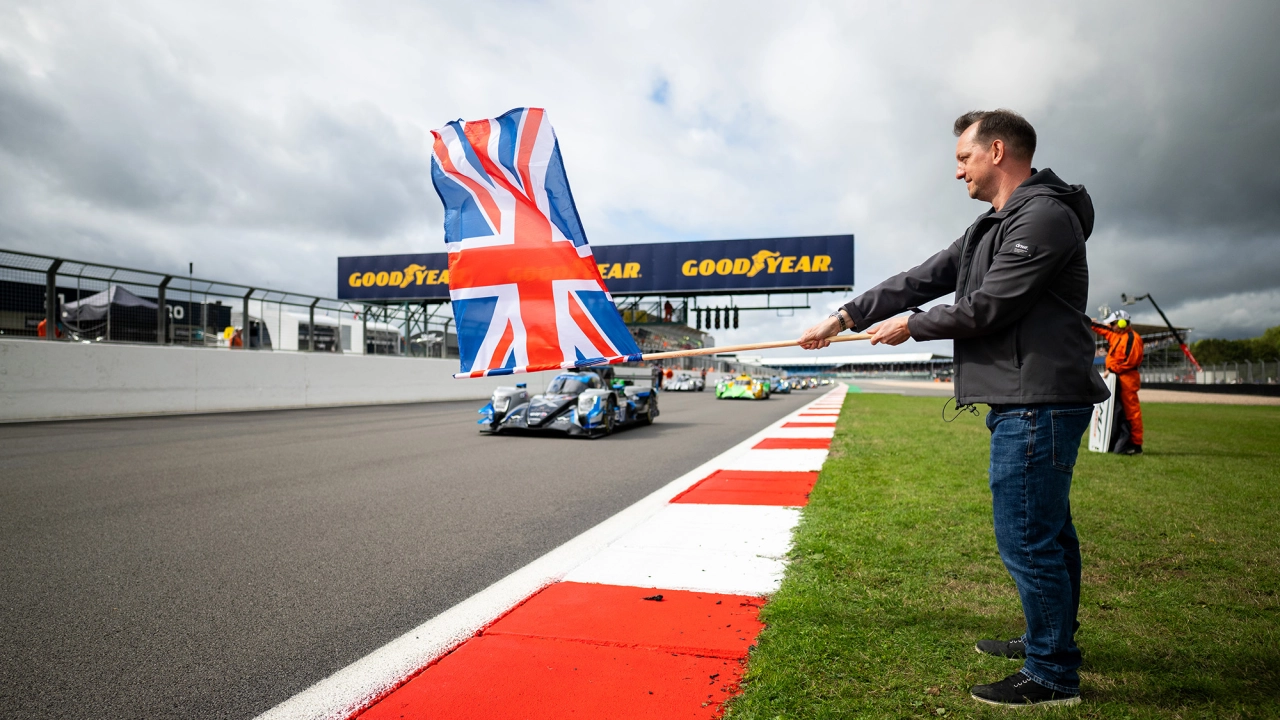
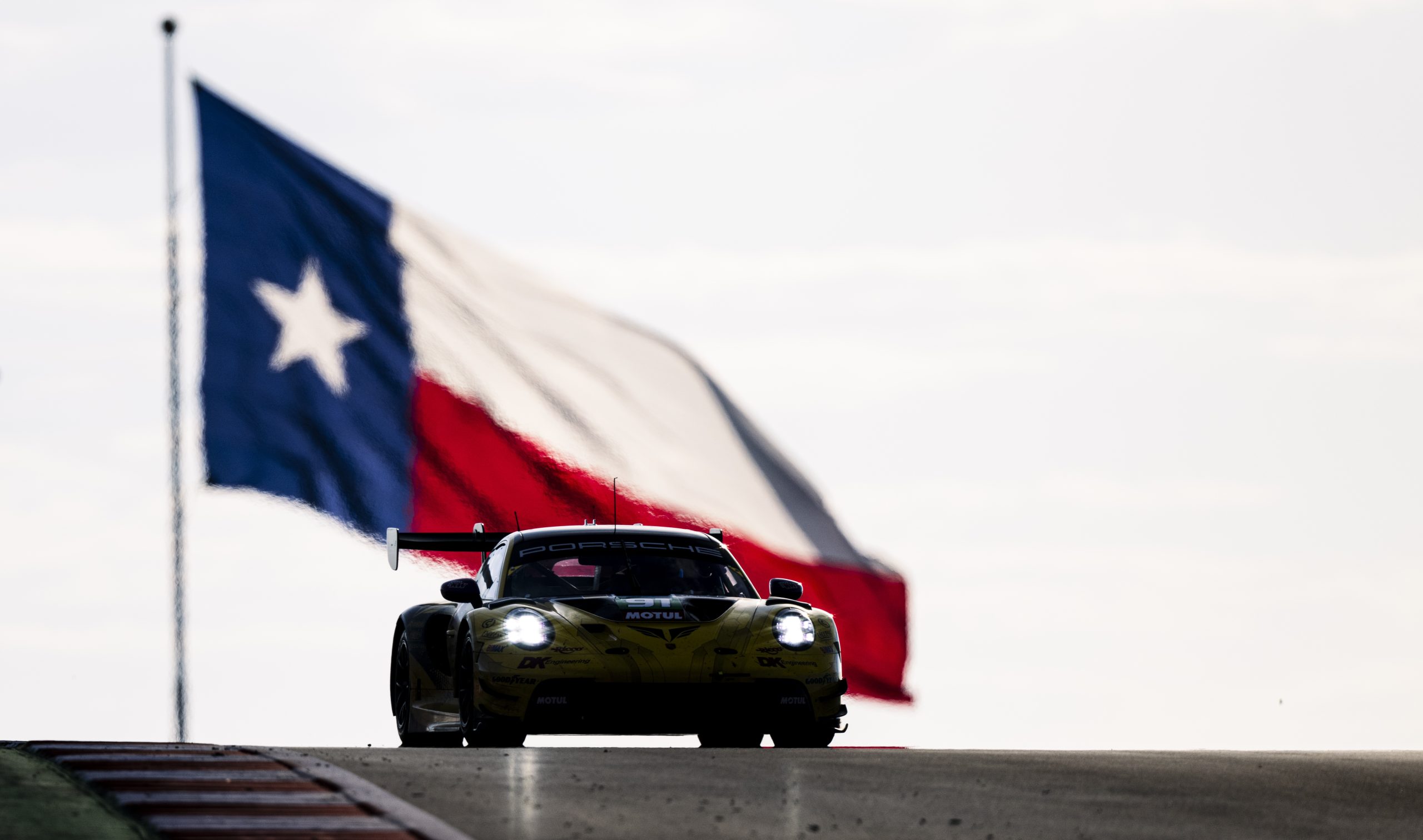
WEC will expand to nine rounds next season, with Silverstone returning to the championship alongside Qatar, Imola, Spa-Francorchamps, Le Mans, São Paulo, COTA, Fuji and Bahrain. The FIA World Motor Sport Council approved that calendar in June.
The 24 Hours of Le Mans therefore remains firmly embedded in the championship structure for next season.
That is significant because much of the concern surrounding the initial report stemmed from the possibility of the FIA appointing a new promoter without securing continued involvement from the ACO. Since the ACO owns Le Mans, a complete split could theoretically have separated the French endurance classic from WEC.
For 2027, the FIA’s statement removes that immediate concern.
Report had raised possibility of WEC without Le Mans
The original Auto Motor und Sport report attracted attention because of the structural relationship between the championship and its flagship event.
WEC carries FIA world championship status, while Le Mans Endurance Management, an ACO subsidiary, handles the promotion and organisation of the series. The ACO independently owns the 24 Hours of Le Mans.
If the two organisations eventually failed to agree terms beyond 2027, the FIA could theoretically continue WEC under another promoter while the ACO retained control of Le Mans.
That possibility has not disappeared entirely, because the long-term agreement still needs to be resolved. However, it now concerns 2028 and beyond rather than next season.
For manufacturers already preparing 2027 Hypercar programmes, that distinction is considerable.
Hypercar growth strengthens importance of long-term agreement
The timing of the negotiations comes during one of WEC’s strongest periods of manufacturer involvement.
The Hypercar class has expanded rapidly since the introduction of convergence between LMH and LMDh machinery, while the switch from LMGTE Am to LMGT3 has broadened participation further.
McLaren and Ford will join the Hypercar field in 2027, strengthening an already substantial group of manufacturers competing at the top level.
That growth has also increased the importance of stability between the FIA and ACO. Manufacturers have committed programmes around a structure that combines FIA world championship status with the opportunity to compete for overall victory at Le Mans.
The existing agreement now ensures that framework remains intact through at least the end of next season.
2030 regulations remain another important consideration
The reported disagreement had also raised questions about the technical direction of global prototype racing.
Only three months ago, the FIA, ACO and IMSA outlined the broad framework for new top-class regulations from 2030. The three organisations agreed in principle on a more unified structure designed to continue the convergence that has helped fuel the current endurance racing boom.
That cooperation remains particularly important because the modern Hypercar field combines LMH and LMDh machinery under a common Balance of Performance framework.
The FIA and ACO continuing discussions over their long-term commercial relationship does not currently affect those regulations, and no organisation has suggested otherwise.
Nevertheless, the negotiations over WEC’s future beyond 2027 will remain significant because of how closely the championship’s sporting, technical and commercial structures are intertwined.
Focus shifts from 2027 to longer-term WEC future
The FIA’s response removes much of the immediate uncertainty created by the initial report.
There is an agreement governing WEC promotion through the end of 2027, the championship’s nine-round calendar remains in place and Le Mans continues as its centrepiece.
What remains unresolved is the longer-term arrangement beyond next season.
Both the FIA and WEC have confirmed that discussions with the ACO are ongoing, while the championship has characterised those talks as constructive rather than adversarial.
That does not guarantee that the existing structure will continue indefinitely, but it does mean the prospect of a WEC without Le Mans in 2027 no longer reflects the position outlined publicly by the organisations involved.
For now, the more significant question concerns how the FIA and ACO shape their partnership from 2028 onwards as WEC enters another period of manufacturer growth and prepares for a new generation of top-class regulations.