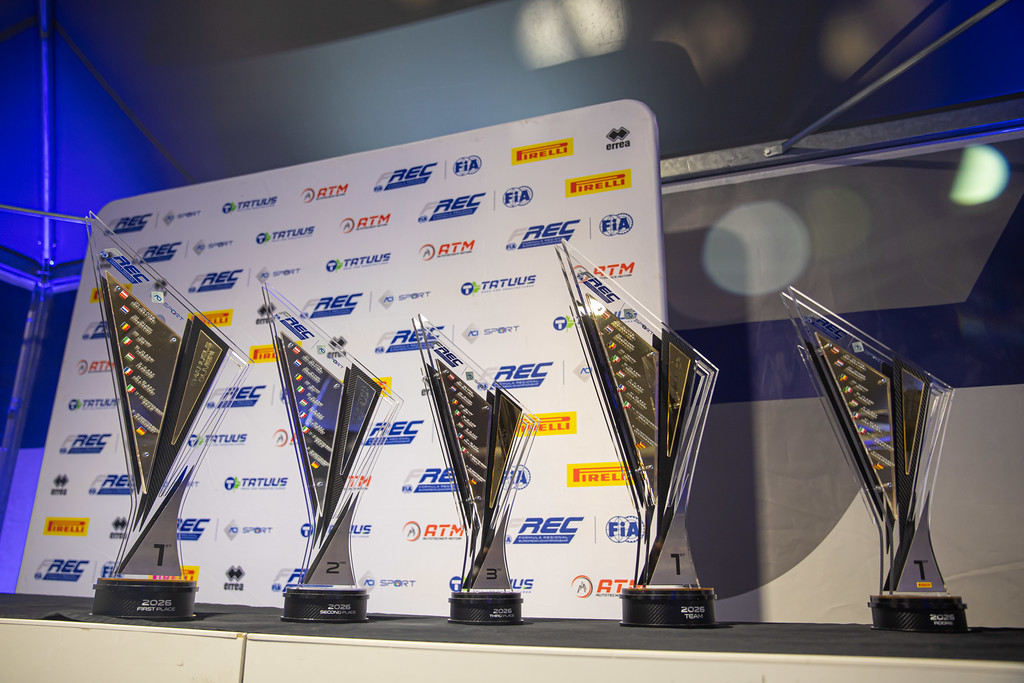
The 2026 FIA Formula Regional European Championship (FREC) produced one of the most unpredictable seasons in the category’s recent history. Eleven drivers representing eight different teams won races, five drivers led the championship at some stage, and four remained mathematically capable of taking the title when the field arrived at Hockenheim for the finale.
Yet five drivers stood out most clearly across the complete campaign. Emanuele Olivieri ultimately combined progression, consistency and composure to take both the overall and Rookie titles, while Sebastian Wheldon finished only nine points behind despite winning more races than anyone else. Kean Nakamura-Berta frequently set the Qualifying benchmark, Rashid Al Dhaheri spent significant portions of the year at the head of the standings, and Reno Francot turned CL Motorsport into an early championship force.
Unlike the first-half ranking, where Wheldon led the way after four rounds, the final order rewards what each driver achieved across the complete eight-round campaign. Some peaked higher, some won more often and others showed stronger raw pace, but the decisive factor is how effectively they converted those strengths across the season.
1. Emanuele Olivieri: From difficult opener to double champion
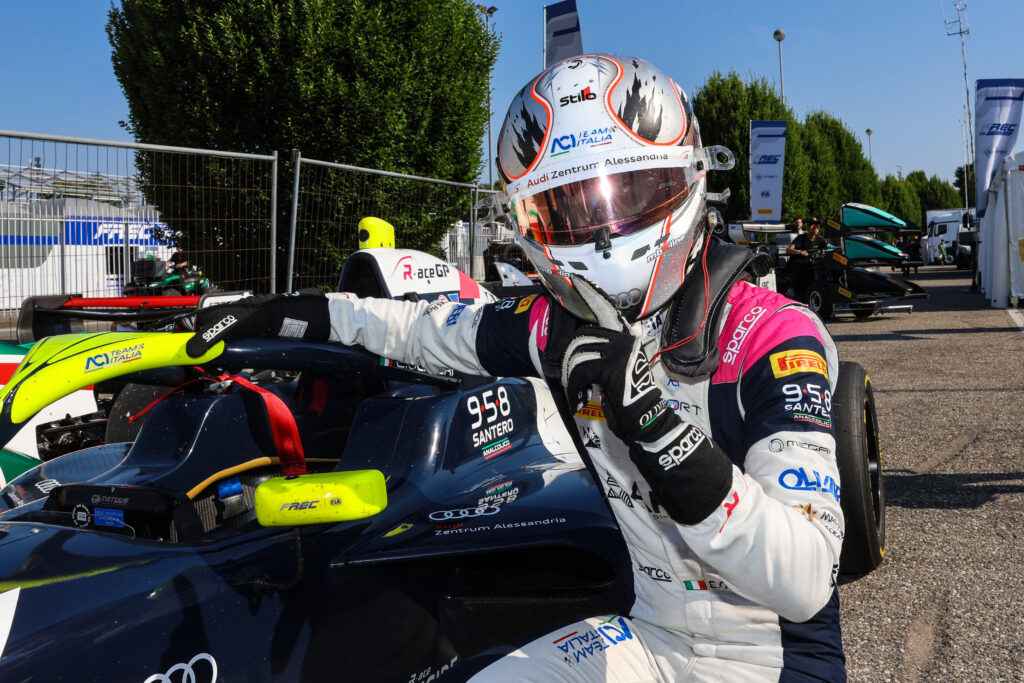
Olivieri earns first place because his season developed more convincingly than anyone else’s. The R-ace GP rookie began the year with only four points at Spielberg after a difficult opening weekend that included a stalled start. Months later, he left Hockenheim as both the Drivers’ and Rookie champion on 218 points.
His progression mattered as much as the final result. At Zandvoort, Olivieri responded immediately to his difficult opener with his first overall podium. Spa showed more pace without the results to match, but Monza changed the direction of his campaign. He finished second in Race 1 before claiming his maiden pole and converting it into his first FREC victory in Race 3.
From that point, Olivieri rarely disappeared from the championship conversation. Second place at the Hungaroring kept him moving forward, while two more runner-up finishes at Paul Ricard transformed him from an impressive rookie into a genuine title contender. He entered the summer break only 20 points behind championship leader Nakamura-Berta despite never having led the standings.
Imola produced his defining weekend. Olivieri arrived fourth in the championship and left with a 20-point lead after winning Race 1, securing the Rookie crown and adding second in Race 3. His ability to maximise the weekend while Wheldon, Nakamura-Berta and Al Dhaheri all lost ground created the decisive championship swing.
Hockenheim then tested a different quality. First-lap contact with Wheldon eliminated Olivieri from Race 1 and reduced his advantage dramatically, with Nakamura-Berta moving to within seven points before the finale. Olivieri did not respond by overdriving. Instead, he finished second behind Wheldon in the final race and secured the championship by nine points.
The Italian did not win as often as Wheldon, nor did he dominate Qualifying like Nakamura-Berta. His strength came from building his season. Nine podiums, two victories and a late run of relentlessly strong results allowed him to overcome the weakest start of the four title contenders.
That makes him the standout driver of 2026. Olivieri did not begin the season as the obvious benchmark, but by the final rounds he had developed into the most complete championship performer.
2. Sebastian Wheldon: The season’s most prolific winner
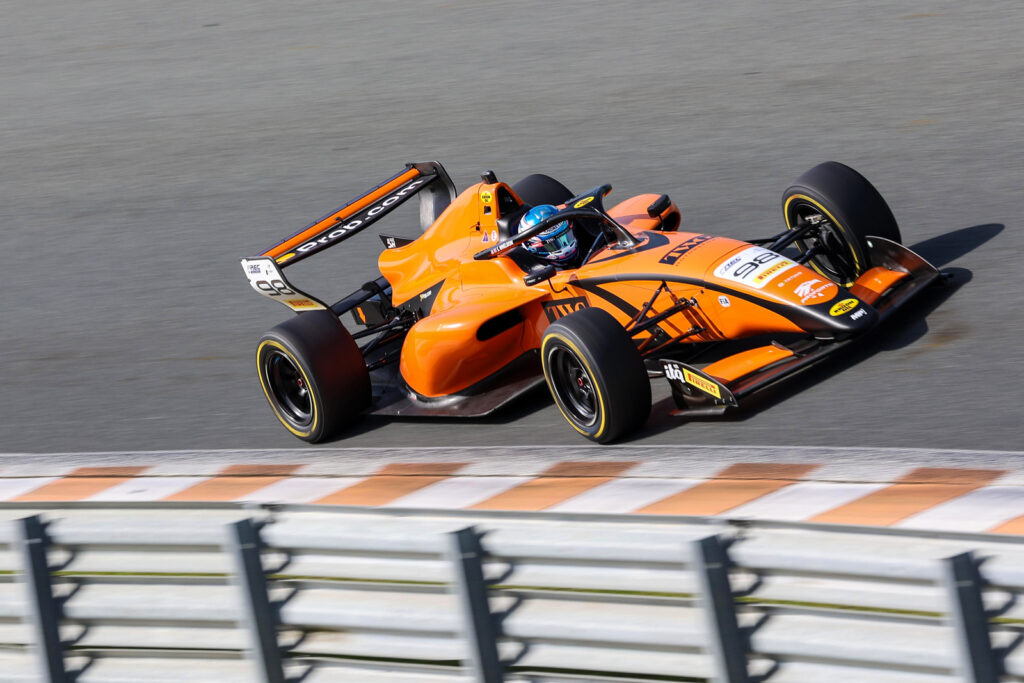
Wheldon ranks second because no other driver combined outright winning pace with championship contention quite as frequently. The MP Motorsport driver ended the season on 209 points, only nine behind Olivieri, and his four victories represented the highest total of any driver in 2026.
His defining statement arrived early. Wheldon entered Zandvoort fourth in the standings and left as championship leader after completing a clean sweep of the two races. He converted pole into his maiden victory in Race 1, then beat Nakamura-Berta in a tense second contest to become the first multiple winner of the season.
Those performances established the level Wheldon could reach when a weekend came together. His speed rarely disappeared, but his championship suffered through inconsistency around those peaks. Spa brought fifth and 10th, while Monza included a costly pair of penalties that dropped him from second on the road to 20th in Race 2.
The Hungaroring created an even larger setback. Wheldon arrived as championship leader but retired from both races and left Hungary third in the standings. That double non-score mattered enormously in a season eventually decided by nine points.
However, his response strengthens his place on this list. Wheldon returned to victory at Paul Ricard and went into the summer break level with Al Dhaheri and only 13 points behind Nakamura-Berta. Although a difficult Imola weekend allowed Olivieri to create a 20-point advantage, the American refused to disappear from the fight.
At Hockenheim, Wheldon produced arguably his strongest Qualifying performance under the greatest pressure. He took both pole positions and won the final race, forcing Olivieri to finish second to guarantee the championship. His fourth victory also lifted him past Nakamura-Berta into second in the final standings.
There is a reasonable argument that Wheldon possessed the highest peak performance of the season. Zandvoort was the only complete double-win weekend, and he won more races than the eventual champion. What keeps him behind Olivieri is the number of points left behind during difficult rounds. The pace was championship worthy; the consistency fell just short.
3. Kean Nakamura-Berta: The Qualifying benchmark who came within one round of the title
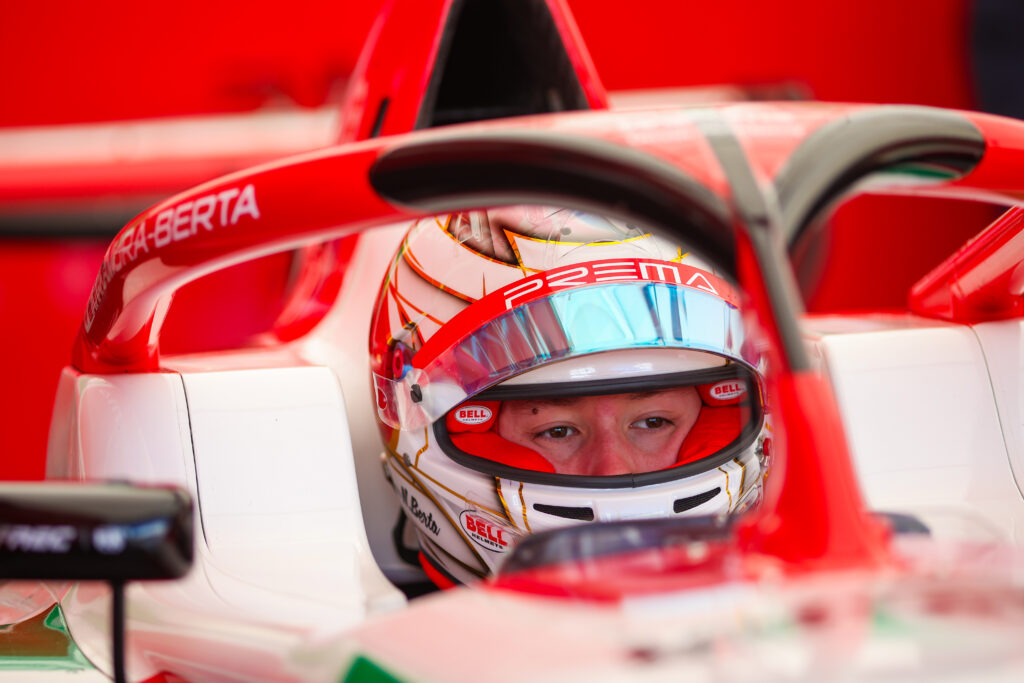
Nakamura-Berta takes third because he spent much of 2026 looking like the driver most capable of controlling a weekend from the front.
The PREMA Racing driver immediately set that tone at Spielberg by claiming both pole positions and winning the opening race. His one-lap speed remained a defining feature throughout the campaign, and by Paul Ricard he had accumulated five pole positions.
His strongest weekends showed why he remained in the title fight until the final race. Nakamura-Berta won at Spielberg, Monza and Paul Ricard, giving him three victories. His Monza Race 1 performance briefly moved him into the championship lead, while victory from his fifth pole at Paul Ricard returned him to first before the summer break.
His championship weakness was not a lack of pace but an inability to consistently convert it. Zandvoort included lost points despite another pole position, while his Monza retirement allowed Wheldon to reclaim the championship lead. Other weekends produced enough points to keep him close without fully exploiting the performance available.
Even so, Nakamura-Berta arrived at Imola leading the standings on 172 points. The top four sat within only 20, but he held the strongest position after six rounds.
Imola ultimately changed his season. While Olivieri scored heavily, Nakamura-Berta collected only three points and dropped from first to third. Hockenheim offered one final opportunity when his Race 1 runner-up finish moved him to within seven points of Olivieri, but contact with Jan Przyrowski in the finale dropped him backwards while Olivieri moved into the title-winning second place.
He still finished third with 201 points, only 17 behind the champion. That margin demonstrates how close his campaign came to succeeding despite several costly weekends.
Nakamura-Berta therefore ranks behind Wheldon because the American ultimately won more often and finished ahead in the standings. Yet if this ranking focused purely on Qualifying speed and the ability to put a car at the front, Nakamura-Berta would have a strong case for first.
4. Rashid Al Dhaheri: The early consistency benchmark
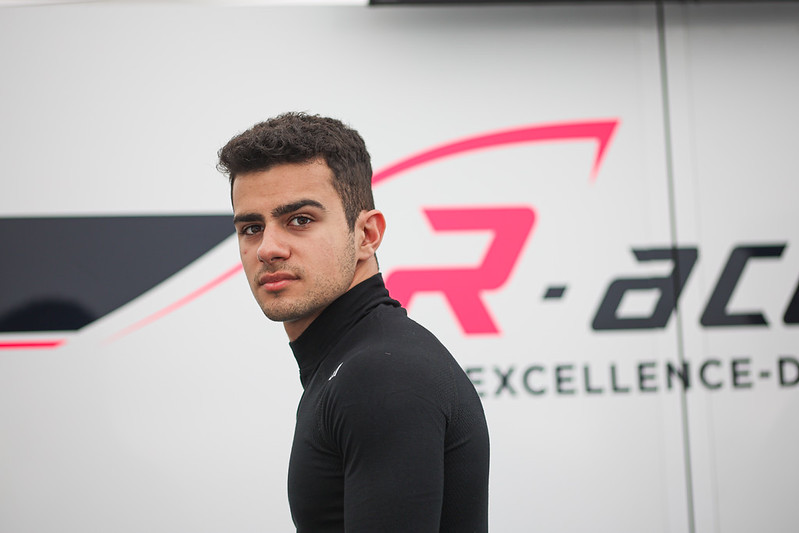
Al Dhaheri ranks fourth despite spending more time leading the championship than eventual champion Olivieri.
The R-ace GP driver established himself immediately at Spielberg, where he fought Nakamura-Berta for the opening victory before finishing second and later inherited the reverse-grid win. He continued scoring strongly through Zandvoort before two podiums at Spa moved him one point clear of Wheldon and into the championship lead.
That early consistency distinguished Al Dhaheri. While Wheldon and Nakamura-Berta often produced the more obvious headline performances, Al Dhaheri kept accumulating points even when he did not possess the outright fastest package.
Monza brought another victory after a difficult opening race, but the Hungaroring represented his strongest weekend. Al Dhaheri topped the early running, secured pole and then controlled Race 2 from start to finish for his third win of the season. He left Hungary with a 21-point championship advantage over Nakamura-Berta.
At that stage, he looked increasingly difficult to dislodge. The problem was what followed.
Paul Ricard began with opening-lap contact involving teammate Olivieri, while Nakamura-Berta won and took over the championship lead. Al Dhaheri recovered points in Race 2 but entered the summer break tied with Wheldon and 13 points behind first.
Imola then damaged his challenge further. A Race 1 retirement came at exactly the wrong moment as Olivieri surged forward, and sixth and 10th in the remaining races could not prevent the gap from growing. He arrived at Hockenheim still mathematically alive but 35 points behind.
Al Dhaheri nevertheless deserves fourth because he was a genuine championship contender from the opening round to the finale. Three victories, repeated championship leads and his role as a benchmark within the title-winning R-ace GP structure gave him a more complete season than anyone outside the final top four.
His campaign simply peaked too early. While Olivieri improved as the year developed, Al Dhaheri’s strongest phase came in the middle of the season before the final rounds moved away from him.
5. Reno Francot: The surprise early leader who remained best of the rest
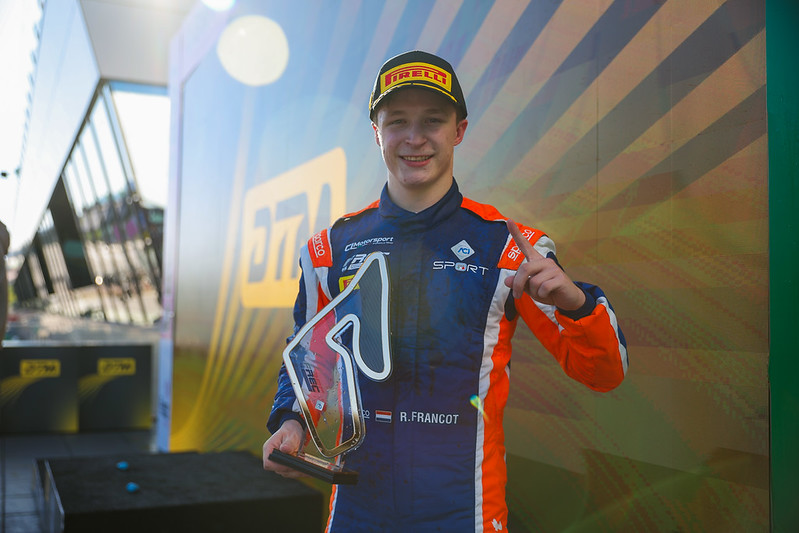
Francot completes the top five because his season showed how much a driver can achieve by maximising opportunities outside the championship’s three leading teams.
CL Motorsport did not possess the depth of R-ace GP, MP Motorsport or PREMA Racing, yet Francot left the opening round as championship leader.
His Spielberg weekend provided one of the season’s earliest surprises. After scoring strongly in the opening races, Francot controlled a Race 3 interrupted by four Safety Cars and secured victory. Nakamura-Berta’s retirement helped his championship position, but Francot still had to execute every restart correctly and avoid the incidents affecting much of the field. The result placed him first in the standings on 43 points.
Zandvoort proved that performance was not a one-weekend anomaly. Francot finished fourth in Race 1 and third in Race 2, leaving the Netherlands second in the championship behind Wheldon on 70 points.
His title challenge gradually faded from there. Spa did not deliver the same return, while Monza produced only four points and allowed the leading group to move away. By the midpoint, Francot remained fifth but already sat 47 points behind Wheldon.
That decline prevents him from challenging the top four in this ranking, but his later season still contained enough quality to justify fifth. Francot returned to the podium twice at Imola, finishing third in both Races 2 and 3, and ultimately secured fifth in the championship with 123 points.
More importantly, he remained comfortably ahead of the rest of the midfield. Alexander Abkhazava finished sixth on 100 points, meaning Francot retained a 23-point advantage despite competing for a team that finished fourth in the Teams’ Championship.
His season lacked the sustained title threat of Olivieri, Wheldon, Nakamura-Berta and Al Dhaheri, but Francot deserves recognition for turning CL Motorsport into a championship-leading team during the opening phase and remaining the highest-ranked driver outside the three teams that dominated the final standings.
Notable mentions: Bondarev makes an extraordinary late impression
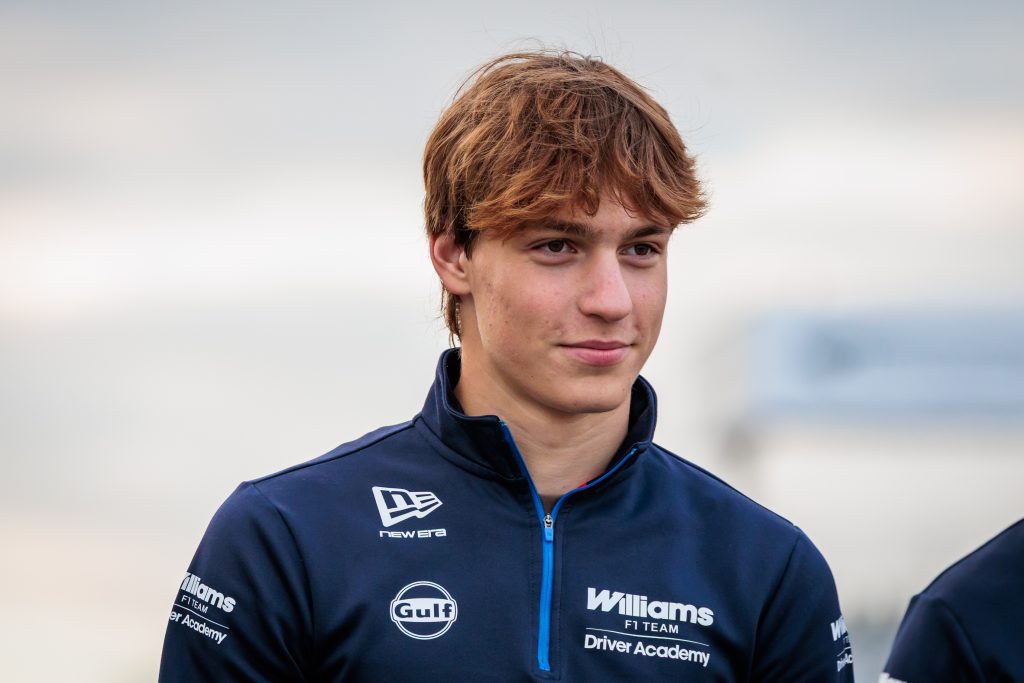
Oleksandr Bondarev presents the most difficult omission from this top five. Had the Ukrainian contested anything close to a full season, he could easily have ranked much higher.
The Van Amersfoort Racing driver made his FREC debut at Imola and immediately looked comfortable at the front. He finished second in Race 2, took pole for Race 3 and then resisted championship leader Olivieri to claim victory.
Bondarev scored 47 points across only the final two rounds and finished 15th in the championship. That tally placed him only one point behind Gabriel Gomez despite contesting a fraction of the races. His Imola weekend ranks among the strongest debuts of the year, but the sample remains too small to place him ahead of Francot over an eight-round season.
Yuki Sano also deserves recognition. He became a race winner at the Hungaroring and contributed significantly to R-ace GP’s Teams’ Championship success. Salim Hanna’s season improved dramatically as it developed, culminating in his maiden victory at Imola, while Alexandre Muñoz, Maksimilian Popov and Jan Przyrowski each converted standout weekends into victories.
Those performances underline why selecting only five drivers proves difficult. The 2026 season produced 11 different winners from eight teams, meaning several drivers delivered weekends worthy of a standout ranking without sustaining that level across the full campaign.
Conclusion: Olivieri’s development separates him from an exceptionally close top four
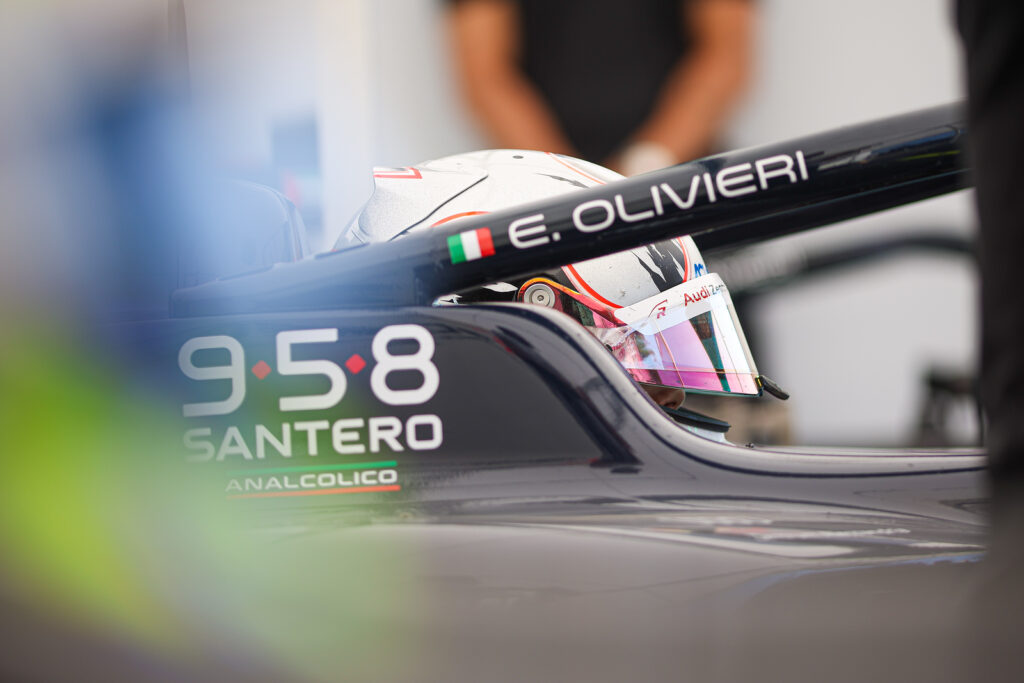
The final championship standings provide the basic order, but they do not fully explain why these five drivers stood out.
Wheldon won more races than anyone else. Nakamura-Berta repeatedly established himself as the Qualifying benchmark. Al Dhaheri combined victories with strong early-season consistency and led the championship at multiple points. Francot took an unexpected early lead and remained the strongest driver outside the main title-fighting teams.
Olivieri ultimately surpassed them because his campaign developed while those around him experienced more damaging fluctuations. He recovered from a four-point opening round, became a race winner at Monza, turned consistent podiums into a title challenge through the middle of the season and then delivered his strongest weekend precisely when the championship demanded it at Imola.
Even his Hockenheim finale reflected that development. After losing his comfortable advantage through a Race 1 retirement, he did not allow the pressure to force an unnecessary mistake. Second place was enough, and he took it.
That composure separates the champion from an extremely close group of rivals. Only 38 points covered Olivieri, Wheldon, Nakamura-Berta and Al Dhaheri after a season in which each looked capable of taking control at different moments.
The first-half ranking placed Wheldon first because he had combined winning pace and recovery most effectively through four rounds. By the end of the year, Olivieri had gone one step further. His progression from difficult rookie opener to overall champion made him the defining driver of FREC’s unpredictable 2026 season.