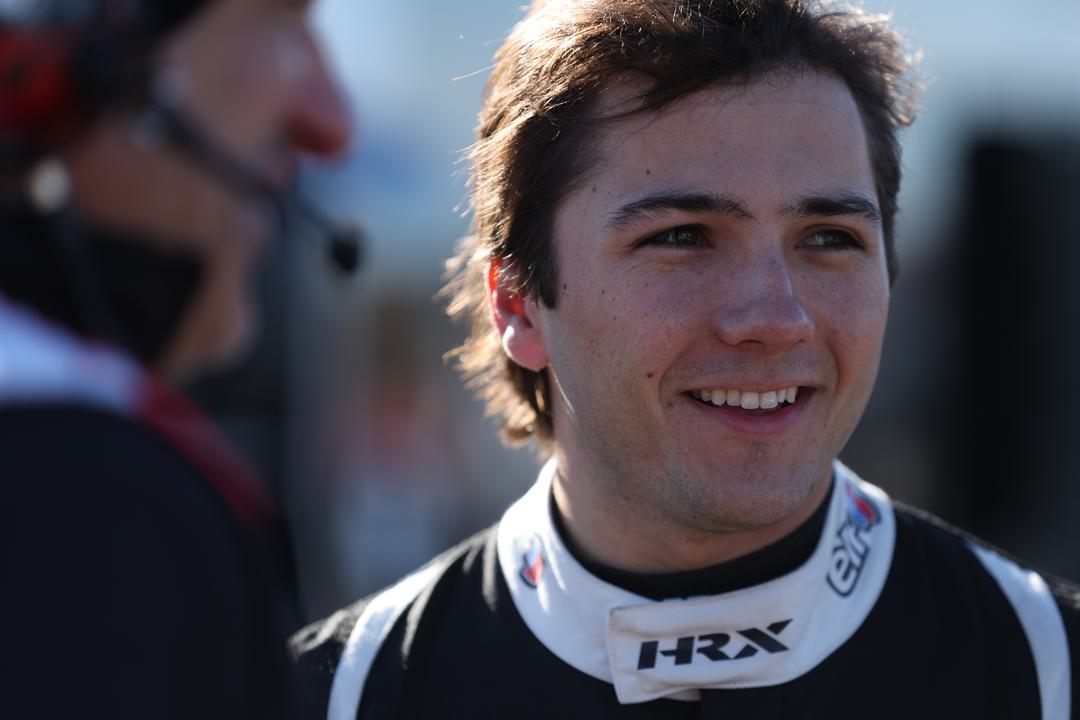
Enzo Fittipaldi drew on his Formula 2 experience to offer Colton Herta clear advice ahead of his European debut.
Few surnames carry more weight in North American motorsport than Fittipaldi. Emerson conquered Indianapolis twice and claimed two Formula 1 world titles. Older brother, Pietro Fittipaldi, followed his grandfather into both F1 and the IndyCar series. Now, at 24, Enzo Fittipaldi takes his own step into that lineage, joining HMD Motorsports for the 2026 Indy NXT season, his first full campaign in American racing.
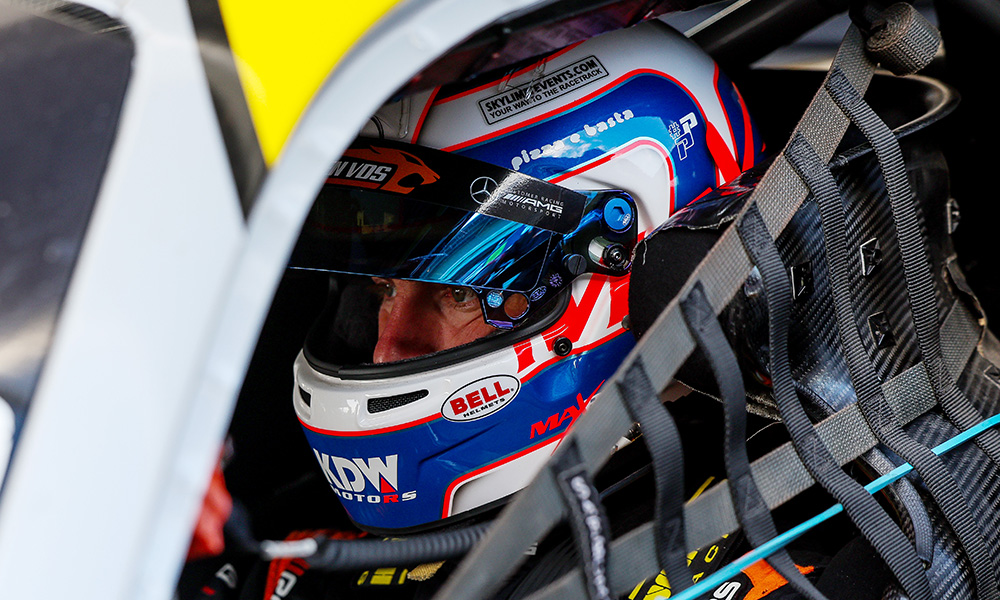
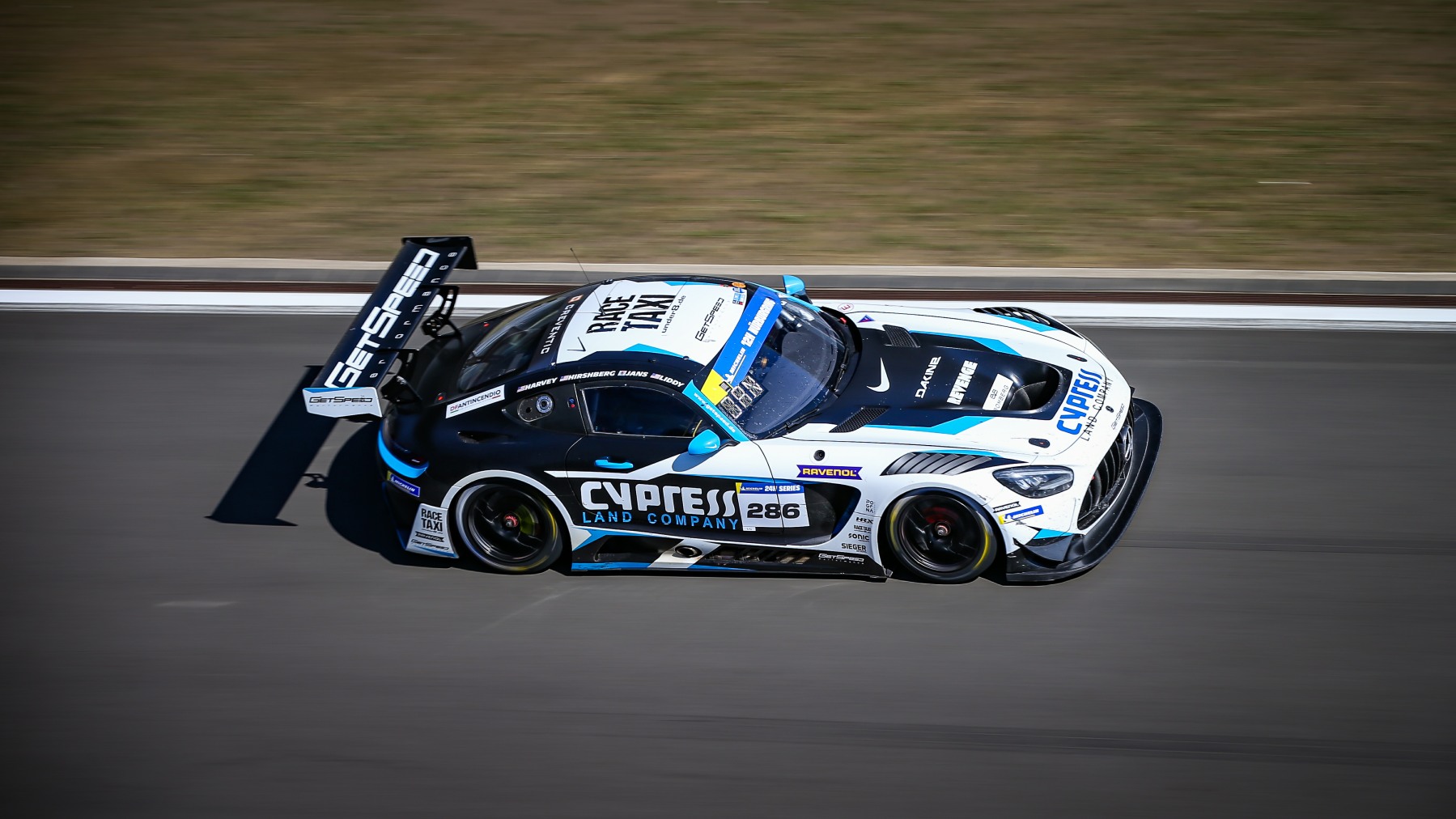
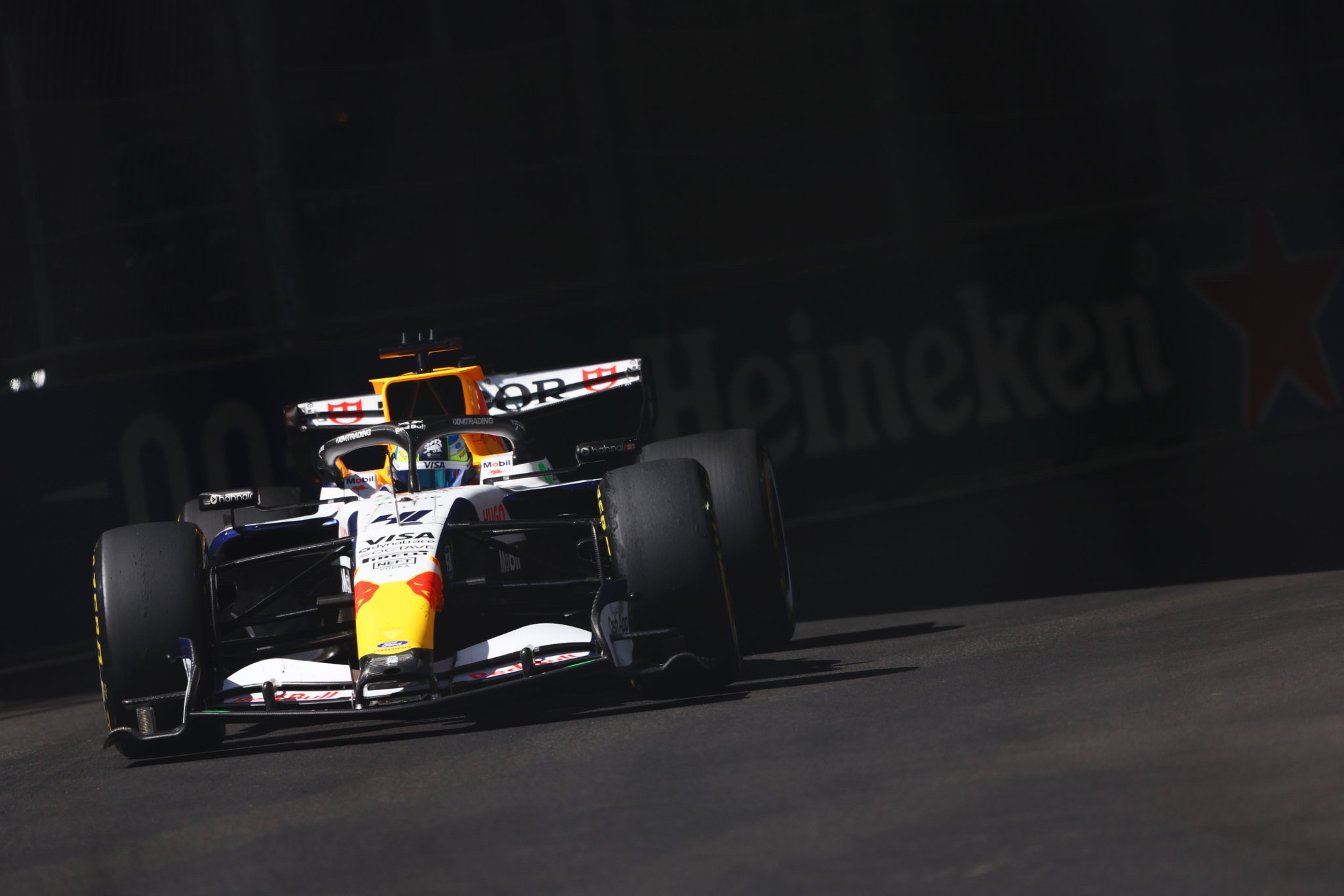
He does not arrive short of credentials. Italian F4 champion, FRECA runner-up under the Ferrari Driver Academy, and a graduate of the Red Bull Junior Team programme, Enzo Fittipaldi earned two wins and 13 podiums across his Formula 2 seasons. The 2025 campaign took him further still, with sportscar outings in the European Le Mans Series with CLX Motorsport, a taste of Formula E machinery with Jaguar, and laps in IndyCar during tests with McLaren.
Ahead of his debut season, Fittipaldi spoke to media, including Pit Debrief, ahead of the new campaign. What followed was a conversation about Colton Herta‘s jump to Formula 2, transatlantic ambition, and the unlikely way that endurance racing changed how he thinks about the sport.
Fittipaldi’s advice to Herta ahead of Formula 2 debut
One of the biggest reveals of the season was Colton Herta’s decision to leave IndyCar and compete in Formula 2, with hopes of securing his FIA super licence and achieving his dream of racing in F1. When asked by Pit Debrief what advice he would give Herta heading into the 2026 Formula 2 season, Fittipaldi was unequivocal: master the tyres.
“I would just tell my advice to Colton [Herta] is to learn how the tyres work because they’re very… I’d say I feel like the working window of the Pirelli tyres in Formula 2 is very small,” Fittipaldi said. “So I feel like the more experience you have on how to bring the tyres in and knowing when the tyres are in the optimal window to do the push lap and qualifying is going to be extremely important and as well with the team supporting him on that is going to be very important.”
Learn to work the tyres
“I think that’s the biggest thing or the biggest difference that I’ve noticed from the U.S. to Europe, definitely the way the tyres are brought up to temperature and the way you push on the tyres,” he explained. “So I feel like with the Firestones here in the U.S. the car accepts a lot more sliding. You can be a lot more aggressive or let’s say a bit more of a wild driving style which I actually enjoy a lot.”
That latitude for self-expression disappears in Formula 2, where a single lapse in smoothness can unravel an entire lap. “In Formula 2 the tyre doesn’t really like it that much when you start slipping the rears or slipping the fronts,” Fittipaldi warned. “You have poor traction out of a slow speed corner in a qualifying lap and the next corner you could be losing the rear on entry because of how you exited the previous corner. So the tyres in Europe are very sensitive. So I’d say just figure out as best you can how the tyres work.”
“The biggest motorsport event, one-day event, in the whole world”
The flow of drivers crossing the Atlantic has traditionally run in one direction, with European talent heading stateside to compete in IndyCar. Herta is a rare case of the reverse. When asked by Pit Debrief why IndyCar has become an increasingly attractive destination for young drivers making that more familiar journey, Fittipaldi’s answer begins with a race he watched on television as a child growing up in the United States.
“IndyCar, personally for me, IndyCar is always one of my childhood dreams. It has always been the Indy 500,” he said. “And obviously living in the States, I would always watch it on TV every year. I’d actually watch it more than Formula 1 until I moved to Europe when I was like 13.”
The ambition to compete at Indianapolis has never left him, and he believes European drivers share the same gravitational pull towards the famous oval. “So IndyCar has always kind of been in my vision for my career. And that’s somewhere that I know that I’ve always wanted to be at and to try and win the Indy 500. That’s always been a dream of mine,” he continued.
“But I think for European drivers coming over to IndyCar, I think they probably have the similar vision. The Indy 500 is probably, I think it is the biggest motorsport event, one-day event in the whole world. So I think any driver, no matter what category there is, I’m sure they would want to compete in the Indy 500. So yeah, I think it’s just an honour to be able to be here and hopefully be able to one day race the Indy 500.”
Endurance racing and the lessons of maturity
When asked by Pit Debrief where he has grown most as a driver over the past few years, Fittipaldi pointed to two formative experiences that pulled him in contrasting directions: the individual pressure of Formula 2, and the collaborative demands of endurance racing.
“The past few years, I’d say the most growth came from my years in Formula 2 and then as well this last year in endurance racing, which really opened my eyes a lot as well to motorsport in general,” he reflected. “Because you have open wheel where you’re really focused on just the driver himself. And obviously in open wheel, normally your biggest rival is your team-mate.”
The shift to sportscar racing inverted that dynamic entirely. “But then when I transitioned to endurance racing, it was kind of like the opposite. Your team-mate is your best friend because you guys are in the same car and basically sharing the same car and you guys have to work together to make the car better,” Fittipaldi said.
Similarities to Formula 1
“And that’s something that I feel like for me helped me mature a lot as a driver because going up the Formula 1 ladder, you’re always kind of in that mindset: it’s first rival, you have to beat your team-mate because you have the same car as him. And then when you go to endurance racing, it really opens up your eyes to other forms of racing.”
He sees IndyCar as closer in spirit to the single-seater world he has spent most of his career in, and one he is well-prepared to embrace. “And then obviously an IndyCar, I’d say it’s more in the style of Formula 1 where it’s more focused on the driver himself. So that’s something that I personally really enjoy. And yeah, I feel like I’ve matured a lot in the last three, four years.”
The Indy 500 may still lie some way ahead. But the journey, as the Fittipaldi family knows better than most, is already well underway.