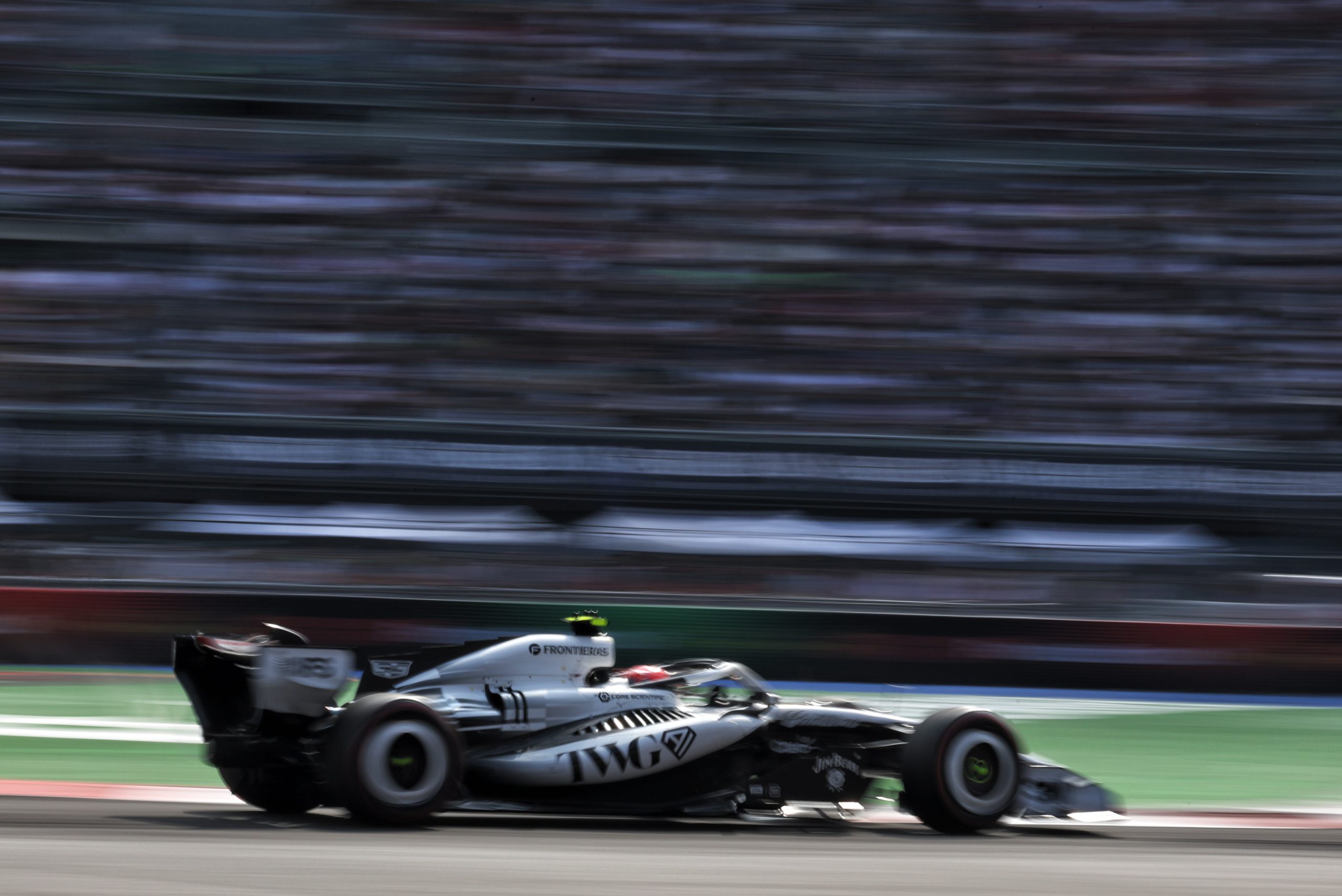
Cadillac F1‘s Valtteri Bottas cleared all fitness concerns ahead of the 2026 F1 São Paulo GP. The Finnish driver suffered a high-speed suspension failure during the previous round at the 2026 F1 Mexico City GP. He quickly downplayed the physical impact of the heavy crash.
Addressing the incident, he revealed he was in “pain, but just a muscle bruise, so nothing damaged and actually now it feels completely normal already, so it took a couple of days.”
Diagnostic breakdown of the failure
The incident unfolded on Lap 43 when excessive heat transfer from the brakes compromised the structural integrity of the front-left suspension assembly. This led to the wishbone mounting to snap as Bottas hit the brakes at maximum speed down the main straight. The sudden mechanical failure left him completely helpless, turning the car into a passenger before it slammed into the protective wall.
Following the race, Cadillac launched a thorough technical investigation to track the exact root cause of the breakdown.
When asked about the frustration of facing another major reliability setback, Bottas detailed how the team analysed the telemetry and identified the operating limits.
“Yeah, these things, they shouldn’t happen, but again, it happened. The main thing is we understand why. We did have certain limits when it comes to temperatures, but we’ve had to review those, and so we could really locate exactly what actually broke and why. And we’ve had to revert some parts to all the spec, and also we’ve had to revert the limits on temperatures that we can run on those.”
Thermal transfer and suspension revisions
The structural failure stemmed directly from running thermal components in the red zone for extended periods in Mexico’s thin air. The heat generated by the brakes soaked into adjacent suspension linkages. This weakened the mounting points over repeated heavy braking cycles until the assembly buckled.
Ahead of the F1 São Paulo GP, Bottas explained the path of the thermal energy. He stated, “Yeah, so still the heat from the brakes, it’s going to go somewhere, and at the moment part of it is going to the wishbones.”
To resolve the issue before track action begins at Interlagos, engineers reverted the wishbone mountings to a previous, proven hardware specification and implemented stricter thermal operating limits. Clarifying the precise modifications made to the car, Bottas’ personnel made structural adjustments for the F1 São Paulo GP.
He noted, “It’s just the wishbone mountings, yeah. And we’ve lowered the limits, which shouldn’t be an issue here. So that’s, we understand that we’re just running too long time in the red zone. We thought it was safe, but we never tested by running it so long at that temperature.”
Cockpit confidence restored for Bottas for the F1 São Paulo GP
Returning to the cockpit the week after a 320km/h mechanical impact can create lingering psychological hesitation, but identifying the exact cause eliminated any residual doubt ahead of the weekend.
Bottas concluded, “Yeah, the thing is, if we didn’t understand what broke, why, then you would struggle with confidence. But we understand, and we know now what the limits are. So that’s why it’s okay. And Mexico is going to be the hardest one for the rest of the season with the temperatures. So I think we should be okay, but obviously need some good redesigning for the future.”
With the diagnostic answers locked in and structural modifications active, Bottas and Cadillac F1 now turn their focus to the challenging layout of the 2026 São Paulo GP. Lower ambient temperatures in Brazil provide a far safer thermal window, allowing the team to run without the extreme heat soak that derailed their weekend in Mexico City.
For Bottas, armed with a clear understanding of the car’s mechanical boundaries, the priority shifts entirely back to delivering on-track performance in Interlagos.